Architect Frank Gehry passed away on December 5, 2025 in Santa Monica. He was 96. I wrote about Frank Gehry’s influence on me as a 90s architecture student at East Los Angeles College and SCI-Arc.
Excerpt:
Thirty years later, Gehry’s ideas challenging form, challenging materiality, challenging function, challenging convention, challenging orthodoxy, challenging the architecture establishment, challenging one’s own profession, remain with me as an urban planner.
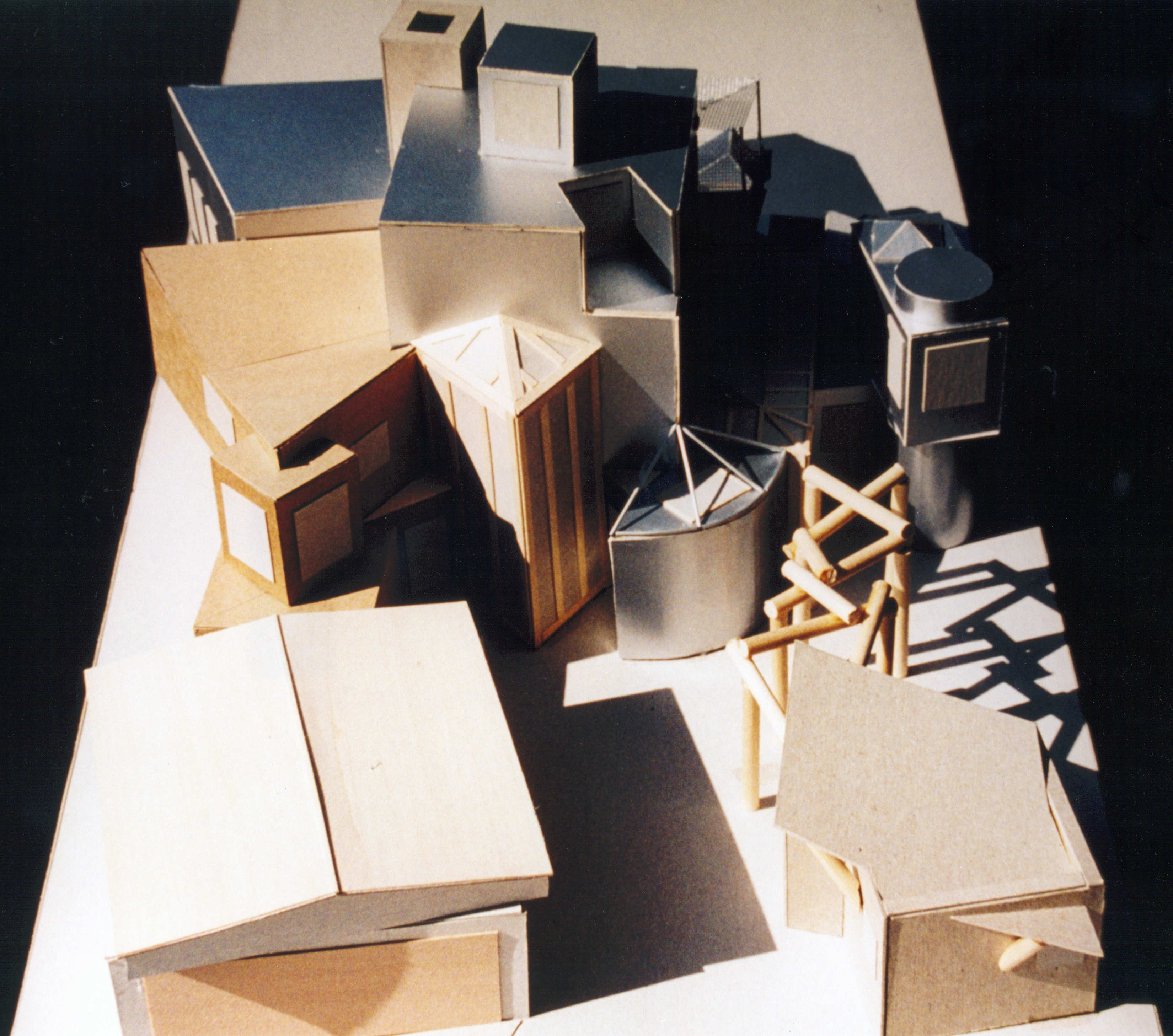
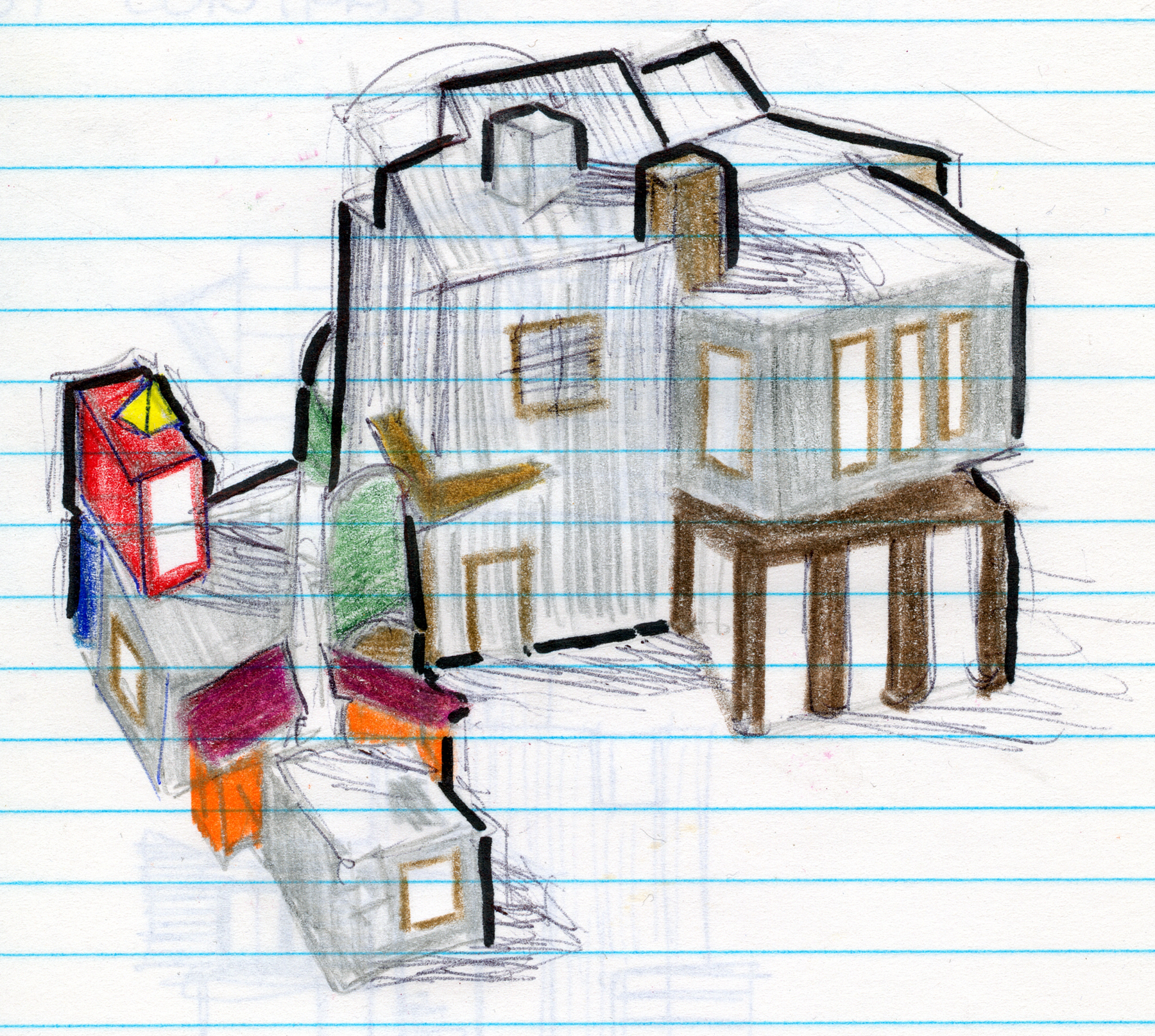
Gehry was a driving inspiration in my early development. I’m taking time to reflect on his impact and work. Meantime, check out my 1996 three bedroom residence designed in the spirit of Frank Gehry.
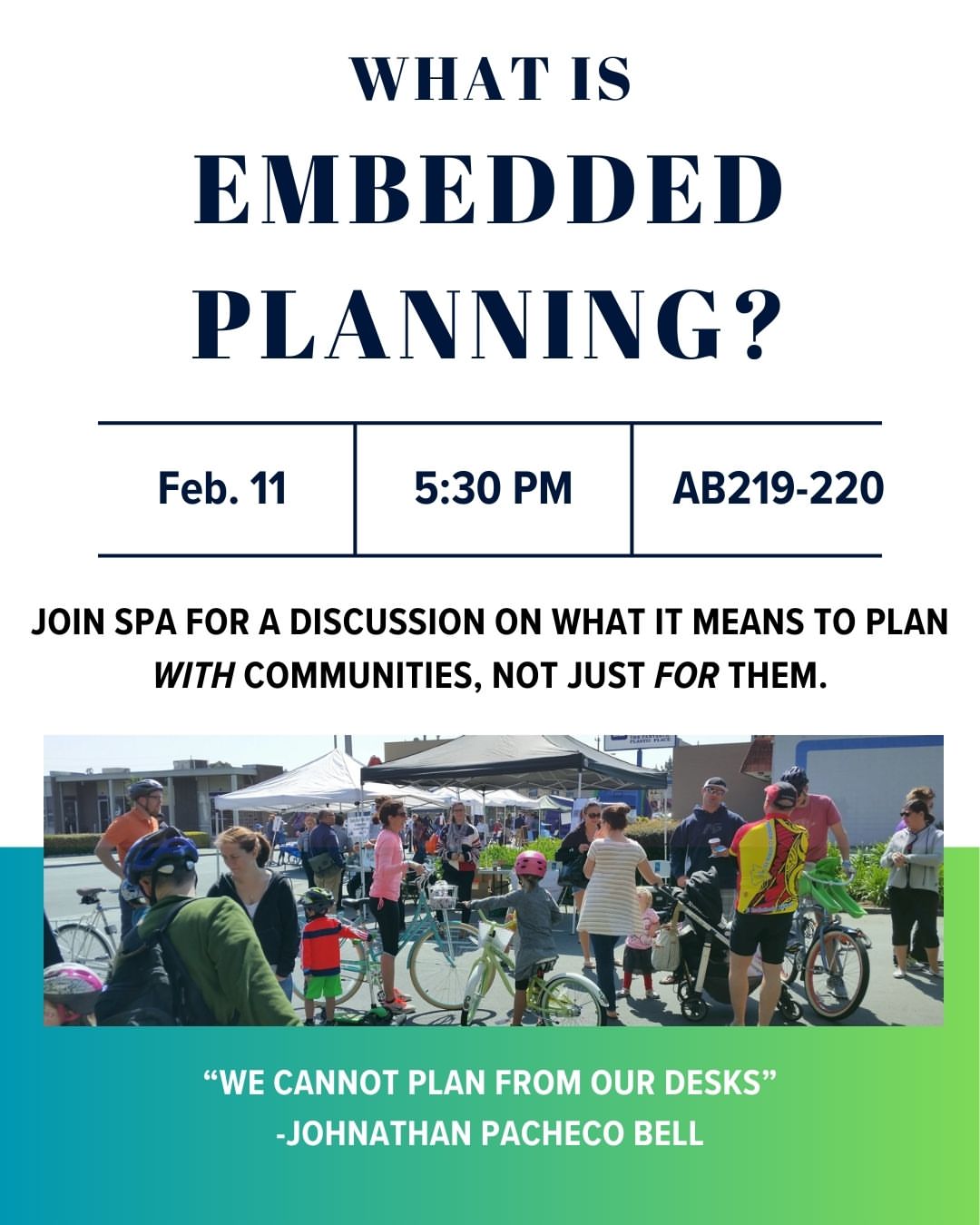
PLAN 498/598: We Cannot Plan From Our Desks: Embedded Planning Theory and Practice
This is another step forward for our movement.
Huge thank you to Dan Baisden for inaugurating the class. BSU students are learning from the best. Dan leads the City of Fort Wayne Department of Neighborhoods which is literally an Embedded Planning department, as I’ve shared in recent keynotes.
I’m happy to be in dialogue with Dan about the syllabus.
Hey should we implement an Embedded Planning college course in Los Angeles?
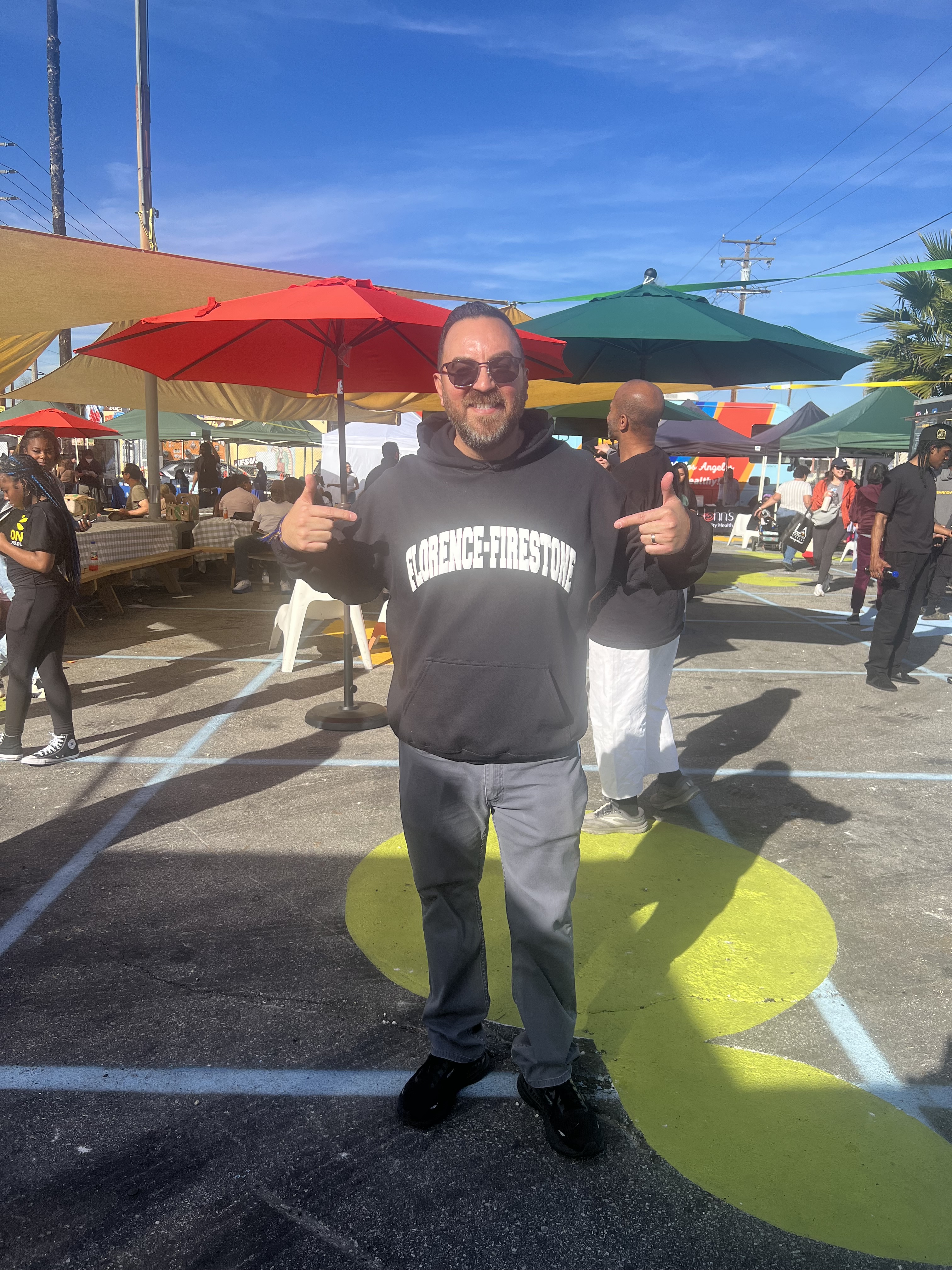
The Florence-Firestone Community Organization recently hosted friends from SELA and South Central LA to discuss a range of urban planning issues. We covered the Gateway Cities Regional Climate Collaborative, the origins and spread of Embedded Planning praxis, emerging on-the-ground partnerships, community advocacy in these tense times, and much more. That 95-degree heat wave underscored the urgency of community preparedness for climate change.
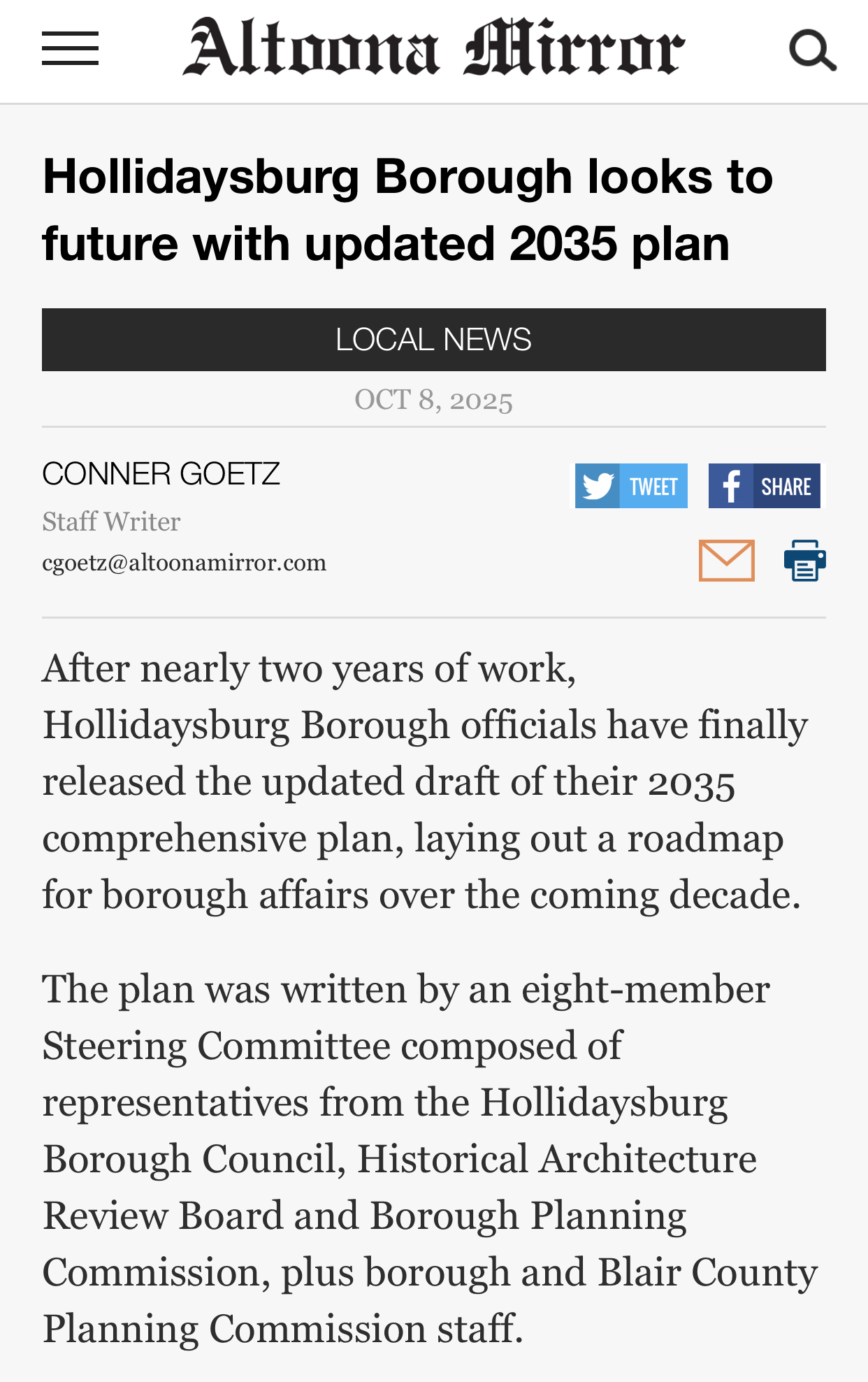
I appreciate this shout out in the Altoona Mirror about our work on the Borough of Hollidaysburg Comprehensive Plan 2035.
‘The revised plan relies on the “embedded planning” methodology espoused by California urban planner Jonathan Pacheco Bell, who was a key consultant during several stages of the process, [Andrew] Holodnik said.
Bell’s approach emphasizes planners getting “out of the office into the street,” Holodnik said, which facilitates direct dialogue between municipal leaders and the constituents they serve.
“You’re immersing yourself in the community,” he said.’
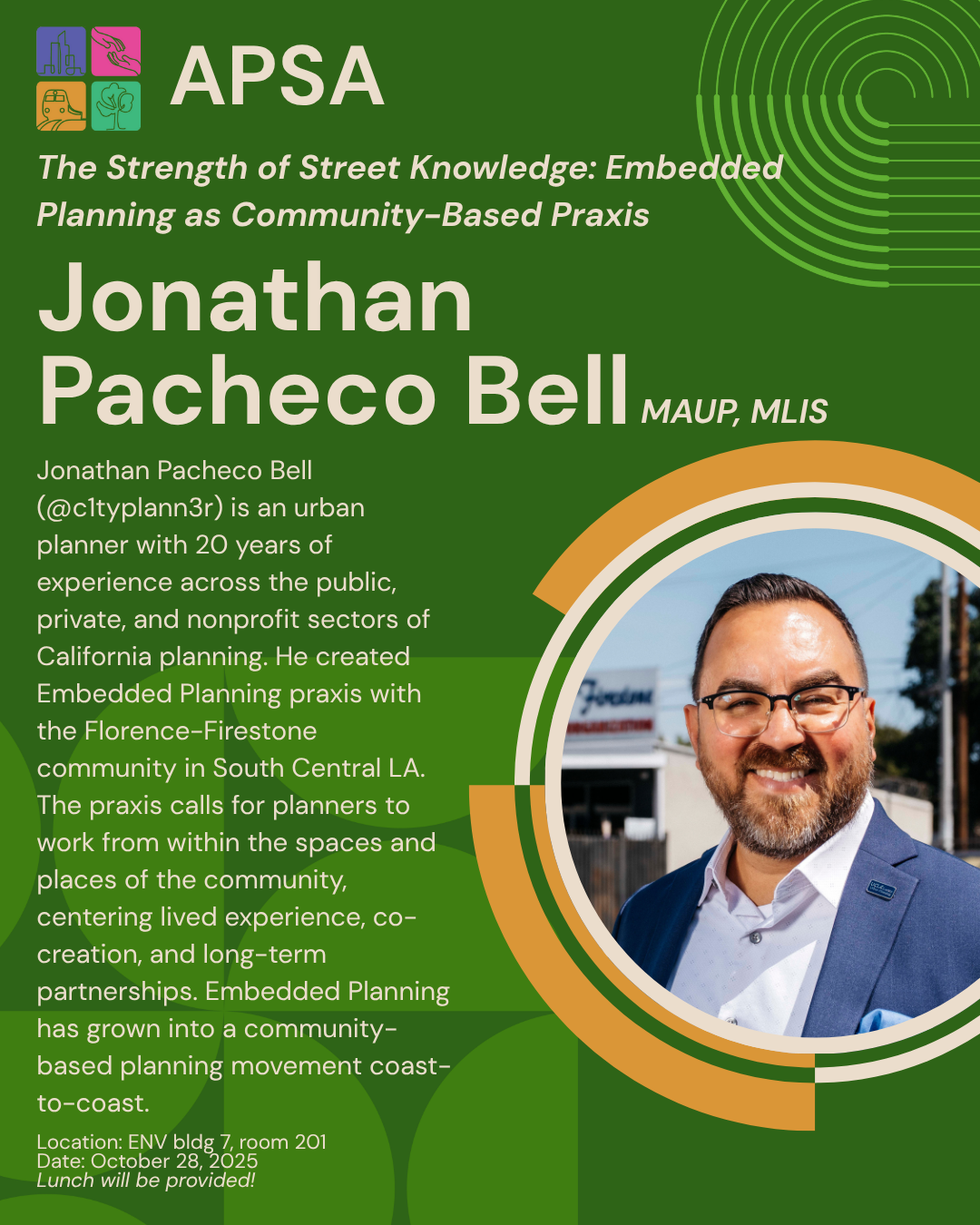
The Strength of Street Knowledge: Embedded Planning as Community-Based Praxis
Jonathan Pacheco Bell, MAUP, MLIS
Speaker bio:
Jonathan Pacheco Bell is an urban planner with 20 years of experience across the public, private, and nonprofit sectors of design and planning. He’s a former graffiti writer and West Coast Hip Hop kid, who learned to navigate urban space crisscrossing 1990s LA tagging and doing graffiti murals. These early street-level experiences would inspire Jonathan in college to switch from architecture to urban planning.
Jonathan earned a Master’s in Urban Planning at UCLA in 2005 and began his career as an LA County Zoning Enforcement Planner, building partnerships in communities like Florence-Firestone in South Central LA. During this time, he witnessed the harms of inequitable zoning, inspiring him to create new forms of street-level planning advocacy – what we now call Embedded Planning Praxis!
He has lectured on Embedded Planning across the U.S., with guest talks at Columbia University, Duke, Ohio State, USC Architecture, & Stanford Engineering, and presentations at APA Conferences in California, Washington, Indiana, Louisiana, and Iowa.
Jonathan currently serves as Co-President of the nonprofit Florence-Firestone Community Organization, in the neighborhood where Embedded Planning was born. From 2021 to 2025, he was an Adjunct Professor in the Department of Urban and Regional Planning at Cal Poly Pomona and remains a mentor to emerging Bronco Planners.
I loved my time at Casita Coalition. The backbone of Casita is a passionate team working tirelessly to enact middle housing solutions nationwide. This role allowed me to advance the mission, grow as a professional and person, and meet many wonderful people along the way. Casita is growing exponentially under the leadership of Noerena Limon. Thank you for the opportunity.
This decision was difficult because I love the team. But after much reflection, I’ve made a key career decision: I’m transitioning back into municipal planning, fulfilling a longtime goal of returning to the public sector where my work began. Full circle. More to come soon.
I’m grateful for everyone who’s supported me on the journey. Thank you.
From the Borough of Hollidaysburg (PA) Comprehensive Plan 2035 draft, out now for 45-day public comment period:
EMBEDDED PLANNING
A common theme that emerged from extensive community dialogue was the public’s desire to be engaged, acknowledged, and involved in local matters. Residents expressed a need for Borough Staff to be more responsive to the diverse needs within the community. Considering this feedback, Borough Staff and Blair Planning recognized an opportunity to collaborate with Southern California-based consultant Jonathan Pacheco Bell, the urban planner and change-agent who created Embedded Planning Praxis. A new method and philosophy of practice, Embedded Planning is a praxis in which planning is done from within the community itself, not solely from an office, and planners work on- the-ground to understand people’s needs, build trust and authentic relationships, participate in daily community life, increase community participation through street-level engagement, and ultimately advance equity through targeted and locally responsive planning initiatives. This approach encourages Borough Staff to step out from behind their desks and connect directly with the community they serve.
Beginning in Early 2025, Jonathan consulted directly with Staff and the Steering Committee to provide guidance and ensure that the revision and implementation of this plan posits members of the community not just as participants, but as leaders who are continuing to spearhead the plan’s momentum. Embedded Planning serves as both an inspirational throughline and implementation goal for this comprehensive plan.
The Borough’s Comprehensive Plan Steering Committee met virtually with Jonathan throughout the implementation planning process in order to ensure consistency with the praxis. The Steering Committee hosted various meetings and workshops in early 2025 to address revisions of the initial draft. Following these workshops, additional interviews were conducted with entities responsible for various aspects of implementation in this plan including the department of public works and emergency service departments.
The Biltmore Los Angeles in Downtown LA, October 9-12, 2025
Cities of Quartz: How Mike Davis Transformed Urban Studies (Roundtable)
Saturday, October 11, 2025 | 1:15-2:45pm
Abstract:
In this roundtable discussion, a group of writers, academics, and urban planners will discuss the life and work of Mike Davis. With books like City of Quartz, Ecology of Fear, and Planet of Slums, Davis played an irreplaceable role in pushing urban scholars to foreground questions of equity, justice, and sustainability in their work. Each of Davis’ books and articles was grounded in a clear-eyed assessment of the power dynamics that create unequal societies, and throughout his life he remained a forceful advocate for the moral necessity that poor and working-class communities — whatever their ethnic or racial makeup — have the same chance at opportunity as the ruling class.
To illuminate Davis’ legacy, our discussion will begin with the impact he had on how the city of Los Angeles understands itself, before we open our inquiry into applying his method to cities everywhere and incorporating his ethos into future urban plans.
The roundtable will be moderated by Mike Sonksen, a poet and former Woodbury University professor who was mentored by Mike Davis and remained friends with him for over two decades.
The Strength of Street Knowledge: Embedded Planning as Community-Based Praxis
This talk introduces a new method of urban planning called Embedded Planning Praxis. Embedded Planning revolutionizes practice by emphasizing street-level planning within the community rather than traditional desk-based methods. Developed by Jonathan Pacheco Bell in South Central LA as an outgrowth of code enforcement work, Embedded Planning has evolved into a community-based praxis that seeks to rebuild trust and foster meaningful relationships with marginalized communities historically harmed by inequitable planning.
Embedded Planning is working directly from community spaces and places. Embedded planners engage residents in everyday environments, evolving practice from desk-based policy formation to on-the-ground collaboration in and from the neighborhood. This immersive approach helps planners gain a deeper understanding of local needs and aspirations, ensuring that community voices and needs significantly shape planning decisions. Embedded Planning is a timely evolution in the field that aligns with growing calls for more equity-centered, place-based, participatory practices. By embedding themselves into neighborhoods, planners build strong and authentic relationships, moving beyond one-off, transactional consultations to create lasting and impactful partnerships.
Using a reflective practitioner framework, Jonathan will illustrate what Embedded Planning looks like, explain its role as his motivating throughline, highlight embedded planners implementing these inclusive methods coast to coast, while highlighting the challenges and benefits of this praxis. Attendees will learn how this emerging movement represents a crucial shift towards centering planning as an active and continuous process from within the community and represents the future of planning.
Speaker:
Jonathan Pacheco Bell is an urban planner with two decades of experience in California working across the public, private, and nonprofit sectors. For 14 years, he served as a Los Angeles Zoning Enforcement Officer building partnerships on the ground in communities of color. During this time, he witnessed the harms of inequitable zoning, inspiring him to create new forms of street-level planning advocacy —what he calls Embedded Planning Praxis.
Jonathan is the VP of Policy and Programs at Casita Coalition, a nonprofit that advocates for middle housing solutions. In addition to full-time practice, he volunteers as an Executive Board Member of the nonprofit Florence-Firestone Community Organization in South Central Los Angeles and was an Adjunct Professor at Cal Poly Pomona Department of Urban and Regional Planning from 2021-2025.
Jonathan has guest lectured nationally on Embedded Planning, with speaking engagements at Columbia University, Duke, Ohio State, University of Utah, Pratt Institute, Stanford Engineering, and UCLA; state and national APA Conferences in California, Iowa, Louisiana, and Indiana; and public forums such as AARP Livable Communities and the San Francisco Urban Film Fest.
A leader in the American Planning Association for over a decade, Jonathan is a member of the Latinos and Planning Division and is published in APA’s practitioner magazine, Planning. He previously served as APA Los Angeles section’s Social Media Director and was the Southern California representative on the APA National Social Equity Task Force.
Jonathan’s dedication to advocacy has earned him industry accolades, including the Planning Advocate Award of Excellence from APA Los Angeles and Planning Pioneer Award of Excellence from APA Inland Empire in 2024. He holds an MA in Urban Planning from UCLA Luskin and additional degrees in architecture, political science, and information science.
The Biltmore Los Angeles in Downtown LA, October 9-12, 2025
Cities of Quartz: How Mike Davis Transformed Urban Studies (Roundtable)
Saturday, October 11, 2025 | 1:15-2:45pm
Abstract:
In this roundtable discussion, a group of writers, academics, and urban planners will discuss the life and work of Mike Davis. With books like City of Quartz, Ecology of Fear, and Planet of Slums, Davis played an irreplaceable role in pushing urban scholars to foreground questions of equity, justice, and sustainability in their work. Each of Davis’ books and articles was grounded in a clear-eyed assessment of the power dynamics that create unequal societies, and throughout his life he remained a forceful advocate for the moral necessity that poor and working-class communities — whatever their ethnic or racial makeup — have the same chance at opportunity as the ruling class.
To illuminate Davis’ legacy, our discussion will begin with the impact he had on how the city of Los Angeles understands itself, before we open our inquiry into applying his method to cities everywhere and incorporating his ethos into future urban plans.
The roundtable will be moderated by Mike Sonksen, a poet and former Woodbury University professor who was mentored by Mike Davis and remained friends with him for over two decades.
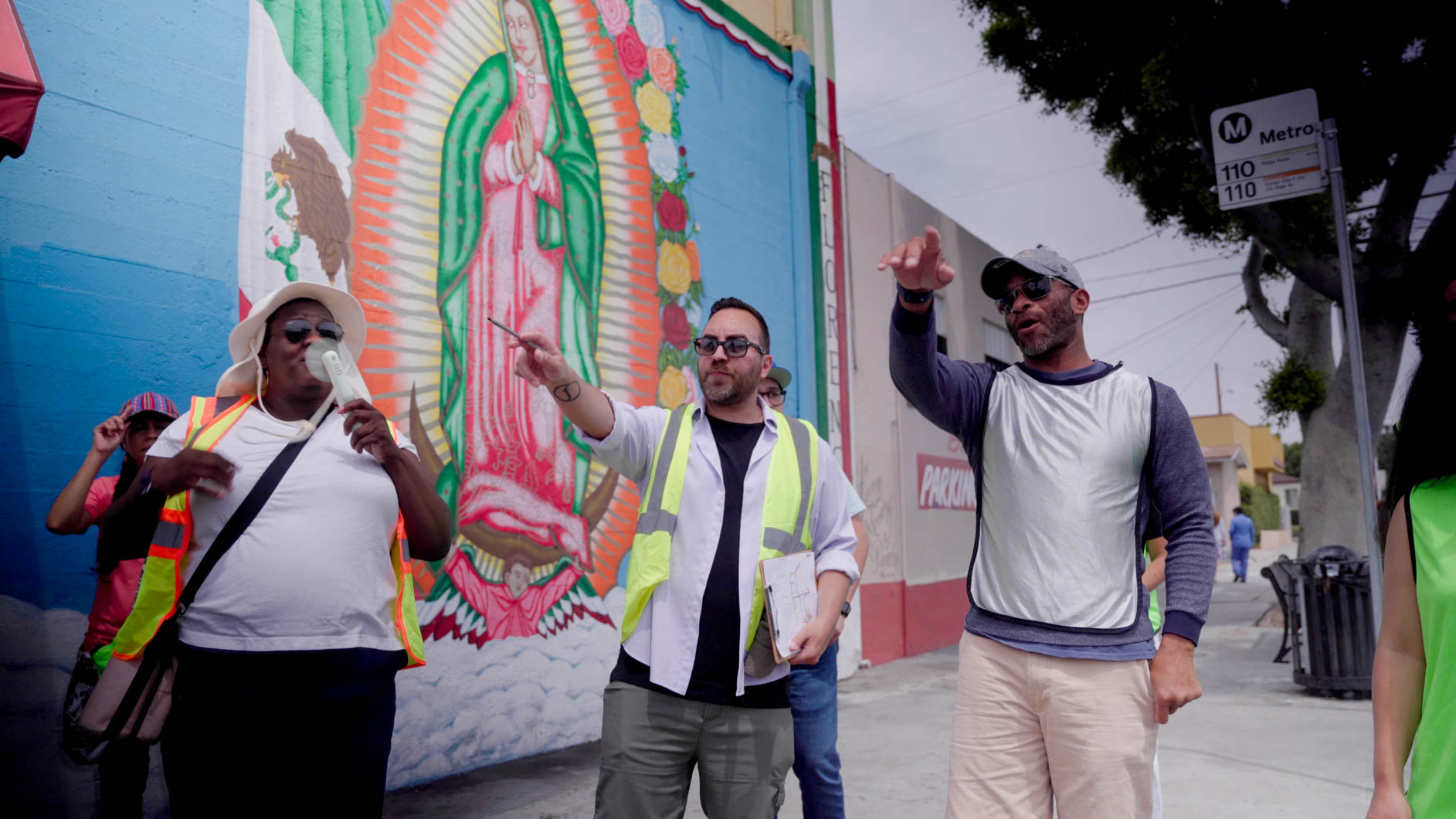
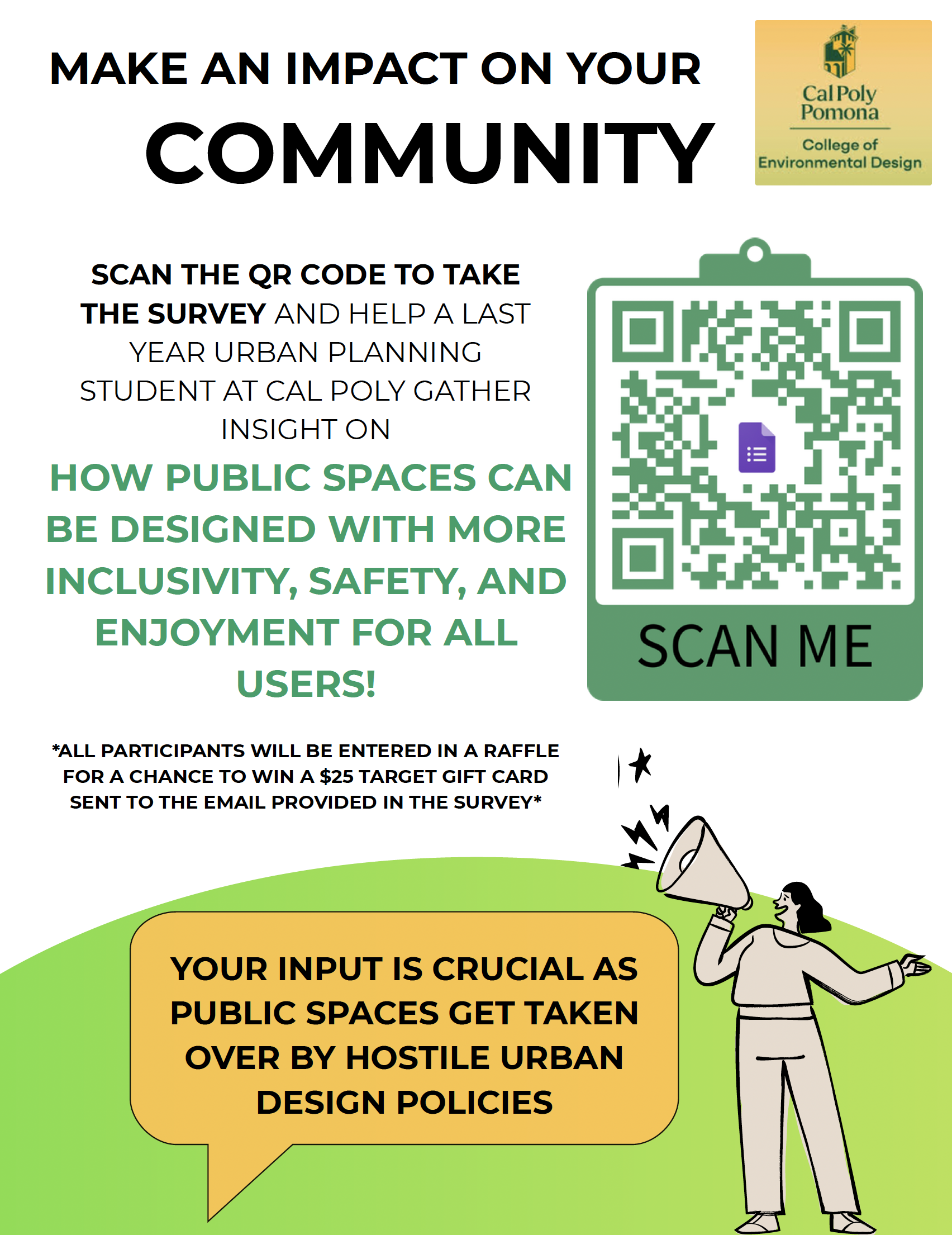
This Saturday 9/27 the Florence-Firestone Community Organization hosted the annual community walk in Florence-Firestone with the 1st year MURP cohort at Cal Poly Pomona College of Environmental Design. MURP students learned about urban planning through storytelling, social history, and immersive Embedded Planning with our community members. This is a mutually beneficial long term partnership! Shout out to professors and students for spending an afternoon with us in South Central LA.
The Strength of Street Knowledge: Embedded Planning as Community-Based Praxis
This talk introduces a new method of urban planning called Embedded Planning Praxis. Embedded Planning revolutionizes practice by emphasizing street-level planning within the community rather than traditional desk-based methods. Developed by Jonathan Pacheco Bell in South Central LA as an outgrowth of code enforcement work, Embedded Planning has evolved into a community-based praxis that seeks to rebuild trust and foster meaningful relationships with marginalized communities historically harmed by inequitable planning.
Embedded Planning is working directly from community spaces and places. Embedded planners engage residents in everyday environments, evolving practice from desk-based policy formation to on-the-ground collaboration in and from the neighborhood. This immersive approach helps planners gain a deeper understanding of local needs and aspirations, ensuring that community voices and needs significantly shape planning decisions. Embedded Planning is a timely evolution in the field that aligns with growing calls for more equity-centered, place-based, participatory practices. By embedding themselves into neighborhoods, planners build strong and authentic relationships, moving beyond one-off, transactional consultations to create lasting and impactful partnerships.
Using a reflective practitioner framework, Jonathan will illustrate what Embedded Planning looks like, explain its role as his motivating throughline, highlight embedded planners implementing these inclusive methods coast-to-coast, while highlighting the challenges and benefits of this praxis. Attendees will learn how this emerging movement represents a crucial shift towards centering planning as an active and continuous process from within the community and represents the future of planning.
Speaker bio
Jonathan Pacheco Bell is an urban planner with two decades of experience in California working across the public, private, and nonprofit sectors. For 14 years, he served as a Los Angeles Zoning Enforcement Officer building partnerships on the ground in communities of color. During this time, he witnessed the harms of inequitable zoning, inspiring him to create new forms of street-level planning advocacy – what he calls Embedded Planning praxis.
Jonathan works as VP of Policy and Programs at Casita Coalition, where he advances middle housing solutions with a strong focus on equity, access, and neighborhood-level impact. In addition to full-time practice, he serves as Co-President of the nonprofit Florence-Firestone Community Organization in South Central LA and was an Adjunct Professor at Cal Poly Pomona Urban and Regional Planning from 2021-2025.
Jonathan has guest lectured nationally on Embedded Planning, with speaking engagements at Columbia University, Duke, Ohio State, University of Utah, Pratt Institute, Stanford Engineering, and UCLA; state and national APA Conferences in California, Iowa, Louisiana, and Indiana; and public forums such as AARP Livable Communities and the San Francisco Urban Film Fest.
A leader in the American Planning Association for over a decade, Jonathan is a member of the Latinos and Planning Division and is published in APA’s practitioner magazine, Planning. He previously served as Social Media Director of APA Los Angeles and was the Southern California representative on the APA National Social Equity Task Force.
Jonathan’s dedication to communities has earned him industry accolades, including the Planning Advocate Award of Excellence from APA Los Angeles and Planning Pioneer Award of Excellence from APA Inland Empire in 2024. He holds an MA in Urban Planning from UCLA Luskin and additional degrees in architecture, political science, and information science.
Want to build an ADU but feeling lost about who to work with? Don’t know where to start? Join us for this educational webinar focused on best practices for selecting and working with ADU professionals. Casita Coalition’s Director of Education, Timothy Pawlak, and Katherine Peoples, Casita Coalition Board Member and CEO of HPP Cares, will discuss the best ways to vet professionals, compare bids, review contracts, and protect yourself against fraud. This conversation will be moderated by Jonathan Pacheco Bell, VP of Policy and Programs at Casita Coalition.
The Biltmore Los Angeles in Downtown LA, October 9-12, 2025
Cities of Quartz: How Mike Davis Transformed Urban Studies (Roundtable)
Saturday, October 11, 2025 | 1:15-2:45pm
Abstract:
In this roundtable discussion, a group of writers, academics, and urban planners will discuss the life and work of Mike Davis. With books like City of Quartz, Ecology of Fear, and Planet of Slums, Davis played an irreplaceable role in pushing urban scholars to foreground questions of equity, justice, and sustainability in their work. Each of Davis’ books and articles was grounded in a clear-eyed assessment of the power dynamics that create unequal societies, and throughout his life he remained a forceful advocate for the moral necessity that poor and working-class communities — whatever their ethnic or racial makeup — have the same chance at opportunity as the ruling class.
To illuminate Davis’ legacy, our discussion will begin with the impact he had on how the city of Los Angeles understands itself, before we open our inquiry into applying his method to cities everywhere and incorporating his ethos into future urban plans.
The roundtable will be moderated by Mike Sonksen, a poet and former Woodbury University professor who was mentored by Mike Davis and remained friends with him for over two decades.
You must be logged in to post a comment.