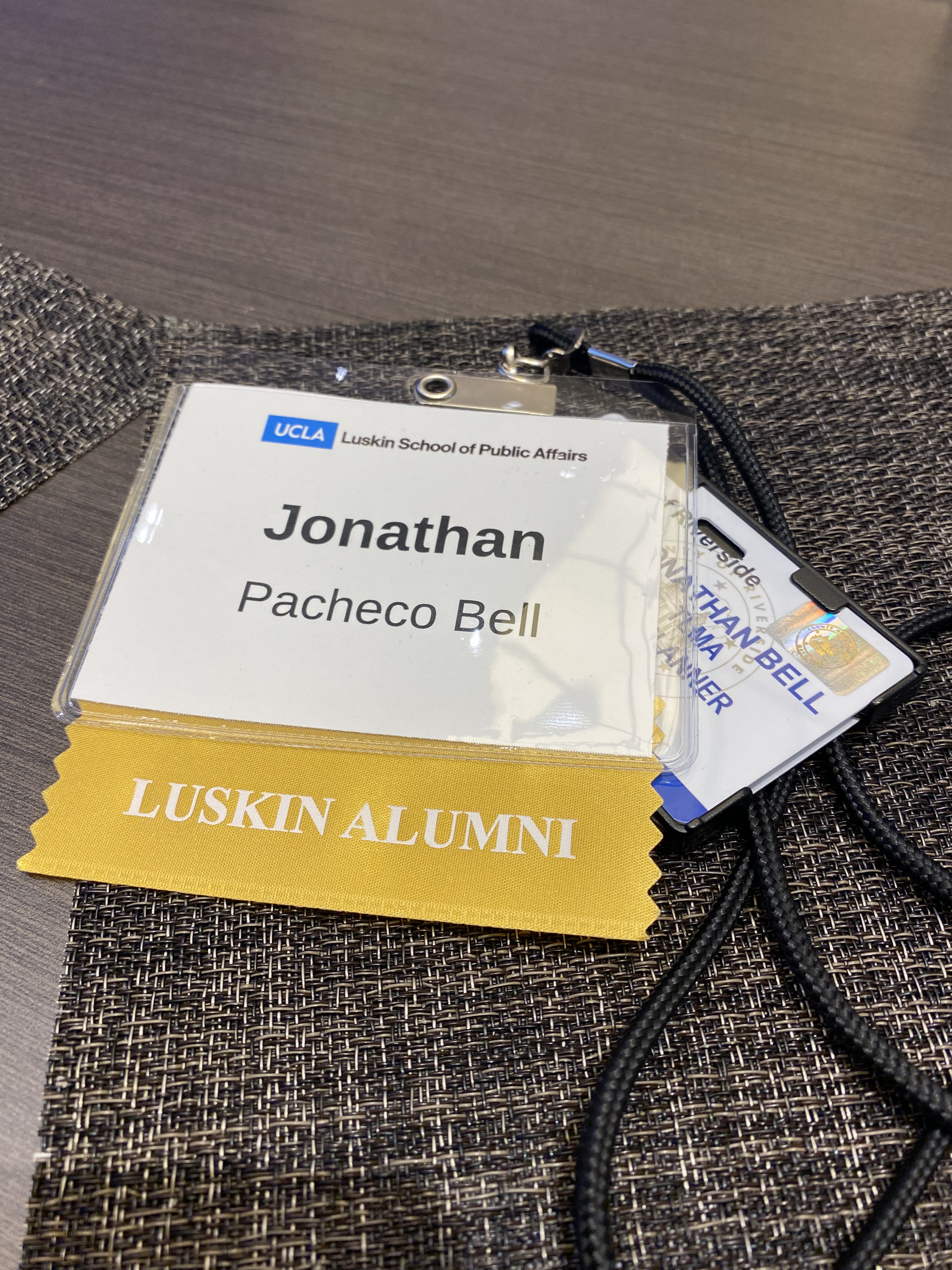
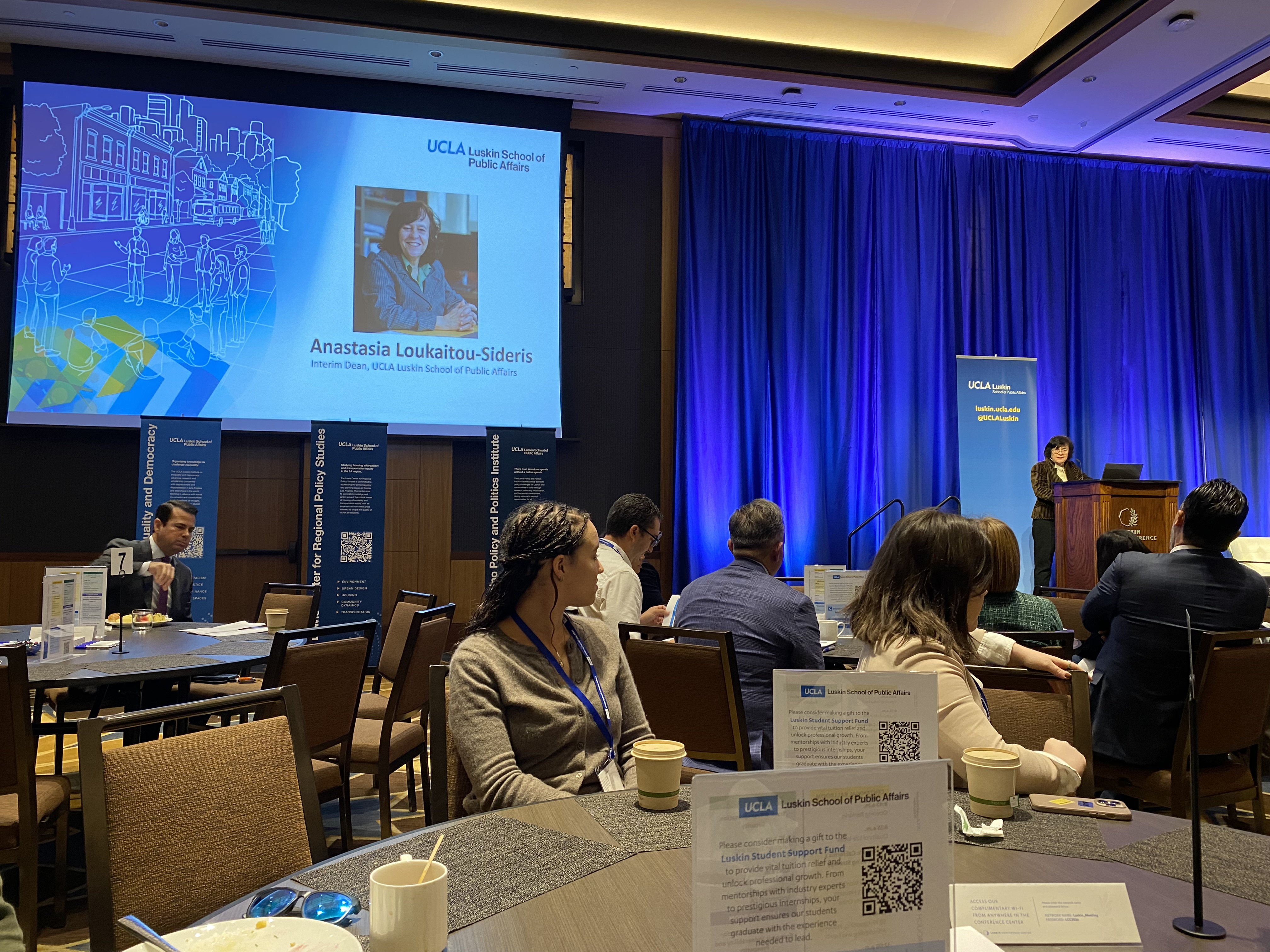
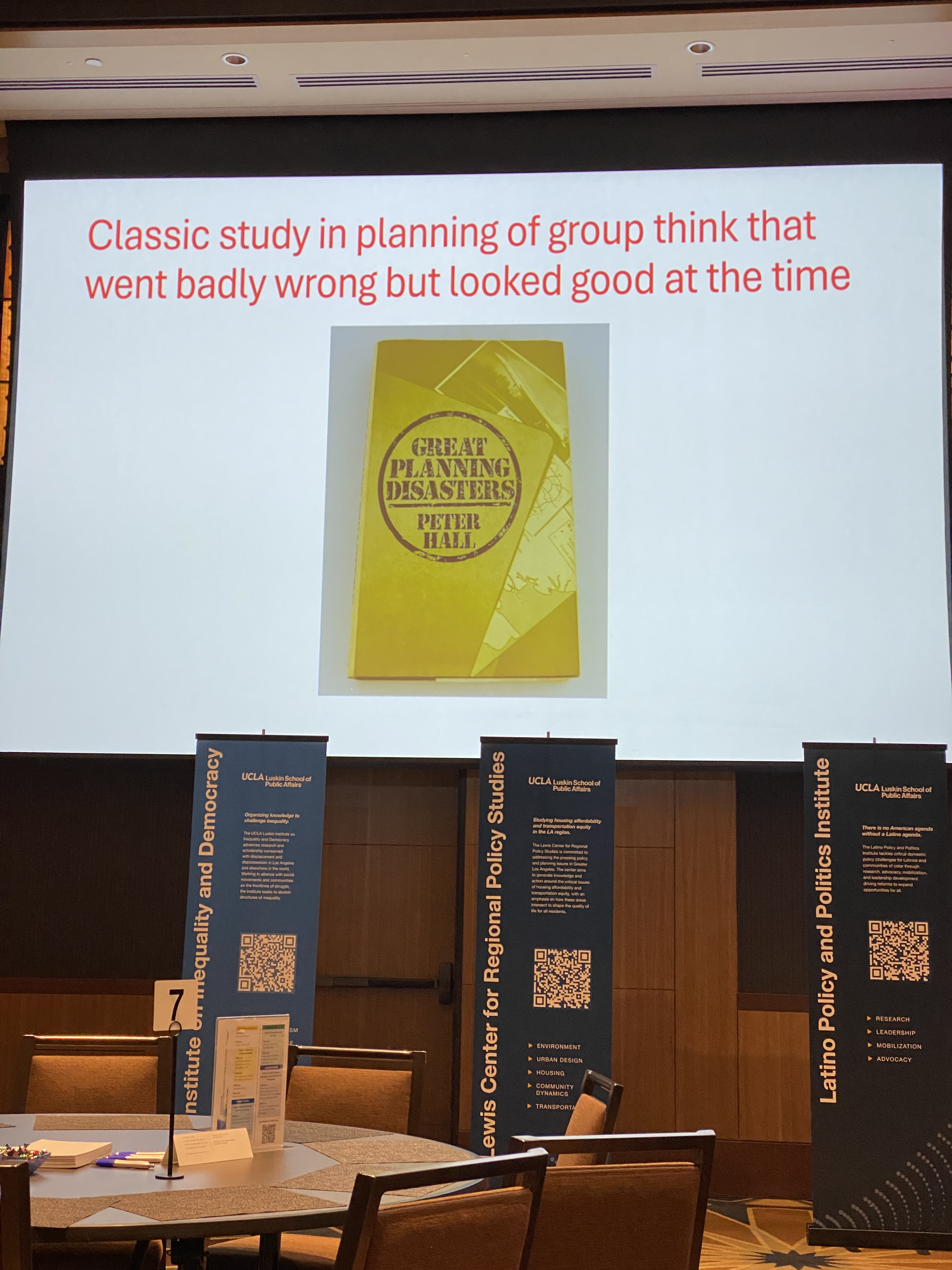
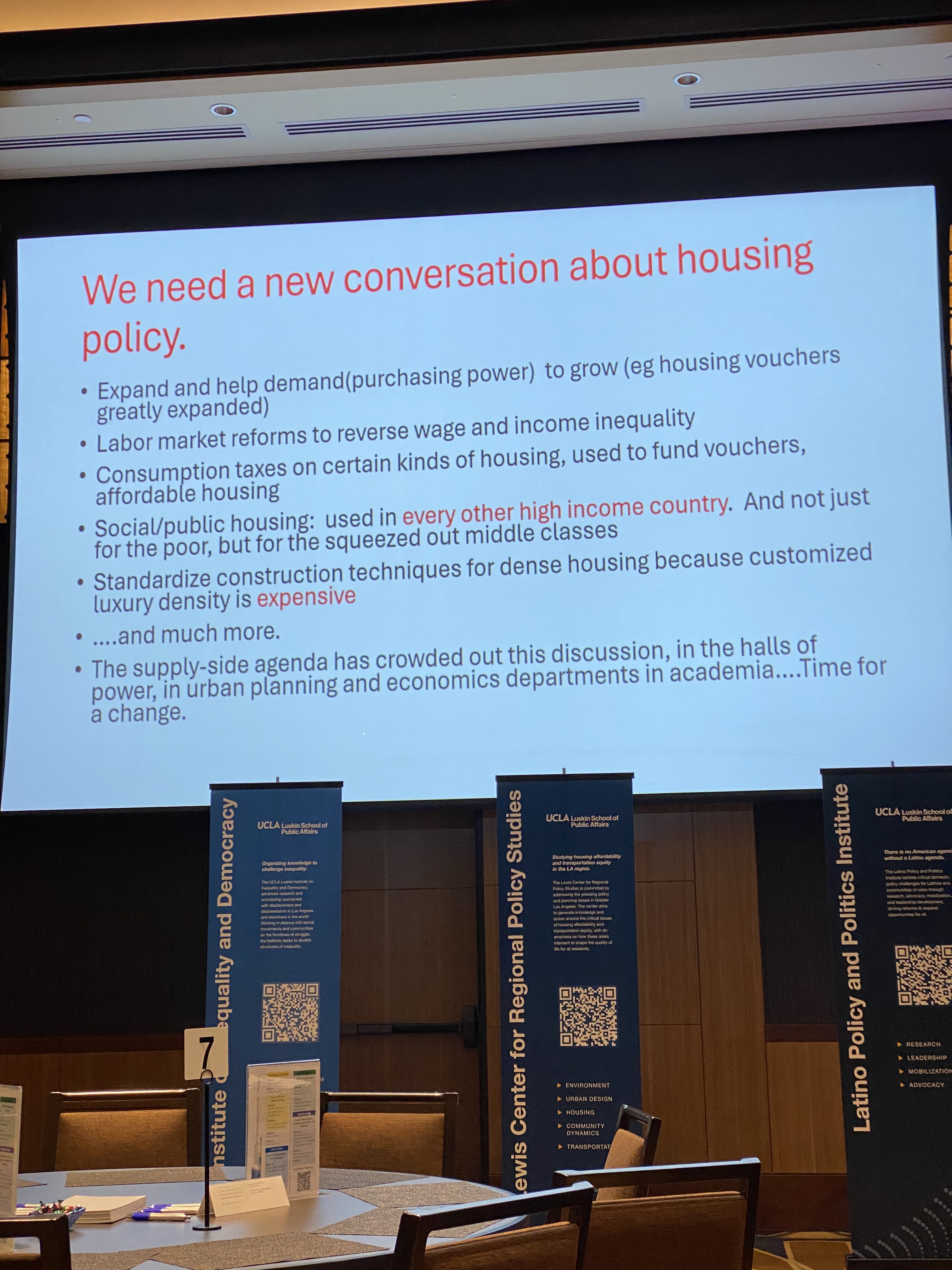
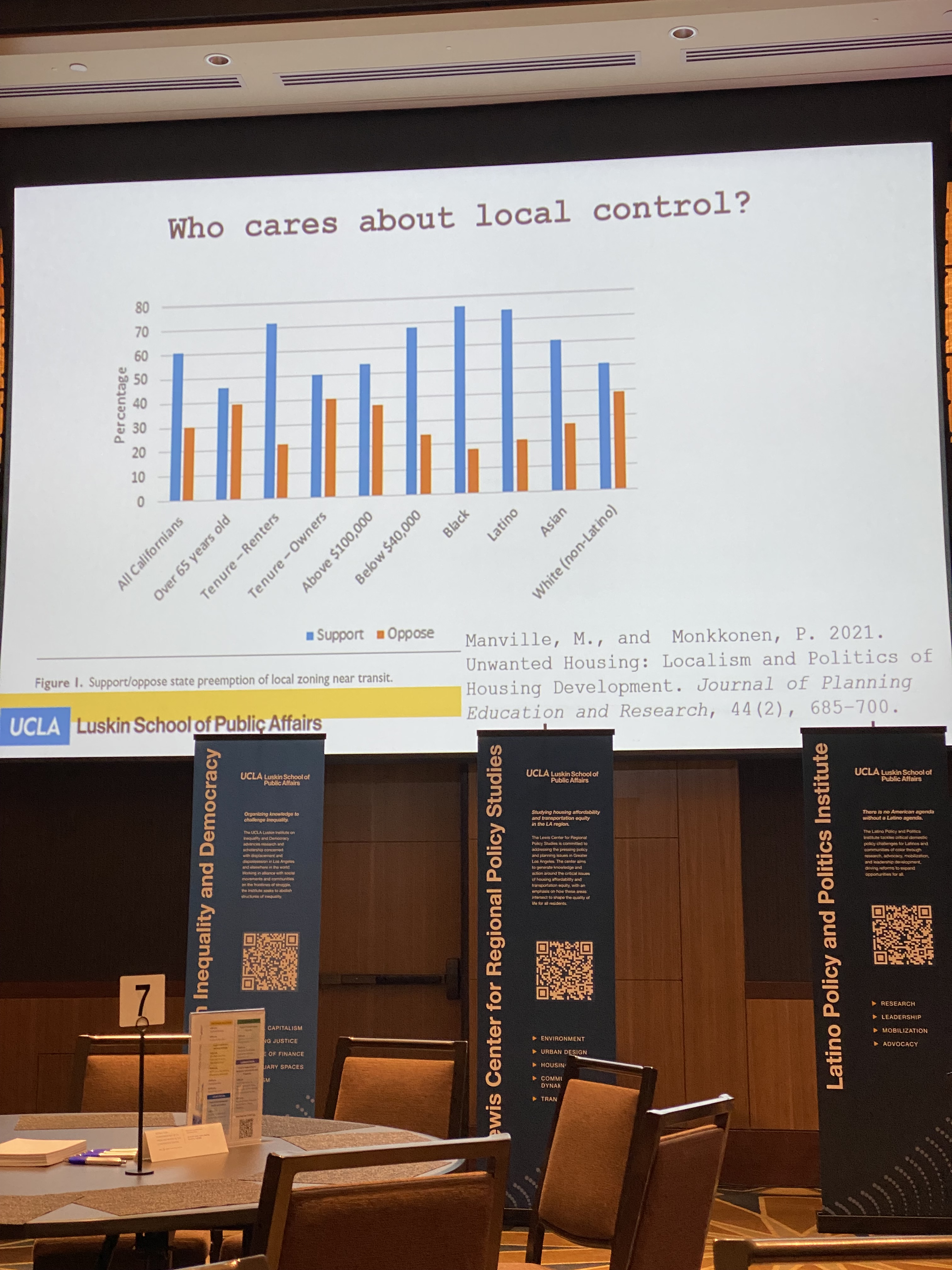
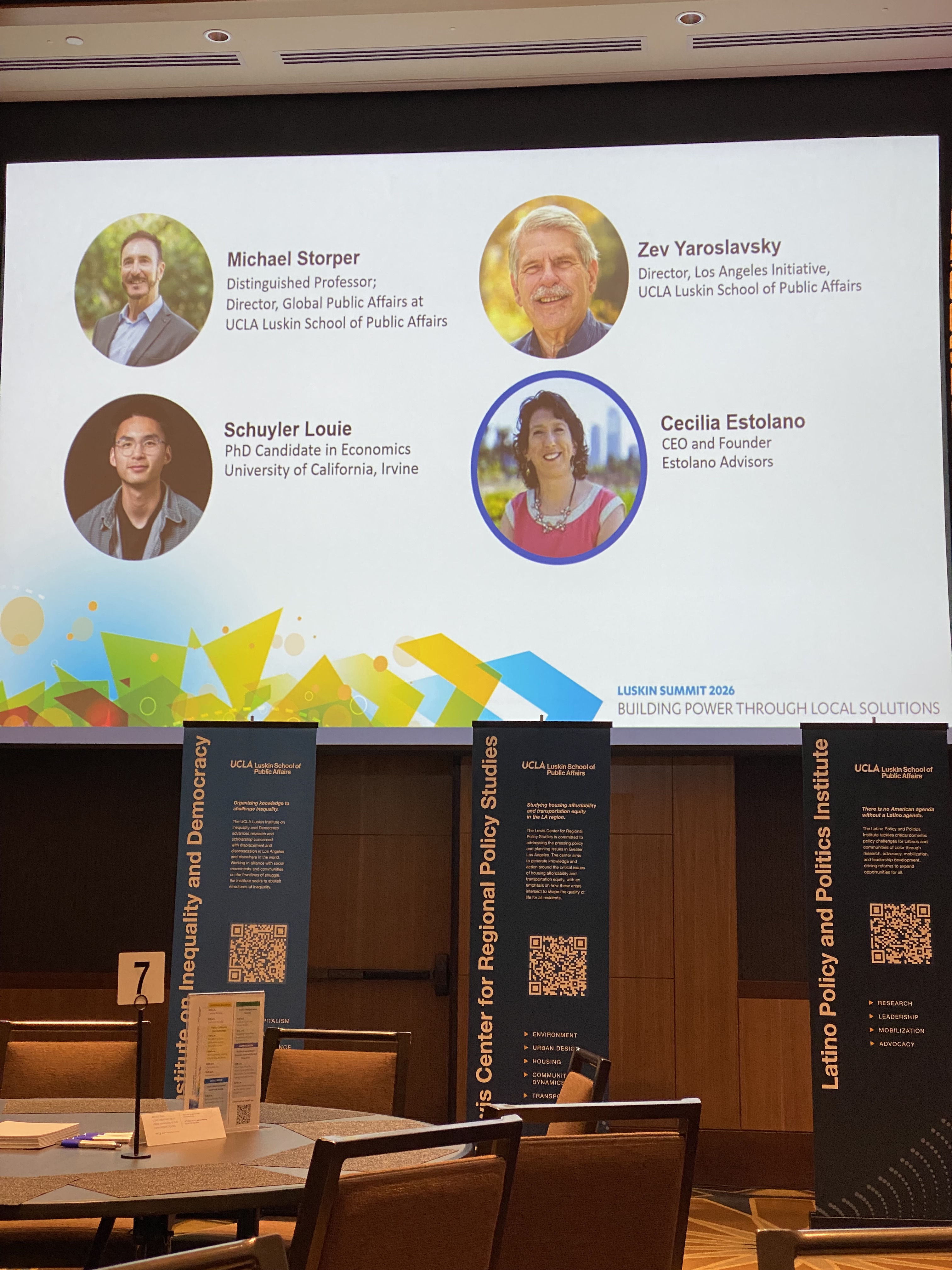
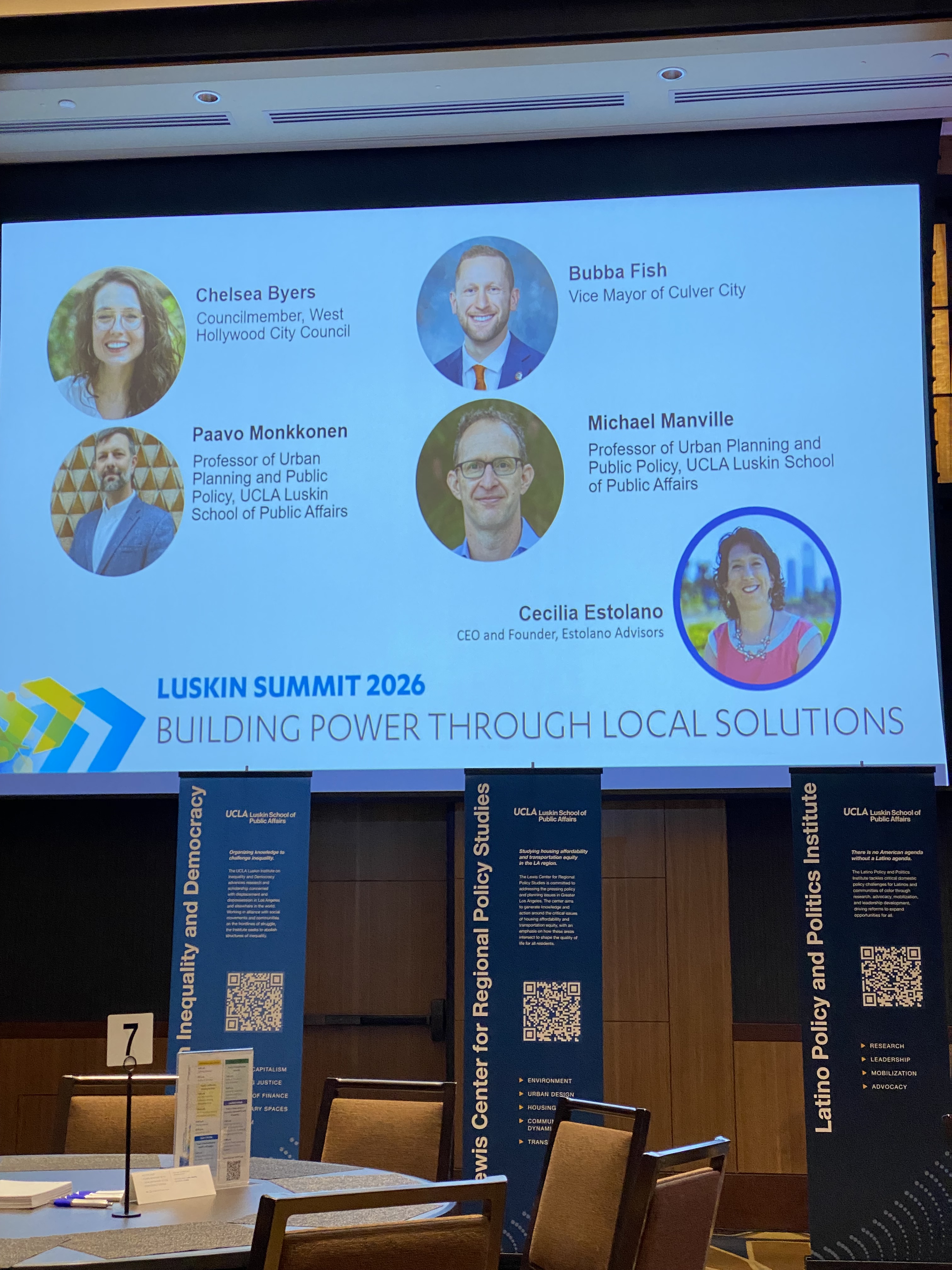
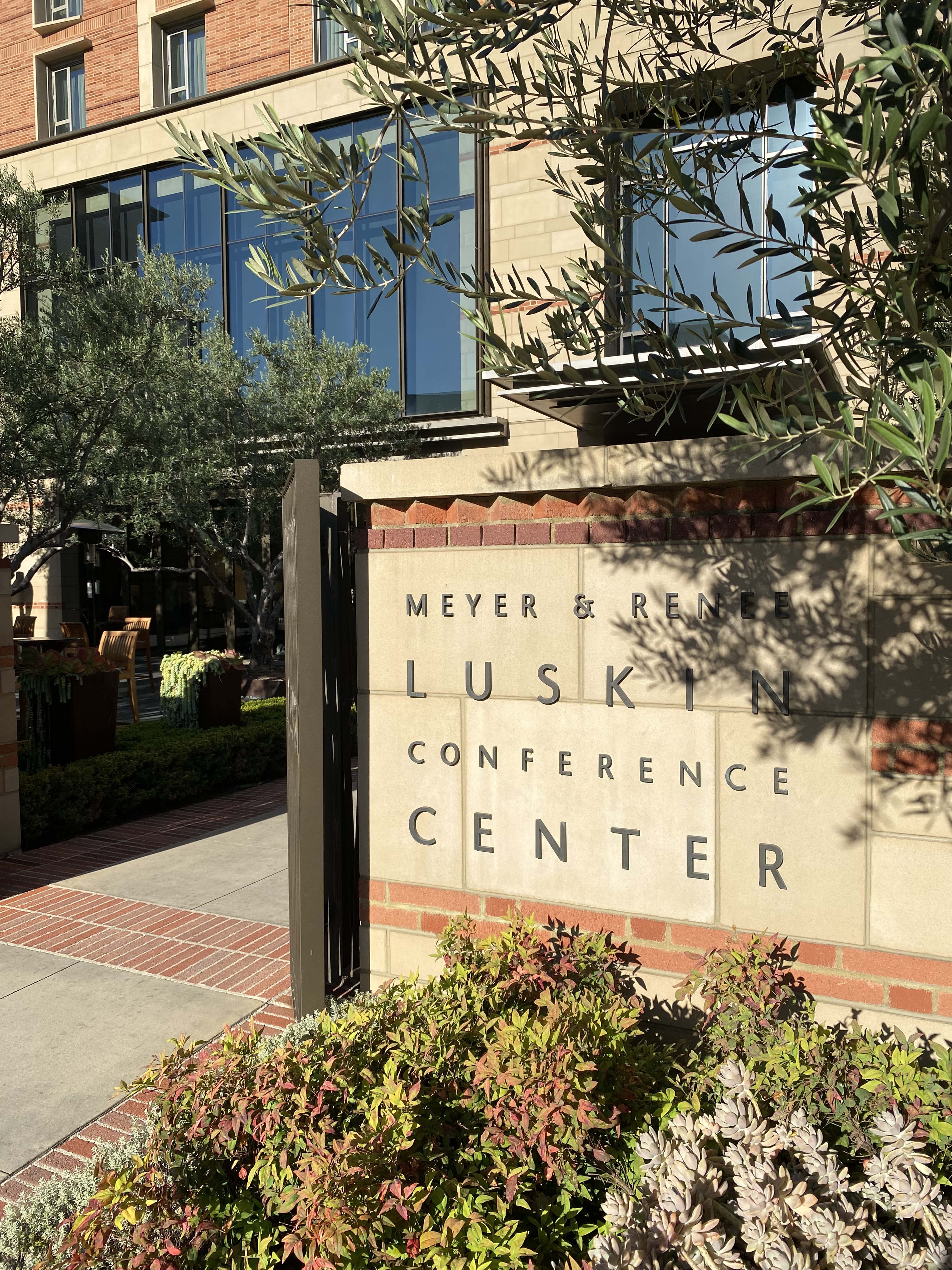
I enjoyed today’s UCLA Luskin Summit, especially the debate between the panels opposing and supporting SB 79. Shout out to Professor Michael Storper referencing Peter Hall’s book Great Planning Disasters and Professor Mike Manville working in the term “tautology” into this housing debate. Great to be back at UCLA Luskin School of Public Affairs.
I loved my time at Casita Coalition. The backbone of Casita is a passionate team working tirelessly to enact middle housing solutions nationwide. This role allowed me to advance the mission, grow as a professional and person, and meet many wonderful people along the way. Casita is growing exponentially under the leadership of Noerena Limon. Thank you for the opportunity.
This decision was difficult because I love the team. But after much reflection, I’ve made a key career decision: I’m transitioning back into municipal planning, fulfilling a longtime goal of returning to the public sector where my work began. Full circle. More to come soon.
I’m grateful for everyone who’s supported me on the journey. Thank you.
Abstract: Legislatures across the country are saying “yes” to backyard housing and passing statewide accessory dwelling unit (ADU) reforms. This panel brings together leaders from successful pro-ADU movements in California, New Jersey, and Massachusetts to share lessons learned, best practices, and model legislation for legalizing second units in single-family areas.
Speakers: Max Dubler, California YIMBY, Policy Manager; Mike Kriesberg, Abundant Housing Massachusetts, Policy and Advocacy Manager; Marina Rubina, Who Killed The Starter Home? Podcast, Principal, Architect; Jonathan Pacheco Bell, Casita Coalition, VP of Policy and Programs
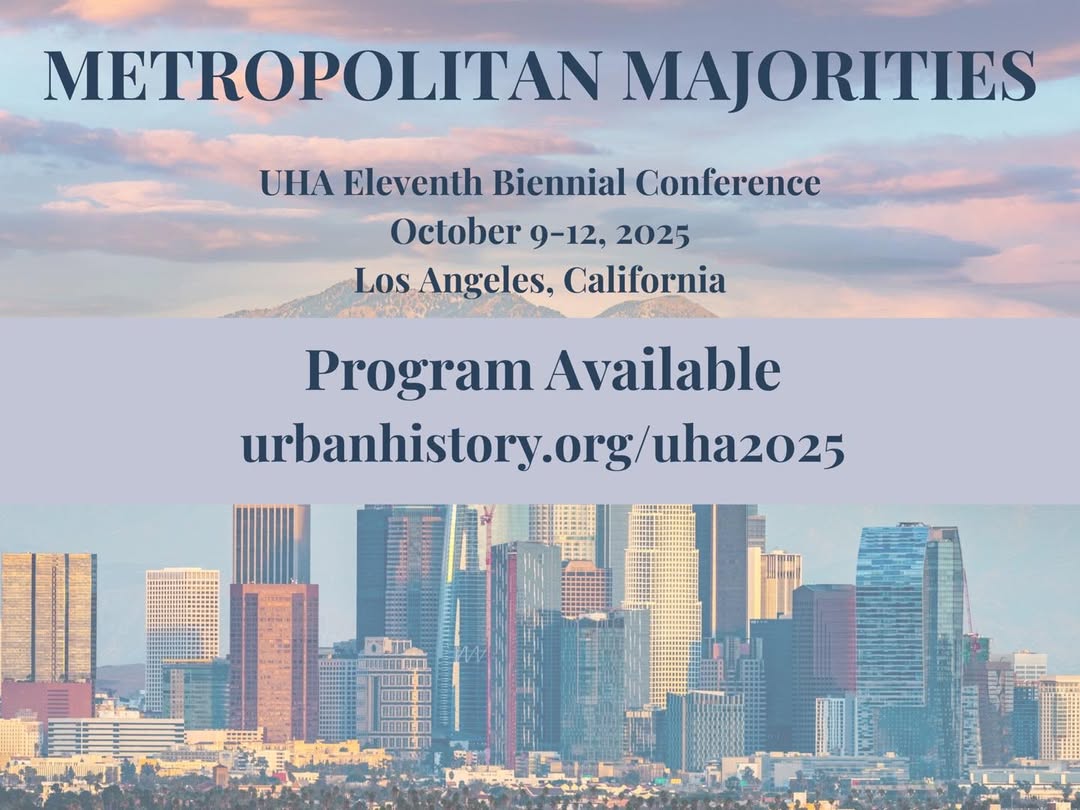
I’m on a panel recognizing the legacy of Mike Davis with writer legends Carolina A. Miranda, Kyle Paoletta, David Kipen, and Mike The PoeT Sonksen at the Urban History Association Conference 2025 in Los Angeles. More to come soon.
Join us on Saturday, October 11th, 1:15-2:45pm at the Biltmore Hotel in Downtown LA.
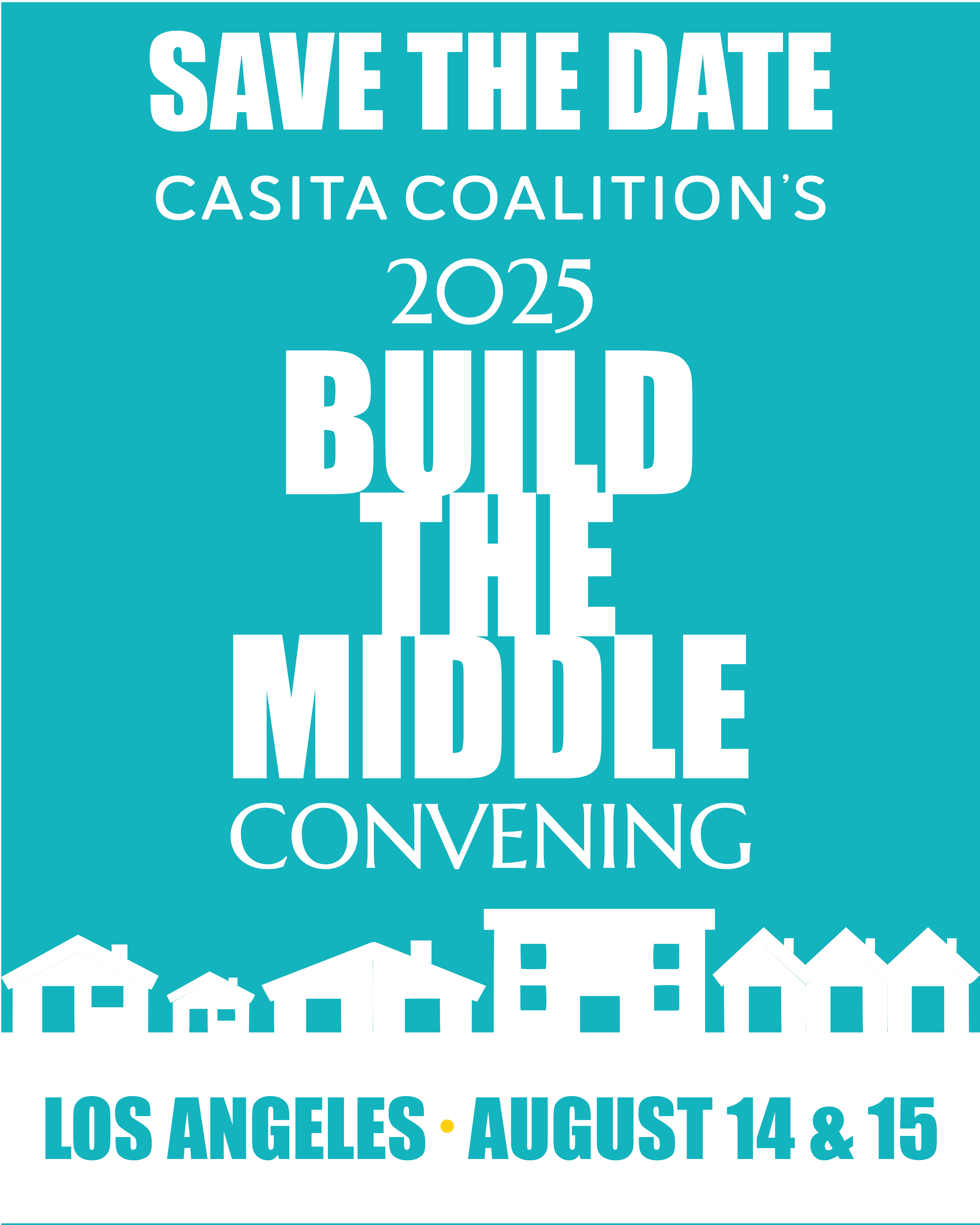
Save the Date! Join Casita Coalition for the 2025 Build the Middle Convening, happening: August 14–15 in Los Angeles! Mark your calendar. Follow for details. Let’s build what’s next.
Roles of Place Design Between Conventional and Student Housing in South Central Los Angeles. By: Osvaldo Martinez
Celebrating the graduates in my 2024 Senior Project class at Cal Poly Pomona Department of Urban and Regional Planning. Today we uplift this researcher:
Roles of Place Design in Creating a Sense of Community Between Conventional Homes and Student Housing in South Central Los Angeles
By: Osvaldo Martinez
Abstract:
For the last 4 to 5 years, the community around the University of Southern California in South Central LA has experienced an increase in student housing development where conventional, longtime residents live. This development wave not only introduces student housing in new neighborhoods but also implements unprecedented design that strays from existing neighborhood architectural styles and densities. This phenomenon raises the question of how these new forms of student housing affect residents’ perceptions of community identity, and how it affects community interactions with USC students.
Through qualitative research, I interviewed residents about new housing design and social interactions with USC students to understand the role of place design in creating a cohesive community. Residents agreed that the new forms of student housing should align with the community’s existing architectural styles, and that new student housing is being built to profit from the student market. Many residents felt that housing developers were intentional about creating a brand within the neighborhood rather than making developments that contribute to the neighborhood.
Osvaldo presenting at the 2024 Cal Poly Pomona Urban & Regional Planning Senior Projects Day. Photo: Jonathan Pacheco Bell
Planning For The Prestigious Poor. A Critical Analysis of Cal Poly Pomona’s Initiatives Addressing Student Homelessness and Housing Instability. By: Eileen Ramos
Celebrating the graduates in my 2024 Senior Project class at Cal Poly Pomona Department of Urban and Regional Planning. Today we uplift this researcher:
Planning for the Prestigious Poor: A Critical Analysis of Cal Poly Pomona’s Initiatives Addressing Student Homelessness and Housing Instability
By: Eileen Ramos
Excerpt:
This study assesses the ability of housing-insecure college students at Cal Poly Pomona to access support services to meet their needs. It identifies successes, limitations, and areas of improvement within the existing support system.
I will be coining the term the ‘prestigious poor’ in this research, which is in conversation with the concept of The Privileged Poor coined by Anthony Abraham Jack. Jack explores, “the experiences of those who live in poor, often segregated communities but enter college from elite boarding, day, and preparatory schools like Exeter, Choate, or Dalton those whom I call the Privileged Poor.” In contrast, I approach “The Prestigious Poor” from the lens of the most disadvantaged and vulnerable student populations in any university setting. I define the “Prestigious Poor” as college students who lack basic necessities like housing and food while simultaneously working towards a degree to better their socioeconomic status. While the concept of the ‘privileged poor’ portrays the struggles faced by low-income students in contrast to their Ivy League legacy wealthy students, the ‘prestigious poor’ encompasses all disadvantaged students facing critical disruptive instability like homelessness compared to secure students.
Questions driving this research are: “Do the resources provided by Cal Poly Pomona fulfill the needs of students facing housing instability?” and “How can Cal Poly Pomona make these resources more accessible to students in need?”
Eileen presenting at the 2024 Cal Poly Pomona Urban & Regional Planning Senior Projects Day. Photo: Jonathan Pacheco Bell




You must be logged in to post a comment.