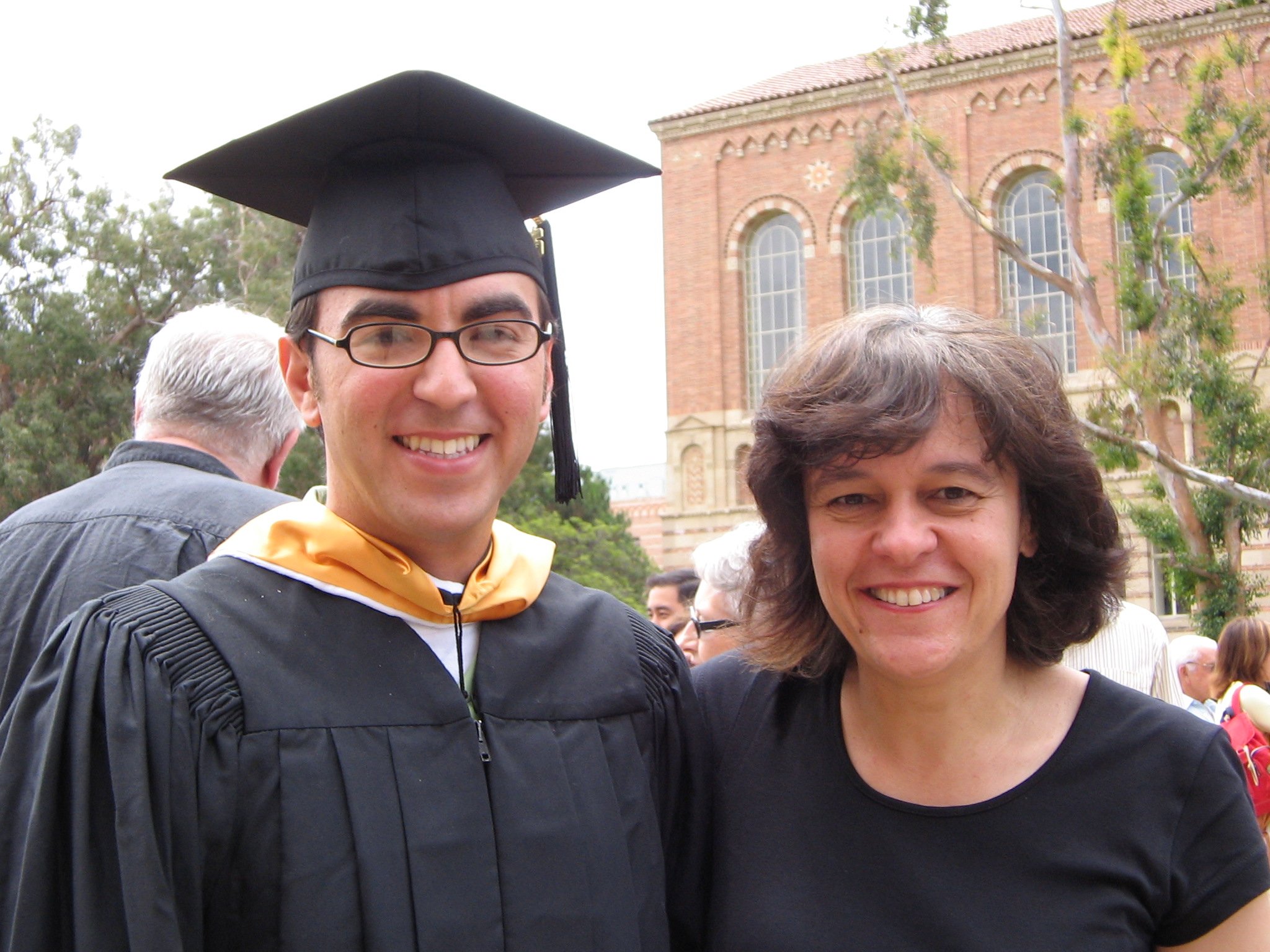
With my advisor and mentor Professor Anastasia Loukaitou-Sideris on graduation day at UCLA Urban Planning, June 17, 2005. [Photo by Jonathan Pacheco Bell]
My background in architecture and political science has made me particularly interested in researching issues of equality, justice, and security in the built environment. As an urban planning student, I aim to bridge my previous work in architectural design with my more recent study of politics in order to comprehend the interrelated social, political, economic, and cultural forces that shape the built environment. To this end, I propose to research the following subjects: 1) the process of ghettoization, particularly in the communities of East and South Central Los Angeles; 2) the impact of de facto and de juresegregation on residential housing patterns in Los Angeles; 3) the effectiveness of urban design strategies in revitalizing inner city communities; 4) the privatization and gentrification of downtown public space; 5) the history of Oscar Newman’s Defensible Space crime-prevention theory and the effectiveness of Crime Prevention Through Environmental Design (CPTED) methods in reducing crime in inner city communities; and 6) the development of Urban Realism, Richard Carson’s post-New Urbanist theory that calls for increased urban security design in the aftermath of the September 11, 2001 terrorist attacks. I anticipate working with Professors Anastasia Loukaitou-Sideris, Evelyn Blumenberg, and Vinit Mukhija, whose research on privatization and security in inner city communities, spatial structures and economic inequality, and urban design and neighborhood revitalization, respectively, compliments my own interests.
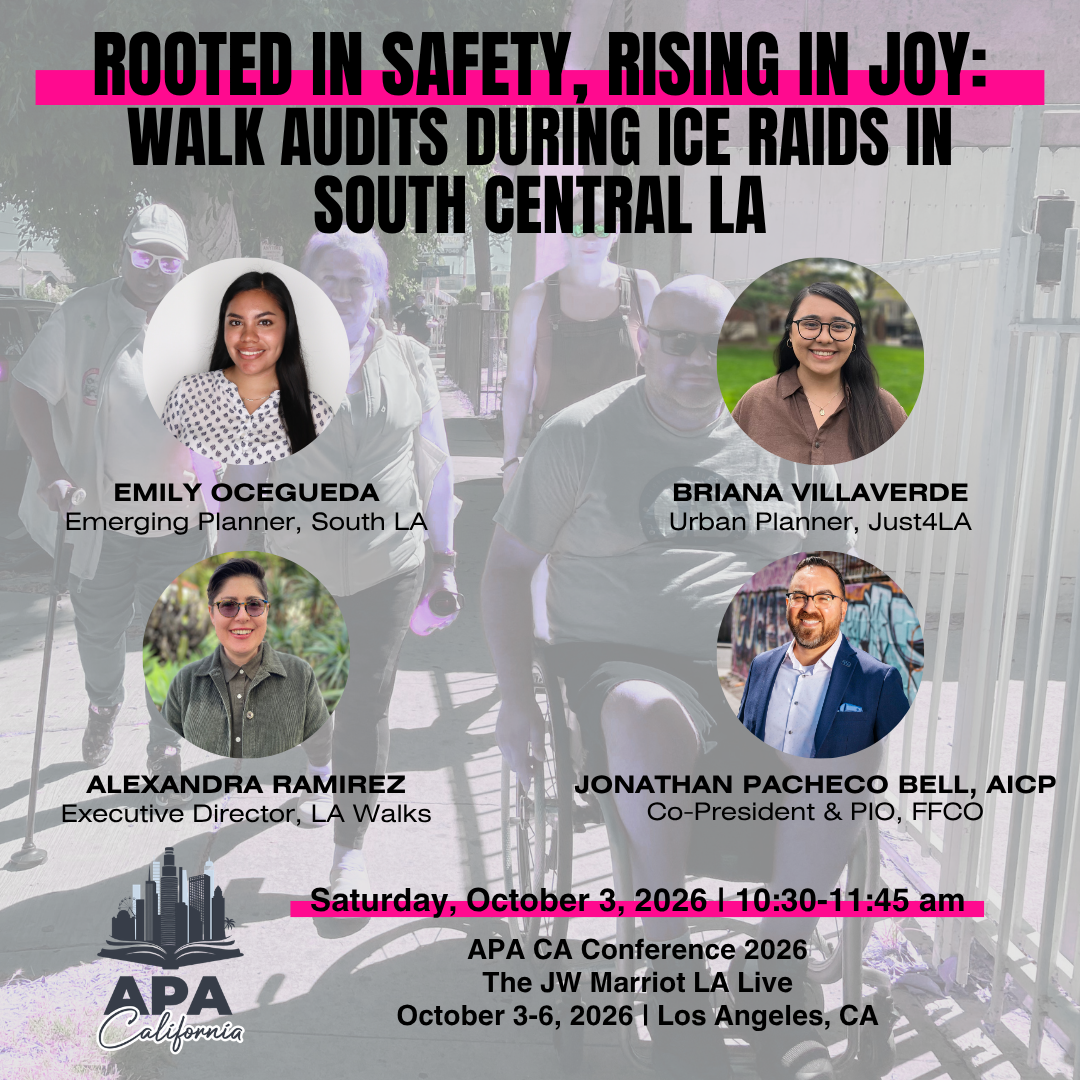
Rooted in Safety, Rising in Joy: Walk Audits During ICE Raids in South Central LA
Saturday, October 3, 2026, 10:30-11:45 a.m. | APA CA Conference 2026, Los Angeles, CA
Speakers:
– Emily Ocegueda: Emerging Planner, Florence-Firestone resident, Walk + Roll Audit participant, UCI Urban Studies graduate
– Briana Villaverde: Urban Planner, Just4LA
– Alexandra Ramirez: Executive Director, Los Angeles Walks
– Jonathan Pacheco Bell, AICP: Co-President & PIO, Florence-Firestone Community Organization (moderator)
Session Summary (short):
How do we plan for safe streets during ICE raids? This session explores a Walk + Roll audit in Florence-Firestone in South Central LA centering joy, creativity, and safety over fear. Learn to use storytelling, reflection, and zine-making to turn walk audits into healing tools for mobility justice.
Session Summary (full):
How do we plan for safe streets when simply being in public space carries risk? In South Central LA’s Florence-Firestone community, active ICE enforcement disrupted a planned walk audit, forcing organizers and residents to reconsider not just how to assess streets, but what questions the assessment should begin with. Rather than centering the audit on traditional infrastructure deficiencies alone, Los Angeles Walks, Florence-Firestone Community Organization, the Vision Zero Artist in Residence, and community members grounded the process in a 7-Generation visioning exercise that asked: For whom are streets meant to be safe, and for what purposes?
This session shares how we restructured the Florence-Firestone Walk + Roll event to prioritize safety, community storytelling, and reflection before observation. Participants engaged in a facilitated walk that uplifted lived experiences, memory, and care – followed by a creative zine-making session that helped translate stories into shared values, priorities, and visions for safer streets. Infrastructure conditions were still observed but interpreted through a relational and cultural lens instead of a checklist.
Panelists will reflect on how this approach shifted facilitation, documentation, and outcomes, and what it revealed about safety, belonging, and accountability in communities facing surveillance and displacement. The session highlights both the possibilities and limits of vision-centered engagement in mobility planning.
Learning Objectives:
– Explore a dual “Walk and Van Ride” audit model to accommodate safety and mobility needs and ensure that seniors, undocumented residents, and other vulnerable community members can participate comfortably in analyzing and documenting neighborhood conditions.
– Learn techniques to lead walk + roll audits that empower community members to engage, reflect, and share their lived experiences with mobility issues in a safe and supportive communal environment.
– Learn how facilitated walk + roll audits can center community stories, memory, and lived experience as valid forms of planning knowledge alongside physical and technical observations.
– Identify ways to reinterpret traditional walk + roll audit findings through a community-defined lens of care, joy, and belonging.
– Recognize how vision-centered engagement can inform Vision Zero efforts by clarifying whose safety is prioritized and how community knowledge can shape problem framing within capital infrastructure and inter-agency processes.
Equity Session Statement:
This session examines how planning can adapt when immigration enforcement makes public spaces unsafe. Drawing from a Walk + Roll event in Florence-Firestone, it centers lived experience across race, immigration status, disability, language, and age. Grounded in 7-Generation visioning, storytelling, and creative documentation, we show how traditional planning tools can exclude disadvantaged communities, and how care-centered approaches can better inform safer streets and Vision Zero efforts.
Thank you to Kateri Gutierrez, MBA for the cathartic interview and spotlight on my trajectory advancing Embedded Planning Praxis while carefully balancing altruism, work, and life. Read more in newsletter, The Fulcrum: Work. Purpose. Balance.
In my recent guest talk, “Critical Public Space Planning: Challenges & Possibilities,” we explored this question:
Is critical public space planning practice possible?
Drawing from my life experience — coming up as a hip hop kid & graffiti writer in the 90s, starting in architecture (buildings) in high school before finding urban planning (community spaces) in college, creating the street-level praxis of Embedded Planning in Florence-Firestone (now worldwide!), working as a street-level community planner-organizer, designing equitable parks and open spaces in LA, leading community walks for 10+ years, continuing a lifelong critique of Hostile Architecture from my graffiti days to today — I argued YES.
Shout out to Professor Catherine Guentert and CPPURP urban design students for the space and debate.
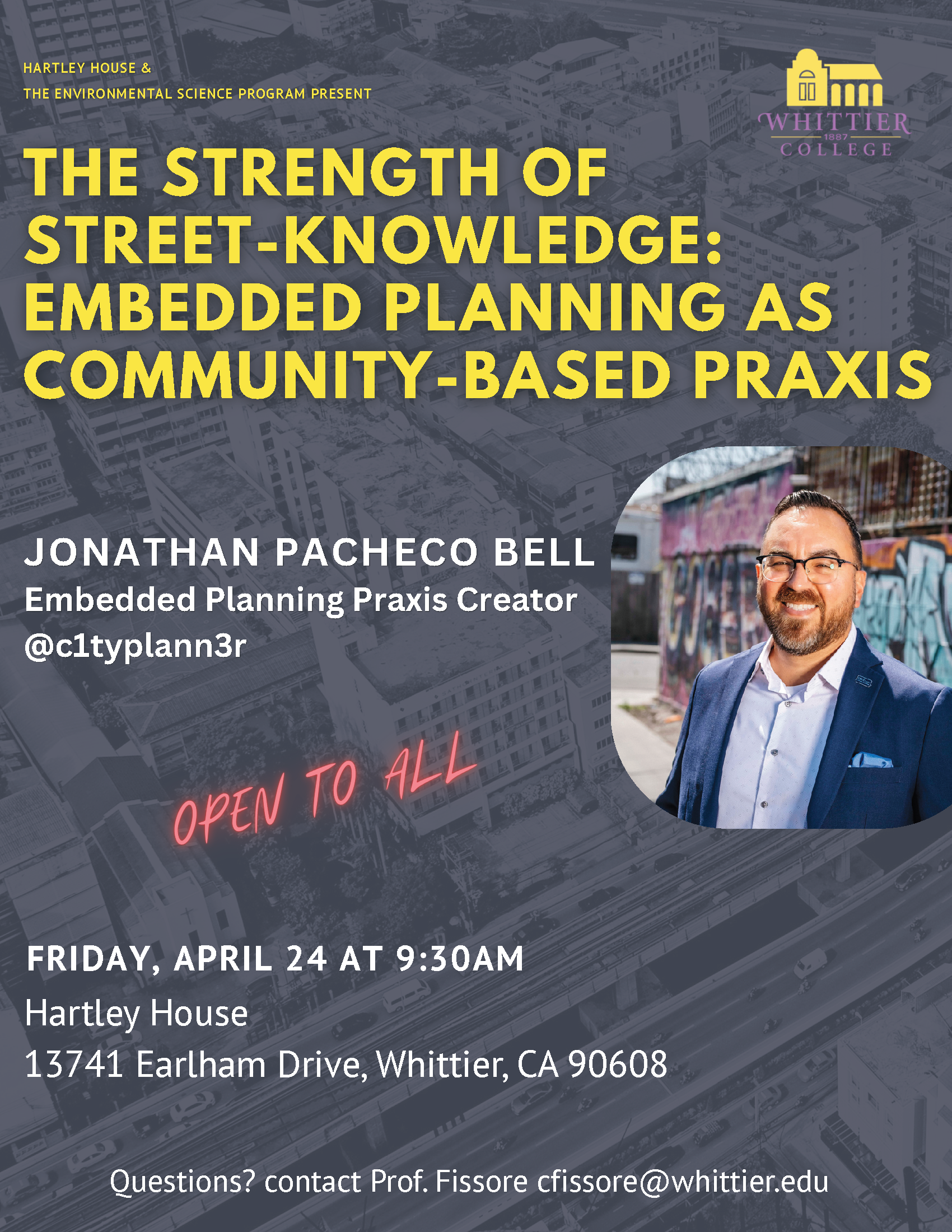
Big thanks to Professor Cinzia Fissore, environmental science students, and the Hartley House at Whittier College for hosting my guest talk, “The Strength of Street Knowledge: Embedded Planning as Community-Based Praxis.”
And shout out to my community members and former MURP students for coming through! It’s always reassuring to see friendly faces in the audience.
Embedded Planning Praxis is coast-to-coast and well beyond, with practitioners from Mexico and Brasil. This little idea born on the streets of Florence-Firestone in South Central LA is now a worldwide movement.
Shout out to our friends at the nonprofit Architecture + Advocacy for joining us on a community walk in Florence-Firestone.
We embrace sharing the social history of this unincorporated community, street-level stories of urban planning and architecture, along with local struggles, challenges, and wins.
We see clear mission alignment in A+A’s design justice work, our Embedded Planning advocacy at the Florence-Firestone Community Organization, and A+A/FFCO’s shared goal of community partnerships.
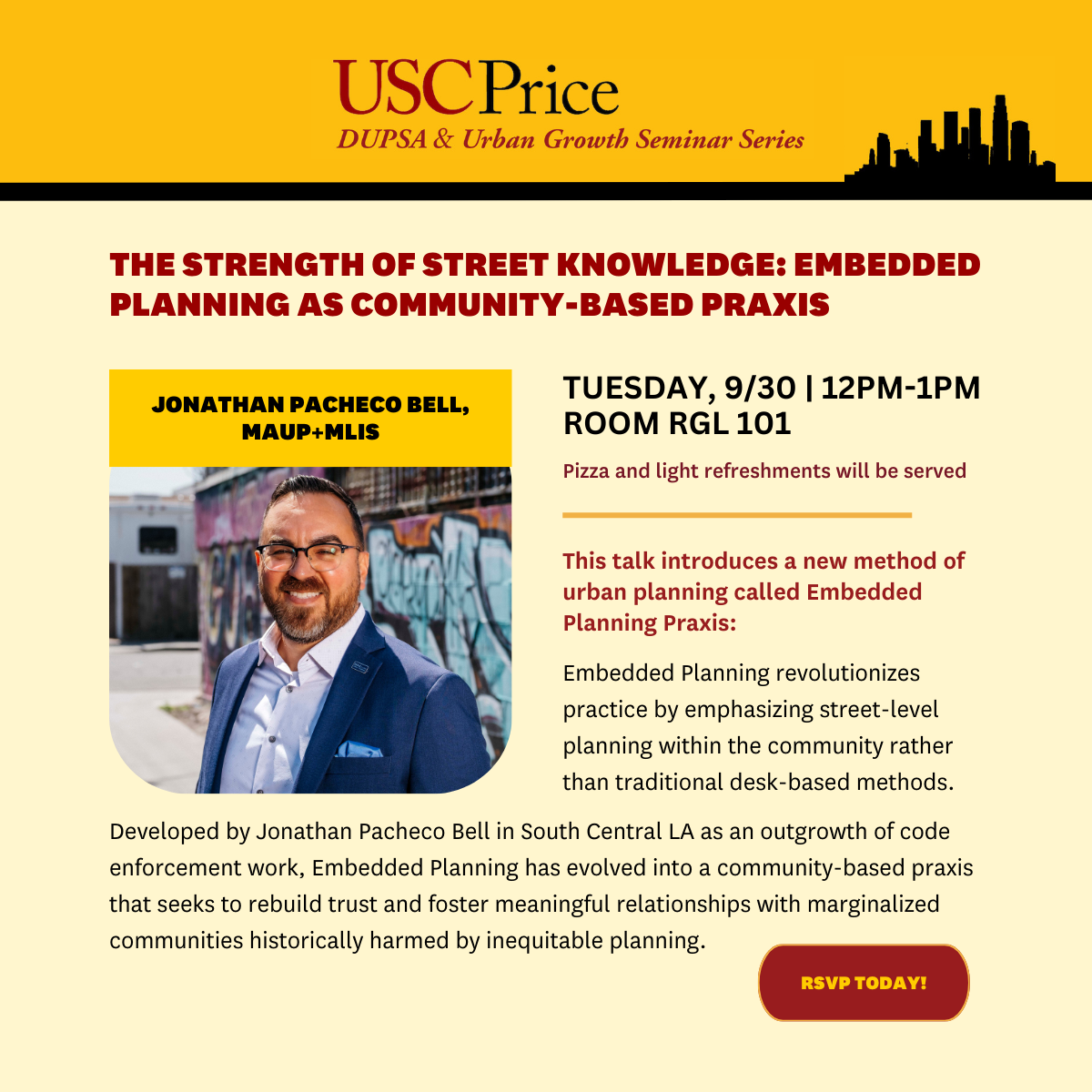
The Strength of Street Knowledge: Embedded Planning as Community-Based Praxis
This talk introduces a new method of urban planning called Embedded Planning Praxis. Embedded Planning revolutionizes practice by emphasizing street-level planning within the community rather than traditional desk-based methods. Developed by Jonathan Pacheco Bell in South Central LA as an outgrowth of code enforcement work, Embedded Planning has evolved into a community-based praxis that seeks to rebuild trust and foster meaningful relationships with marginalized communities historically harmed by inequitable planning.
Embedded Planning is working directly from community spaces and places. Embedded planners engage residents in everyday environments, evolving practice from desk-based policy formation to on-the-ground collaboration in and from the neighborhood. This immersive approach helps planners gain a deeper understanding of local needs and aspirations, ensuring that community voices and needs significantly shape planning decisions. Embedded Planning is a timely evolution in the field that aligns with growing calls for more equity-centered, place-based, participatory practices. By embedding themselves into neighborhoods, planners build strong and authentic relationships, moving beyond one-off, transactional consultations to create lasting and impactful partnerships.
Using a reflective practitioner framework, Jonathan will illustrate what Embedded Planning looks like, explain its role as his motivating throughline, highlight embedded planners implementing these inclusive methods coast to coast, while highlighting the challenges and benefits of this praxis. Attendees will learn how this emerging movement represents a crucial shift towards centering planning as an active and continuous process from within the community and represents the future of planning.
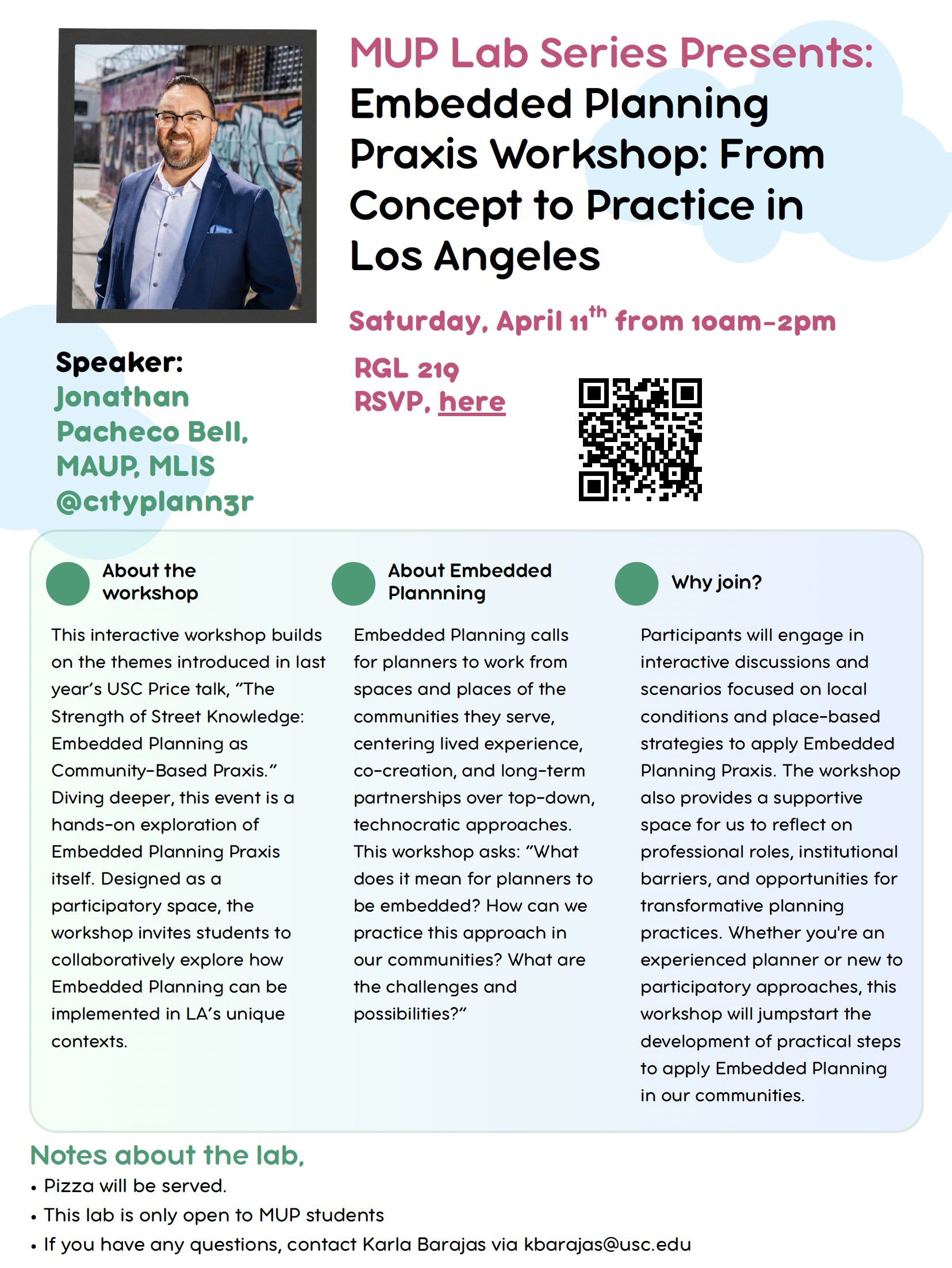
Embedded Planning Praxis Workshop: From Concept to Practice in Los Angeles
This interactive workshop builds on the themes introduced in last year’s USC Price talk, “The Strength of Street Knowledge: Embedded Planning as Community-Based Praxis.” Diving deeper, this event is a hands-on exploration of Embedded Planning Praxis itself. Designed as a participatory space, the workshop invites students to collaboratively explore how Embedded Planning can be implemented in LA’s unique contexts.
Embedded Planning calls for planners to work from spaces and places of the communities they serve, centering lived experience, co-creation, and long-term partnerships over top-down, technocratic approaches. This workshop asks: “What does it mean for planners to be embedded? How can we practice this approach in our communities? What are the challenges and possibilities?”
Participants will engage in interactive discussions and scenarios focused on local conditions and place-based strategies to apply Embedded Planning Praxis. The workshop also provides a supportive space for us to reflect on professional roles, institutional barriers, and opportunities for transformative planning practices. Whether you’re an experienced planner or new to participatory approaches, this workshop will jumpstart the development of practical steps to apply Embedded Planning in our communities.
Speaker Bio
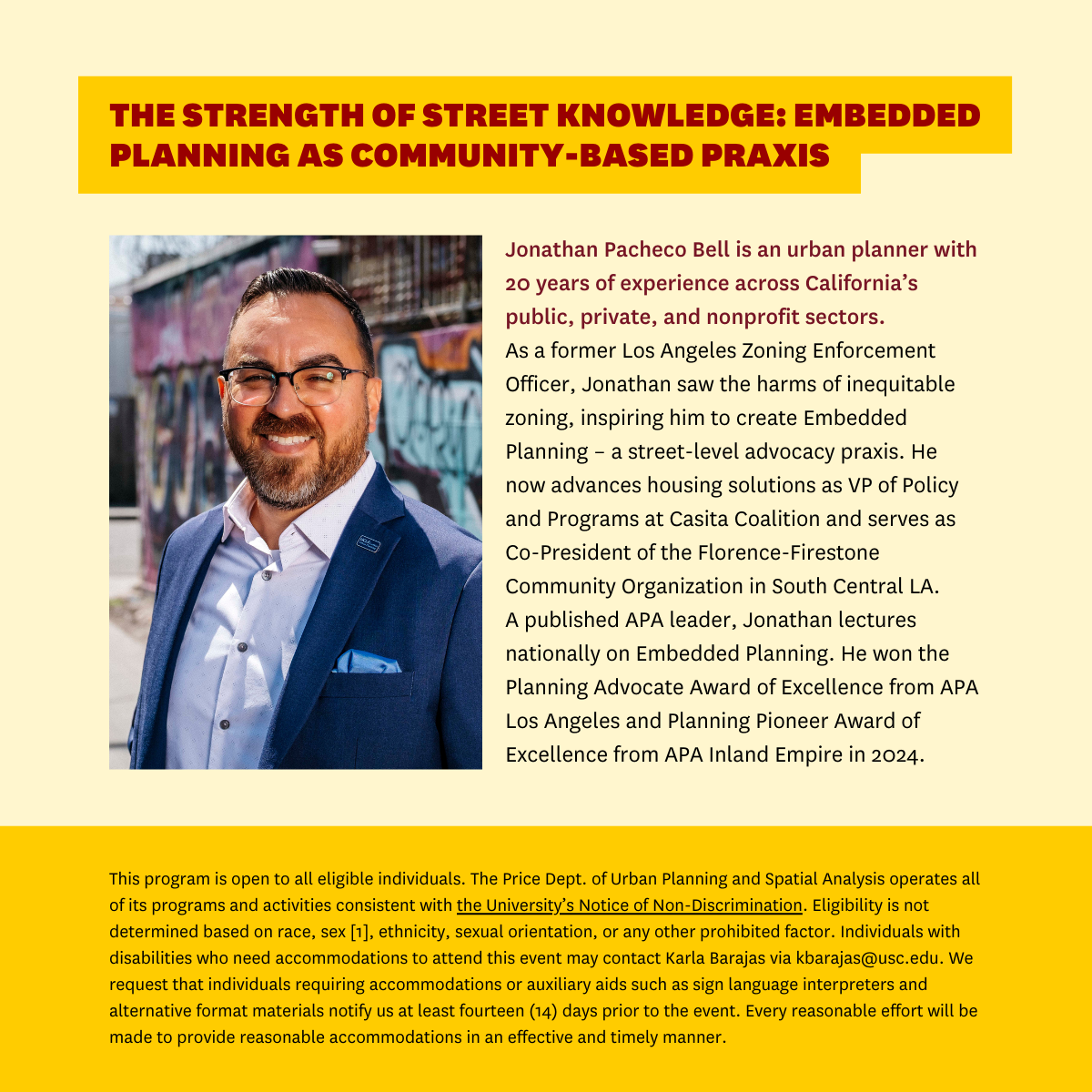
Jonathan Pacheco Bell (@c1typlann3r) is a Los Angeles-based urban planner with two decades of experience across the public, private, and nonprofit sectors. For 14 years, he worked on the ground as a Los Angeles County Zoning Enforcement Planner in South Central LA’s Florence-Firestone community. Witnessing the harms of inequitable zoning inspired him to create a new form of street-level planning advocacy called Embedded Planning Praxis. His street-level praxis has since become a movement spreading across the US and internationally. Today, Jonathan serves as Co-President of the nonprofit Florence-Firestone Community Organization – in the community where Embedded Planning was born.
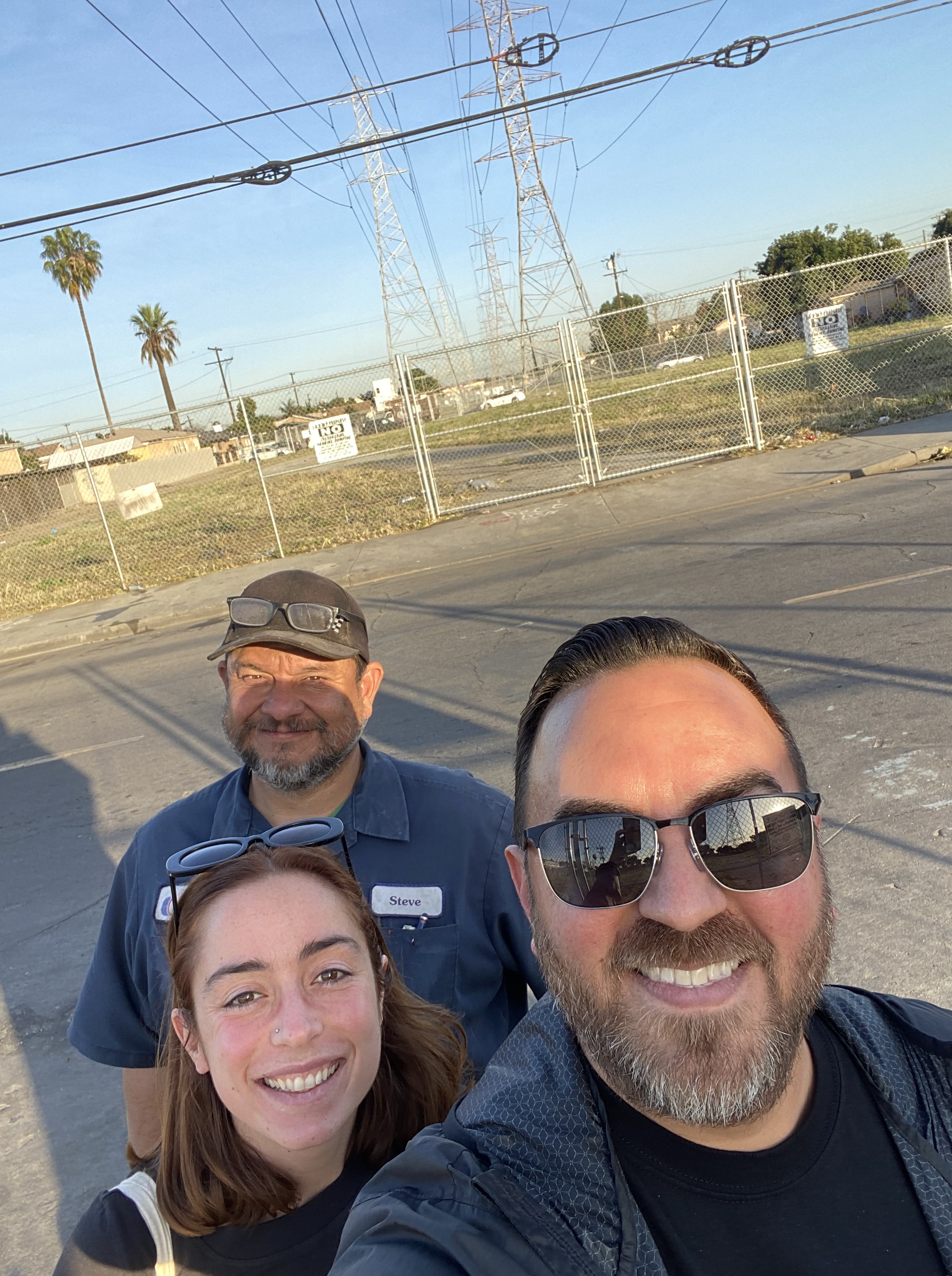
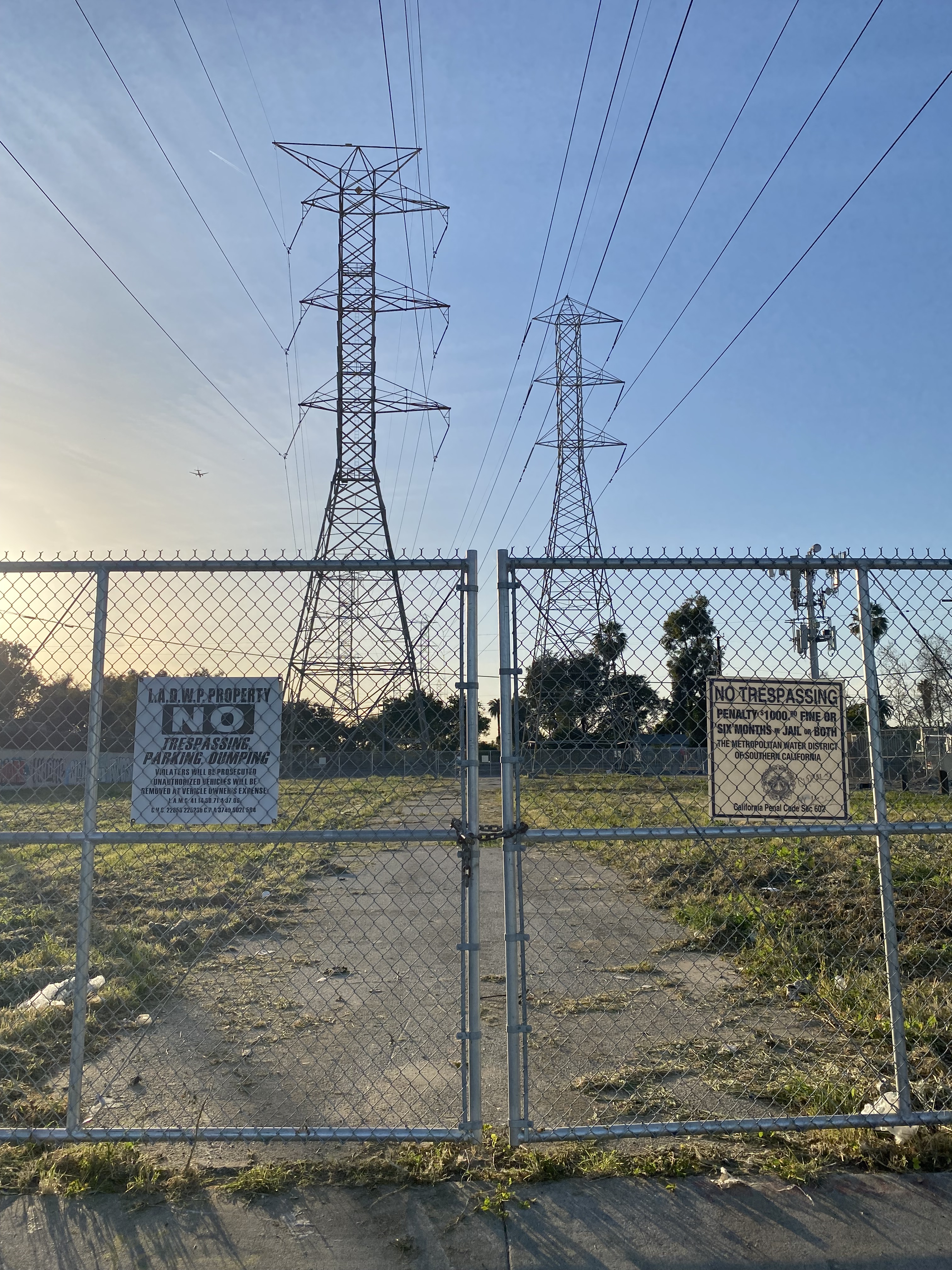
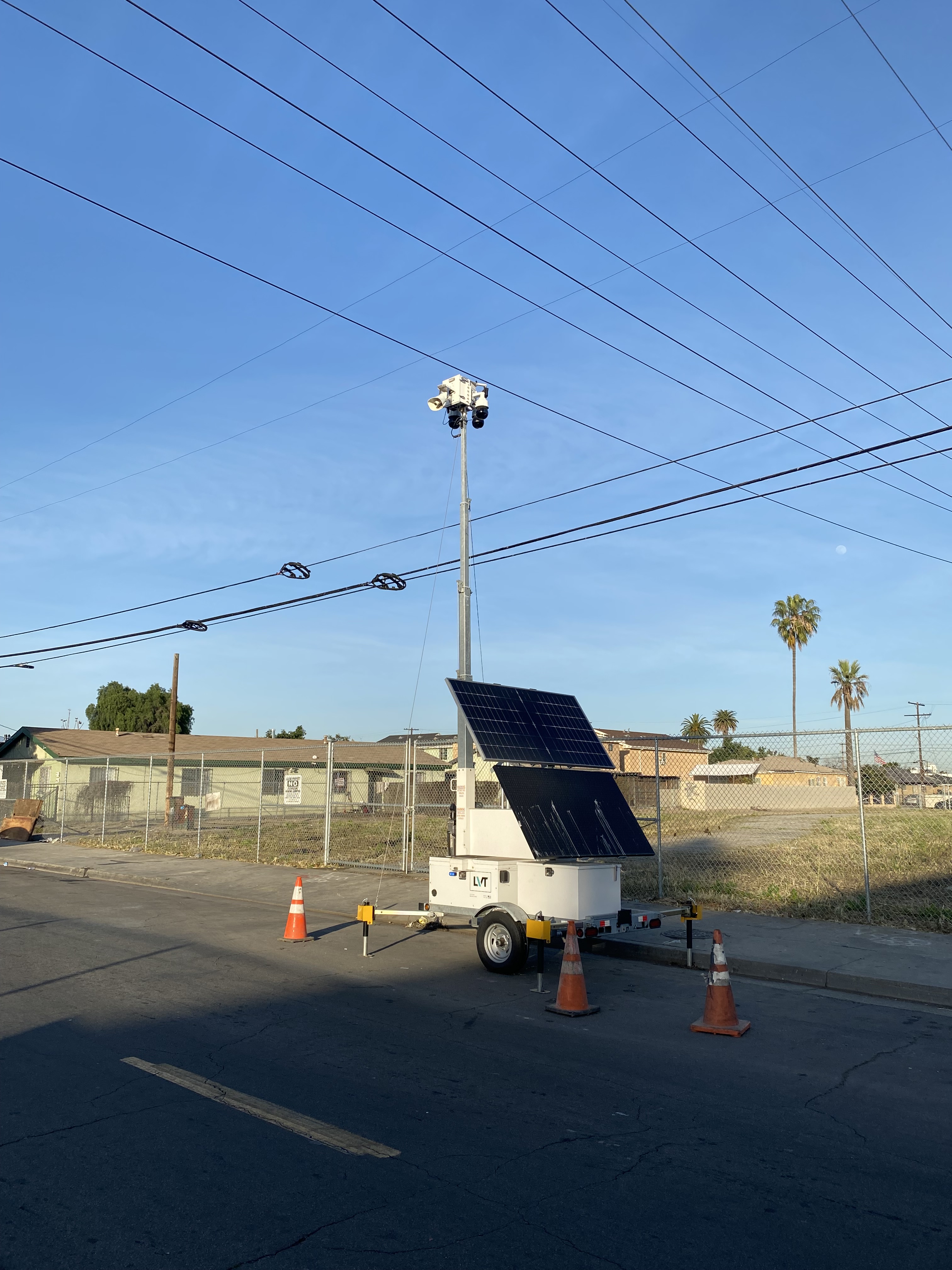
UCLA network in action! Jordan Grimaldi (MURP ‘26) is doing a master’s client project for City Fabrick analyzing utility right-of-ways in LA.
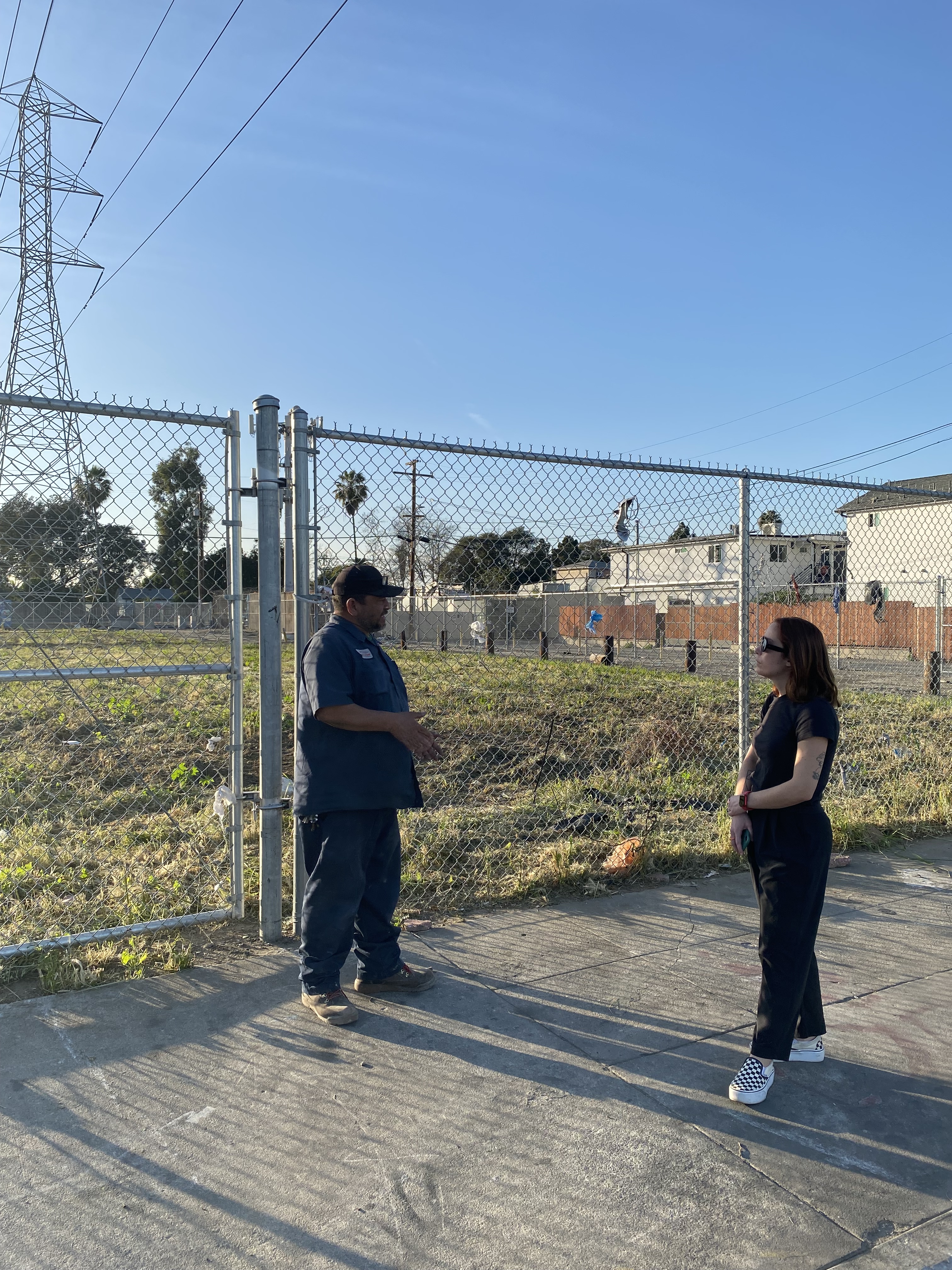
CF’s Alexander Jung, AICP (MURP ‘15) connected Jordan and me (MAUP ‘05) for deep background on the East 92nd Street utility right-of-way in Florence-Firestone.
Jordan interviewed me at the Florence-Firestone Community Organization office and then we visited the site, which is now the home of the future 92nd Street Linear Park via Los Angeles County Parks and Recreation!
I then connected Jordan with Yanel Sáenz (MPH ‘22) of the Friends of Washington and 92nd Street Park for additional community interviews about transforming this utility right-of-way into a park.
We will continue supporting Jordan’s community-based research and recommendations well after graduation.
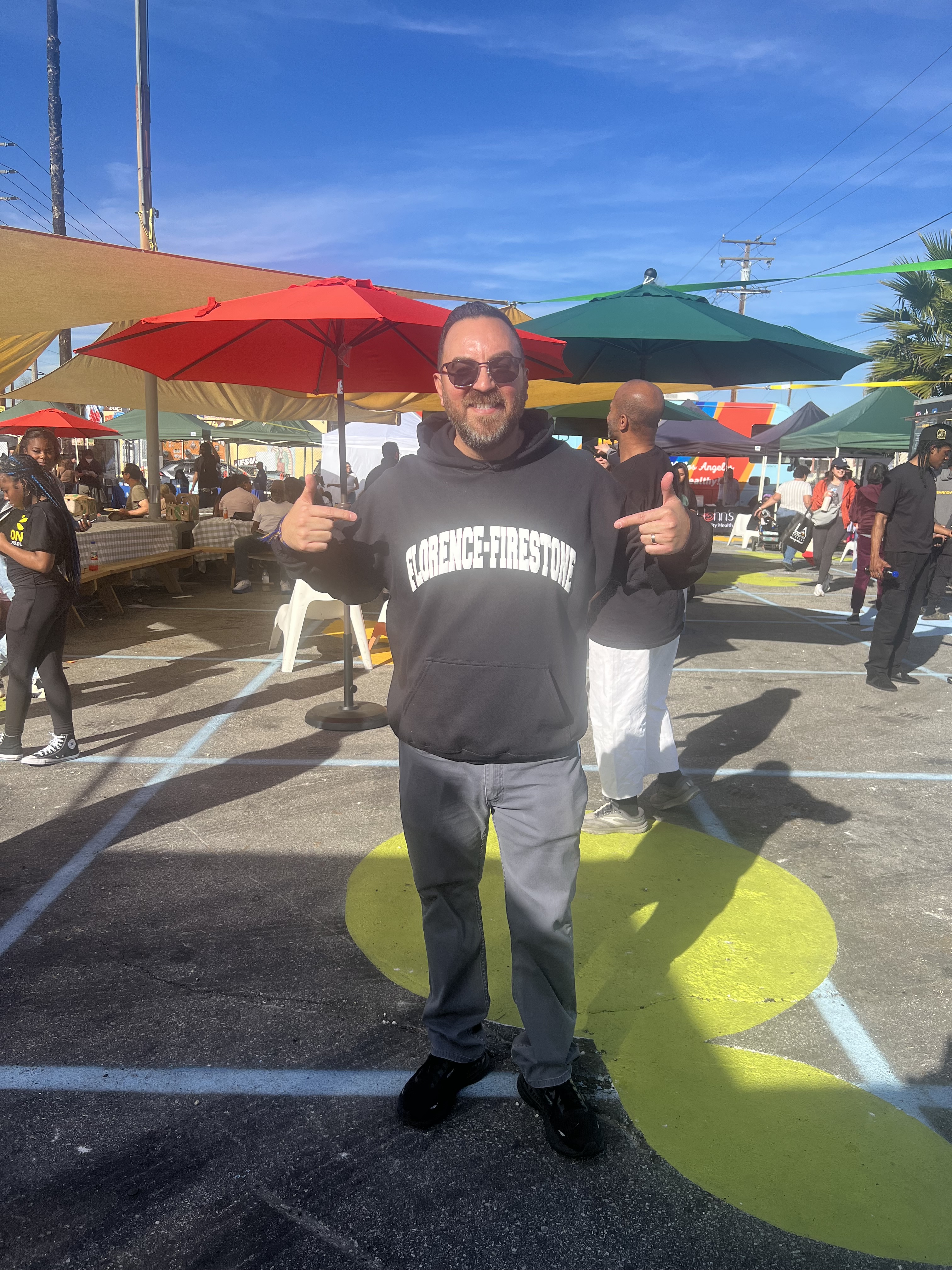
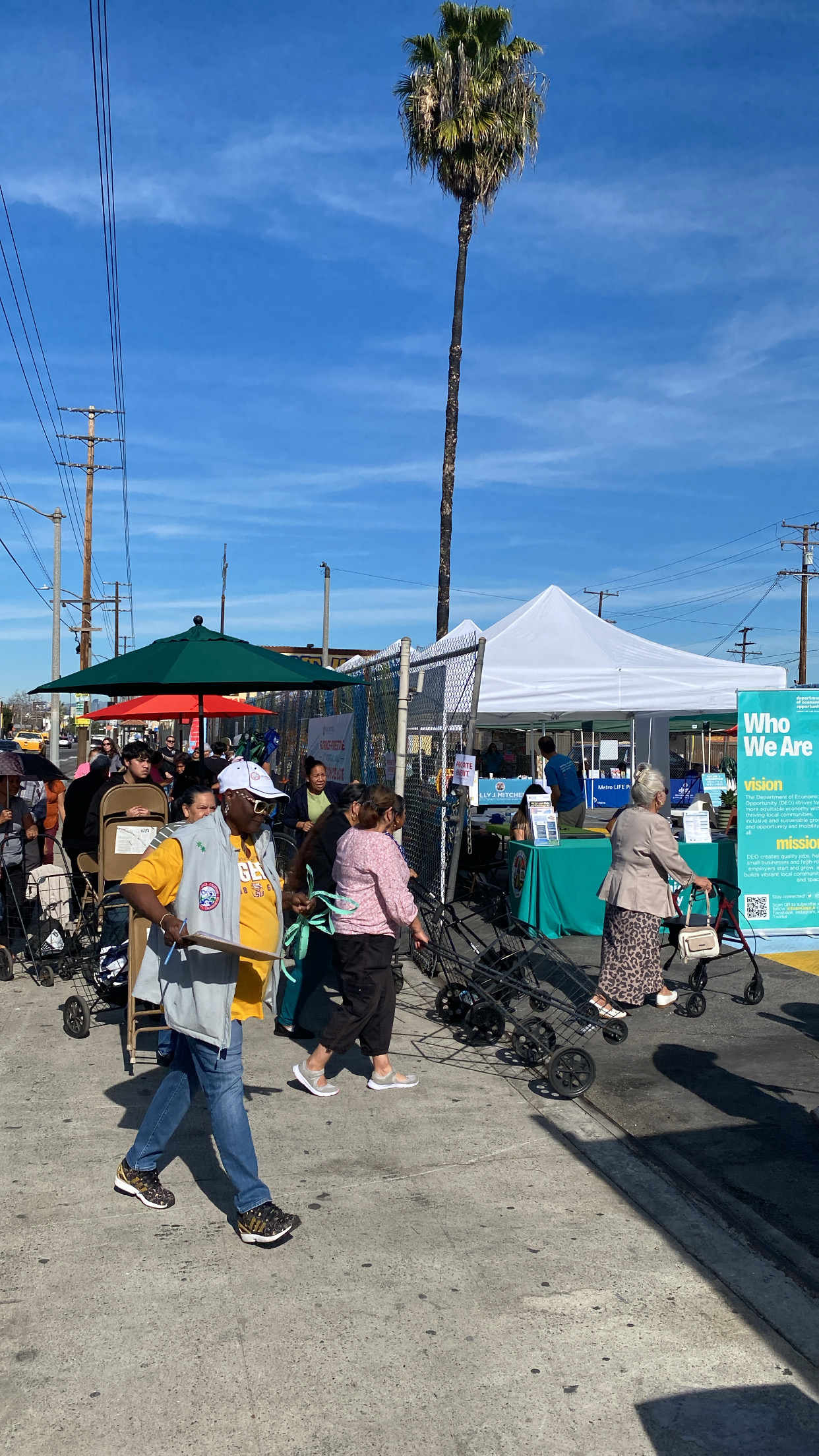
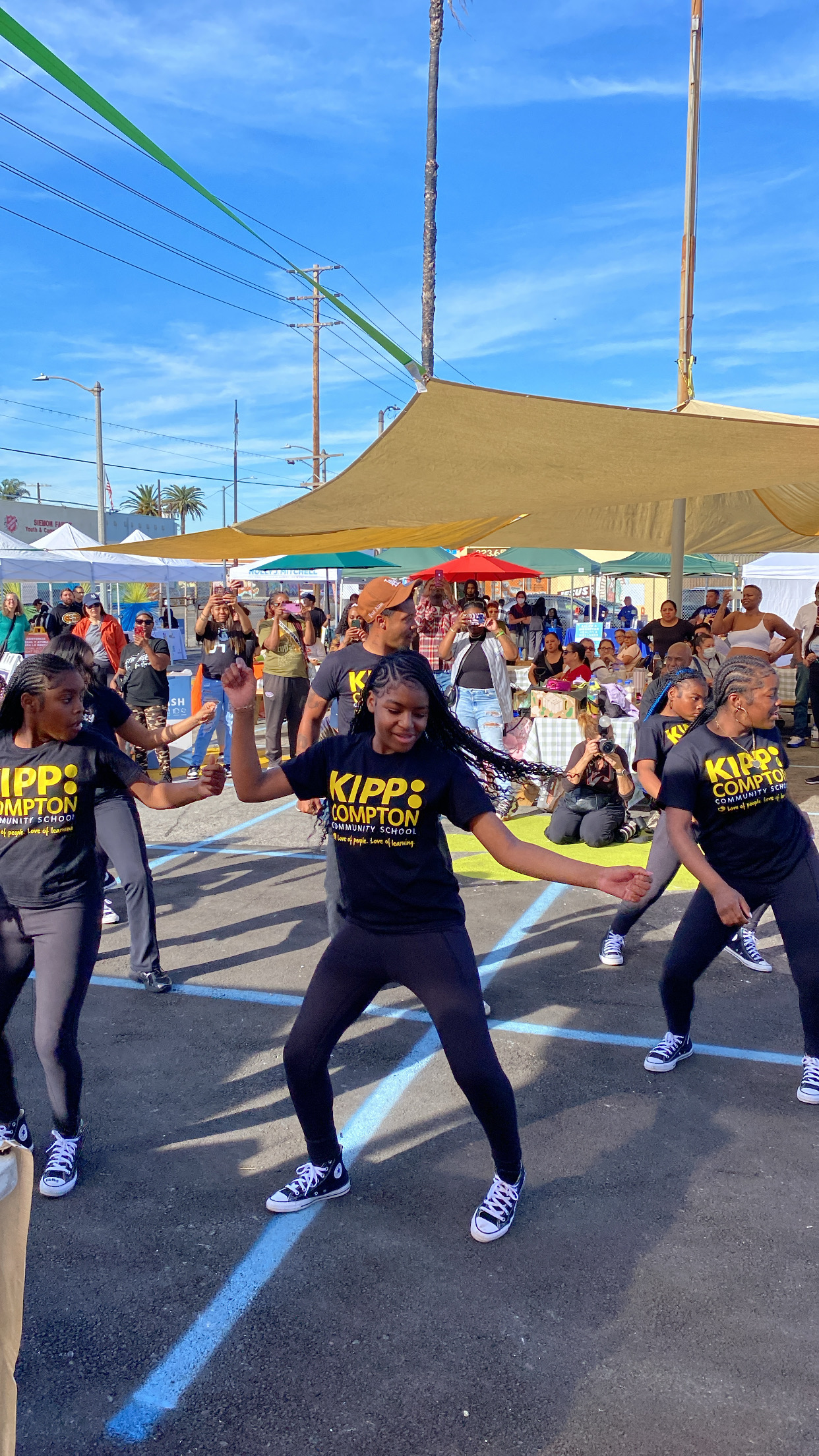
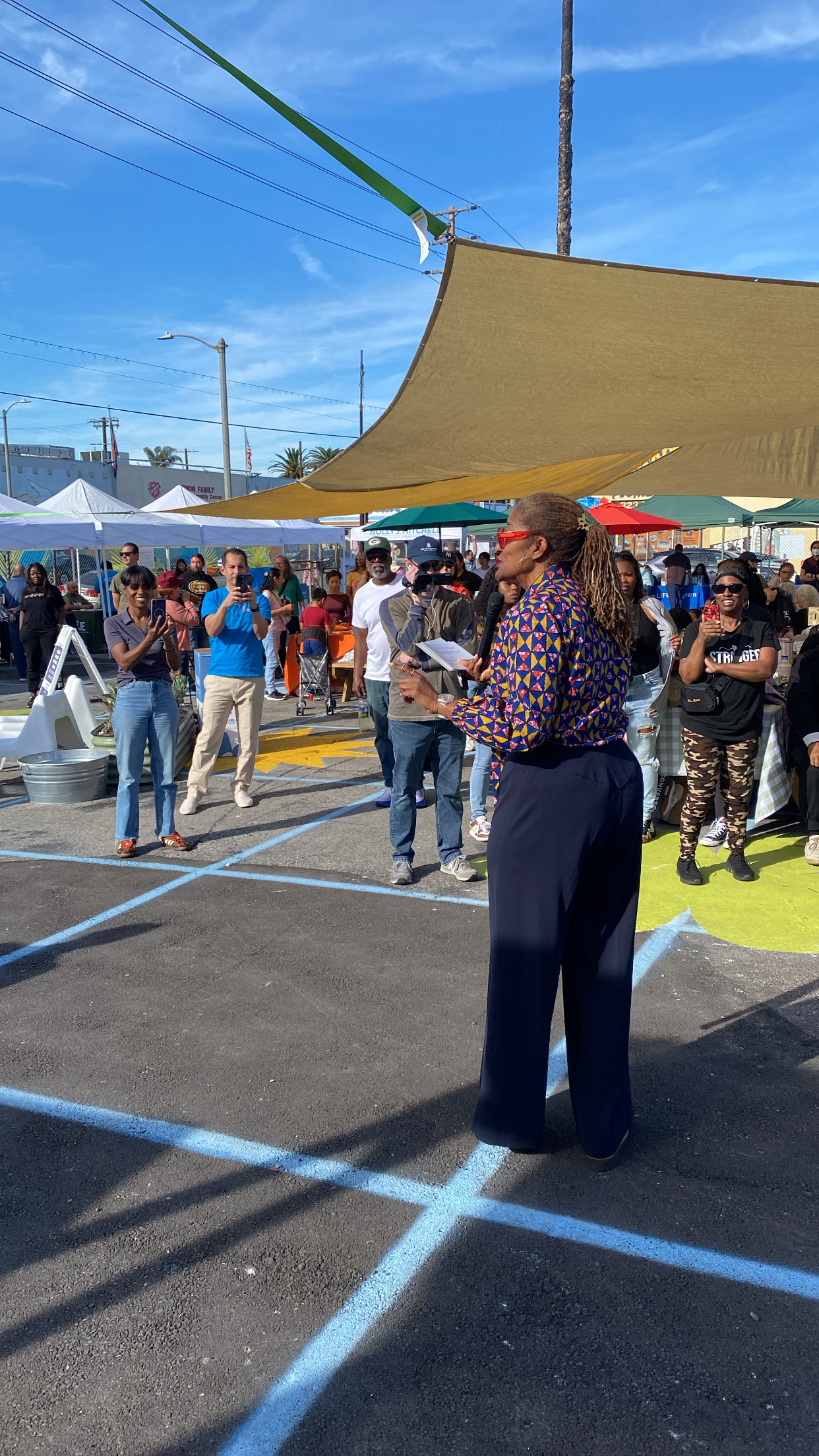
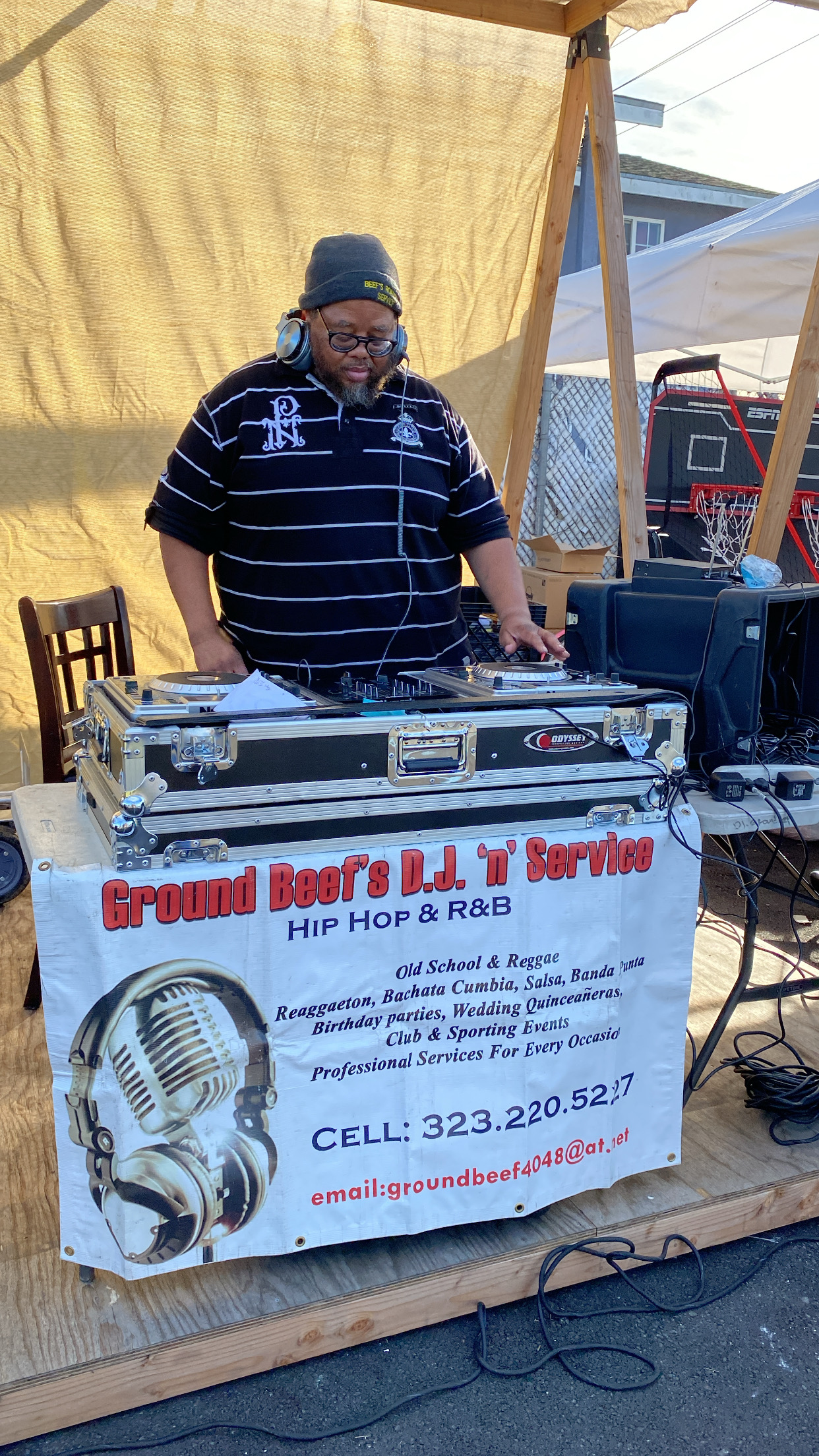
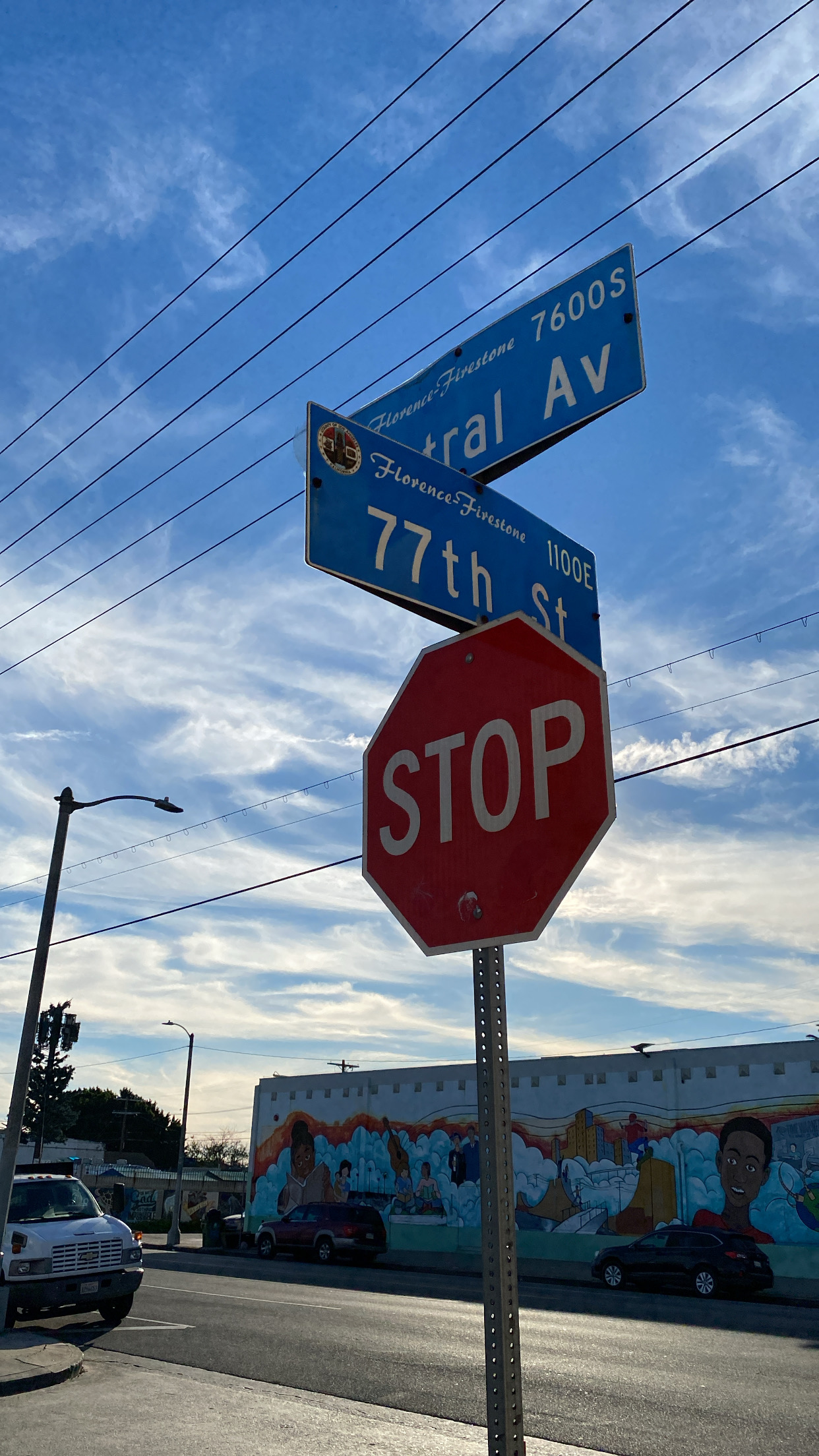
Thanks to everyone who attended our Central Avenue Vacant Lot Activation on January 17th, MLK Weekend. Big shout out to our Second District Supervisor Holly J. Mitchell and our Assemblymember Sade Elhawary for joining us! Much love to all the vendors and performers, especially the Compton Riot dance crew from Kipp Compton Community School.
Florence-Firestone community members will decide the future of this vacant lot.
We have one more activation in February, come through.
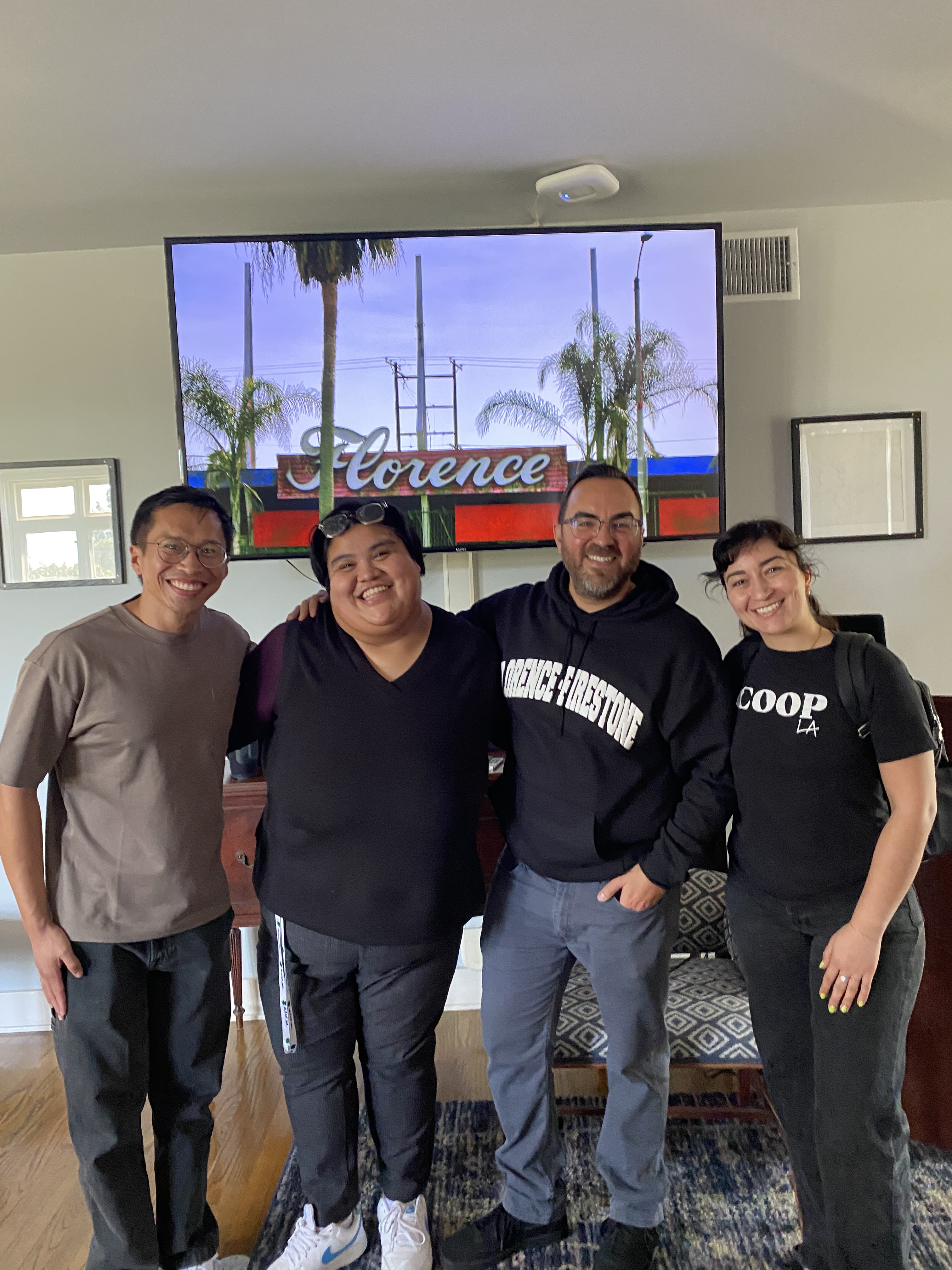
The Florence-Firestone Community Organization recently hosted friends from SELA and South Central LA to discuss a range of urban planning issues. We covered the Gateway Cities Regional Climate Collaborative, the origins and spread of Embedded Planning praxis, emerging on-the-ground partnerships, community advocacy in these tense times, and much more. That 95-degree heat wave underscored the urgency of community preparedness for climate change.
The Strength of Street Knowledge: Embedded Planning as Community-Based Praxis
This talk introduces a new method of urban planning called Embedded Planning Praxis. Embedded Planning revolutionizes practice by emphasizing street-level planning within the community rather than traditional desk-based methods. Developed by Jonathan Pacheco Bell in South Central LA as an outgrowth of code enforcement work, Embedded Planning has evolved into a community-based praxis that seeks to rebuild trust and foster meaningful relationships with marginalized communities historically harmed by inequitable planning.
Embedded Planning is working directly from community spaces and places. Embedded planners engage residents in everyday environments, evolving practice from desk-based policy formation to on-the-ground collaboration in and from the neighborhood. This immersive approach helps planners gain a deeper understanding of local needs and aspirations, ensuring that community voices and needs significantly shape planning decisions. Embedded Planning is a timely evolution in the field that aligns with growing calls for more equity-centered, place-based, participatory practices. By embedding themselves into neighborhoods, planners build strong and authentic relationships, moving beyond one-off, transactional consultations to create lasting and impactful partnerships.
Using a reflective practitioner framework, Jonathan will illustrate what Embedded Planning looks like, explain its role as his motivating throughline, highlight embedded planners implementing these inclusive methods coast to coast, while highlighting the challenges and benefits of this praxis. Attendees will learn how this emerging movement represents a crucial shift towards centering planning as an active and continuous process from within the community and represents the future of planning.
Speaker:
Jonathan Pacheco Bell is an urban planner with two decades of experience in California working across the public, private, and nonprofit sectors. For 14 years, he served as a Los Angeles Zoning Enforcement Officer building partnerships on the ground in communities of color. During this time, he witnessed the harms of inequitable zoning, inspiring him to create new forms of street-level planning advocacy —what he calls Embedded Planning Praxis.
Jonathan is the VP of Policy and Programs at Casita Coalition, a nonprofit that advocates for middle housing solutions. In addition to full-time practice, he volunteers as an Executive Board Member of the nonprofit Florence-Firestone Community Organization in South Central Los Angeles and was an Adjunct Professor at Cal Poly Pomona Department of Urban and Regional Planning from 2021-2025.
Jonathan has guest lectured nationally on Embedded Planning, with speaking engagements at Columbia University, Duke, Ohio State, University of Utah, Pratt Institute, Stanford Engineering, and UCLA; state and national APA Conferences in California, Iowa, Louisiana, and Indiana; and public forums such as AARP Livable Communities and the San Francisco Urban Film Fest.
A leader in the American Planning Association for over a decade, Jonathan is a member of the Latinos and Planning Division and is published in APA’s practitioner magazine, Planning. He previously served as APA Los Angeles section’s Social Media Director and was the Southern California representative on the APA National Social Equity Task Force.
Jonathan’s dedication to advocacy has earned him industry accolades, including the Planning Advocate Award of Excellence from APA Los Angeles and Planning Pioneer Award of Excellence from APA Inland Empire in 2024. He holds an MA in Urban Planning from UCLA Luskin and additional degrees in architecture, political science, and information science.
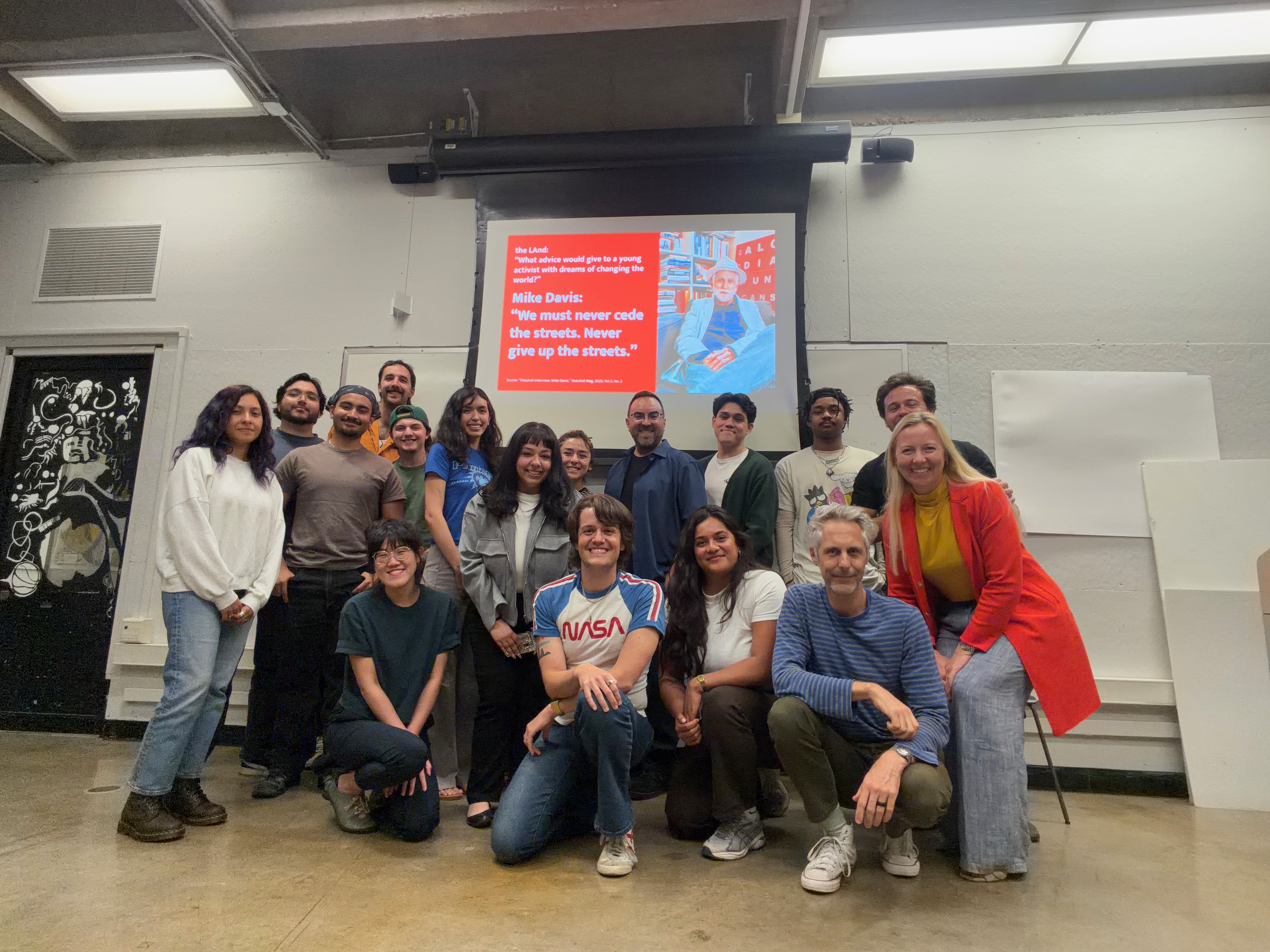
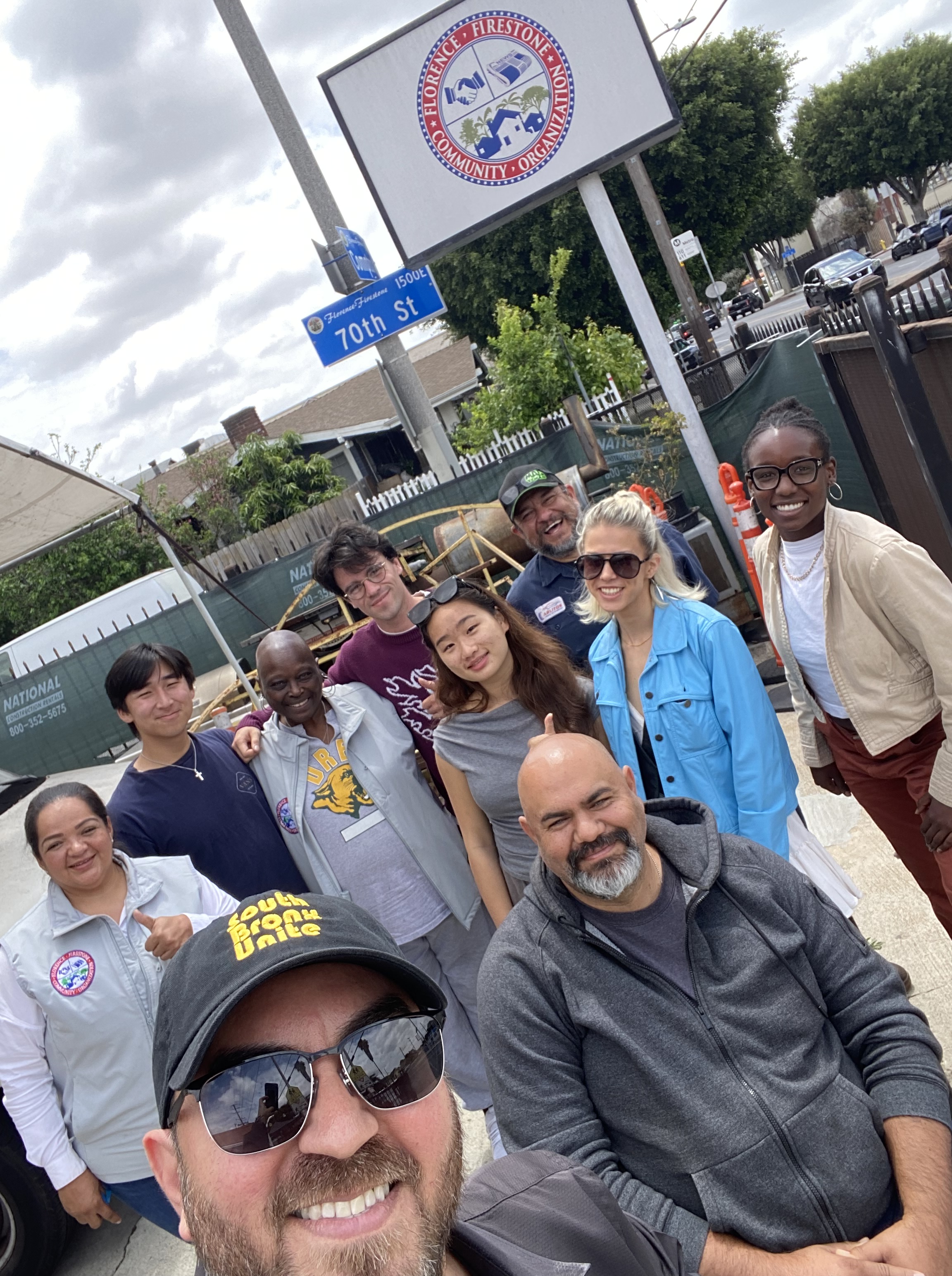
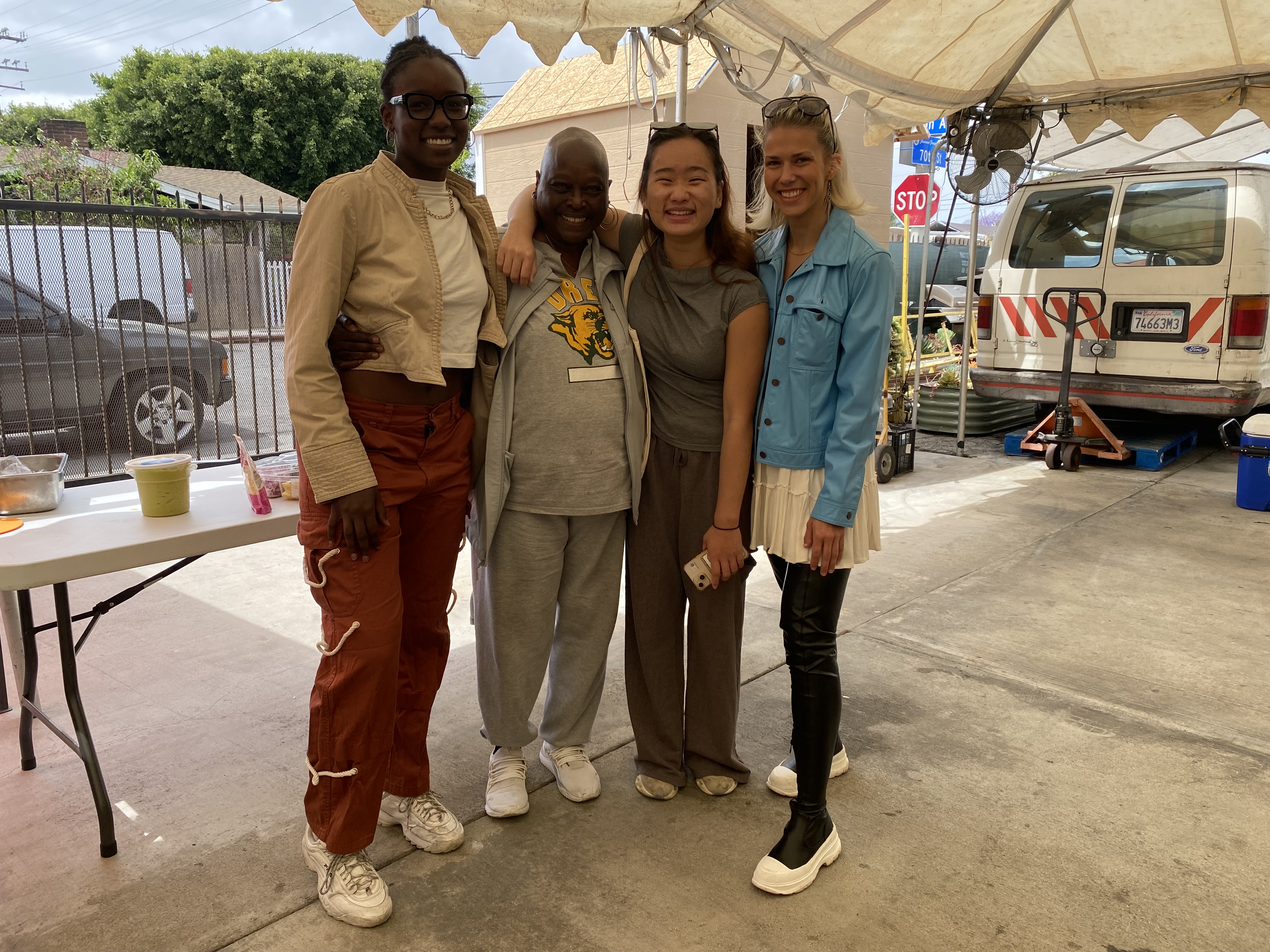
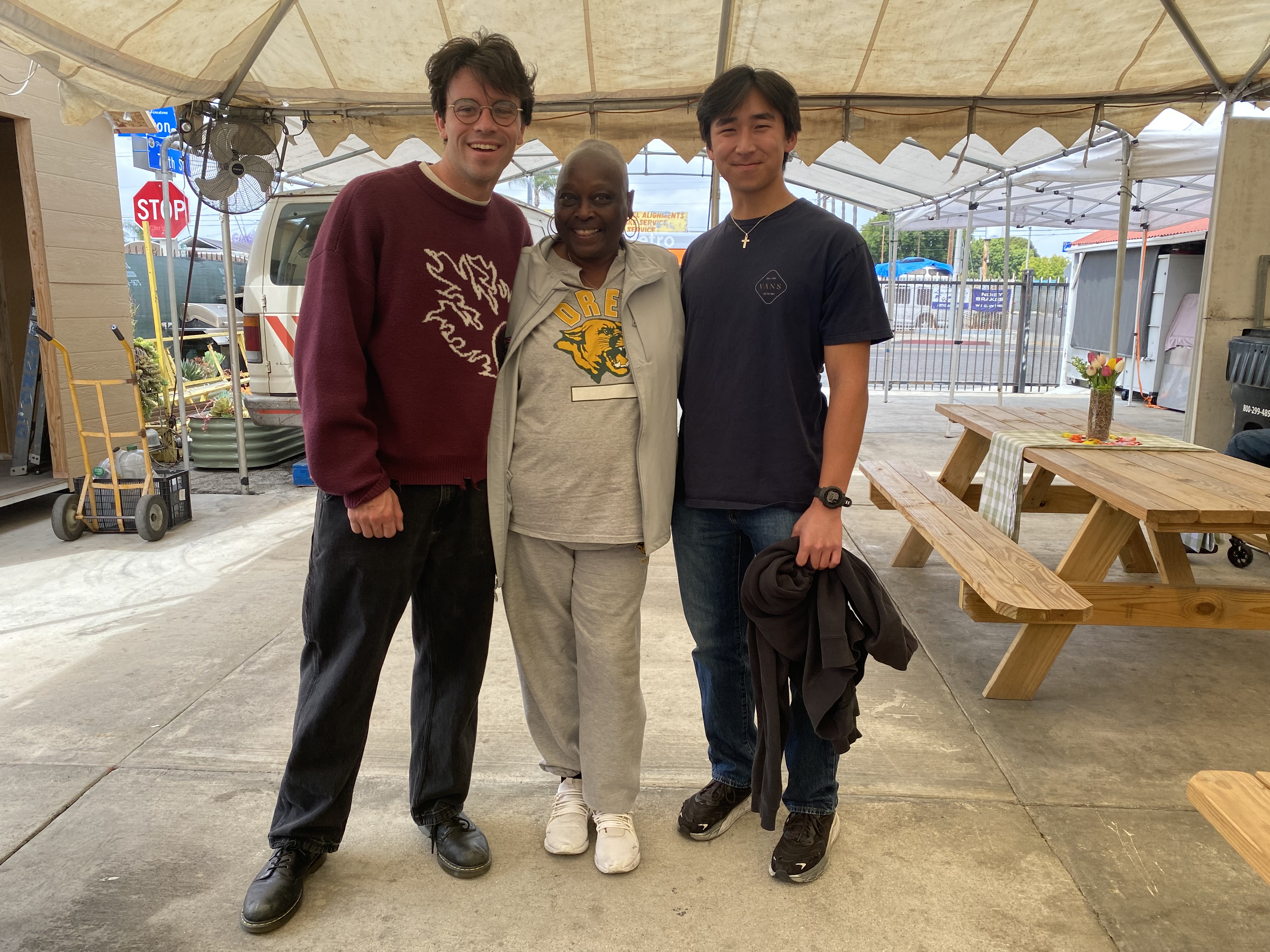
This Saturday 9/27 the Florence-Firestone Community Organization hosted the annual community walk in Florence-Firestone with the 1st year MURP cohort at Cal Poly Pomona College of Environmental Design. MURP students learned about urban planning through storytelling, social history, and immersive Embedded Planning with our community members. This is a mutually beneficial long term partnership! Shout out to professors and students for spending an afternoon with us in South Central LA.





You must be logged in to post a comment.