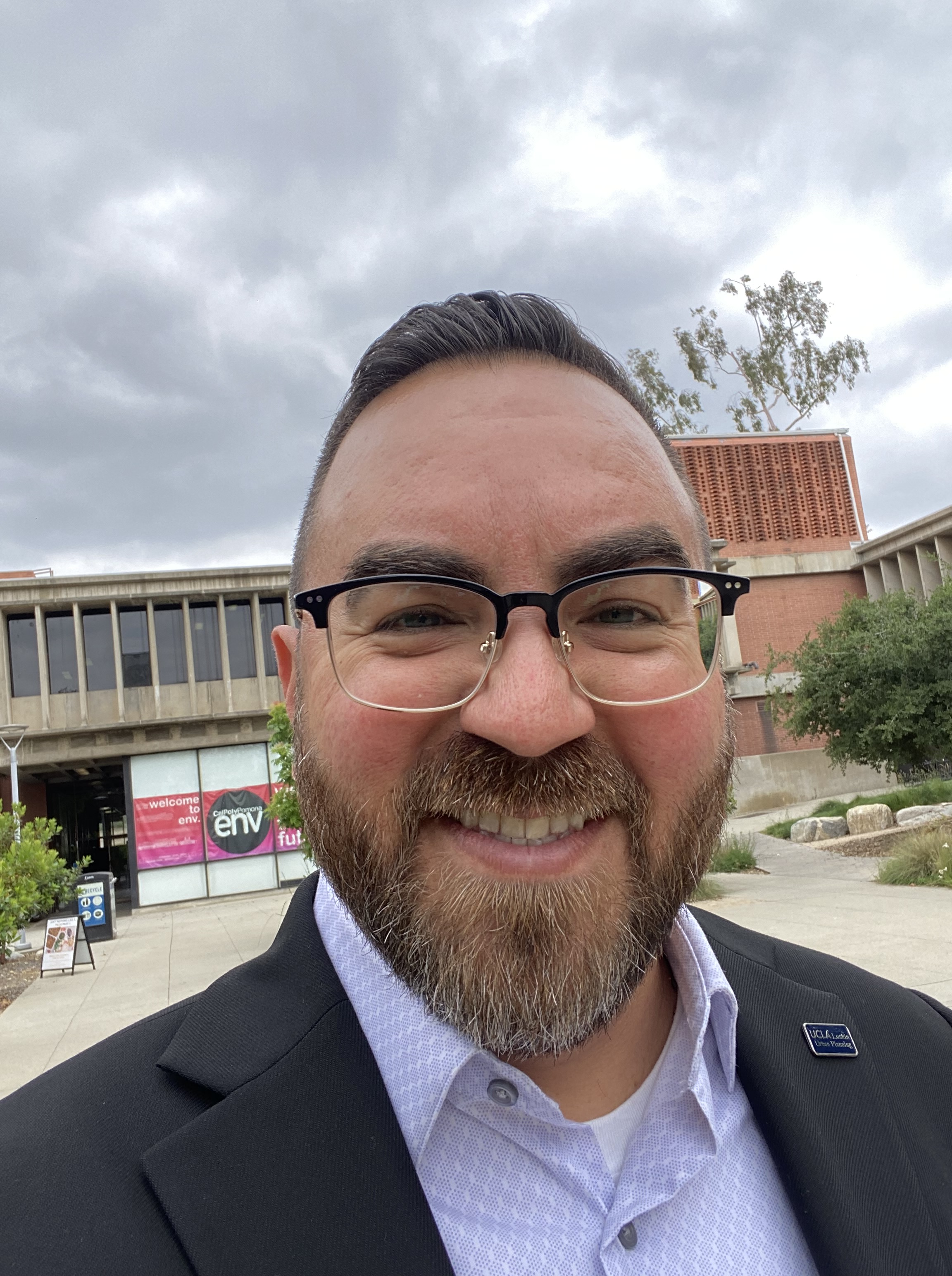
In 2005, I graduated from UCLA Urban Planning with my MAUP and took a photo on graduation day with my mentor, Professor Edward W. Soja. In 2025, I got to take photos with my urban planning and landscape architecture students on graduation day at Cal Poly Pomona Urban and Regional Planning. We’re all on a journey.
This video is cross-posted on my LinkedIn, Instagram, YouTube, and c1typlann3r.blog.
I learned so much from moderating this breakout session at the Build the Middle National Housing Convening 2025. And from feedback received thus far, session attendees gained many insights, tools, and practical action steps.
Big thanks to our panelists: Diana Gonzalez from Los Angeles County Department of Regional Planning, Tennis Wick from Permit Sonoma, Derek Ouyang from Stanford RegLab, and Awais Azhar from HousingWorks Austin.
TODAY: Collaborating with APA PA Chapter on the talk, “Embedded Planning: A New Praxis for Pennsylvania.” This webinar supports development of the Borough of Hollidaysburg Comprehensive Plan using Embedded Planning as a central theme. Street-level planning, coast to coast!
Guest lecture “Embedded Planning is Radical Planning” in the Radical Planning Collective’s student-led course at UC San Diego. We will examine the origins and implementation of Embedded Planning praxis as an application of Radical Planning.
My time at Cal Poly Pomona has come to an end. The last 4 years were a dream come true. In 2021, I’d never have imagined that 1 lower division course would blossom into 6 across our bachelor’s and MURP programs, including my personal goal of teaching planning theory (my favorite at UCLA Luskin!). With that accomplished, I’ve decided to exit on a high note. This move makes space for new lecturers . . . new ideas, new lessons, new texts, new assignments, new theories, new planning methods, new pedagogies, new critiques, new praxis.
I’ll miss my students. My greatest joy was being a part of their journeys. I got to see folks new to the field evolve before my eyes into fierce urban planners—change agents. I hope my ramblings contributed to their growth. My students give me boundless hope. The future of urban planning is in good hands.
I was a mentor before CPP and I remain one. I’ve formed lifelong relationships with CPP students, faculty, and university fam. Many believe in Embedded Planning and other forms of activist praxis. We have momentum.
So this isn’t a “goodbye” but rather a “see you out there, in the neighborhoods, alongside our community members, planning and organizing, with your feet on the street.”
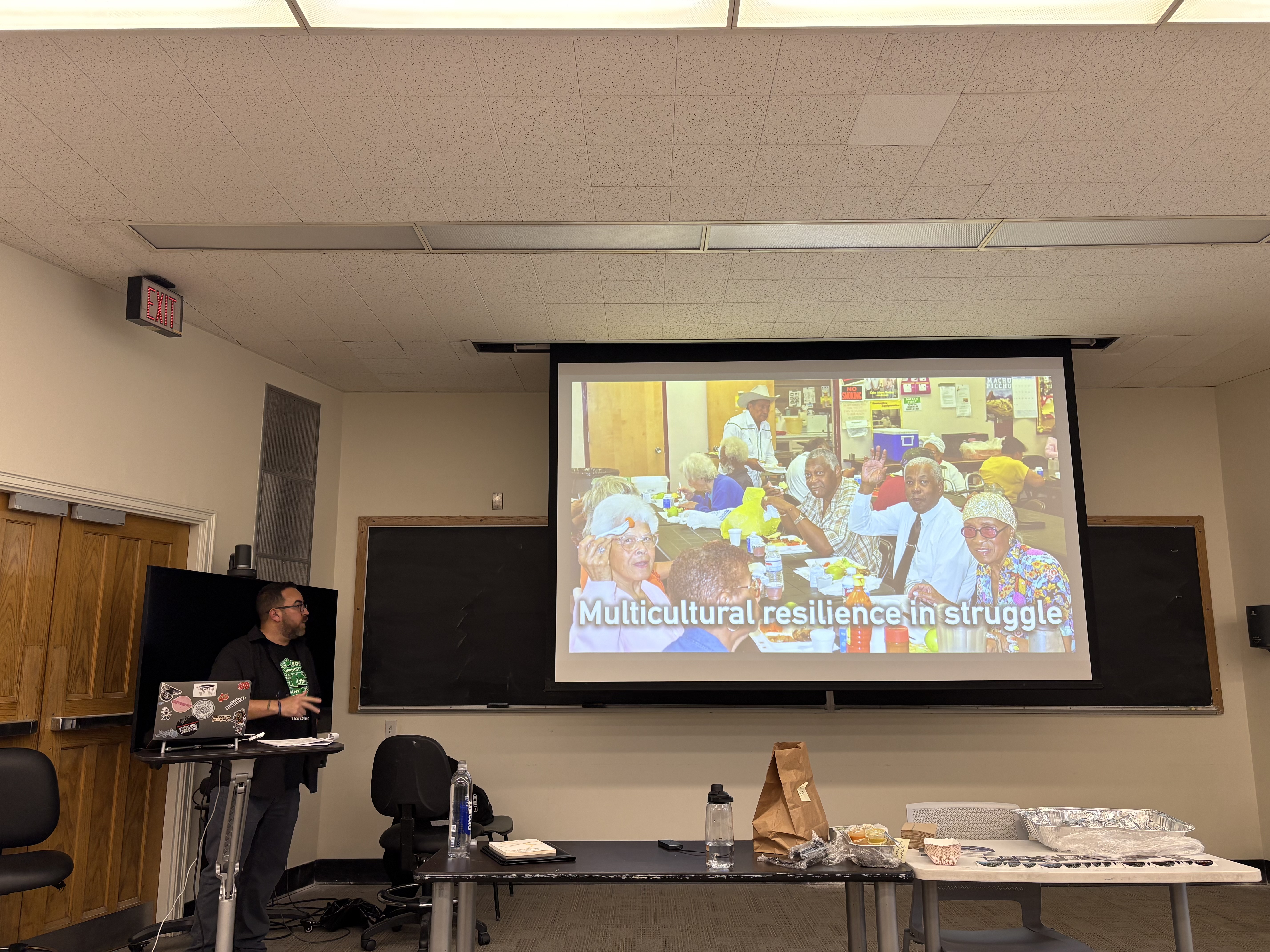
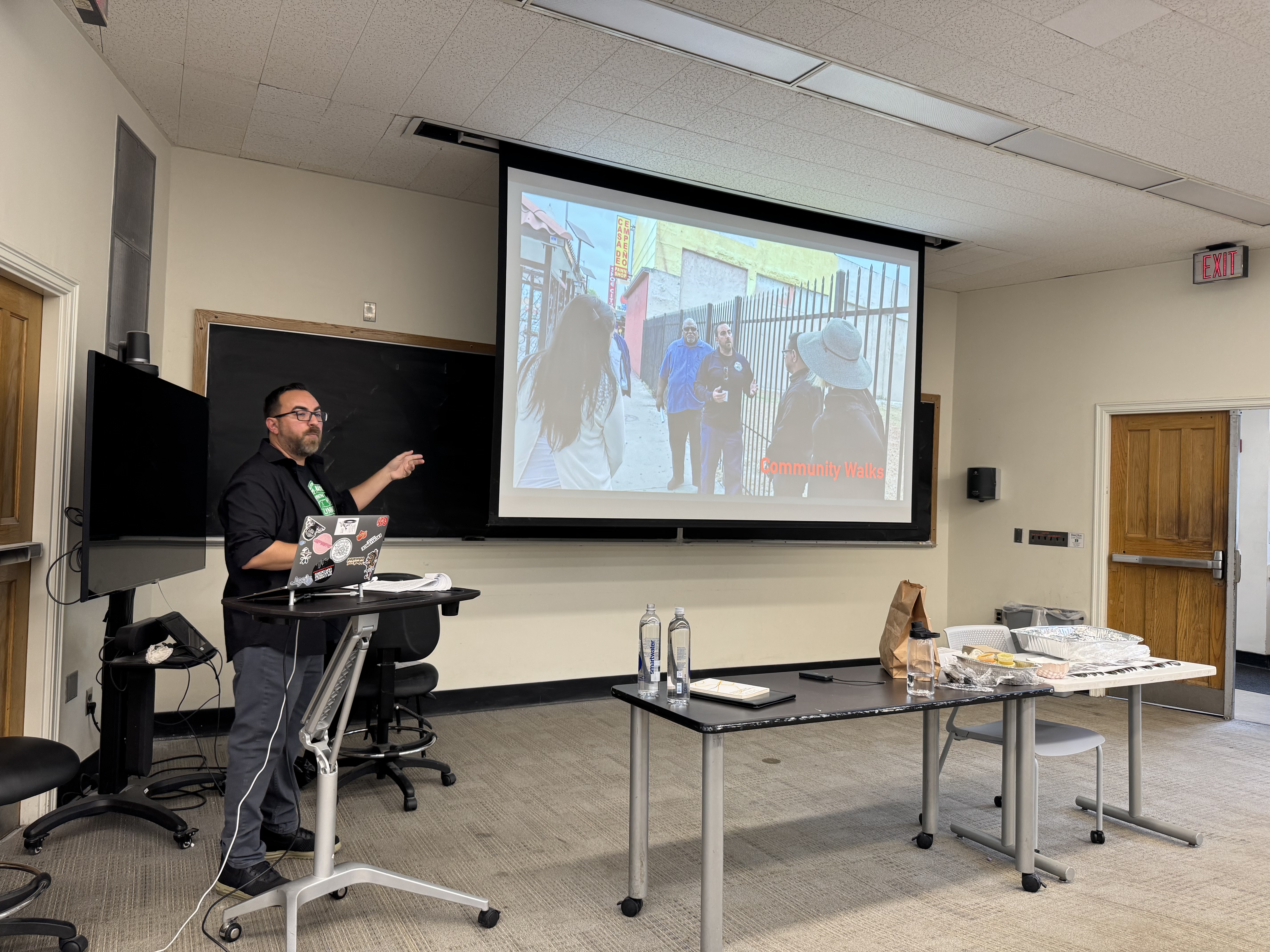
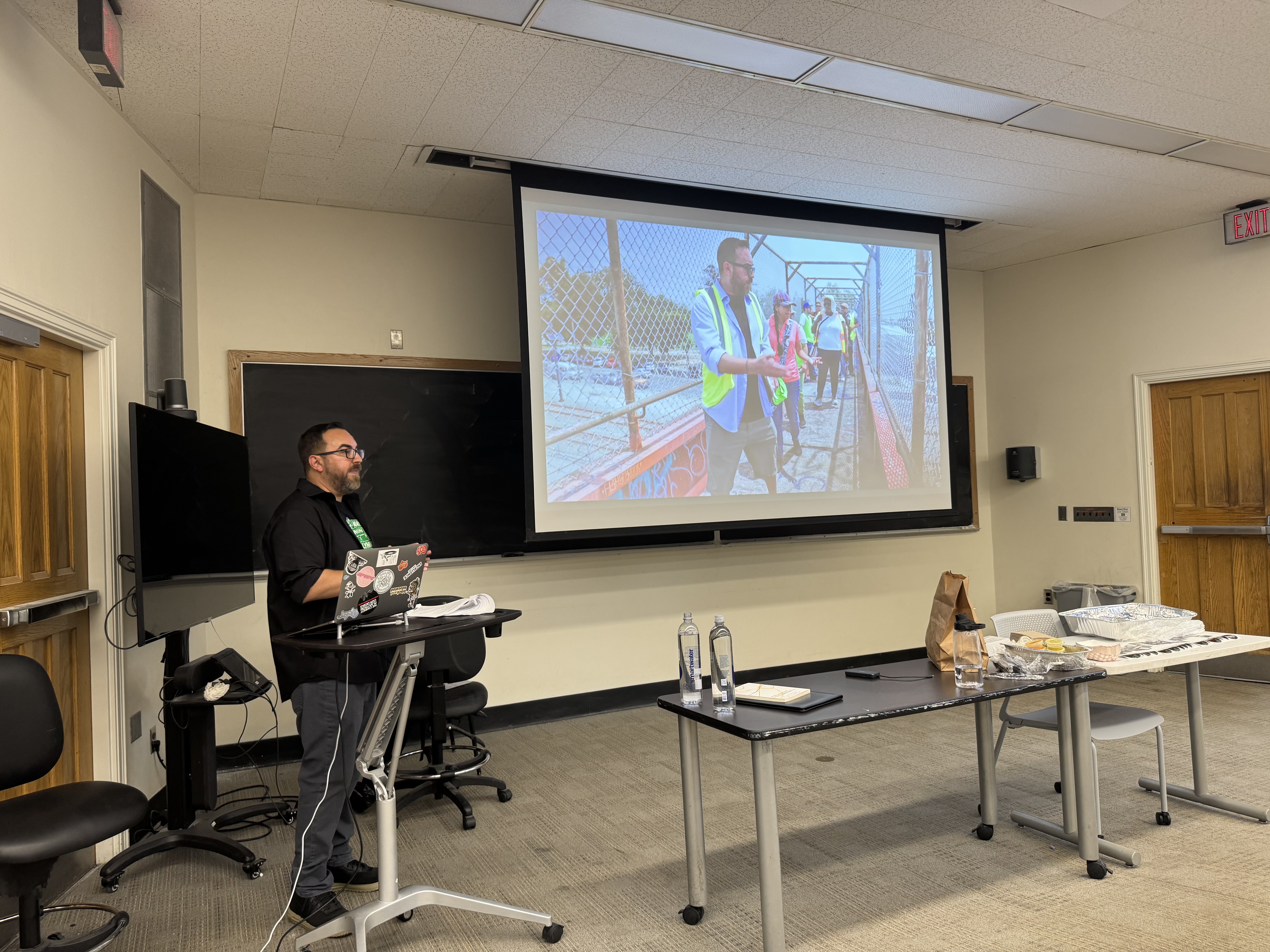
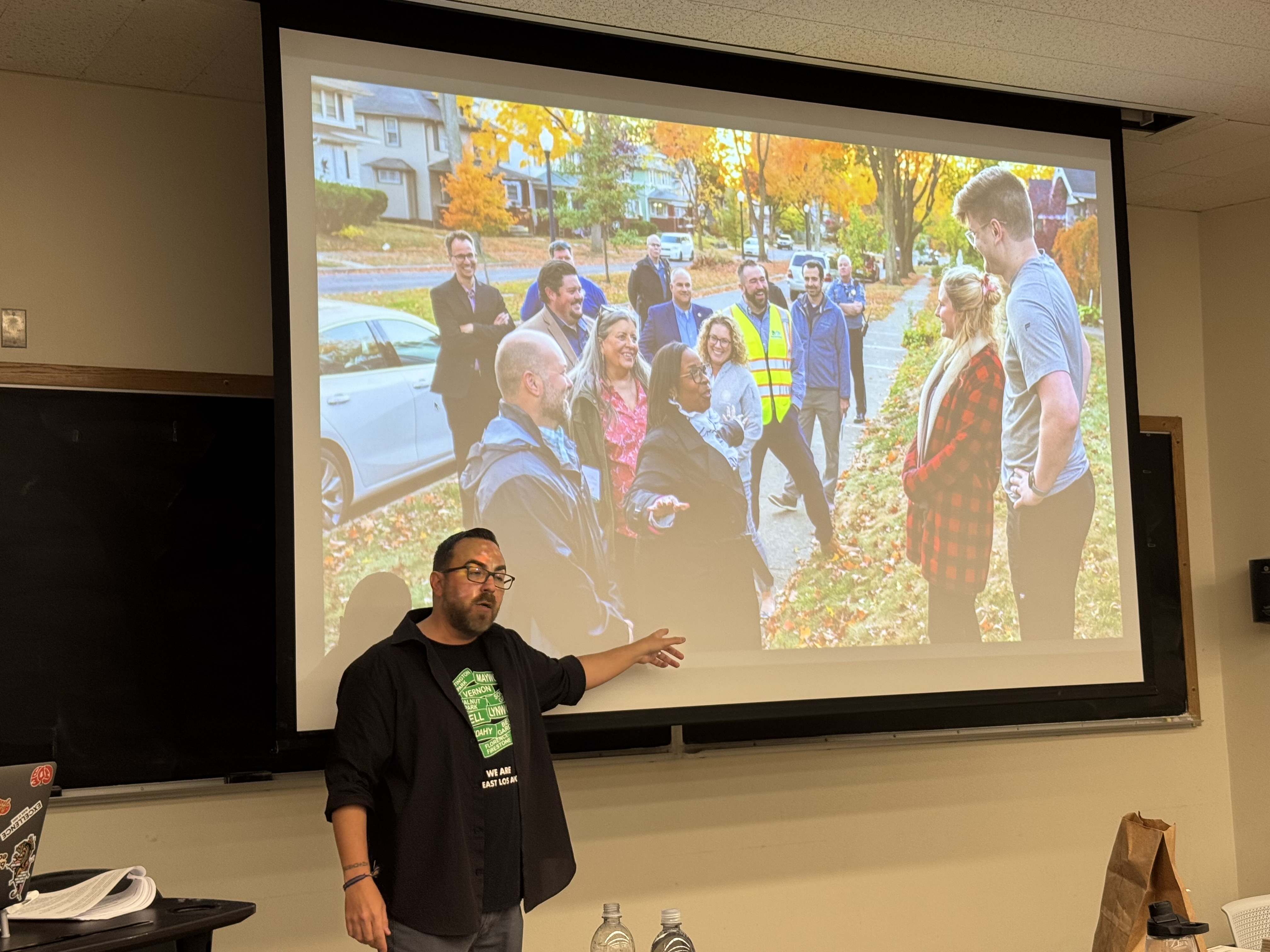
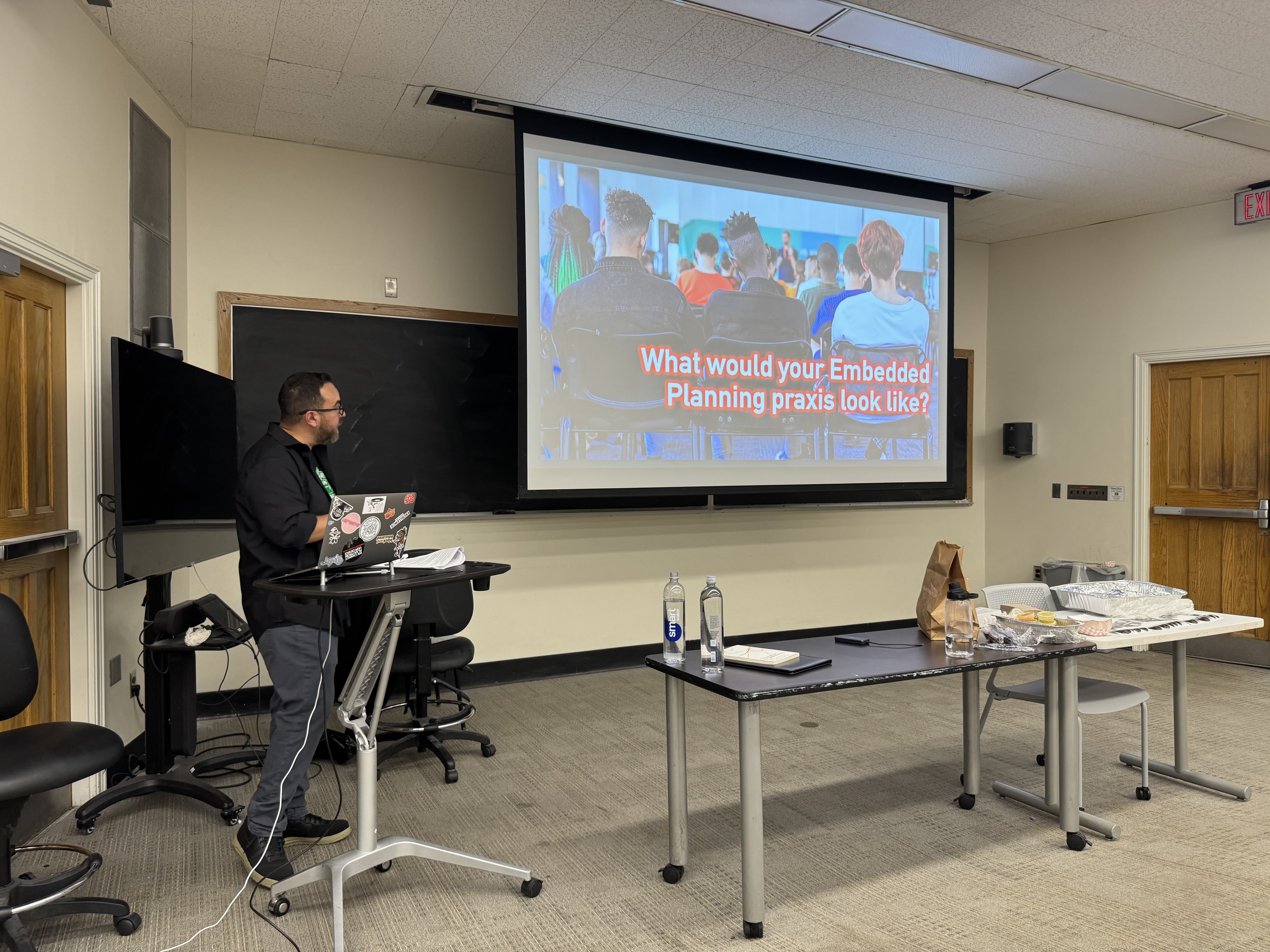
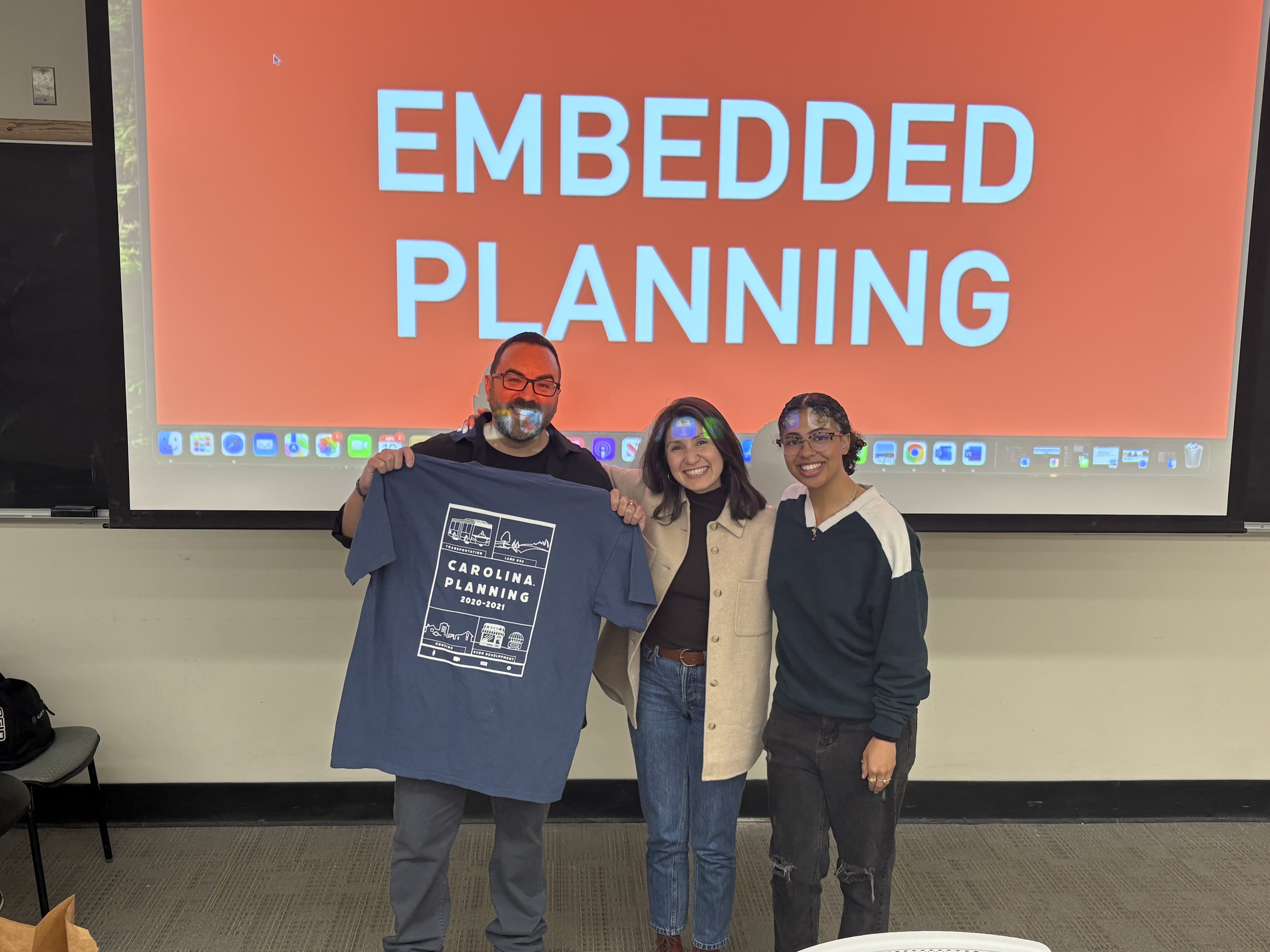
Scenes from Duke University from my 4/10 guest talk, “Embedded Planning is the Future.” The invited lecture was delivered in partnership with the undergraduate group Duke Our Urban Future and Duke Urban Studies.
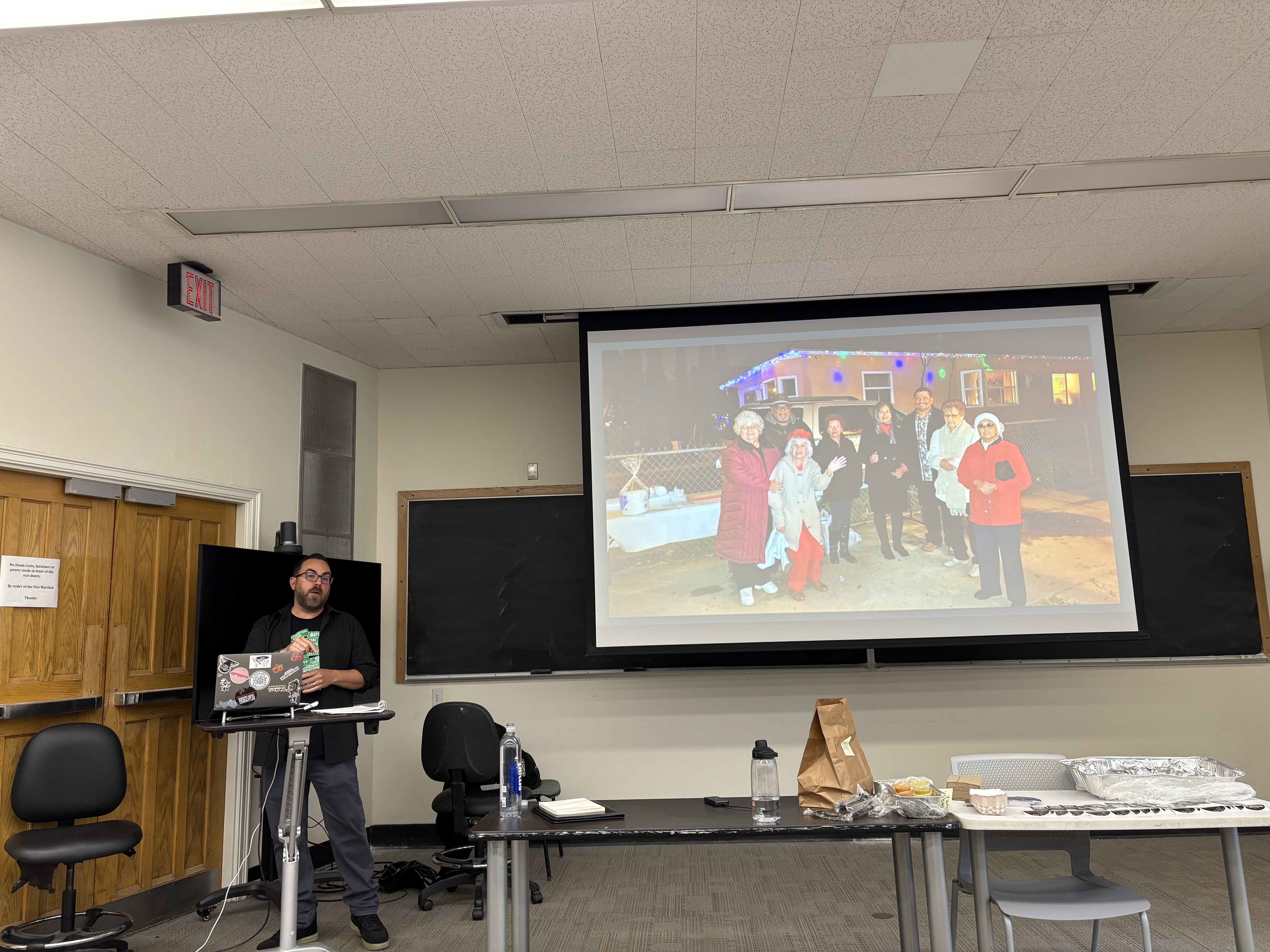
We begin in medias res amidst my high stakes confrontation with unnamed powerholding figureheads suspicious of Embedded Planning because it subverted top-down control. I retrace my steps and epiphanies as a zoning enforcement planner to create Embedded Planning in South Central LA’s Florence-Firestone community. Drawing from personal experiences, I reflect on the challenges and benefits of street-level planning in the face of power. I then present case studies of others doing Embedded Planning coast to coast — and beyond!
When you hear planners today talk about “meeting people where they are,” know that we’ve long called it Embedded Planning praxis. And now we’re a worldwide movement.
Photos by AJ Adovor & Avery Smedley of Duke OUF and Dr. Ashley Hernandez of UNC Chapel Hill Carolina Planning. Thank you, Duke urban planners, for inviting me to speak on your campus!
Join us 5/8 at CSUN Urban Studies and Planning for “Embedded Planning is the Future,” a public talk on the present and future of street-level activist planning.
Embedded Planning praxis shifts the planner’s work from a desk to the streets. Created during my Zoning Enforcement days in South Central’s Florence-Firestone community, this praxis aims to rebuild trust and foster meaningful relationships with marginalized communities harmed by inequitable planning.
We’ll highlight the spread of #EmbeddedPlanning coast to coast (and beyond!), with case studies, reflections, and personal experiences examining the challenges and benefits of street-level praxis.
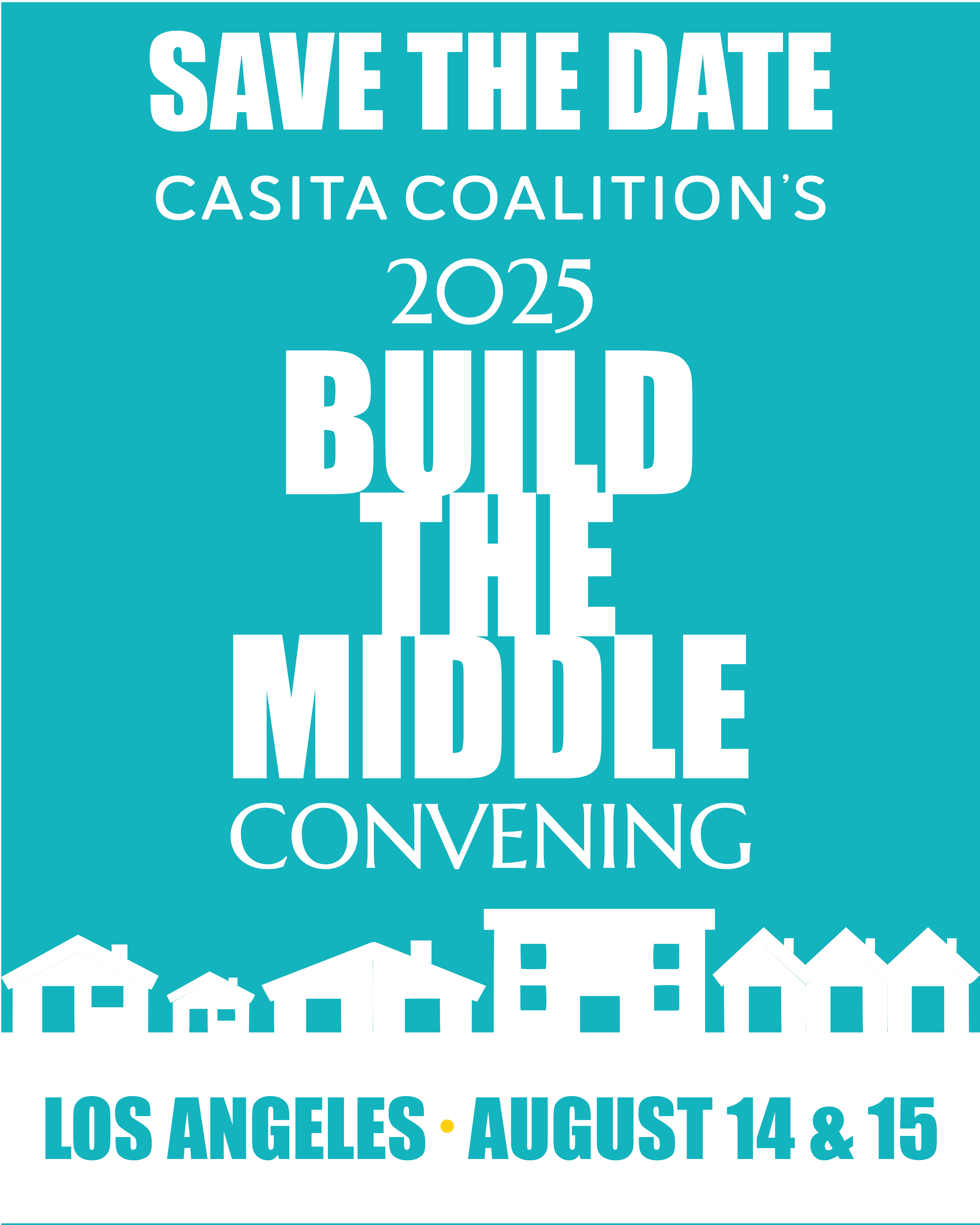
Save the Date! Join Casita Coalition for the 2025 Build the Middle Convening, happening: August 14–15 in Los Angeles! Mark your calendar. Follow for details. Let’s build what’s next.
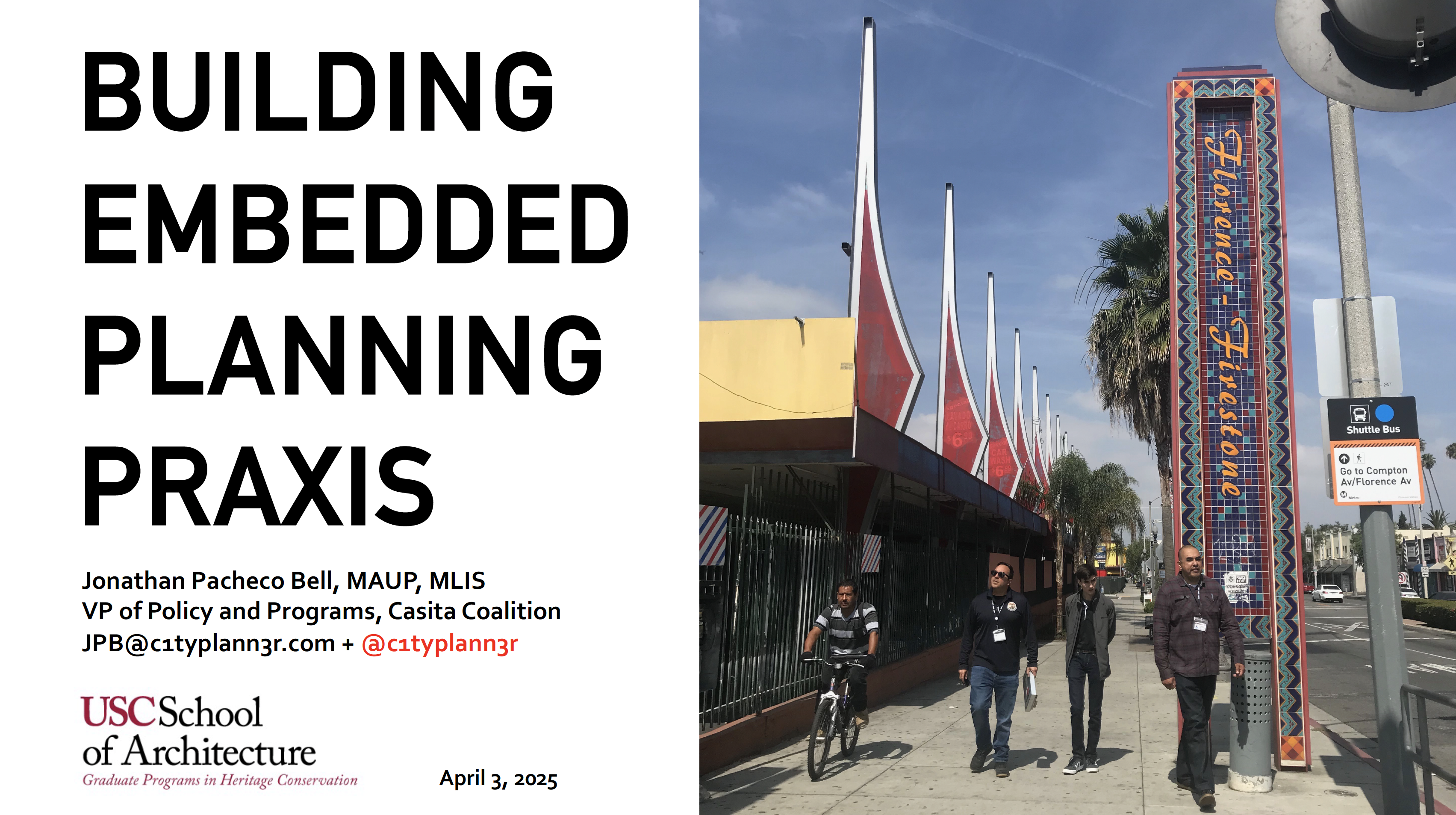
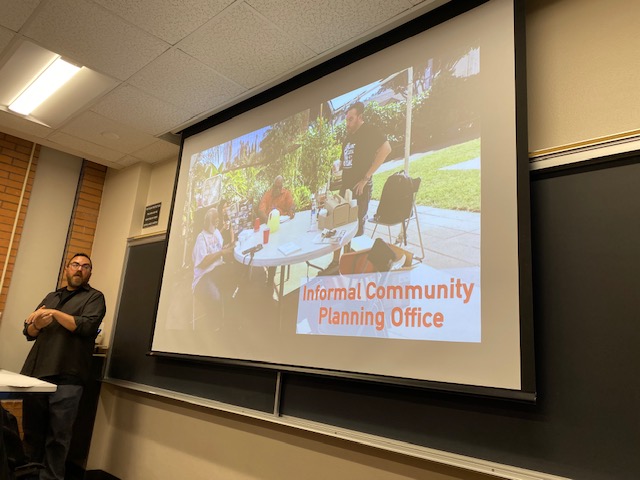
Scenes from USC Architecture from my 4/3 guest talk, “Building Embedded Planning Praxis.” The invited lecture was delivered in the USC Master of Heritage Conservation graduate course, Heritage Conservation Policy and Planning.
Who’s the cat in the photo?! In 2003 in the MAUP program at UCLA Luskin Department of Urban Planning, I took an architecture theory course where I learned Professor Gregory Ulmer’s CATTt method for writing a manifesto. I would go on to use the CATTt to write my 1-page manifesto on Embedded Planning titled, “We Cannot Plan From Our Desks,” published in the October 2018 issue of APA’s Planning Magazine.
And now we’re a worldwide movement in planning theories and practices.
Photos by Meredith Drake Reitan, Professor & Associate Dean. Thanks for the invite to speak with your MHC students!
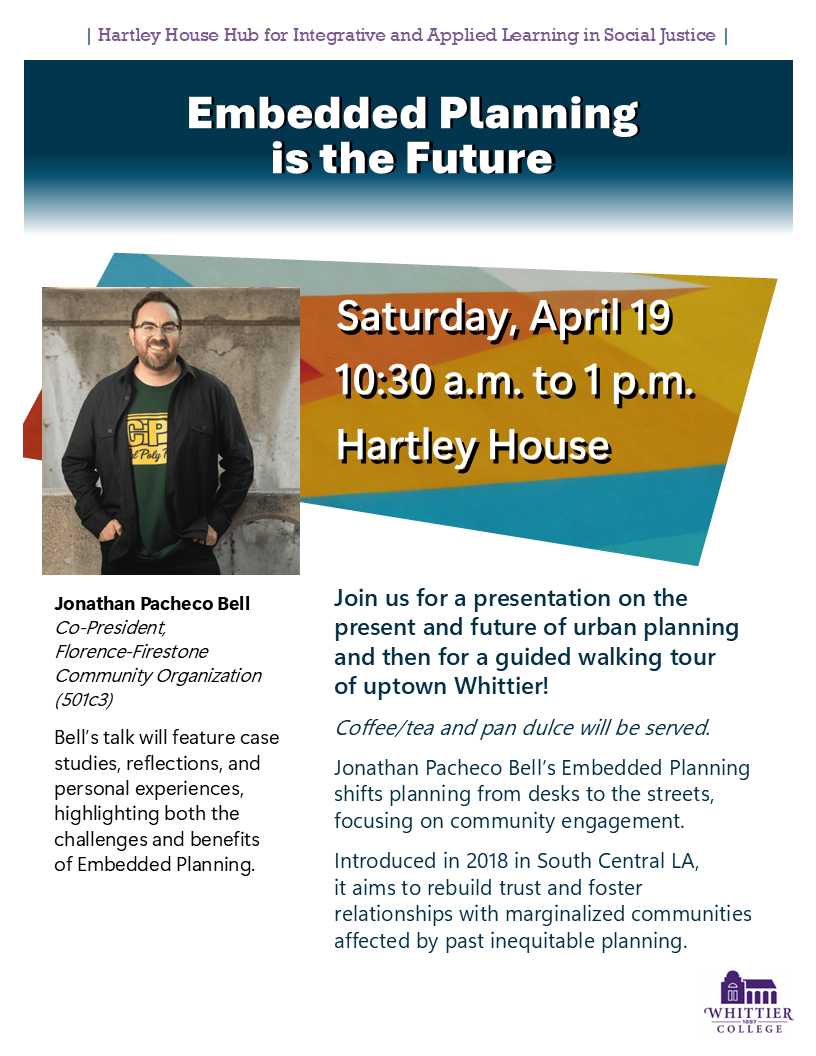
Join us at Whittier College Hartley House for “Embedded Planning is the Future,” a public talk on the present and future of street-level planning, followed by a feet on the street walking tour of Uptown Whittier.
Embedded Planning shifts the planner’s work from a desk to the streets. Created in the Florence-Firestone community in South Central LA, this praxis aims to rebuild trust and foster meaningful relationships with marginalized communities harmed by inequitable planning.
The talk features case studies, reflections, and personal experiences highlighting both the challenges and benefits of Embedded Planning in these times.
Coffee, tea, and pan dulce will be served. OUR EVENT IS FREE TO ALL.
When: Saturday, April 19, 2025, 10:30am to 1pm Where: Hartley House, Whittier College, 13741 Earlham Drive, Whittier, CA 90602
Thanks to Whittier College Hartley House Hub for Integrative and Applied Learning in Social Justice for event support!
Infographic by a UNC Chapel Hill Urban Planning student
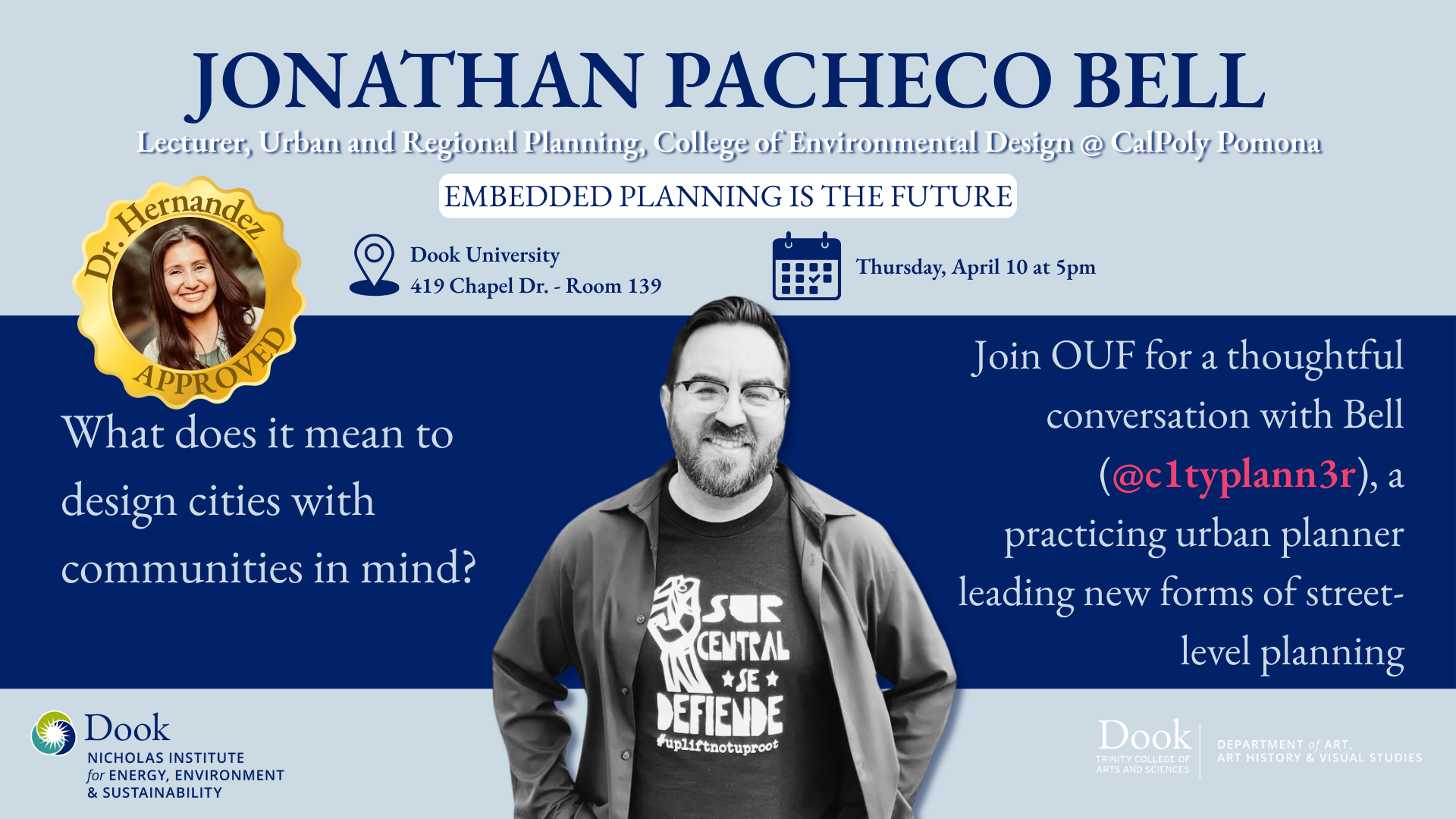
Here’s an alternative flyer designed by Duke’s neighbor, University of North Carolina at Chapel Hill. Shout out to the urban planning student in Dr. Ashley Hernandez’s class who dreamed up this remix!
I love the subtle rivalry at play here ha. But for real, my virtual talk in Dr. Hernandez’s UNC class “Diversity & Inequality in Cities” in 2023 led to our in-person event at Duke on April 10, 2025. See how Embedded Planning praxis brings us together?
Students, planners, and community: if you’re in Raleigh-Durham-Chapel Hill on 4/10 come through.
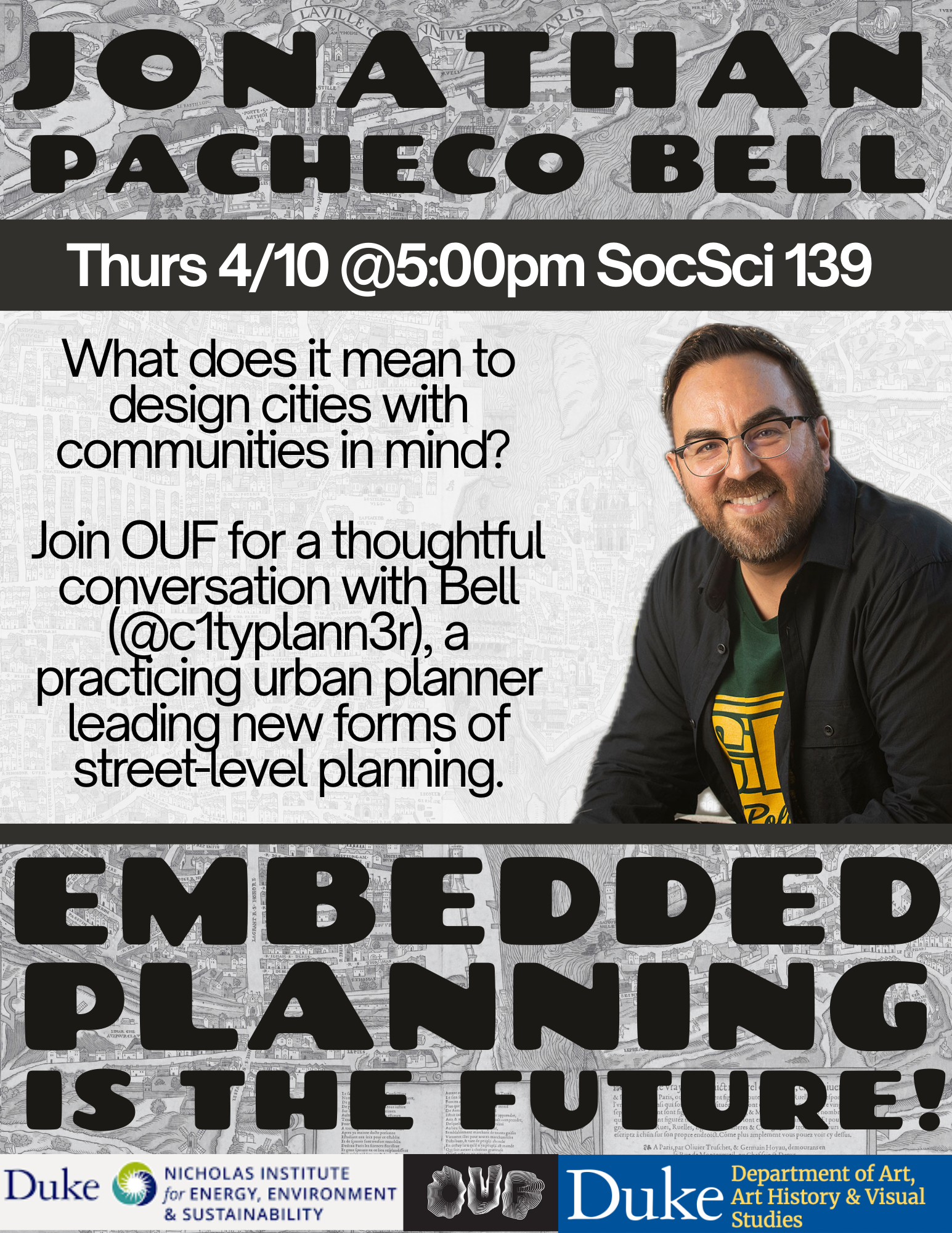
Infographic courtesy of Duke’s undergraduate student group, Our Urban Future
On April 10th, I’m at Duke University with Our Urban Future for the invited public talk, “Embedded Planning is the Future.” I consider this Chapter 3 in the Embedded Planning speaking series. We’ll discuss Embedded Planning’s trajectory — including origins, challenges, and benefits — and examine why this praxis is the future of planning.
Photo: (from left) Jonathan Pacheco Bell and Steve Quinonez of FFCO with Matthew Shore of South Bronx Unite on a community walk in Florence-Firestone, April 28, 2024.
Following our 2025 Board election, I’ve humbly stepped into my new role as Co-President of the Florence-Firestone Community Organization (FFCO). This leadership restructuring creates a more balanced distribution of president duties while providing our tireless founder and inaugural Board President, Steve Quinonez, with needed flexibility.
In our new arrangement:
Steve continues overseeing daily operations, events, fundraisers, and facility management
I’m serving as leadership contact for county and state officials, project partners and community, with special focus on capacity building and grants development
FFCO remains an all-volunteer Board, supported by a dedicated part-time analyst and many passionate volunteers who serve because of our deep love for the Florence-Firestone community.
Interested in our food distributions, community walks, placemaking events, programs, or funded outreach? Hit me up or visit our facility at 6940 Compton Avenue, Los Angeles, CA 90001.














You must be logged in to post a comment.