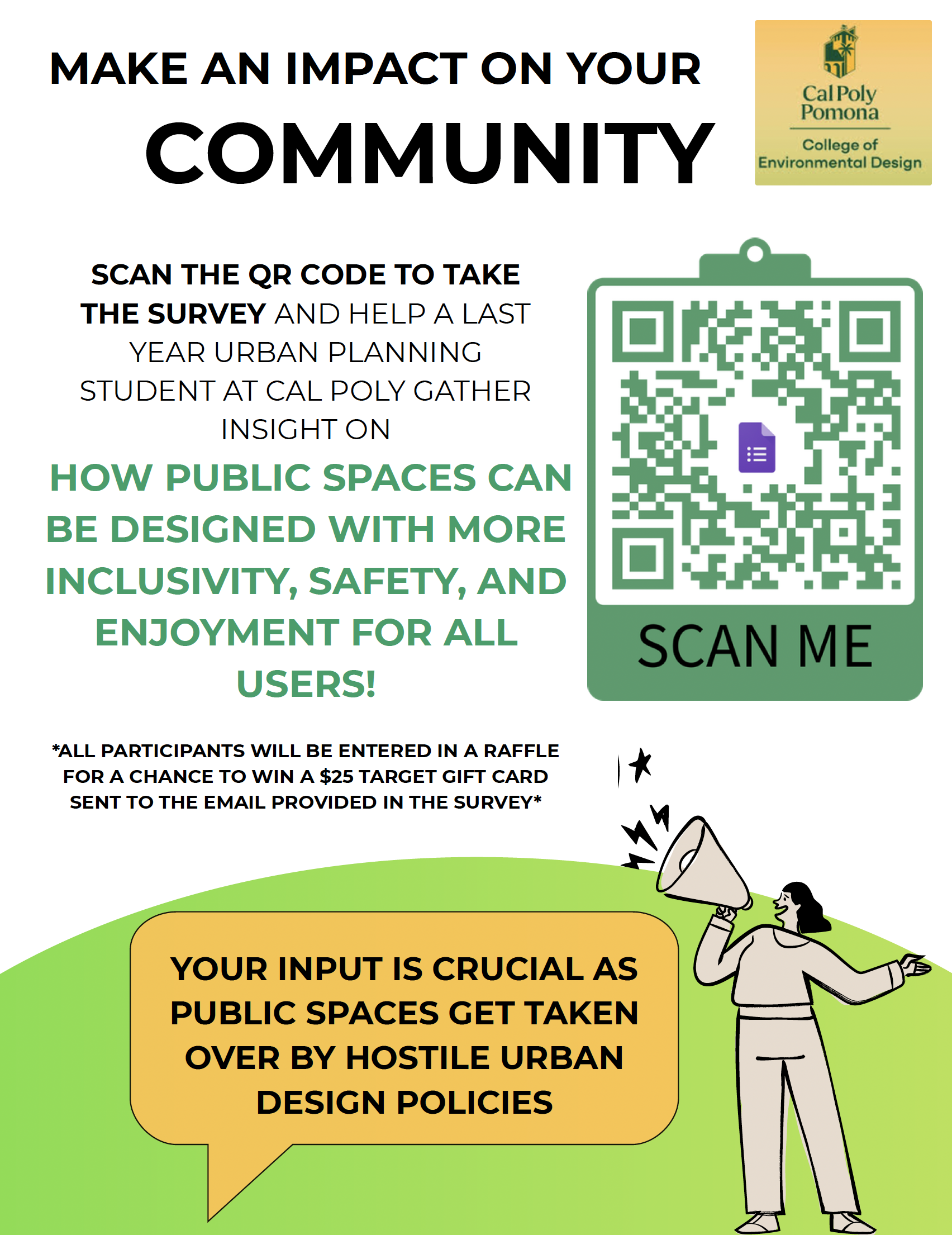
Planners + Community: Zena Al-Beitawi is doing an urban planning senior project examining how public spaces can be designed for inclusivity, safety, and enjoyment versus Hostile Architecture in Pomona, CA.
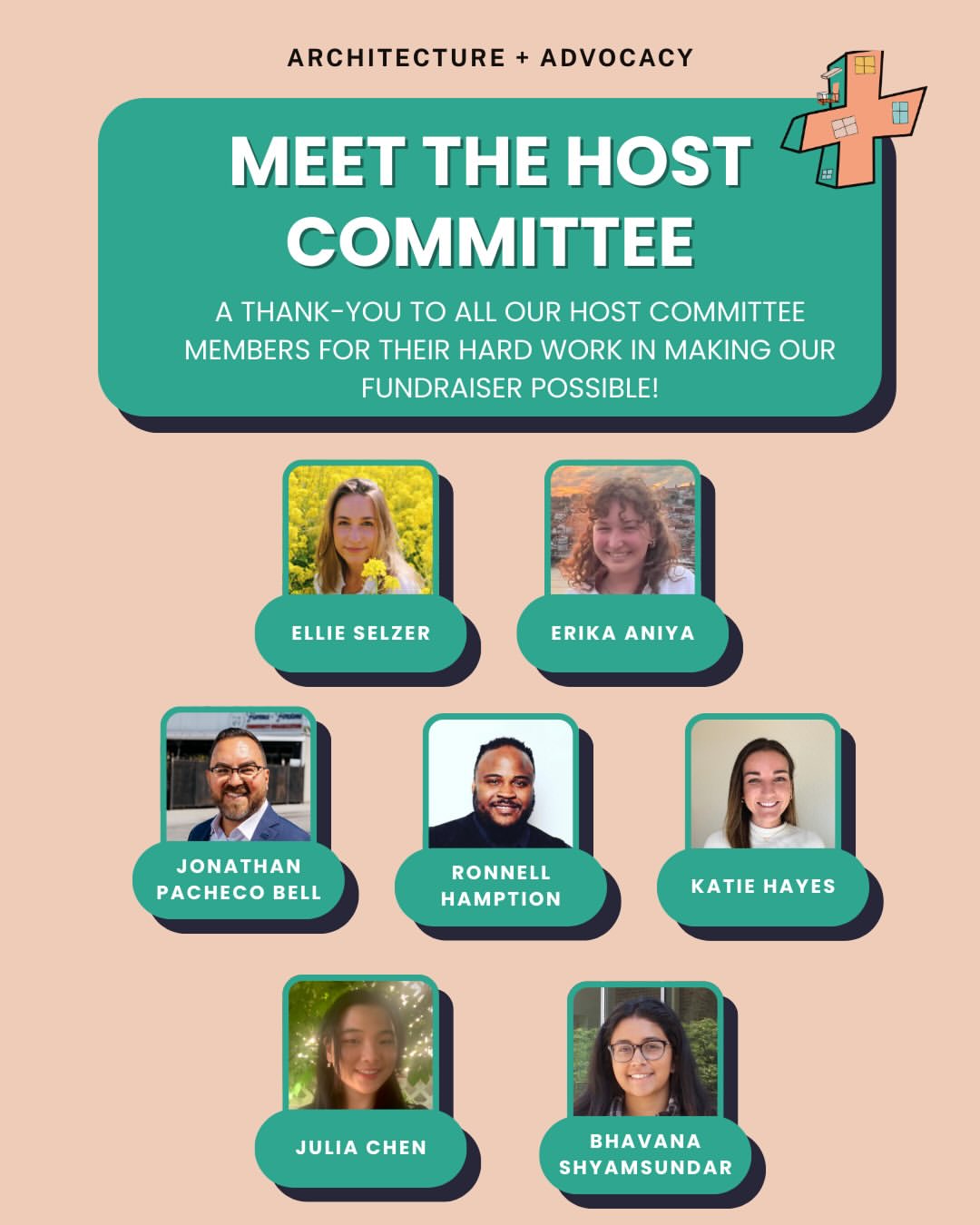
I’m on the Host Committee planning the February 7th annual fundraiser for the nonprofit Architecture + Advocacy. This year’s topic is: “Deconstructing “Engagement: A Conversation about Community-Led Design.”
Community leaders, architects, policymakers, developers, and all people who care about the future of our city, will explore ways community engagement can go beyond “checking a box” and empower residents as decision makers. You can look forward to:
Meeting other people who care about ending neighborhood inequality
Participating in an intergenerational discussion about community-led design
Eating delicious food from local chef, The Aisha Life
Bidding on (and maybe winning) a wine tasting, task chair, and more!
Listening to good tunes
Date: Saturday, Feb 7, 2026 Time: 5:00 – 8:00pm Location: Western Office Showroom, 515 S. Figueroa Street, Suite 101 Los Angeles, CA 90071 Early Bird Tickets: $40 Early Bird ticket sales end January 22nd! After that, the price increases to $50. Get yours now! Tickets: https://architectureandadvocacy.org/en/events/p/architecture-advocacys-annual-fundraiser
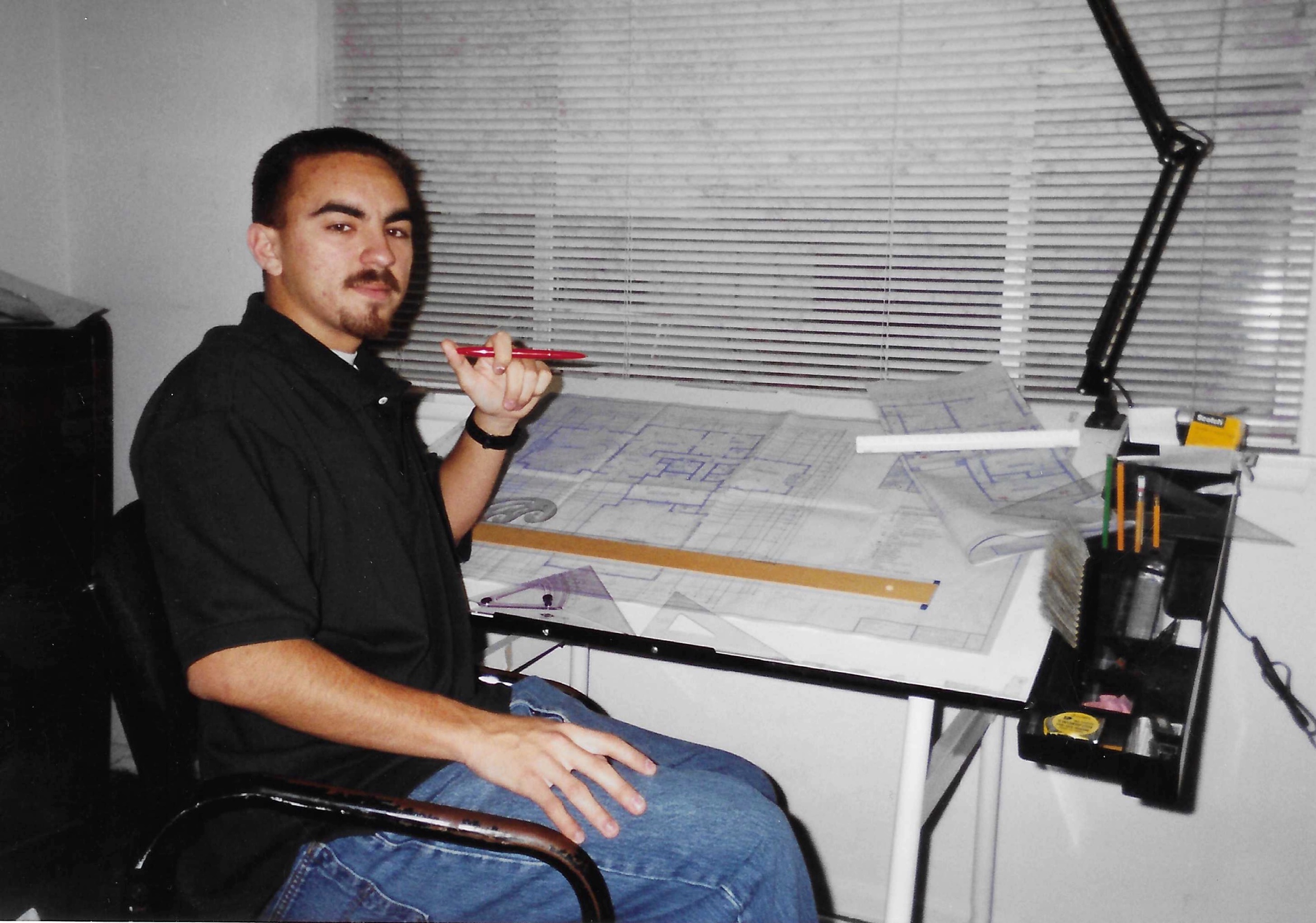
Architect Frank Gehry passed away on December 5, 2025 in Santa Monica. He was 96. I wrote about Frank Gehry’s influence on me as a 90s architecture student at East Los Angeles College and SCI-Arc.
Excerpt:
Thirty years later, Gehry’s ideas challenging form, challenging materiality, challenging function, challenging convention, challenging orthodoxy, challenging the architecture establishment, challenging one’s own profession, remain with me as an urban planner.
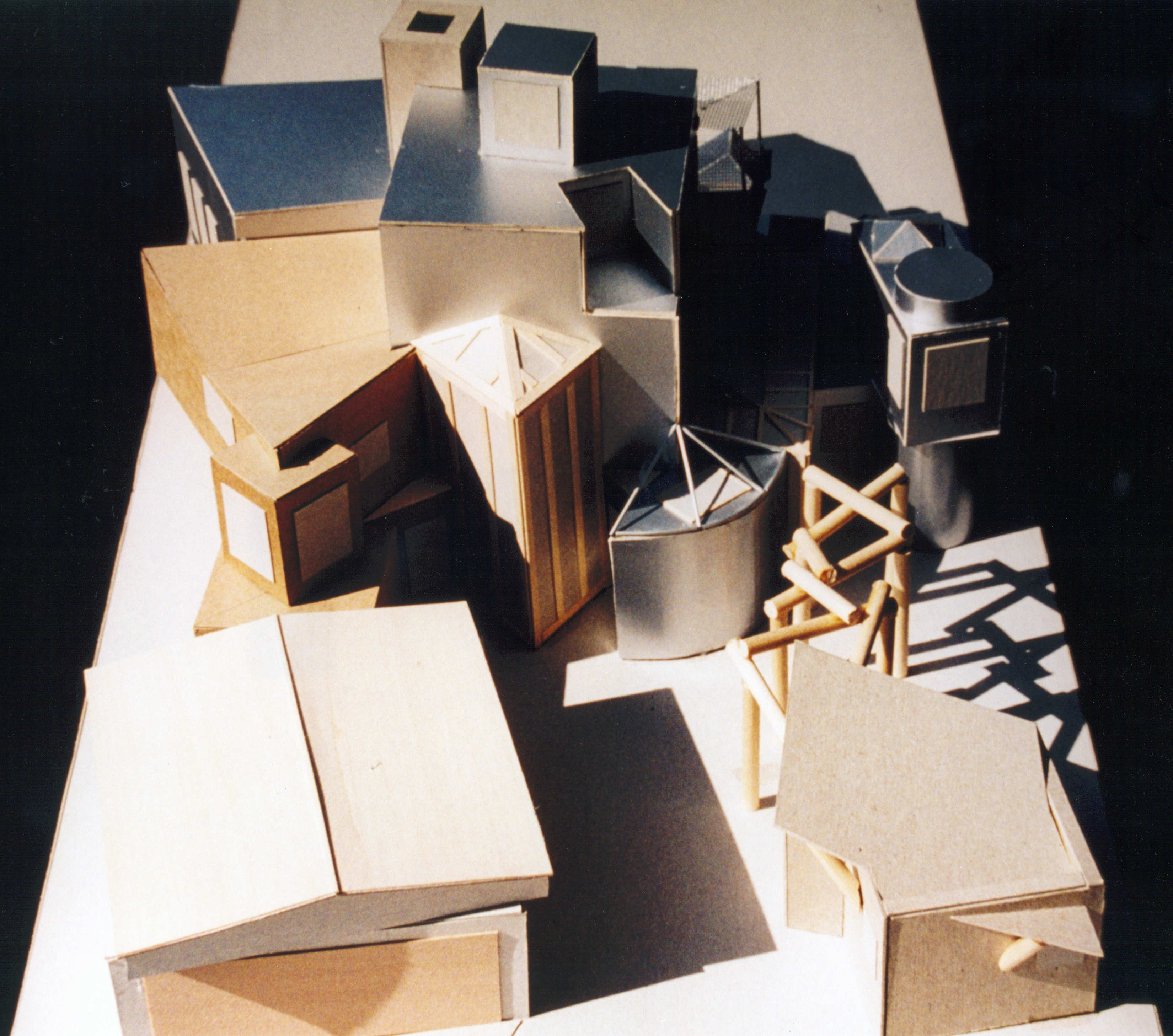
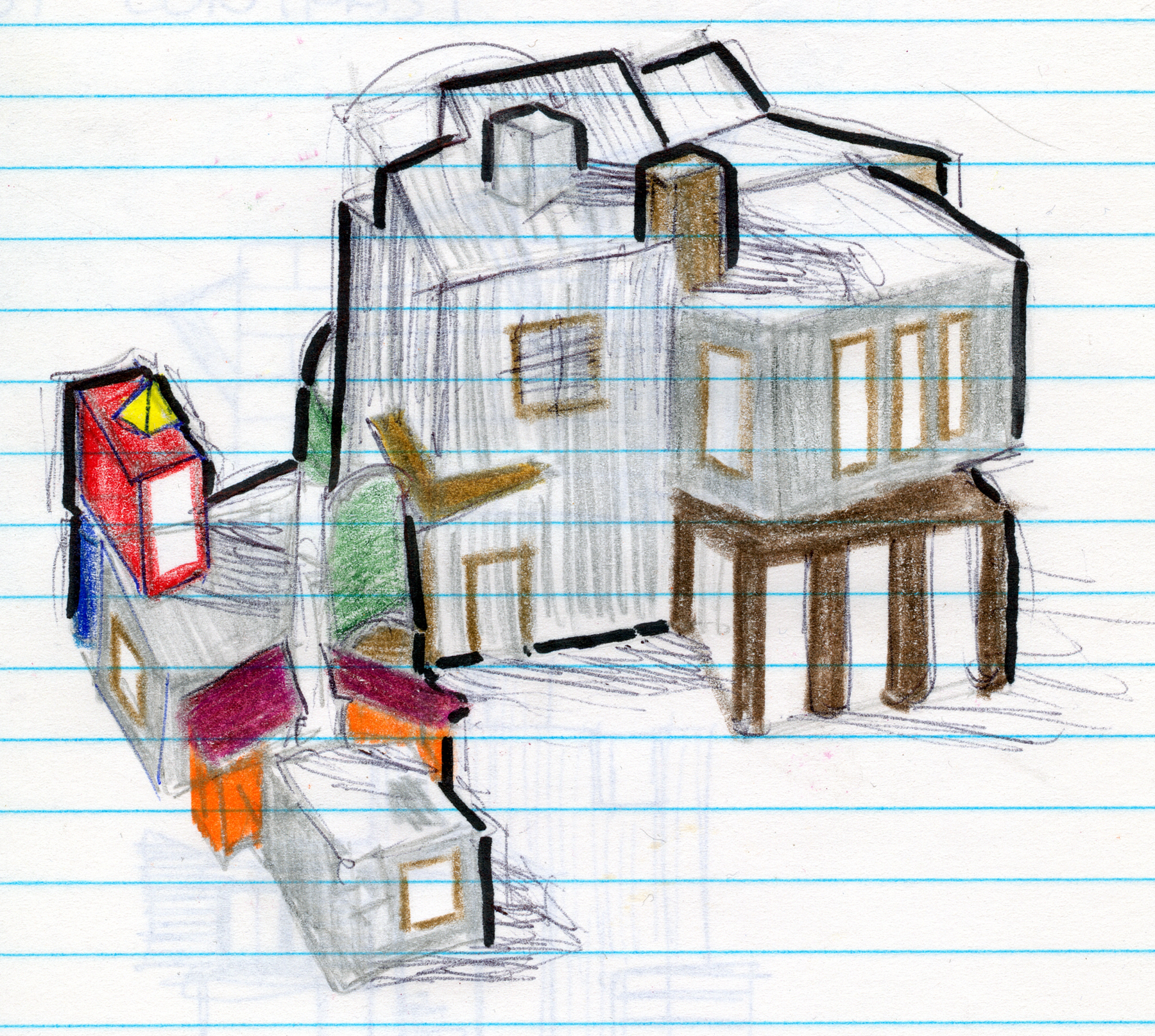
Gehry was a driving inspiration in my early development. I’m taking time to reflect on his impact and work. Meantime, check out my 1996 three bedroom residence designed in the spirit of Frank Gehry.
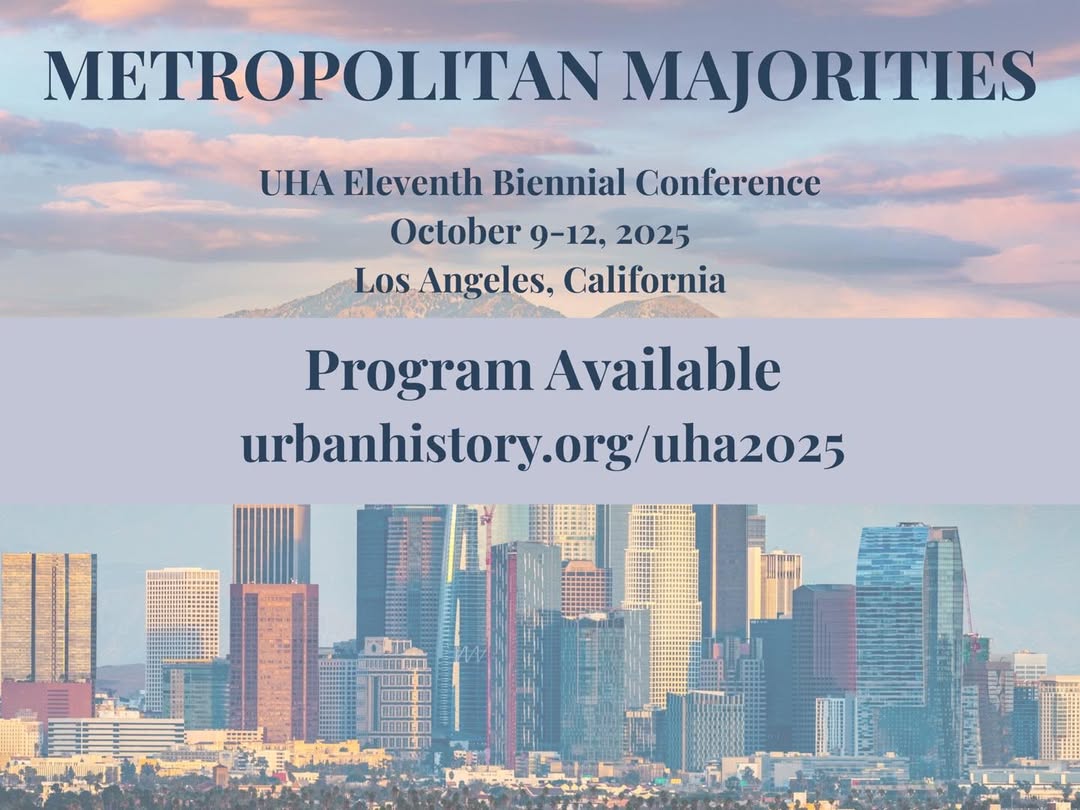
I’m on a panel recognizing the legacy of Mike Davis with writer legends Carolina A. Miranda, Kyle Paoletta, David Kipen, and Mike The PoeT Sonksen at the Urban History Association Conference 2025 in Los Angeles. More to come soon.
Join us on Saturday, October 11th, 1:15-2:45pm at the Biltmore Hotel in Downtown LA.
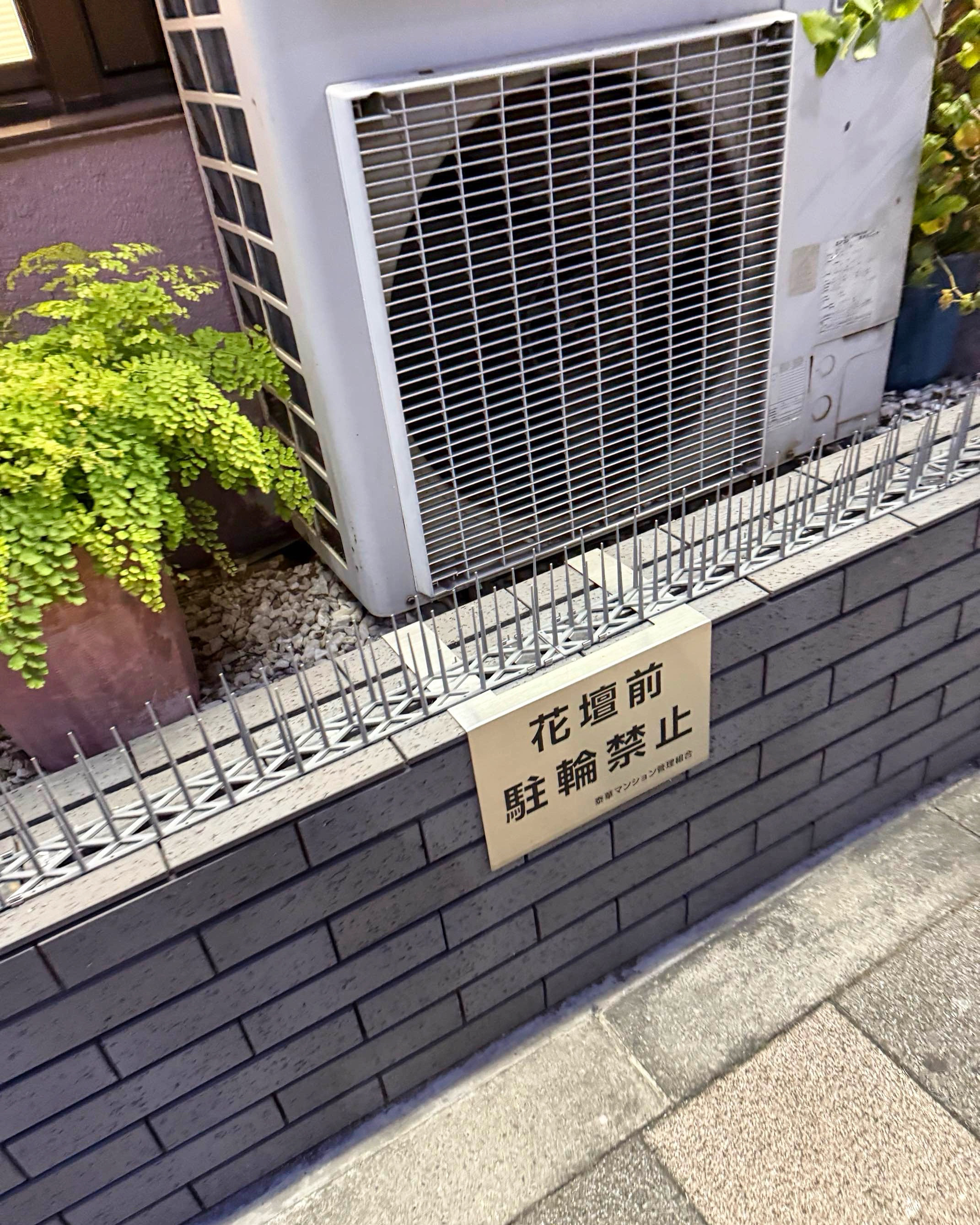
Cal Poly Pomona MURP student Abby Urquiza found some conspicuous Hostile Architecture in Tokyo. Last semester, we examined Hostile Architecture in the Planning & Control module in our course, URP 5120: Planning Ideas & Action. From our readings:
The city is engaged in a merciless struggle to make public facilities and spaces as ‘unlivable’ as possible for the homeless and the poor.
I was interviewed by Abigail Bassett in the Observer for this article on fake jobs. I told the story of receiving a cold call offering me a job at an architecture firm that does not exist.
Honored to return home to East LA College Department of Architecture as a speaker for the Spring 2024 Lecture Series. I’m doing the talk “Building Embedded Planning Praxis” on May 7 at 12pm: free + open to all.
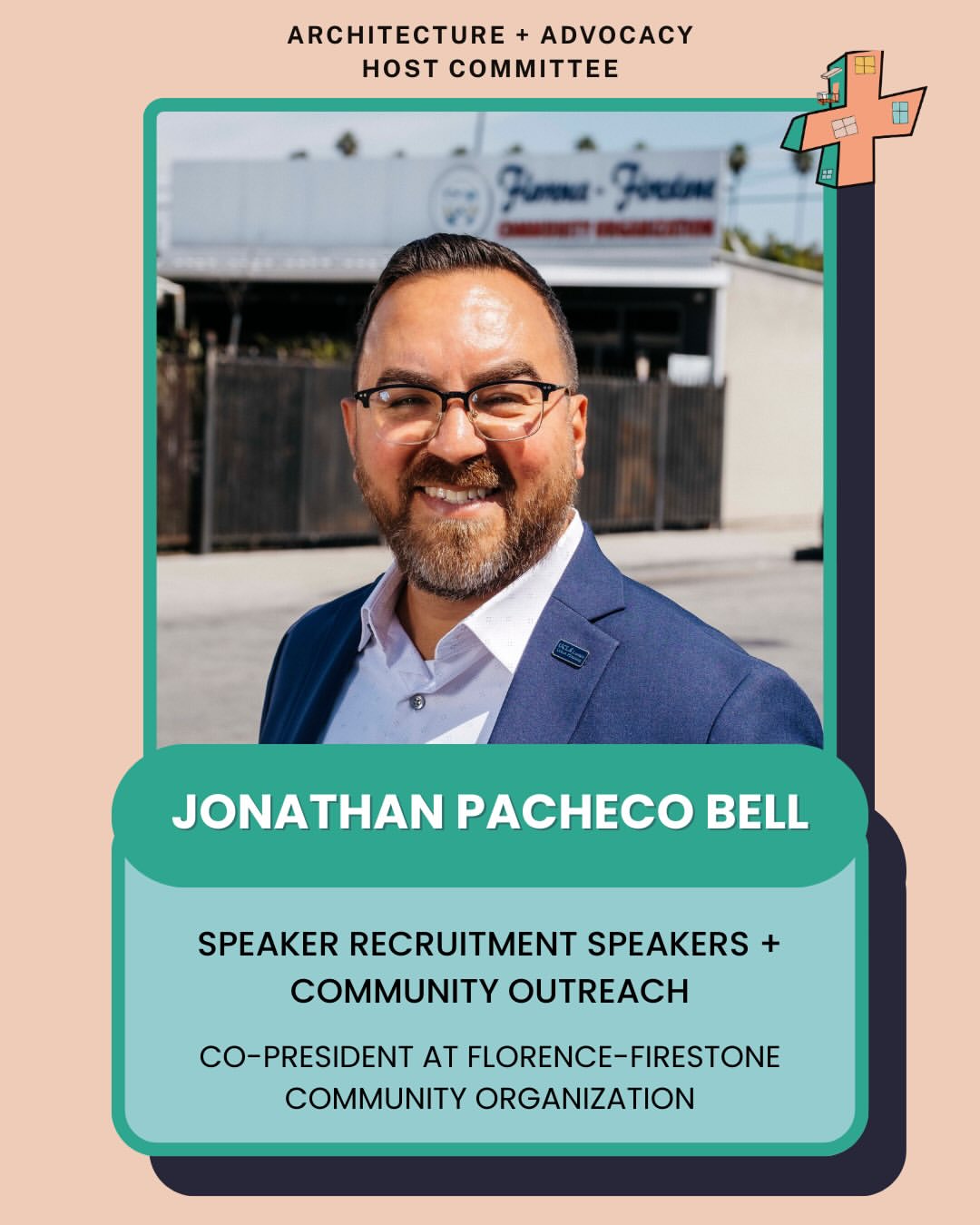
Bio: Jonathan Pacheco Bell is a Senior Embedded Planner at 4LEAF, Inc. and a Lecturer at Cal Poly Pomona Department of Urban and Regional Planning. Born in Boyle Heights and raised in East LA and Montebello, Jonathan came up as a graffiti writer in the 90s creating art and culture on the ground.
For nearly 20 years, Jonathan has worked in South Central LA building community partnerships through street-level urban planning. He turned his methods into a new form of practice called Embedded Planning, where the planner works from the street-level to increase equity and participation for historically marginalized communities harmed by inequitable planning.
Jonathan has guest lectured across the U.S. on Embedded Planning. His speaking engagements include Columbia GSAPP, UCLA, University of Utah, Ohio State, Pratt Institute, Stanford Engineering, University of North Carolina-Chapel Hill, and Woodbury University; state and national Planning conferences in California, Iowa, and Louisiana; and public forums such as MOCA, City Parks Alliance, and the SF Urban Film Fest.
In addition to teaching and practice, Jonathan serves as Vice President of the Florence-Firestone Community Organization, a 501c3 nonprofit in South Central. He is co-author of the neighborhood history book, A Paseo Through Time in Florence-Firestone.
Jonathan is a first-generation student and proud product of the California public school system from kindergarten to graduate school. He holds a Master’s in Urban Planning from UCLA Luskin, an MLIS from SJSU iSchool, a Bachelor’s in Political Science from Cal State LA, and an Associate’s in Architecture from East LA College.
BRODIE: What are the conversations like about this among your colleagues and other people who do what you do? . . .
PACHECO BELL: A lot of times city planners get blamed for this, but in fact, it’s oftentimes not city planners that are deciding to add hostile architecture. Rather, it’s the absence of mechanisms within city planning to deal with it. One of my longstanding critiques.
So, yes, there are instances where public agencies or the state might support the addition of hostile architecture, but there are also many instances where the private sector is doing this.
You have sometimes groups that form together to create hostile architecture to add in public space, to drive away those who they deem undesirable, and then sometimes you have sort of lone wolf individuals.
So this is a multidimensional issue. This is a multidimensional public space equity issue with a lot of people involved in it. My critique is that the urban planning field has done very little to address it.
The sharpest critiques that are coming out right now about hostile architecture are coming from the citizen journalists, young people on TikTok. And that is giving me hope that we’re going to have a turning point where we can start really talking about this as an international public space equity issue driven by young people on social media.
When I abruptly quit architecture school in 1998 and was depressed and lost but found my way to critical planning practice, the book that got me there was City of Quartz.
You know the Dingbat apartment building even if you don’t know its history. Architecture historian Reyner Banham coined the Dingbat phrase in the 1970s. It’s that clunky stucco box with a quirky facade perched precariously above parking spaces. Maligned by some, revered by many, studied ad infinitum: the Dingbat is distinctively “L.A.”
The book’s many essays illuminate the Dingbat’s origins, meaning(s), and (possible) future(s). Pictures are plentiful. Diagrams and photo simulations abound. A newly developed Dingbat taxonomy provides a handy guidebook for spotting them in the environment. And whereas prior studies focus almost exclusively on the Dingbat’s unmistakable facade, Dingbat 2.0 ventures to step inside. Residents share what it’s like to live in this particular form of multifamily housing. This new dimension brings us closer to a “complete comprehension” of the Dingbat.
Dingbat 2.0 is a must-read for urbanists, architects, historians, housing advocates, and everyday Angelenos.







You must be logged in to post a comment.