
Guest lecture “Embedded Planning is Radical Planning” in the Radical Planning Collective’s student-led course at UC San Diego. We will examine the origins and implementation of Embedded Planning praxis as an application of Radical Planning.
Guest lecture “Embedded Planning is Radical Planning” in the Radical Planning Collective’s student-led course at UC San Diego. We will examine the origins and implementation of Embedded Planning praxis as an application of Radical Planning.
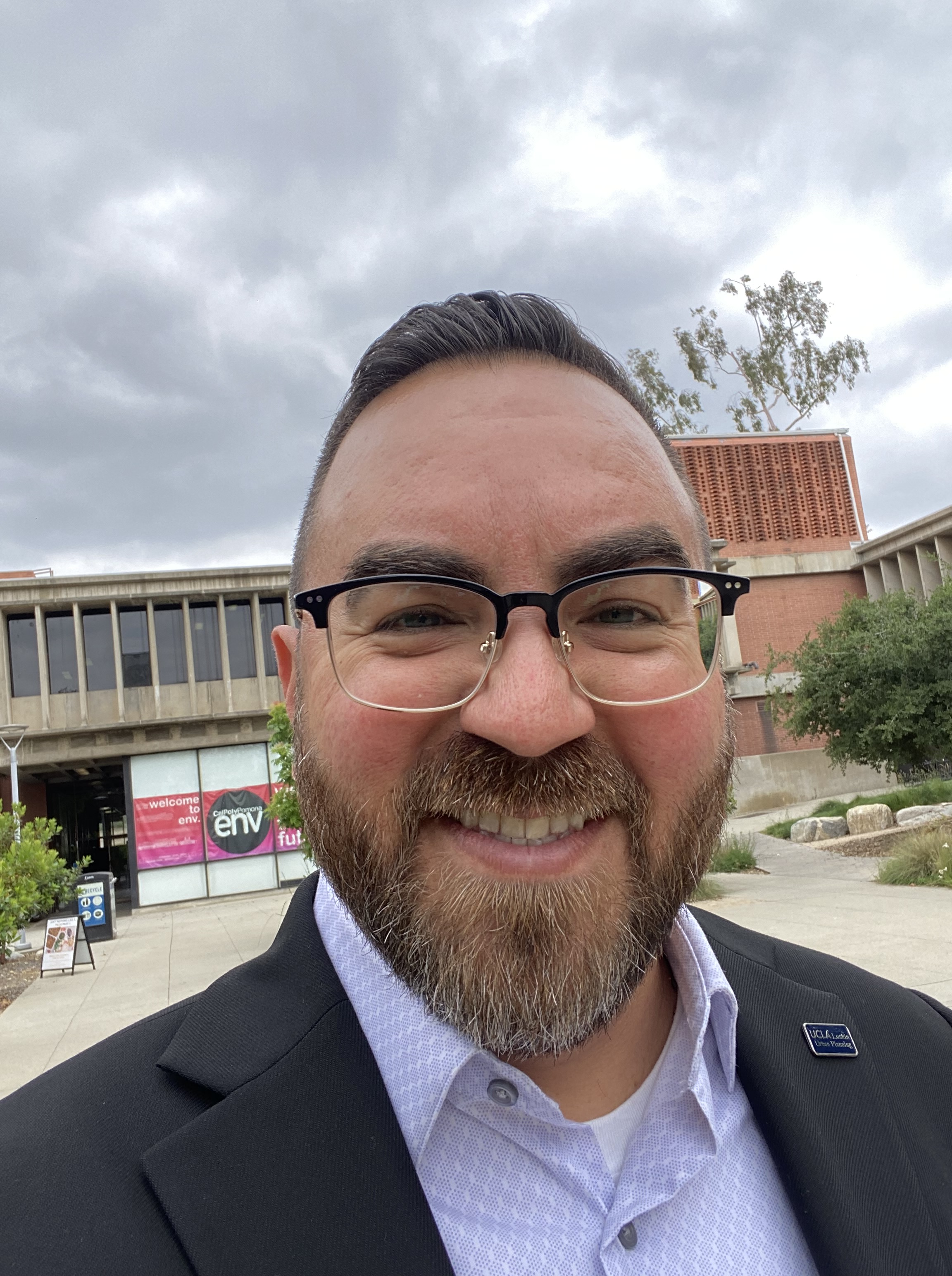
My time at Cal Poly Pomona has come to an end. The last 4 years were a dream come true. In 2021, I’d never have imagined that 1 lower division course would blossom into 6 across our bachelor’s and MURP programs, including my personal goal of teaching planning theory (my favorite at UCLA Luskin!). With that accomplished, I’ve decided to exit on a high note. This move makes space for new lecturers . . . new ideas, new lessons, new texts, new assignments, new theories, new planning methods, new pedagogies, new critiques, new praxis.
I’ll miss my students. My greatest joy was being a part of their journeys. I got to see folks new to the field evolve before my eyes into fierce urban planners—change agents. I hope my ramblings contributed to their growth. My students give me boundless hope. The future of urban planning is in good hands.
I was a mentor before CPP and I remain one. I’ve formed lifelong relationships with CPP students, faculty, and university fam. Many believe in Embedded Planning and other forms of activist praxis. We have momentum.
So this isn’t a “goodbye” but rather a “see you out there, in the neighborhoods, alongside our community members, planning and organizing, with your feet on the street.”
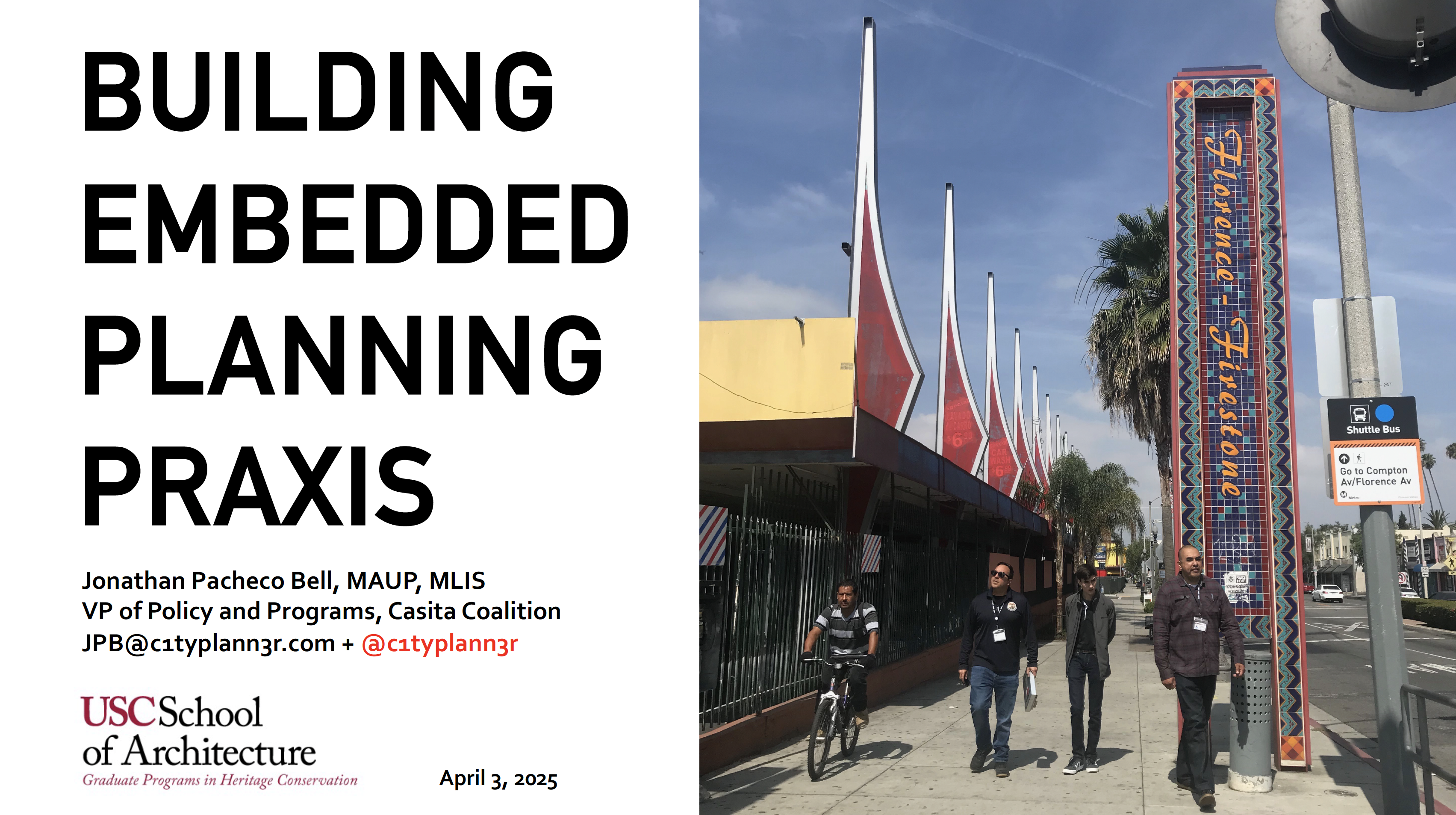
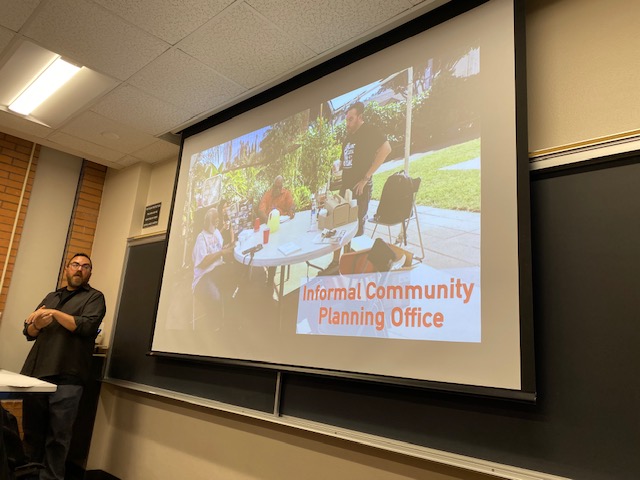
Scenes from USC Architecture from my 4/3 guest talk, “Building Embedded Planning Praxis.” The invited lecture was delivered in the USC Master of Heritage Conservation graduate course, Heritage Conservation Policy and Planning.
This is chapter 1 in the story of Embedded Planning praxis.
I lay out my path to Embedded Planning which includes coming up as graffiti writer and hip hop kid in the 80s & 90s, dropping out of architecture school in ‘98, and then finding urban planning thanks to Mike Davis and Edward W. Soja (both rest in power). Embedded Planning was co-created with community members in Florence-Firestone in South Central LA.
Who’s the cat in the photo?! In 2003 in the MAUP program at UCLA Luskin Department of Urban Planning, I took an architecture theory course where I learned Professor Gregory Ulmer’s CATTt method for writing a manifesto. I would go on to use the CATTt to write my 1-page manifesto on Embedded Planning titled, “We Cannot Plan From Our Desks,” published in the October 2018 issue of APA’s Planning Magazine.
And now we’re a worldwide movement in planning theories and practices.
Photos by Meredith Drake Reitan, Professor & Associate Dean. Thanks for the invite to speak with your MHC students!


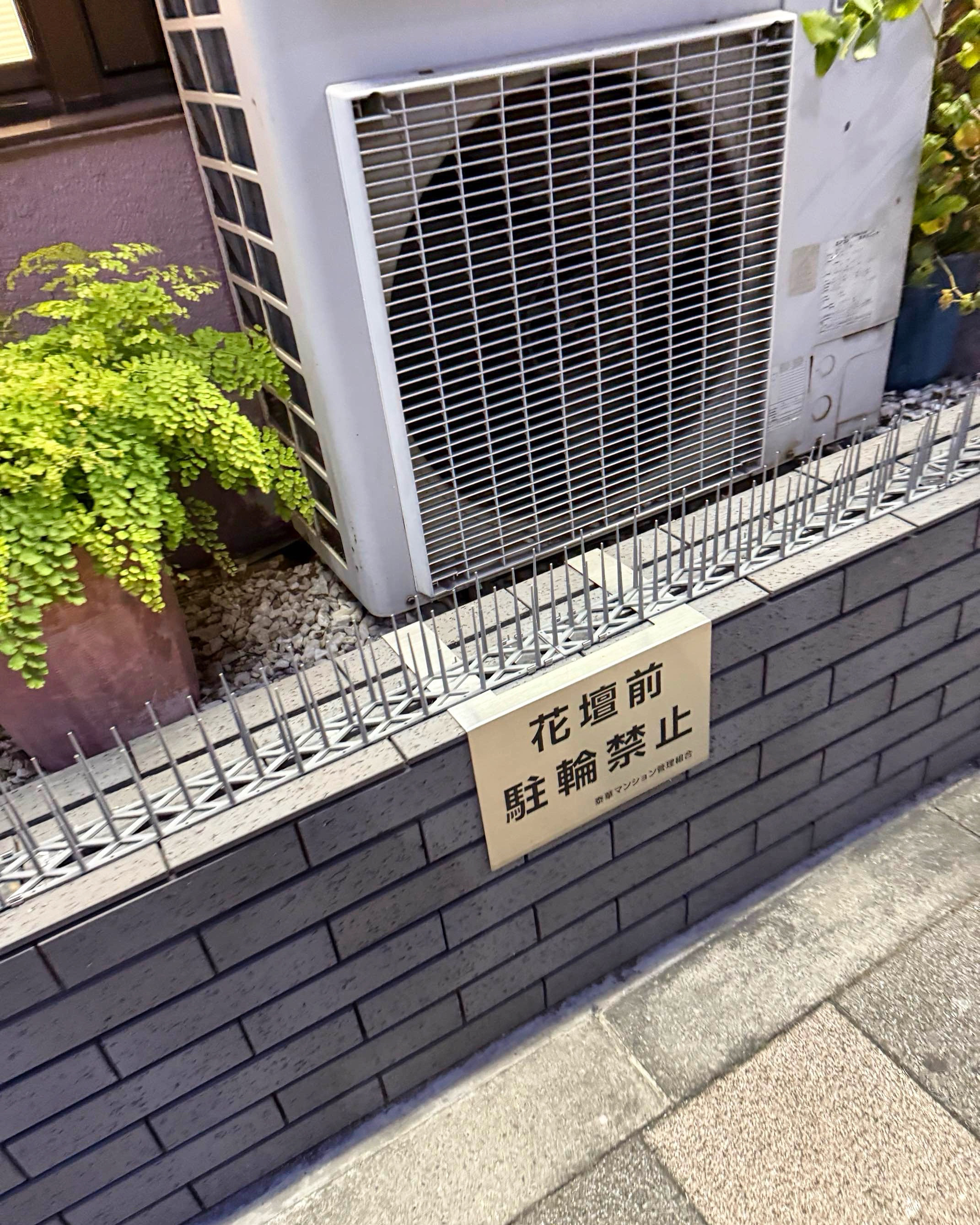
Cal Poly Pomona MURP student Abby Urquiza found some conspicuous Hostile Architecture in Tokyo. Last semester, we examined Hostile Architecture in the Planning & Control module in our course, URP 5120: Planning Ideas & Action. From our readings:
The city is engaged in a merciless struggle to make public facilities and spaces as ‘unlivable’ as possible for the homeless and the poor.
~Mike Davis, Fortress LA chapter, City of Quartz: Excavating the Future in Los Angeles (1990)
“Planning as oppression” does exist in a variety of settings and . . . it affects a range of social relations in space.
~Oren Yiftachel, Planning and Social Control: Exploring the Dark Side (1998)

Embedded Planning is the Future keynote at the APA OKI Conference 2024, Friday, November 22, 2024, during lunch.
Summary:
Jonathan Pacheco Bell’s Embedded Planning approach revolutionizes planning practice by emphasizing street-level planning within the community rather than traditional desk-based methods. Developed by Bell in South Central LA and publicly introduced in 2018, this praxis seeks to rebuild trust and foster meaningful relationships with marginalized communities historically harmed by inequitable planning.
Embedded Planning involves planners working directly from community spaces and places, engaging residents in their everyday environments. This immersive approach helps planners gain a deeper understanding of local needs and aspirations, ensuring that community voices significantly shape planning decisions. By embedding themselves into neighborhoods, planners build strong, authentic relationships, moving beyond one-off, transactional, superficial consultations to create lasting and impactful partnerships.
Despite its support from communities, Embedded Planning has faced resistance from conventional planning practice and management, which has viewed this approach with skepticism. Working from the neighborhood to integrate community directly into planning processes challenges traditional methods and requires navigating complex dynamics between stakeholder expectations and regulatory constraints.
Since its inception, Embedded Planning has gained an international following among emerging planners who are eager to implement more inclusive practices. Bell’s talk will highlight real-world case studies, reflections, and personal experiences, while also showcasing the approach’s challenges and benefits. Attendees will learn how Embedded Planning fosters trust, informs better decision-making, and promotes more equitable community development. This emerging movement represents a crucial shift towards centering planning as an active and continuous process from within the community and represents the future of planning.

Embedded Planning is the Future keynote at the APA OKI Conference 2024, Friday, November 22, 2024, during lunch.
Bio:
Jonathan Pacheco Bell is a Senior Embedded Planner at 4LEAF, Inc., Lecturer in Urban & Regional Planning at Cal Poly Pomona, and Vice President/Public Information Officer of the nonprofit Florence-Firestone Community Organization in South Central Los Angeles.
A practicing urban planner with over 20 years of experience spanning the public, private, and nonprofit sectors, Jonathan has expertise in community engagement, participatory design, inclusive public space, long-range plans, zoning enforcement, ordinance development, planning studies, and project management.
During his tenure as a County planner in South Central LA’s Florence-Firestone community, Jonathan created Embedded Planning. This praxis situates the work of planners on the street-level, not behind a desk, to increase equity and participation for historically marginalized populations harmed by inequitable planning. What began in South Central is now an international movement of Embedded Planners with feet on the street. Jonathan has guest lectured widely on Embedded Planning praxis. His speaking engagements include Columbia University, UCLA, Ohio State, University of Utah, Pratt Institute, Stanford Engineering, Woodbury University, and East LA College Architecture; state and national APA Conferences in California, Iowa, and Louisiana; and public forums such as AARP Livable Communities, City Parks Alliance, and the SF Urban Film Fest.
Jonathan has been a leader in the American Planning Association for over a decade. He’s a member of the Latinos and Planning Division and is published in APA’s practitioner magazine, Planning. He previously served as APA Los Angeles Social Media Director and was the Southern California representative on the APA National Social Equity Task Force. This year, Jonathan proudly received the Planning Advocate Award of Excellence from APA Los Angeles and the Planning Pioneer Award of Excellence from APA Inland Empire.
Born and raised in LA’s Latino/a Eastside, Jonathan serves as a mentor to First Gen students and emerging planners. A product of the California public school system from kindergarten to graduate school, he holds an M.A. in Urban Planning from UCLA Luskin School of Public Affairs, and additional degrees in library and information science, political science, and architecture. Connect at c1typlann3r.blog.

I’m returning to teach this MURP course, URP 5120: Planning Ideas and Action, aka Planning Theories and Practices.
Course Description: There are competing views about what planning is and what processes planners should use to carry out their work, including arguments for technocratic, communicative, advocacy, and radical approaches. These views stem from differing understandings in philosophy, political economy, and justice. The course asks you to learn about and critically evaluate alternative planning approaches in the context of planning practice. You will be challenged to explore how to put complex ideas into action as part of planning praxis – putting theories into practice to better the world. By the end of the course, you should be able to recommend planning processes that are appropriate to a given planning problem. You should also be able to articulate the relationship of your recommendations to your own values and those of the profession. Fundamentally, the course is about how to plan. We emphasize processes by which planners can add reason and judgment to planning “messes,” recognizing the rarity of well-defined, purely technical problems in communities.
Fall 2024, Tuesdays 7:30-9:15pm, with alternating instruction in person & virtual weeks.
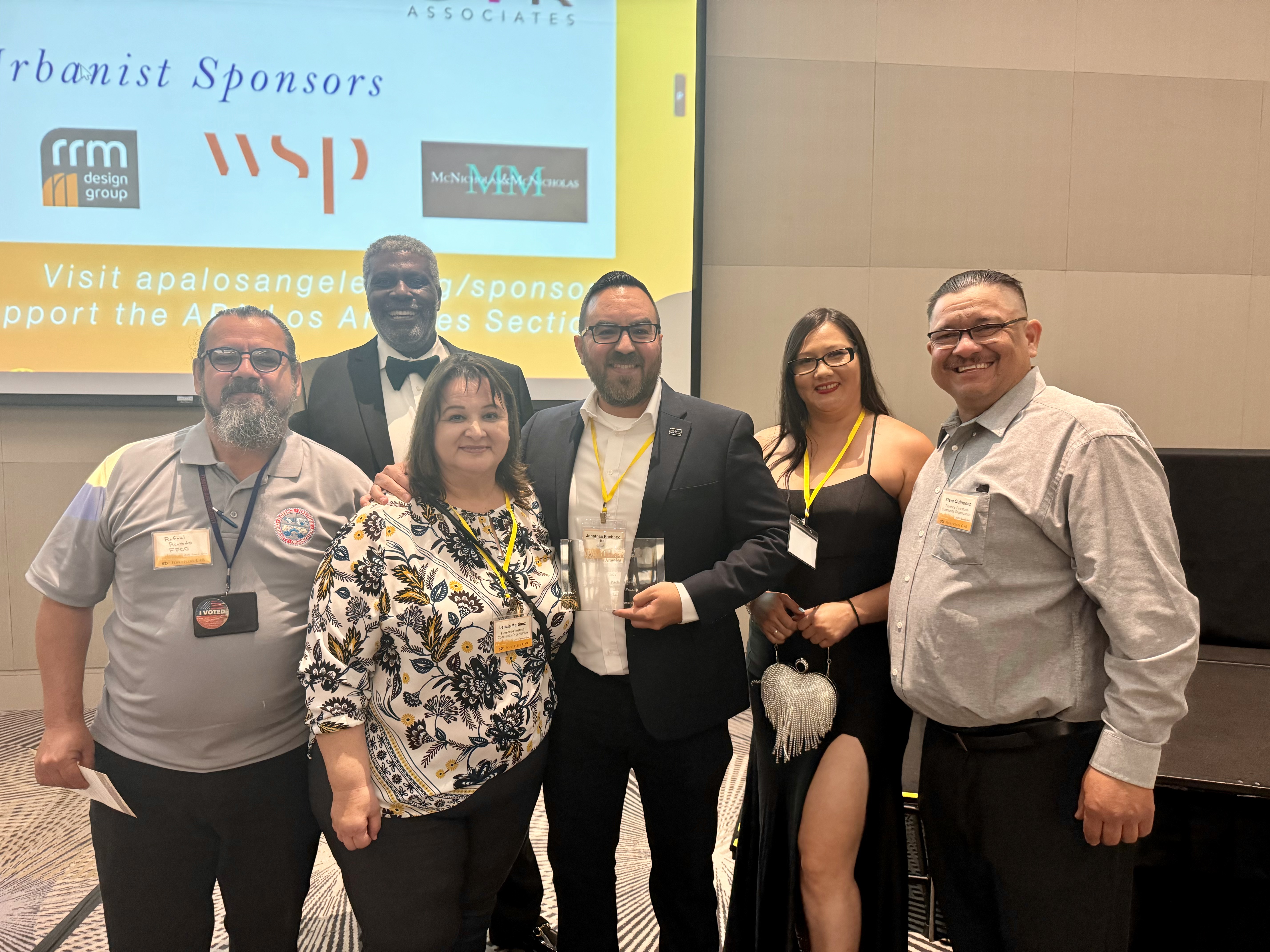
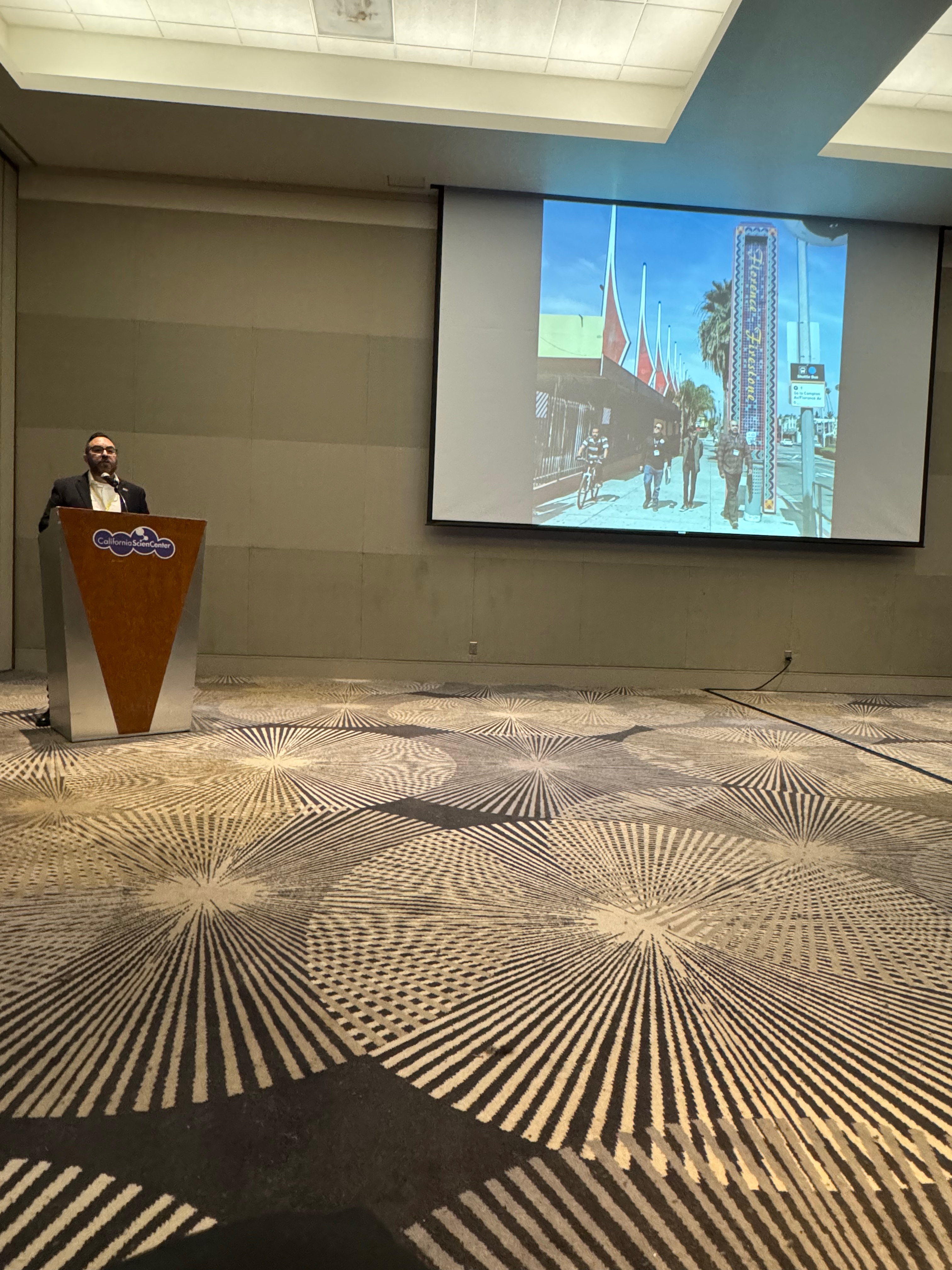
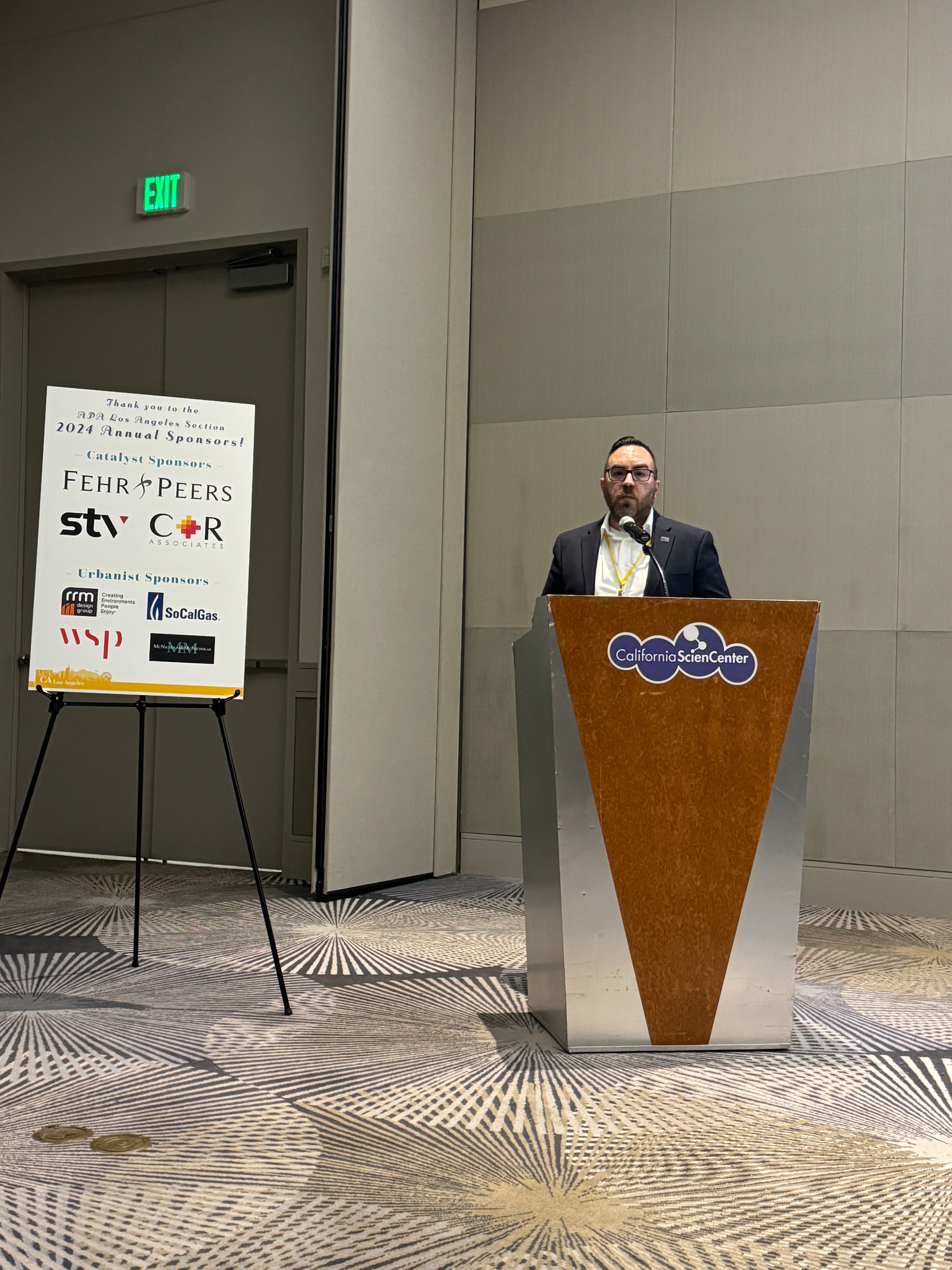
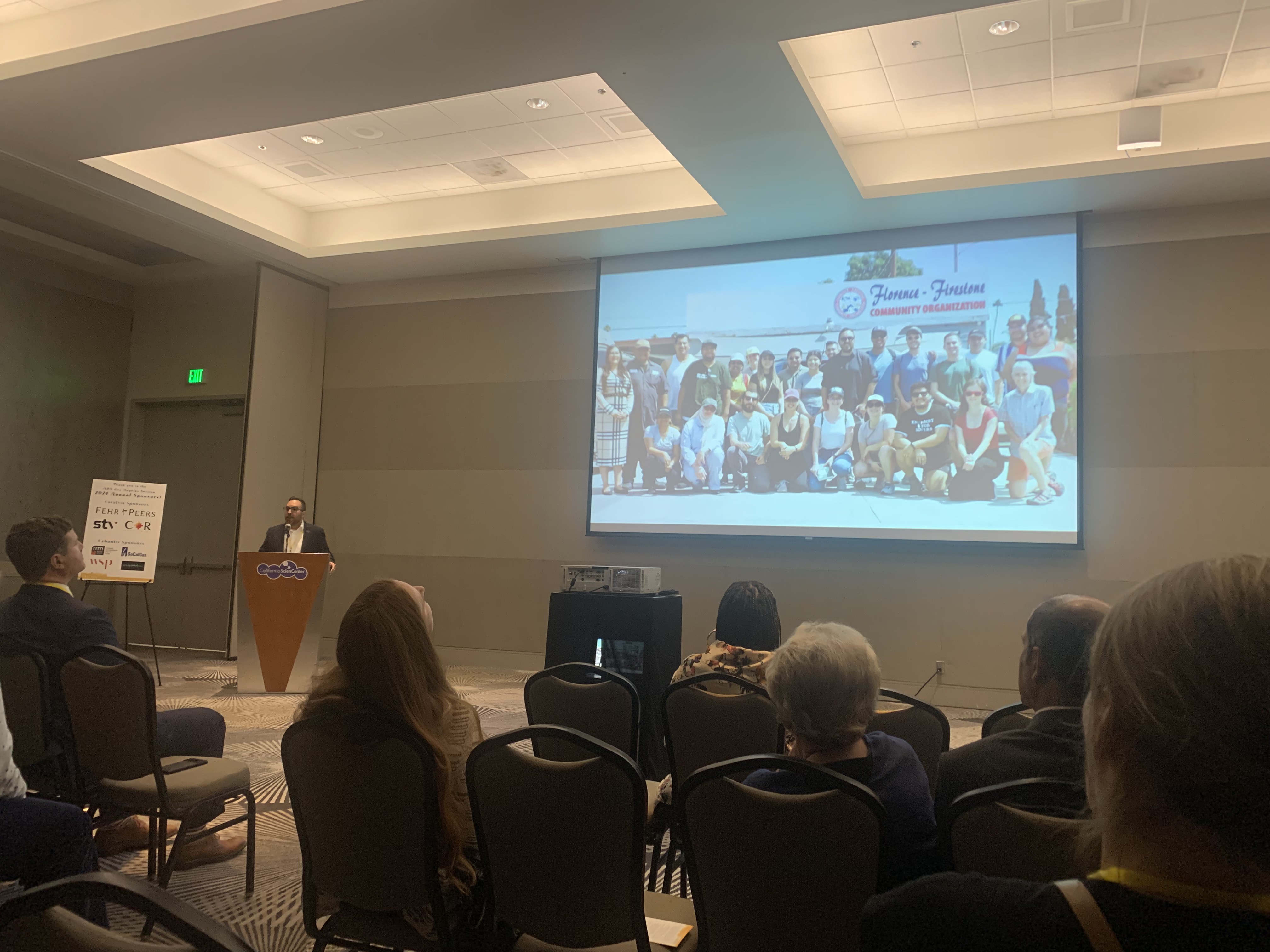
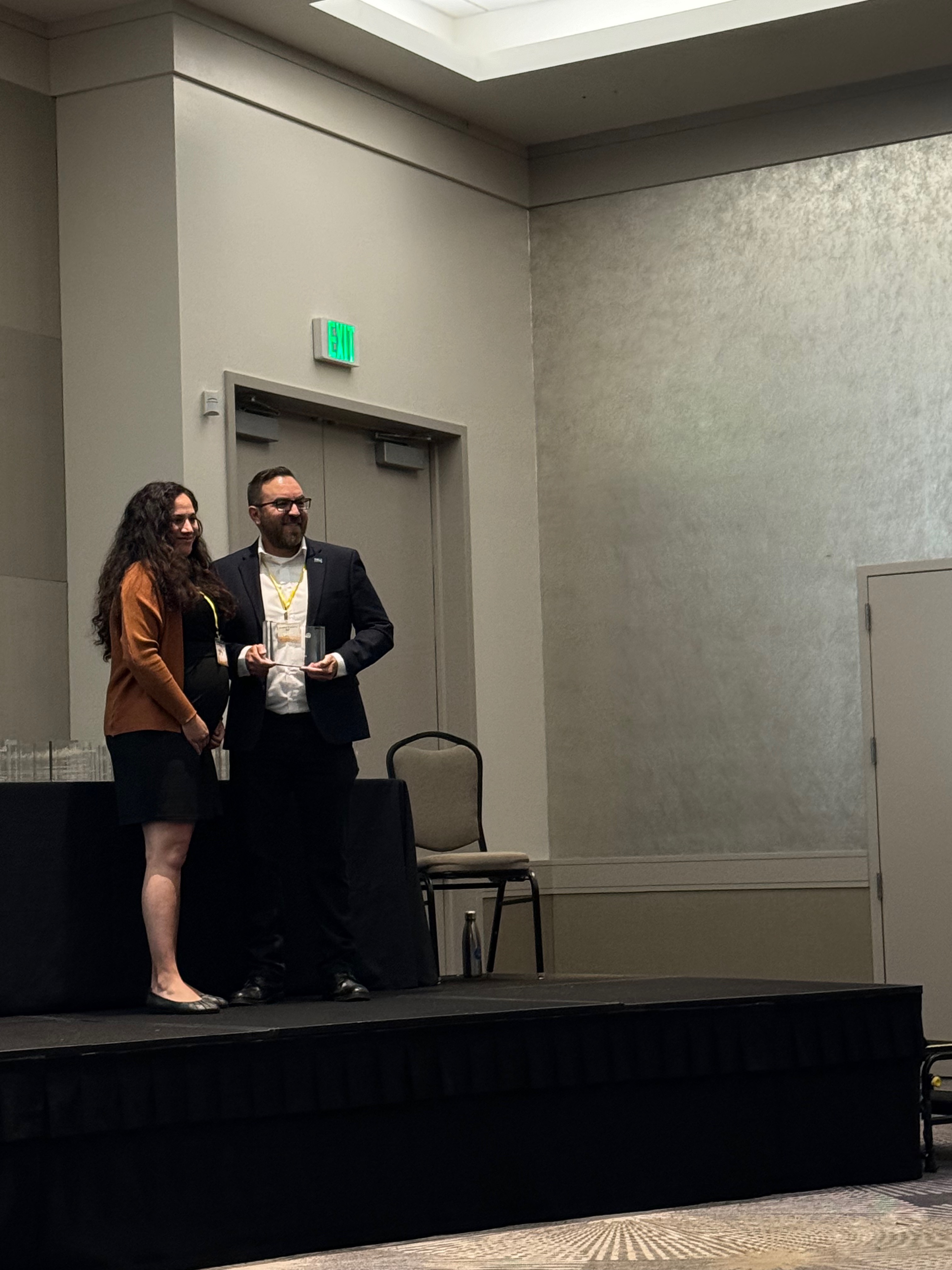
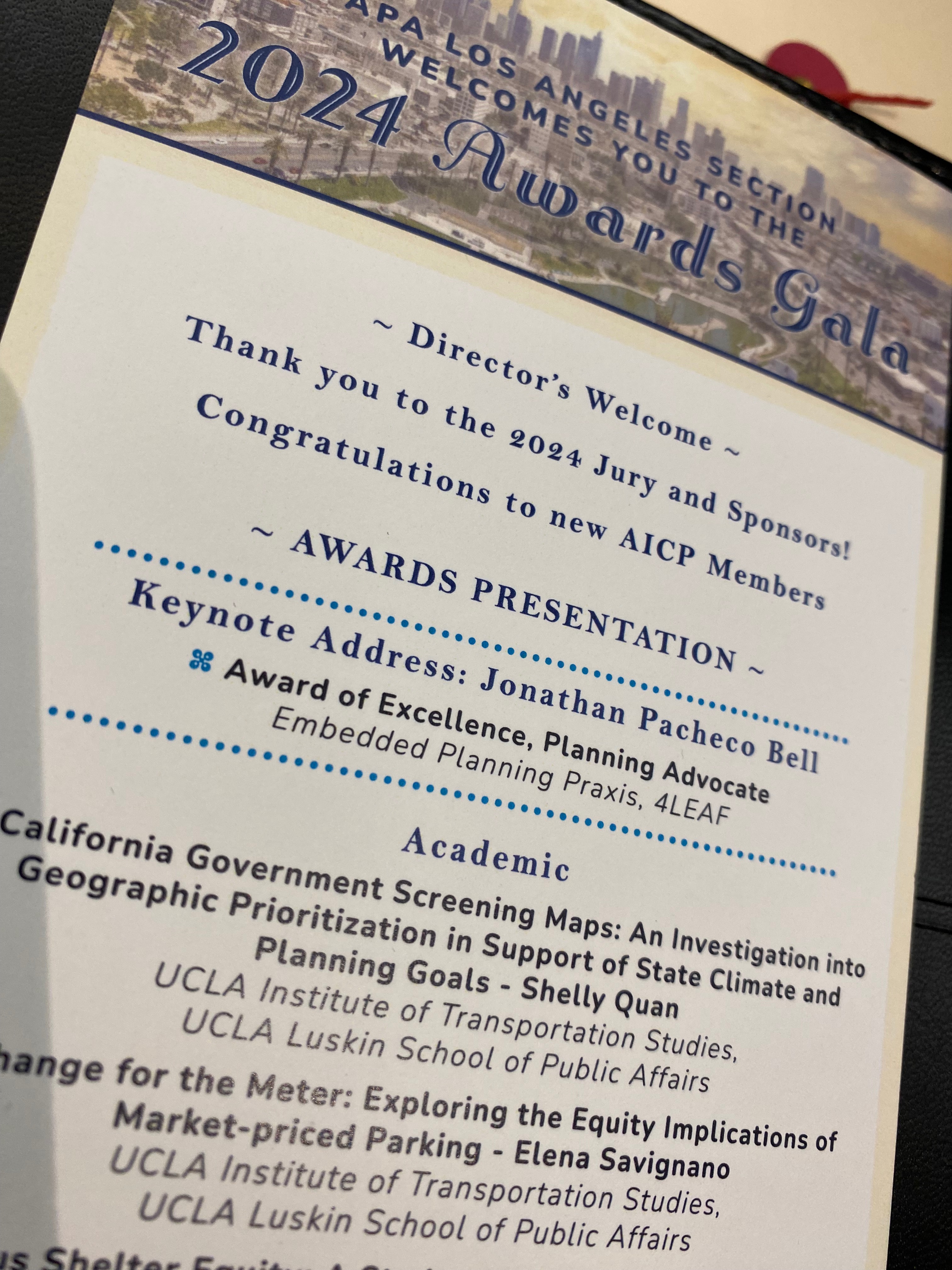
On June 25, I received the Planning Advocate Award 2024 and delivered the invited keynote on Embedded Planning at the APA Los Angeles annual awards gala. I thank my colleagues for the recognition and support! It means a lot coming from my home section.
Rightfully, Florence-Firestone Community Organization was in the house. Embedded Planning was born on the streets of Florence-Firestone in South Central LA. We wouldn’t be here without Florence-Firestone.
As I wrote after the APA Inland Empire awards, and as I shared in the LA keynote, our #EmbeddedPlanning movement won. What began in Florence-Firestone is now a planning praxis in other states, regions, countries, and hemispheres.
We have built the future of planning.


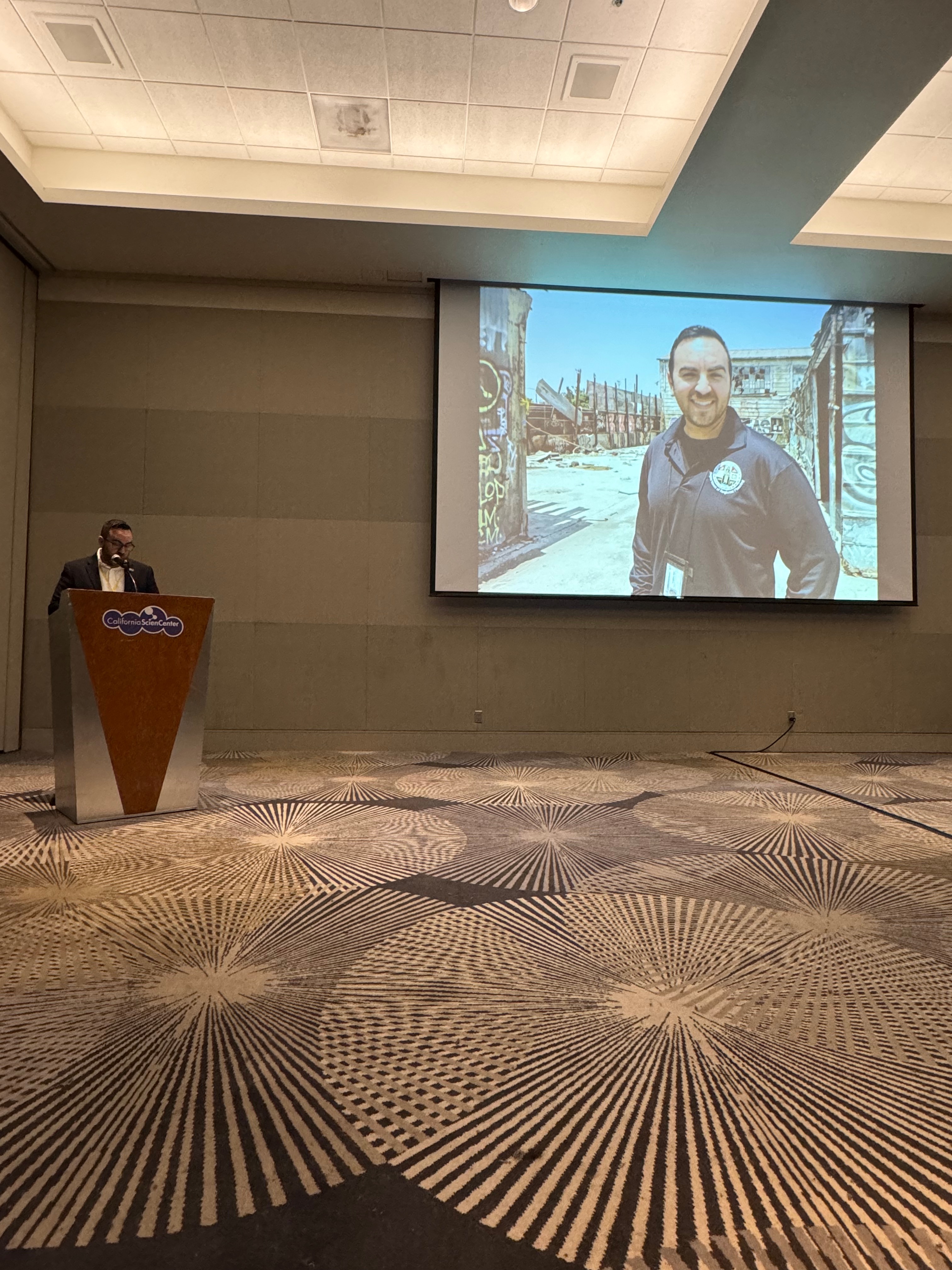

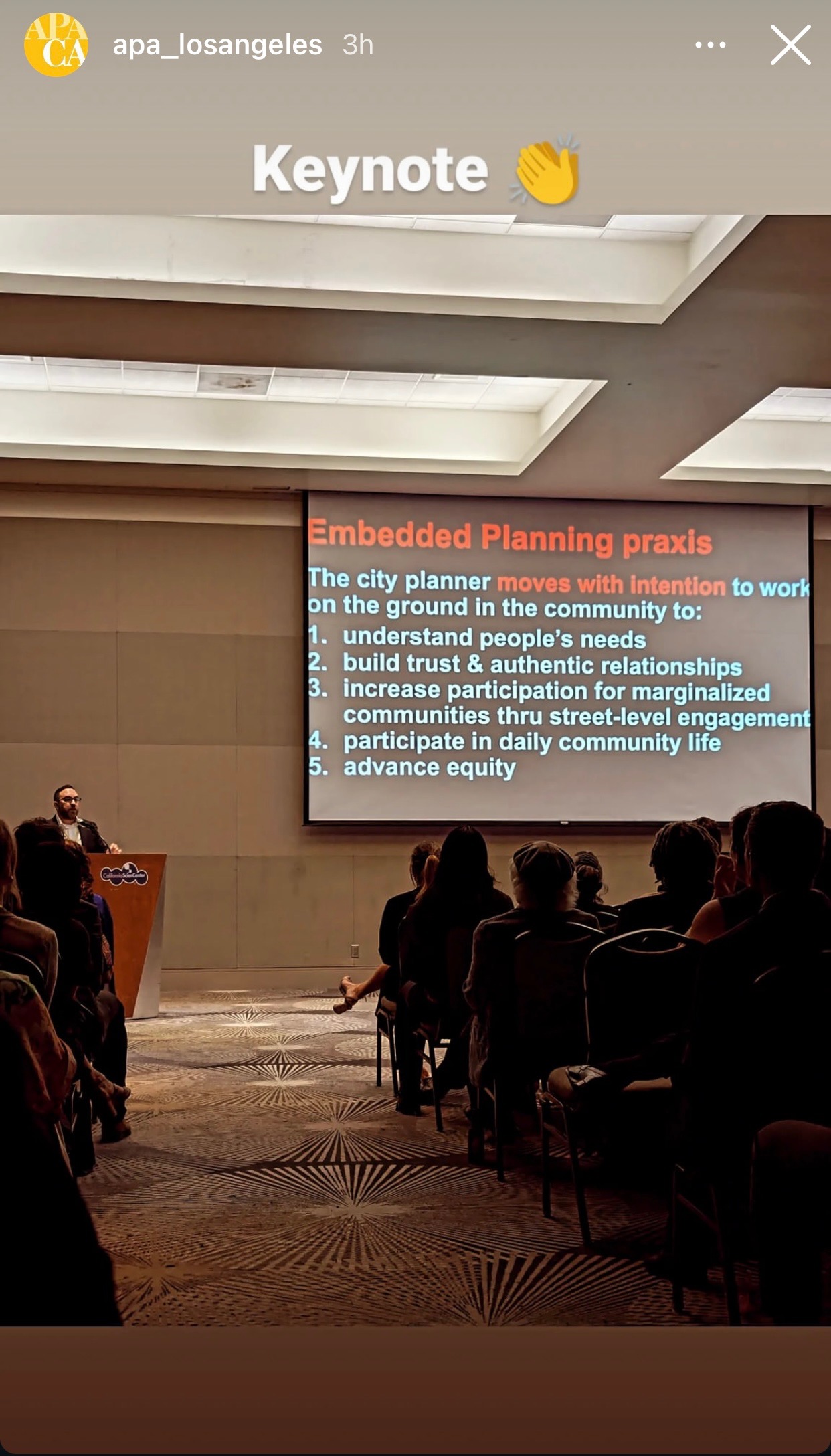
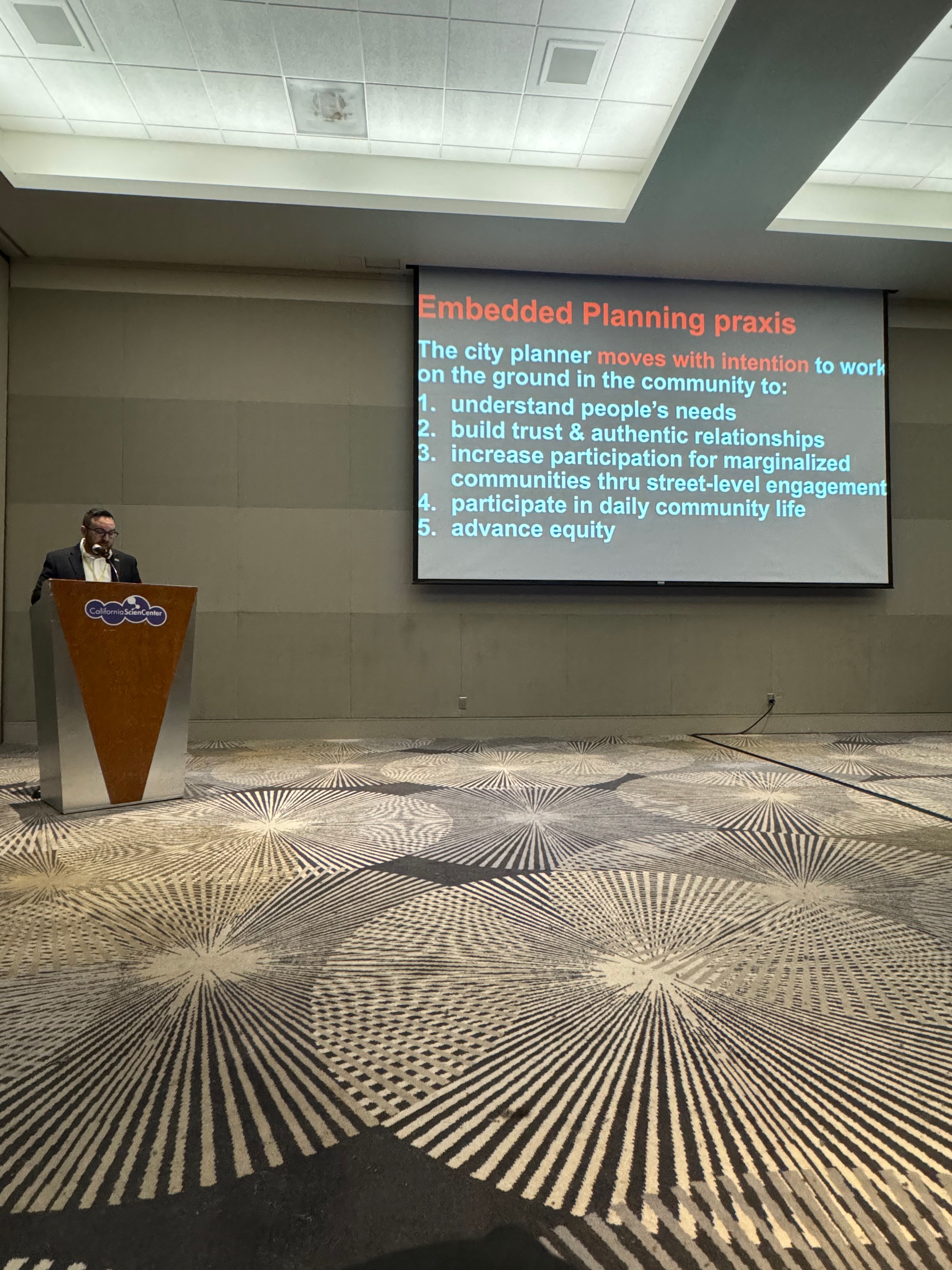






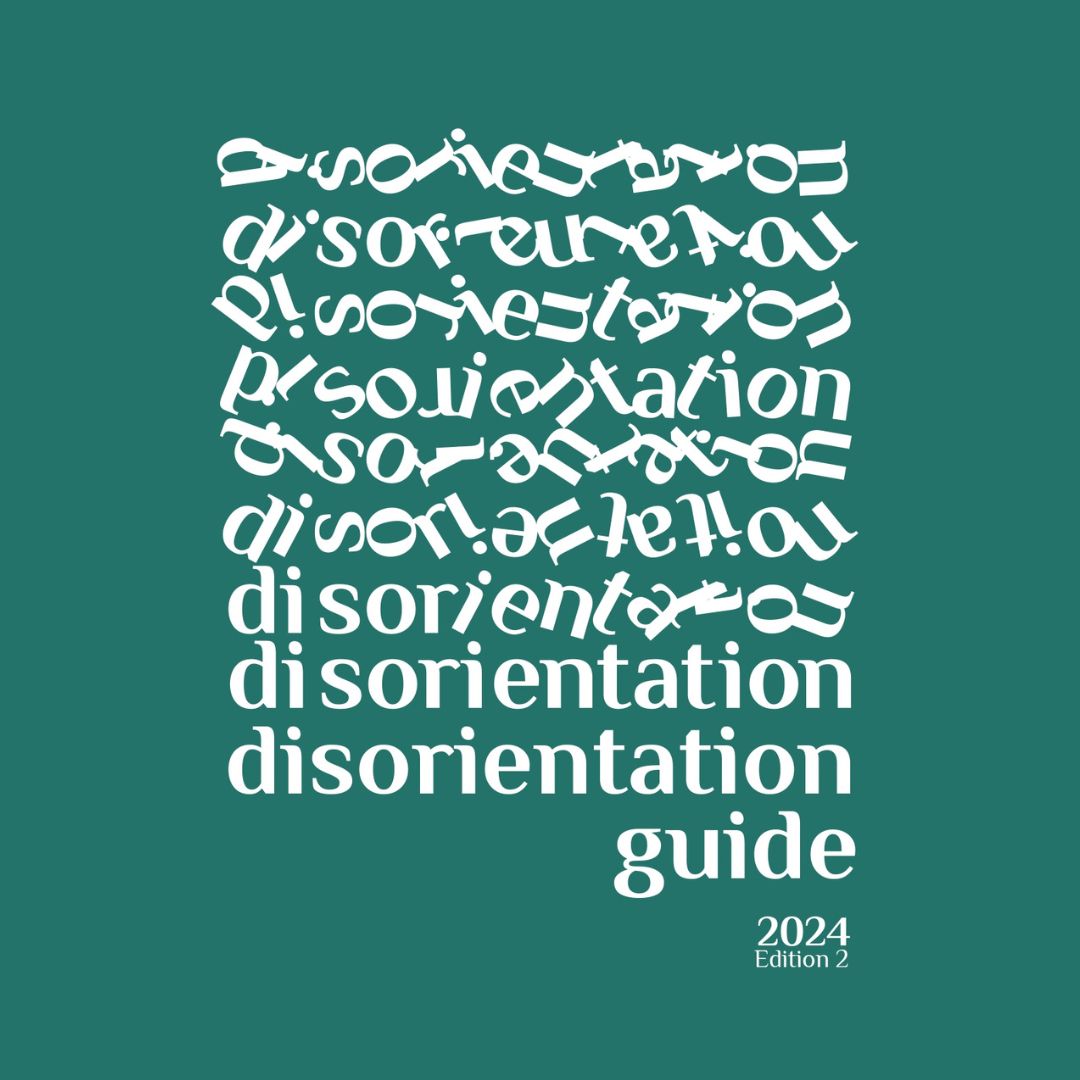
As a member of the Planners Network social media team, I’m stoked to announce that the second edition of the Planners Network Disorientation Guide is now ready and freely accessible at the following link: bit.ly/DisorientationGuide2024. Special thanks goes out to our authors and contributors, our main editor Cara Chellew, and the editorial and design/lay-out team for all their hard work. Finally, it would not have been possible to make this a freely-accessible resource without the ongoing support and contributions of PN members. Not yet a PN member? Join here.
Description of Guide: What does it mean to be a “progressive” or “radical” planner? And what kind of power do planners have to enact change? The Planners Network Disorientation Guide attempts to orient folks new to the field of urban and regional planning to ideas, concepts, and practices linked to progressive or radical planning traditions. Reimagined 20 years after its first iteration, the Disorientation Guide features a range of articles, interviews, and excerpts sourced from progressive planning academics and practitioners. In addition, the guide includes additional resources with links to grassroots organizations, non-profits, and academic research groups involved in progressive city-building practices. It is our hope that this guide can help to inspire positive ways forward amid present challenges and offer a lens into the kinds of alternative visions and practices that planning can be. Download the guide (PDF) at: http://bit.ly/DisorientationGuide2024.
Please print, share, and distribute!
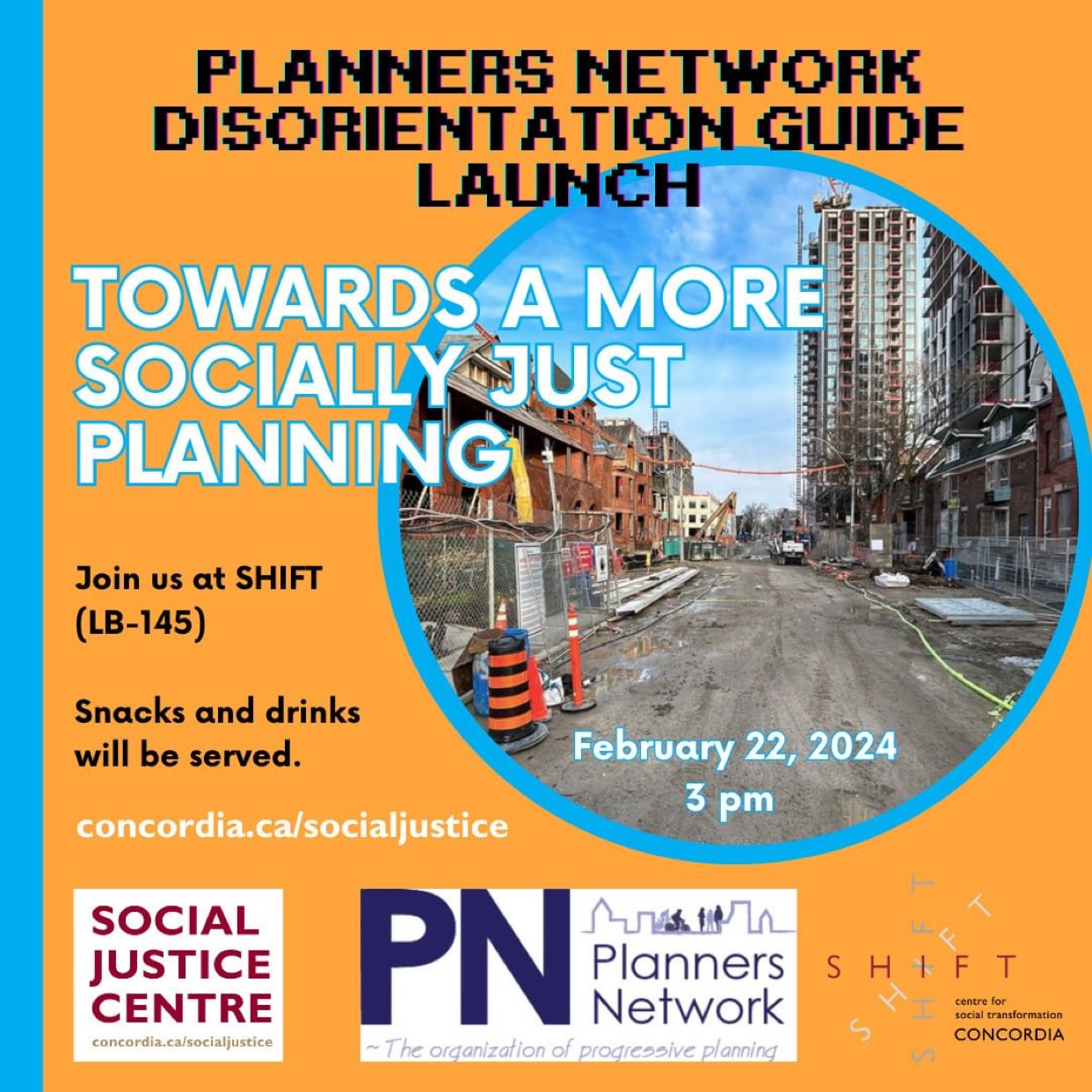
Excited for the launch of the 2nd edition of the Planners Network Disorientation Guide. I wrote a new article on Embedded Planning Praxis for it.
Our updated Guide comes 20 years after publication of the 1st edition in 2004-05, which I read closely during my MAUP studies at UCLA Urban Planning.
Big up to editors Cara Chellew, Dr. Norma Rantisi, and peer reviewers! Stay tuned.
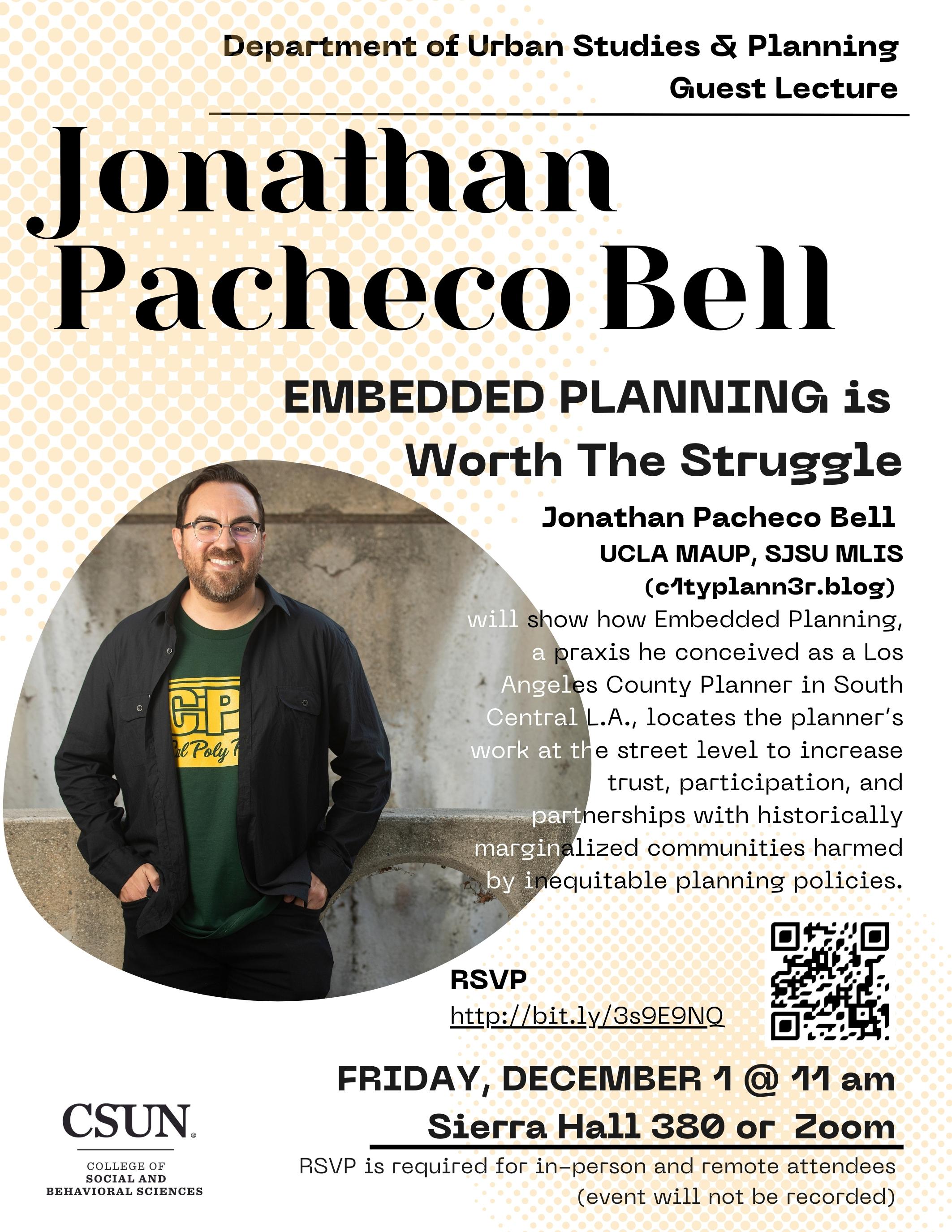
I’m doing the talk “Embedded Planning Is Worth The Struggle” at CSUN, Friday 12/1 at 11am in Dr. Brettany Shannon’s course URBS 380: LA Past, Present, & Future
Description:
Planning is political. Decisions about the built environment inherently impact people’s lives. Everything planners do involves a struggle over “who gets what, when, where, how, and why?” Planners respond to this debate but many of our practices have resulted in unjust planning.
In this time of increasing interrogation of planning’s legacies of inequity, planners are moving with intention to be better partners. As part of repair and healing, planners are seeking more ways to build meaningful community partnerships. No longer is Rational Planning the default. But while the pivot to participatory methods helped democratize the planning process, professional practice still prefers project-based, one-off, transactional engagement.
Orthodox planning must evolve.
A better way is possible.
LA-based urban planner Jonathan Pacheco Bell urges practitioners to consider Embedded Planning praxis. Developed by Bell on the ground in South Central LA, Embedded Planning is a way to fundamentally restructure community engagement and practice. Embedded Planning means planning from the street, not from a desk. Embedded Planners work in the spaces and places of community members, building bridges with marginalized communities harmed by inequitable planning. Embedded Planning is a praxis that puts theory into action to better the world. Since Bell declared Embedded Planning exists in 2018, it has grown into an international movement among emerging planners.
Community members have embraced Embedded Planning because they feel seen and included as partners. Yet despite the praxis bringing ignored voices to the table, Bell encountered blatant hostility from planning figureheads who judged Embedded Planning as “too political.” Through storytelling and personal reflection, Bell will illustrate the struggle to carry out Embedded Planning in the face of power. Attendees will learn the challenges and benefits of this unorthodox approach and understand why this praxis is the future of planning.
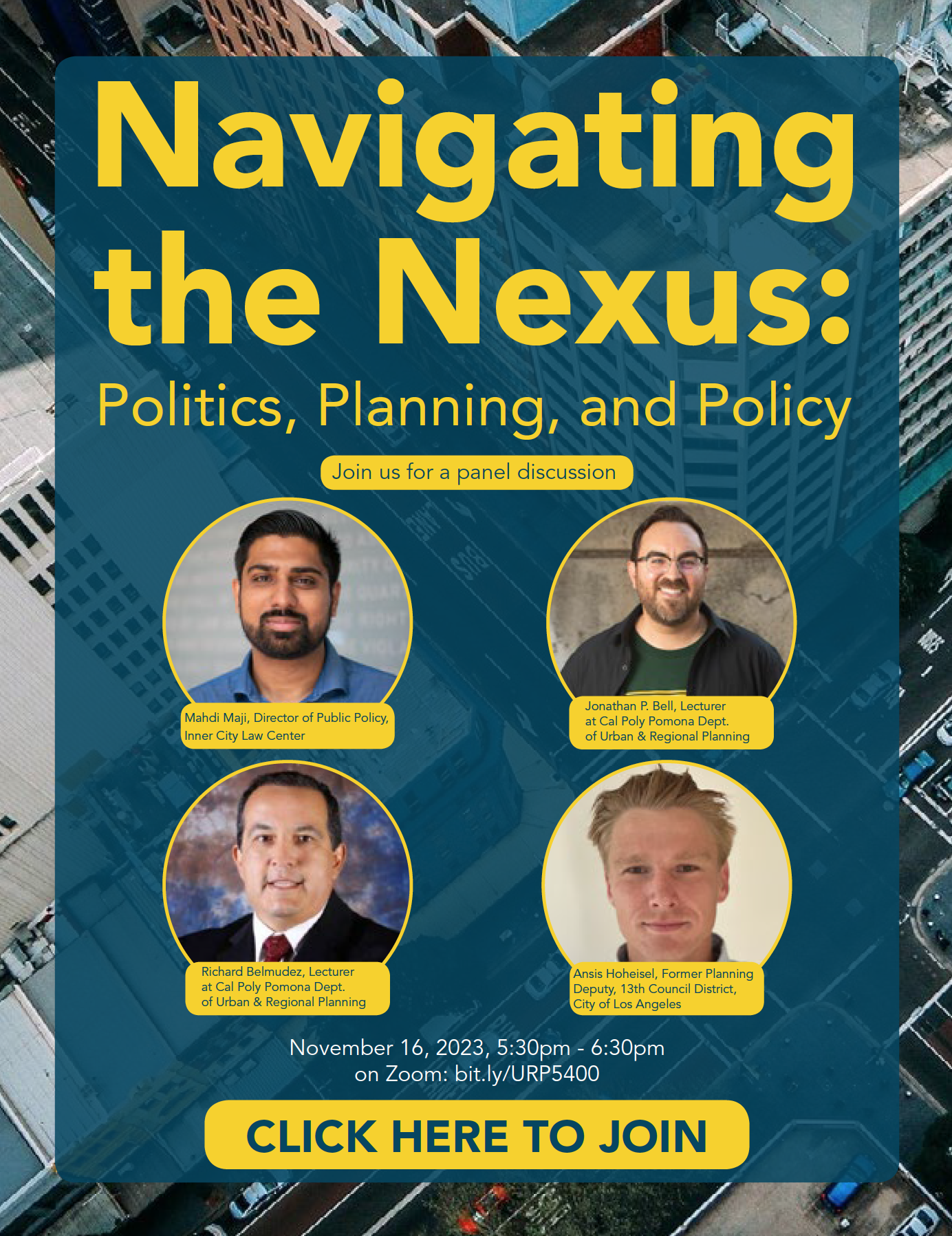
Shout out to Cal Poly Pomona students in URP 5400 for organizing the panel, “Navigating the Nexus: Politics, Planning, and Policy.”
I enjoyed sharing space with fellow panelists and students.
We shared stories, reflections, and tactics for navigating the politics of planning.
I got the chance to talk with a new audience about Embedded Planning as a method to bridge the theory/practice gap.

Originally written in 2004 in my first year at UCLA Urban Planning, unearthed in my mom’s garage in Montebello in 2019, edited in Pasadena and poolside in Las Vegas in June 2022 and June 2023, final edits in Pasadena in July 2023, and now published as the first entry in my overdue Student Papers Archive series on Medium:
“What’s Theory Got to Do With It? An Examination of the Utility of Planning Theory in Planning Practice.”
Article: https://c1typlann3r.medium.com/planning-theory-and-planning-practice-d4bf60a61146
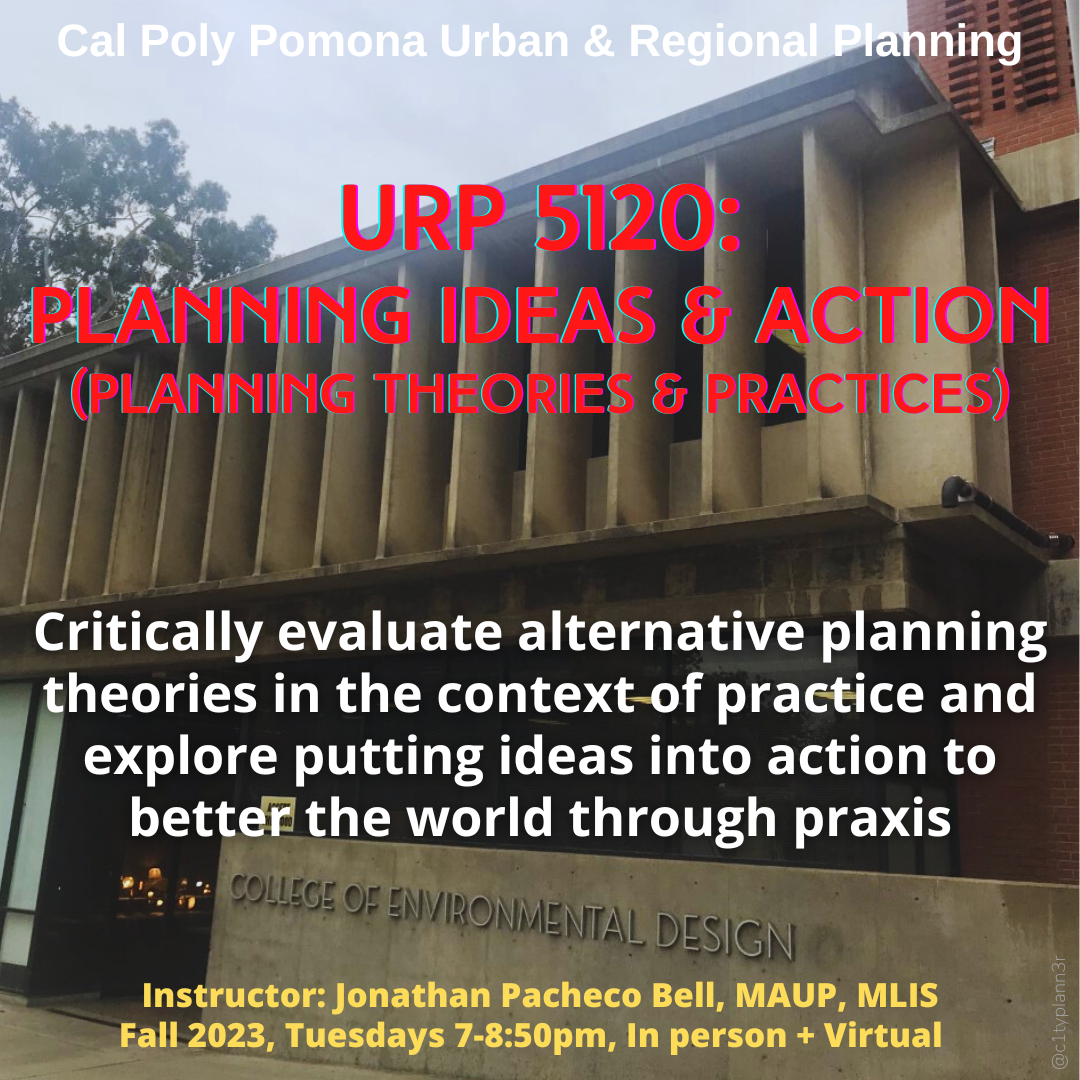
My upcoming first semester MURP course at Cal Poly Pomona College of Environmental Design 📍
URP 5120: Planning Ideas and Action, aka Planning Theories and Practices
Course Description: There are competing views about what planning is and what processes planners should use to carry out their work, including arguments for technocratic, communicative, advocacy, and radical approaches. These views stem from differing understandings in philosophy, political economy, and justice. The course asks you to learn about and critically evaluate alternative planning approaches in the context of planning practice. You will be challenged to explore how to put complex ideas into action as part of planning #praxis – putting theories into practice to better the world. By the end of the course, you should be able to recommend planning processes that are appropriate to a given planning problem. You should also be able to articulate the relationship of your recommendations to your own values and those of the profession. Fundamentally, the course is about how to plan. We emphasize processes by which planners can add reason and judgment to planning “messes,” recognizing the rarity of well-defined, purely technical problems.

Honored to close out the 2022 Lectures in Planning Series at Columbia GSAPP with:
“Embedded Planning Is Worth The Struggle”
Tuesday, November 29, 2022 @ 1:15pm NY / 4:15pm LA. We will be live streaming. For details, check out the event page: https://www.arch.columbia.edu/events/2735-jonathan-pacheco-bell
Session description:
Planning is political. Decisions about the built environment inherently impact people’s lives. Everything planners do involves a struggle over “who gets what, when, where, how, and why?” Planners respond to this debate but many of our practices have resulted in unjust planning. In this time of increasing interrogation of planning’s legacies of inequity, planners are moving with intention to be better partners. And as part of repair and healing, planners are seeking more ways to build meaningful community partnerships. No longer is technocratic rational planning the default. But while the pivot to participatory methods helped democratize the planning process, professional practice still prefers project-based, one-off, transactional engagement.
Orthodox planning must evolve.
A better way is possible.
Los Angeles-based urban planner Jonathan Pacheco Bell urges practitioners to consider Embedded Planning praxis. Developed by Bell on the ground in South Central LA, Embedded Planning is a way to fundamentally restructure community engagement and practice. Embedded Planning means planning from the street, not from a desk. Embedded Planners work in the spaces and places of community members, building bridges with marginalized communities harmed by inequitable planning. Embedded Planning is a praxis that puts theory into action to better this world. Since Bell declared Embedded Planning exists in 2018, it has grown into an international movement among emerging planners. In this talk, Bell will show how Embedded Planning is being used to transform engagement into lasting community partnerships rooted in trust.
Community members have embraced Embedded Planning because they feel seen and included. Yet despite this praxis bringing ignored voices to the table, Bell encountered blatant hostility from planning figureheads who judged Embedded Planning as “too political.” Through storytelling and personal reflection, Bell will illustrate the struggle to carry out Embedded Planning in the face of power. Attendees will learn the challenges and benefits of this unorthodox approach and understand why this praxis is the future of planning.

You must be logged in to post a comment.