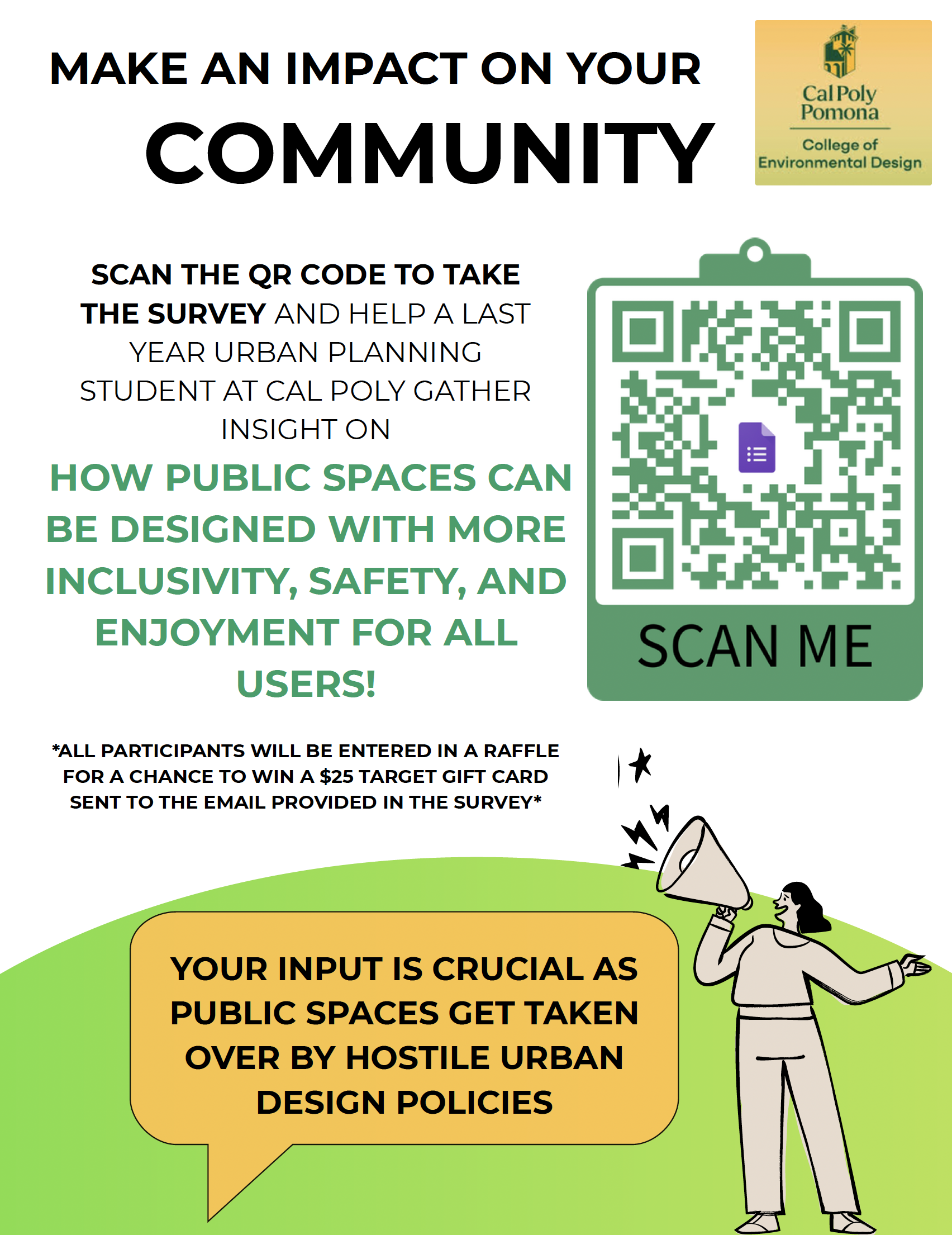
Planners + Community: Zena Al-Beitawi is doing an urban planning senior project examining how public spaces can be designed for inclusivity, safety, and enjoyment versus Hostile Architecture in Pomona, CA.
UCLA network in action! Jordan Grimaldi (MURP ‘26) is doing a master’s client project for City Fabrick analyzing utility right-of-ways in LA.
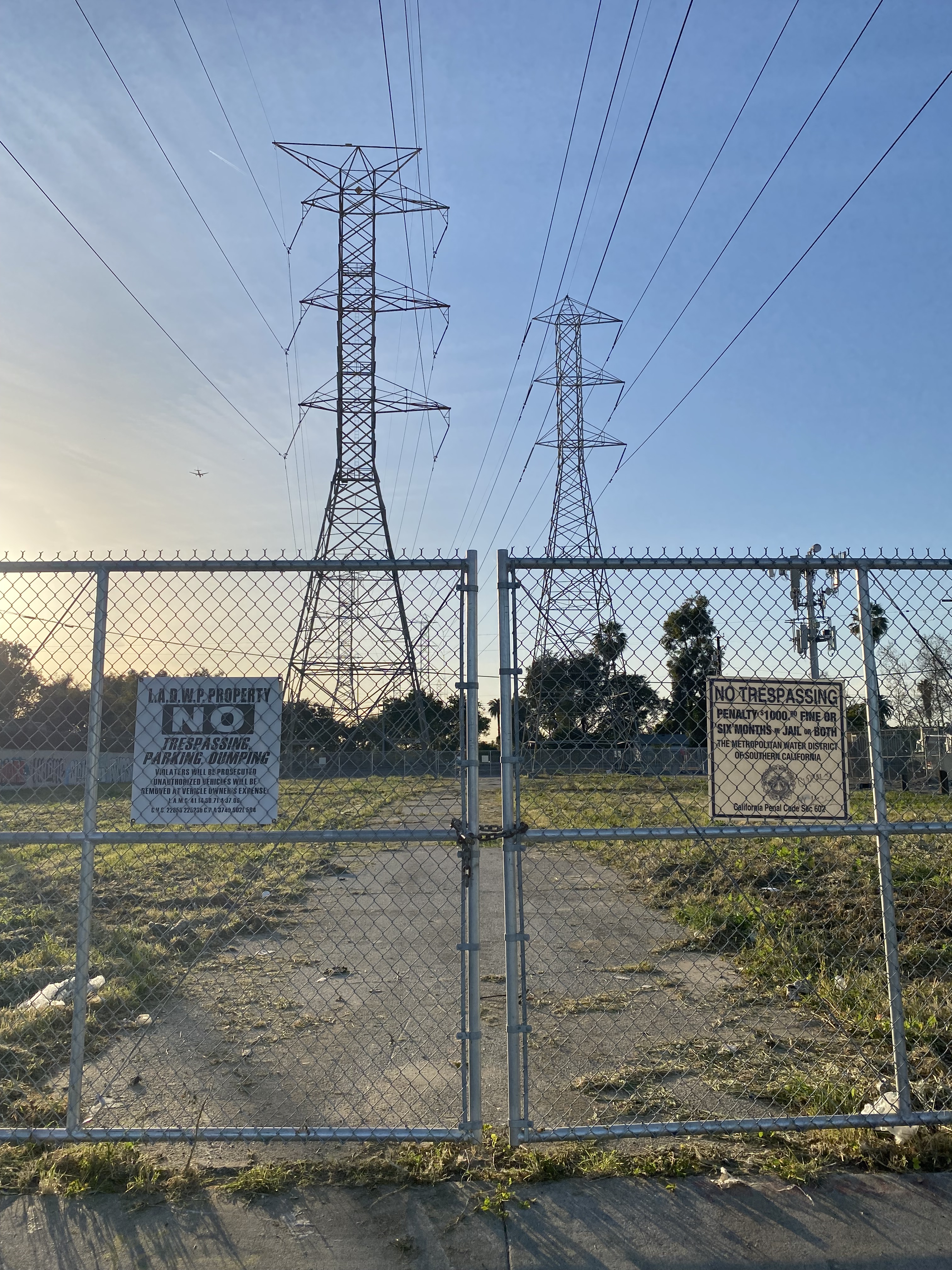
CF’s Alexander Jung, AICP (MURP ‘15) connected Jordan and me (MAUP ‘05) for deep background on the East 92nd Street utility right-of-way in Florence-Firestone.
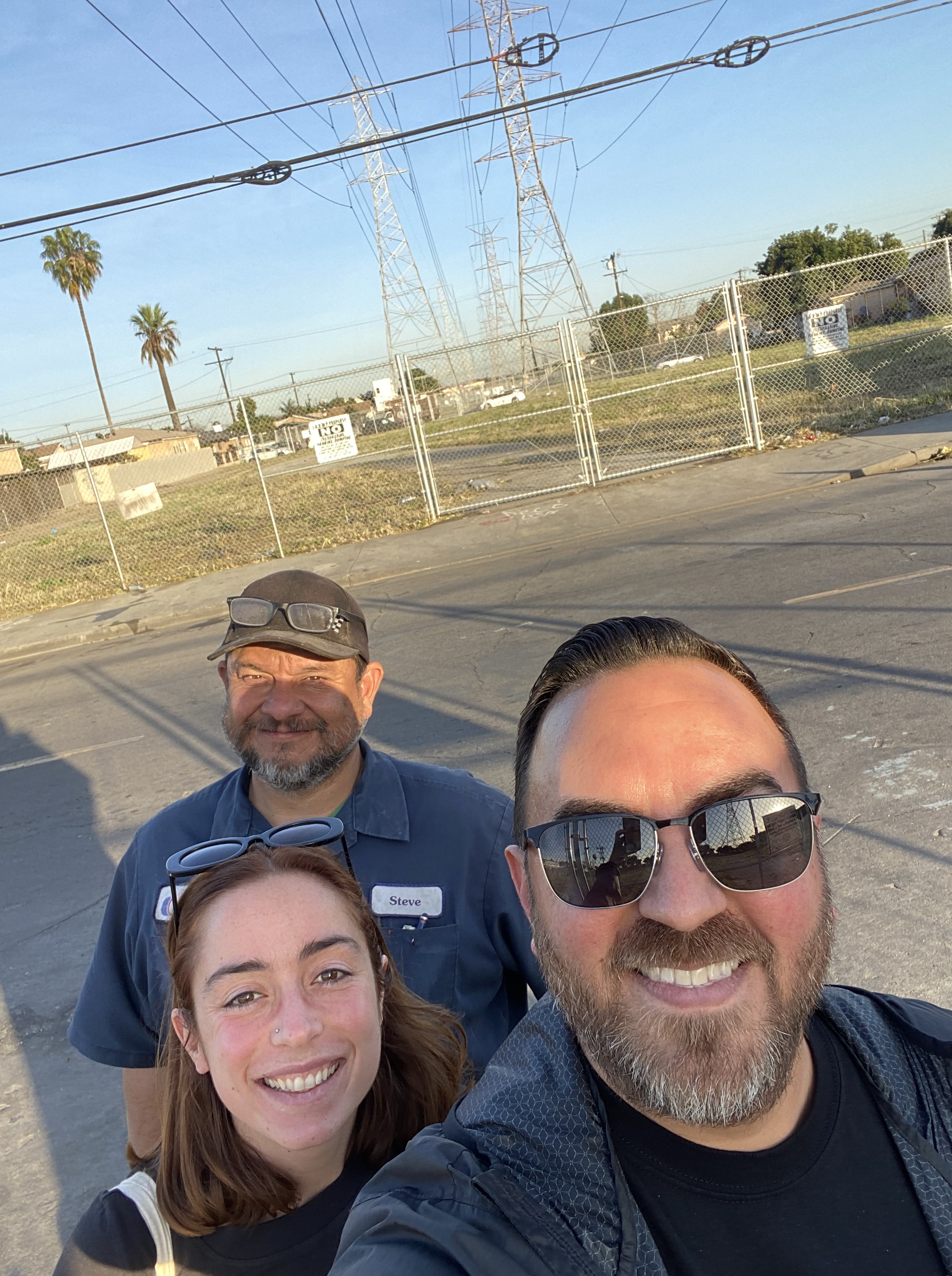
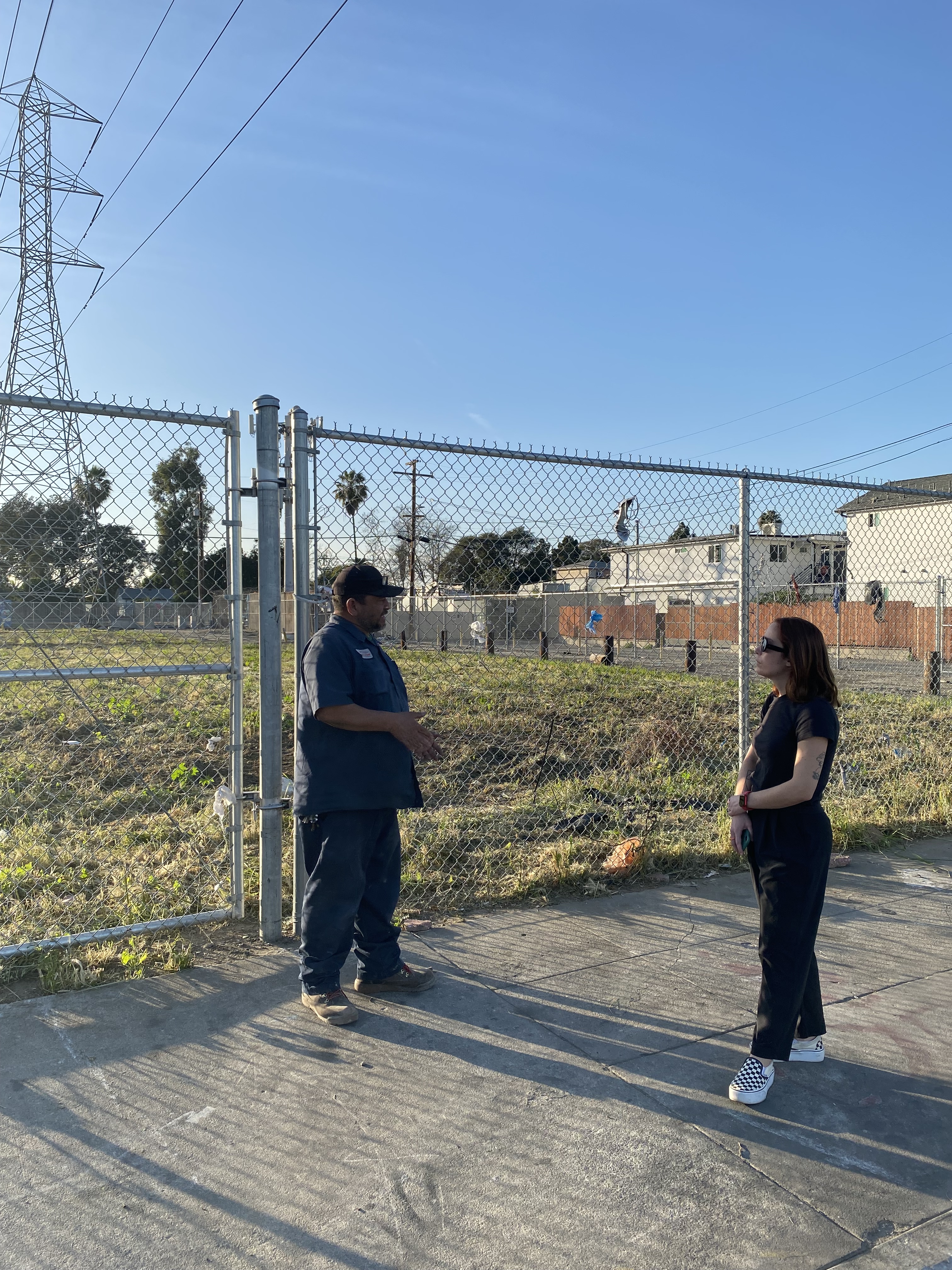
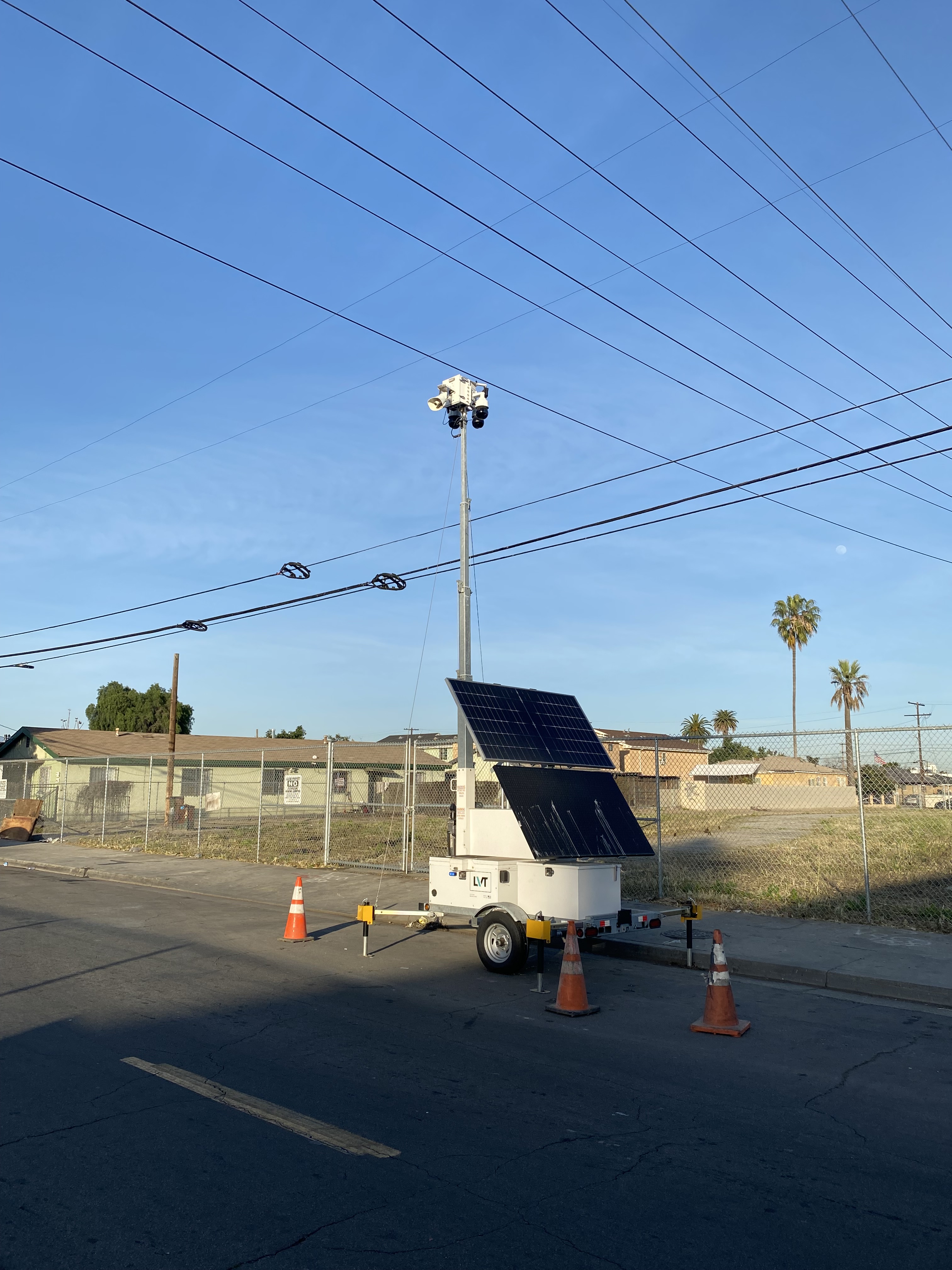
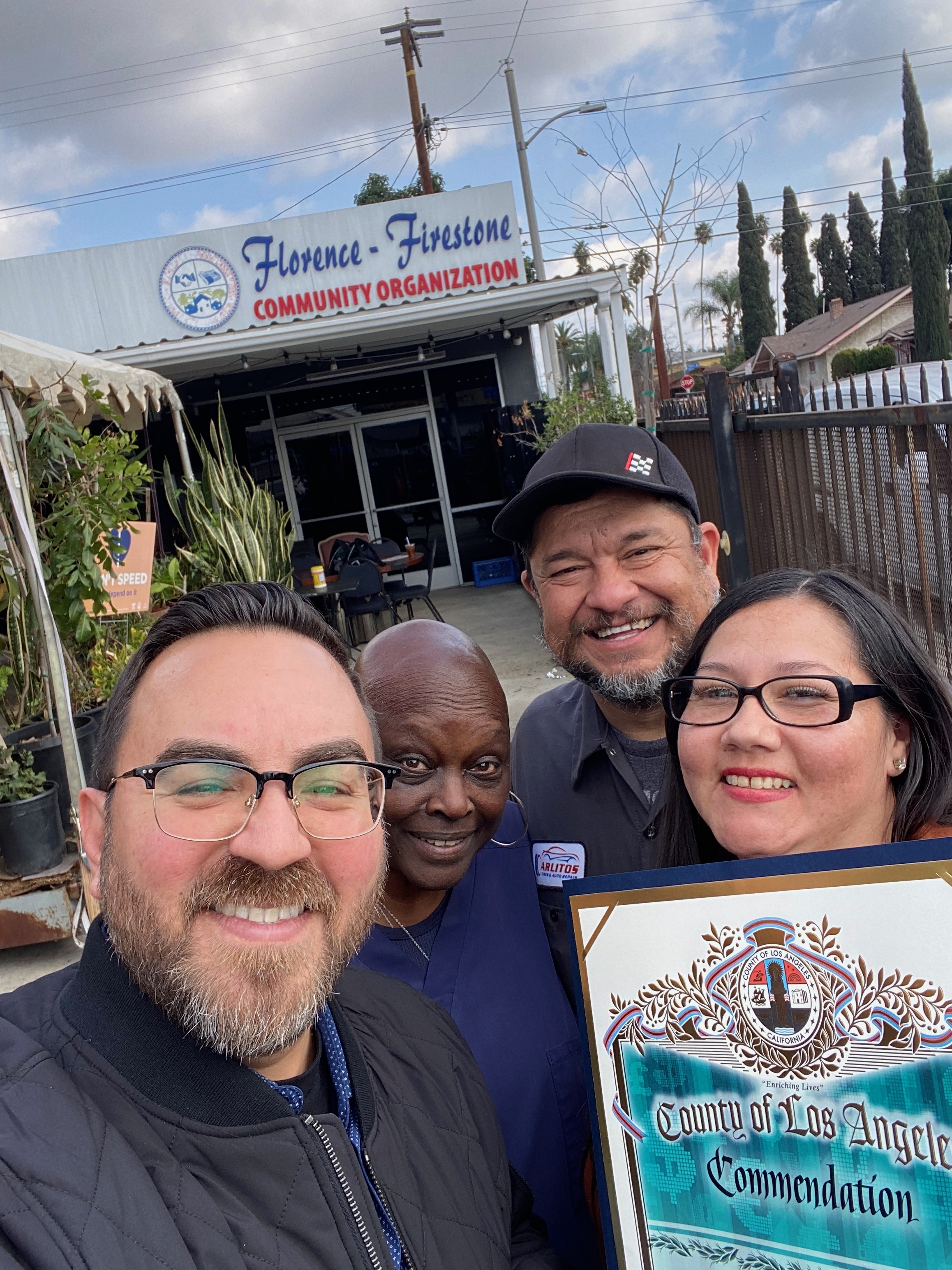
Jordan interviewed me at the Florence-Firestone Community Organization office and then we visited the site, which is now the home of the future 92nd Street Linear Park via Los Angeles County Parks and Recreation!
I then connected Jordan with Yanel Sáenz (MPH ‘22) of the Friends of Washington and 92nd Street Park for additional community interviews about transforming this utility right-of-way into a park.
We will continue supporting Jordan’s community-based research and recommendations well after graduation.
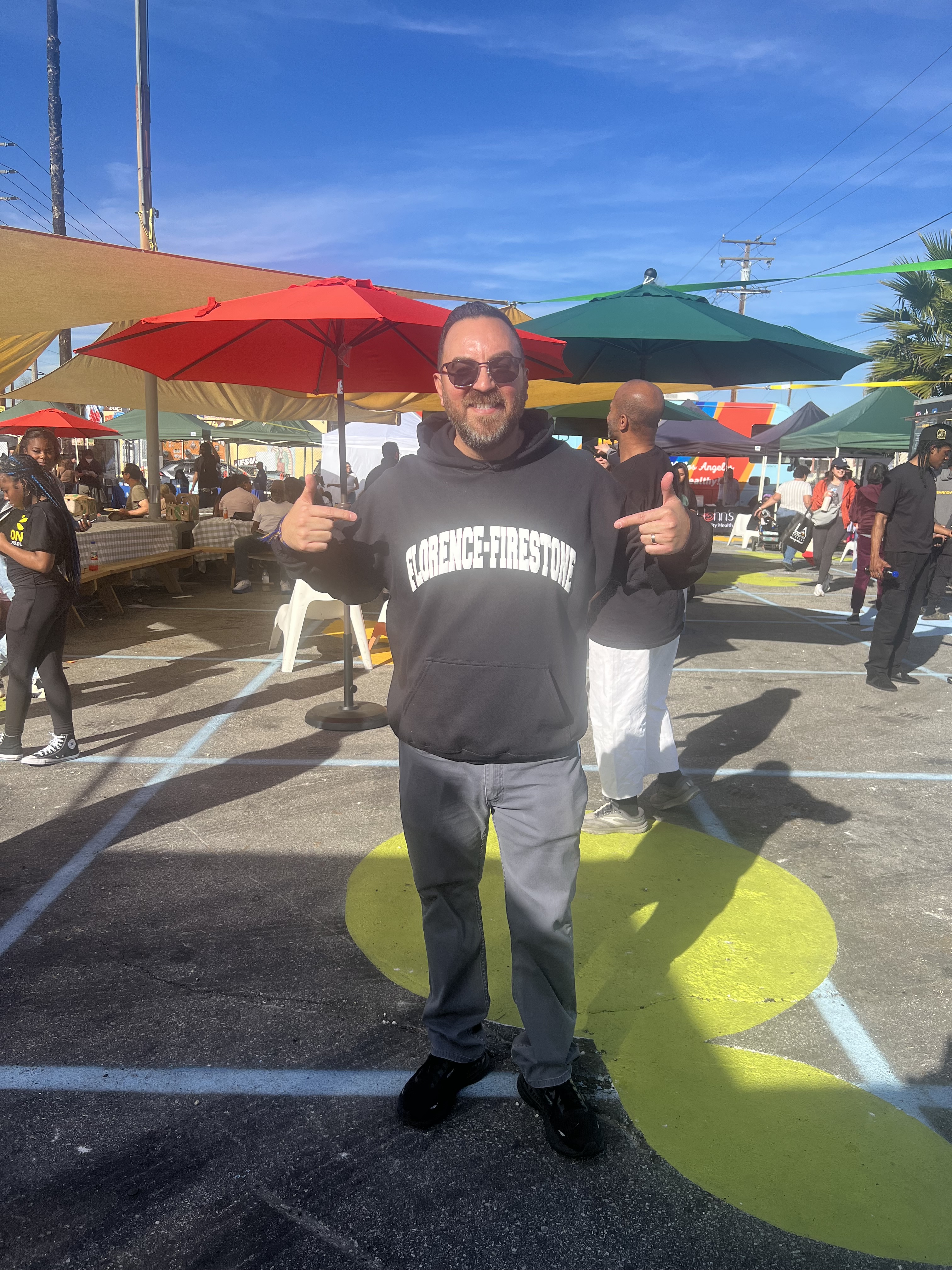
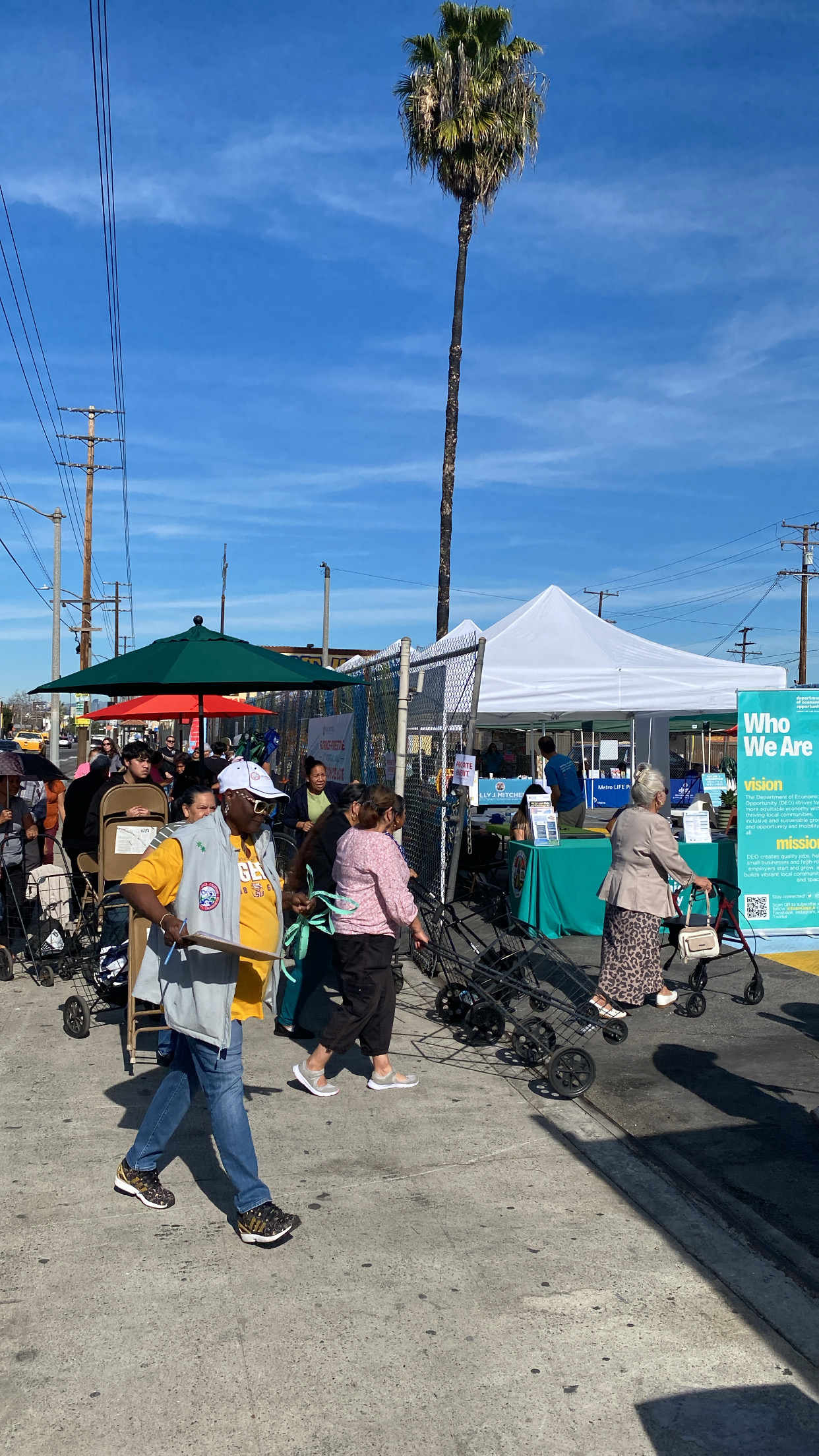
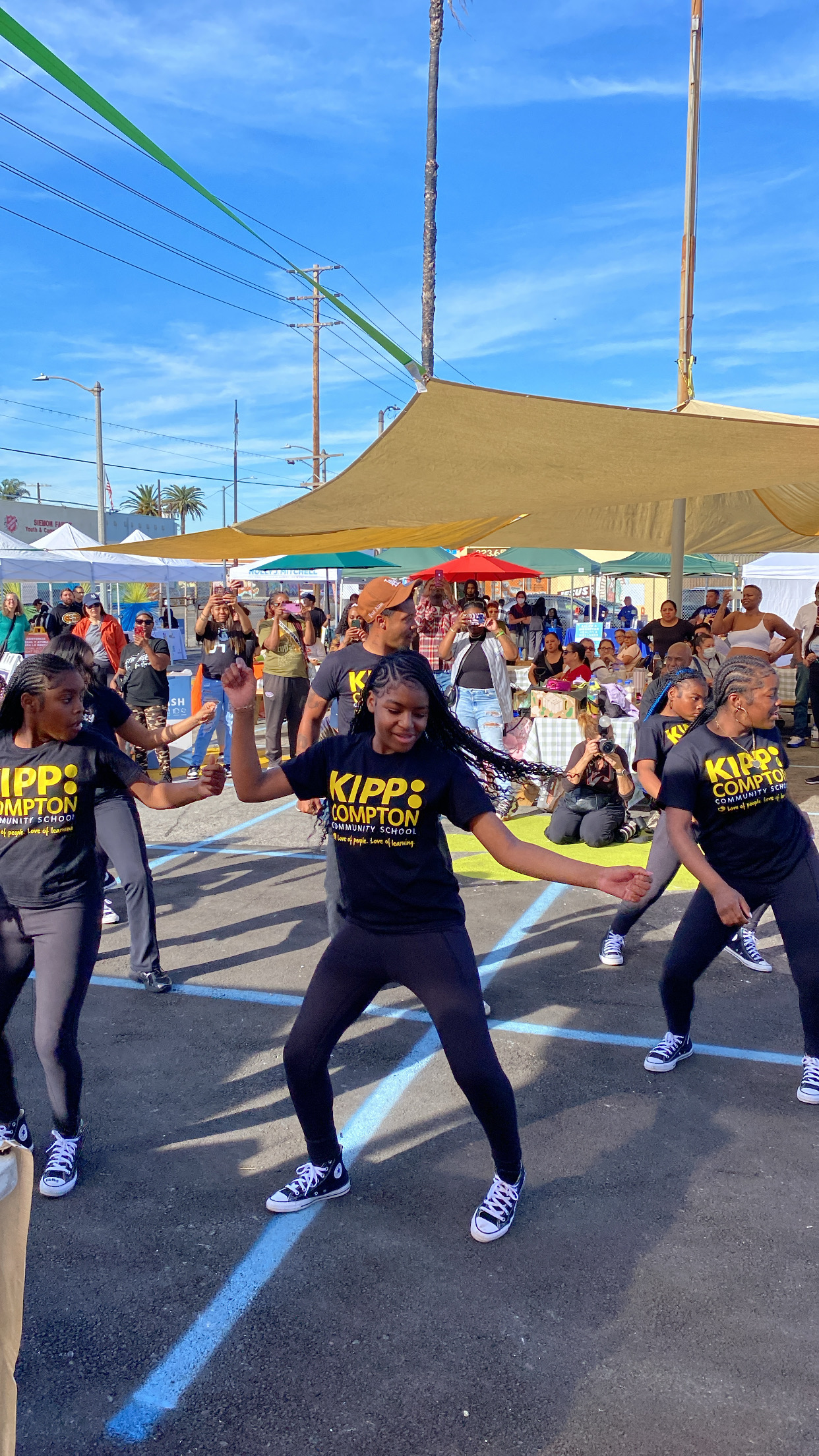
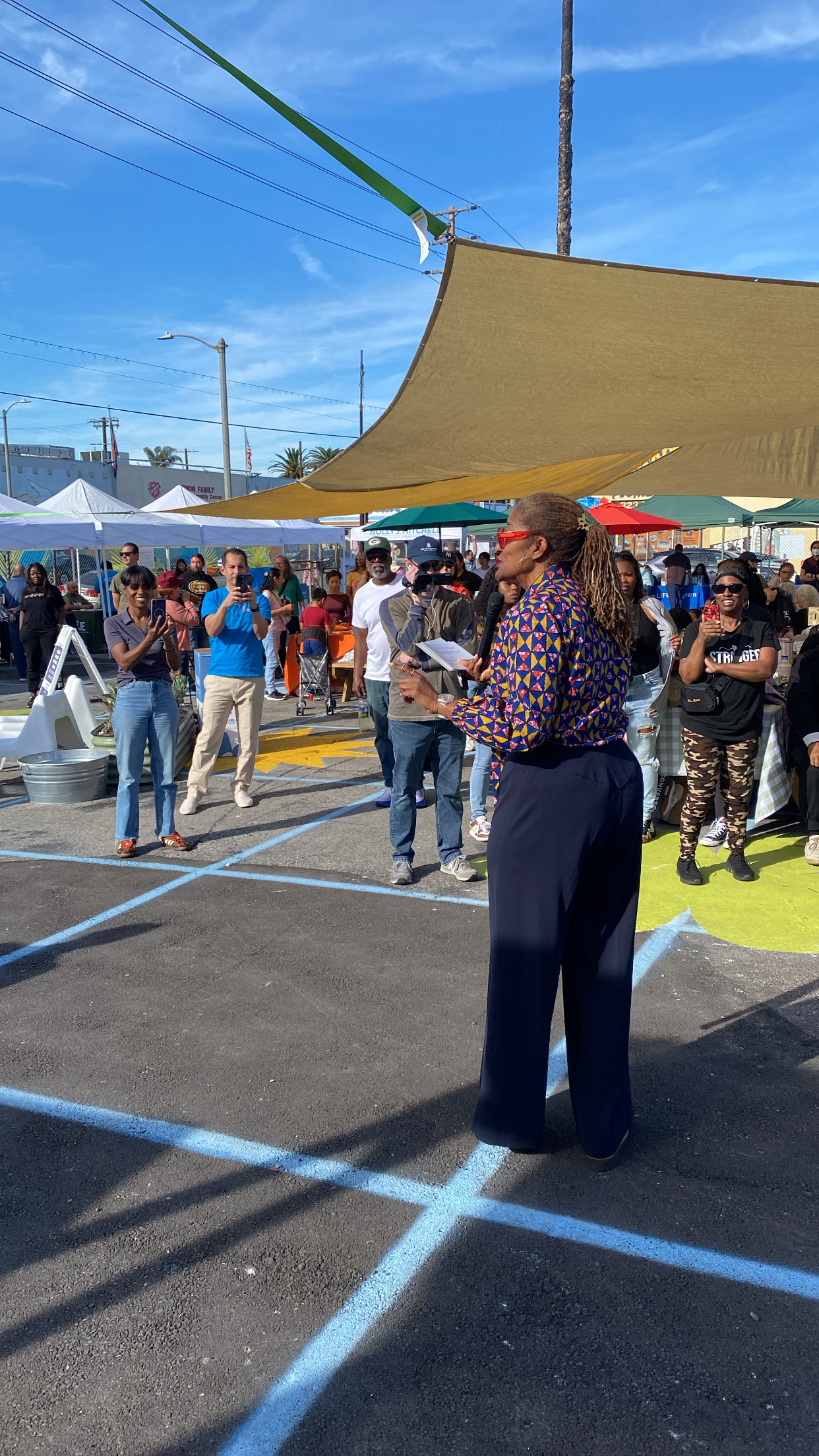
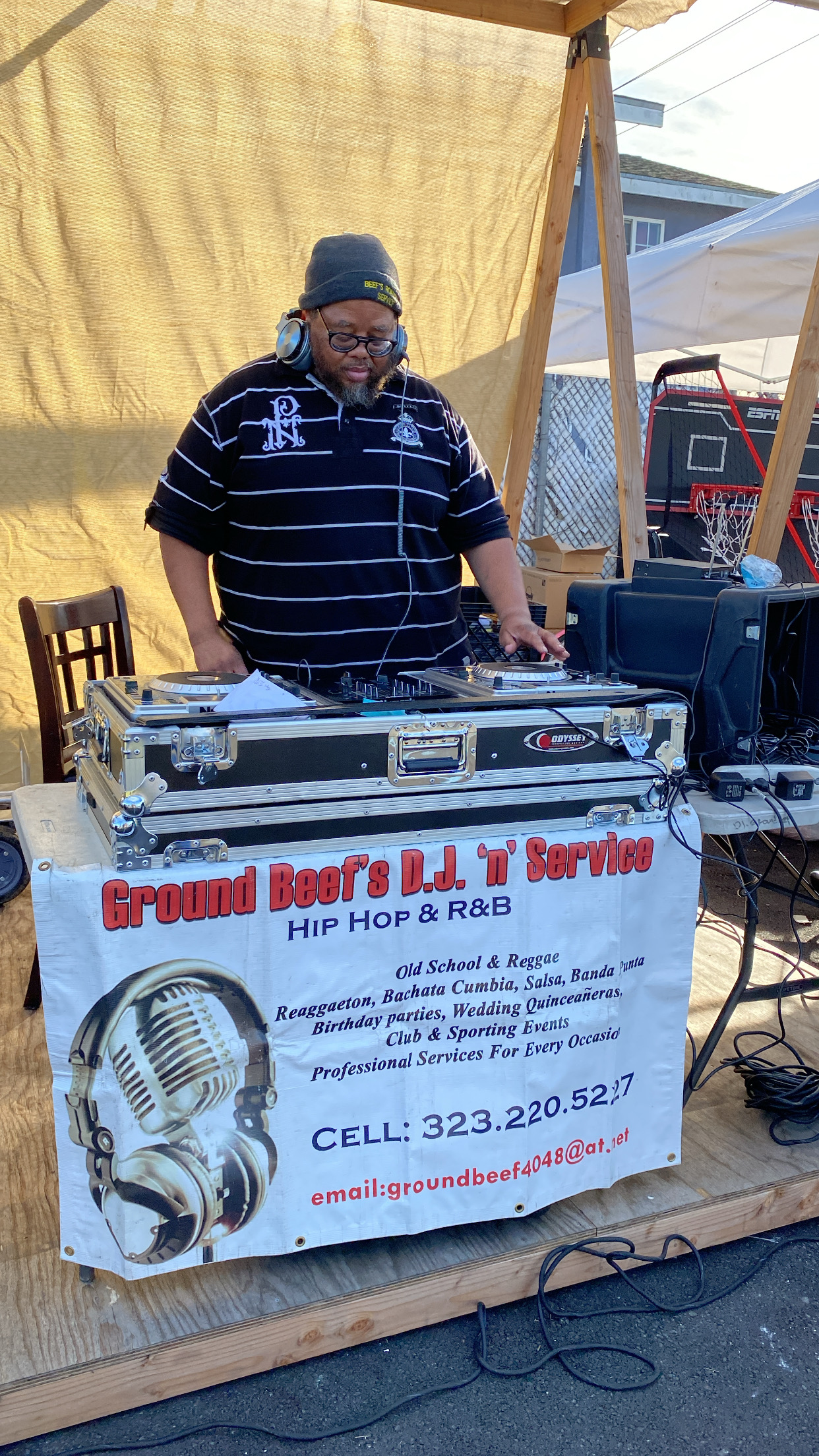
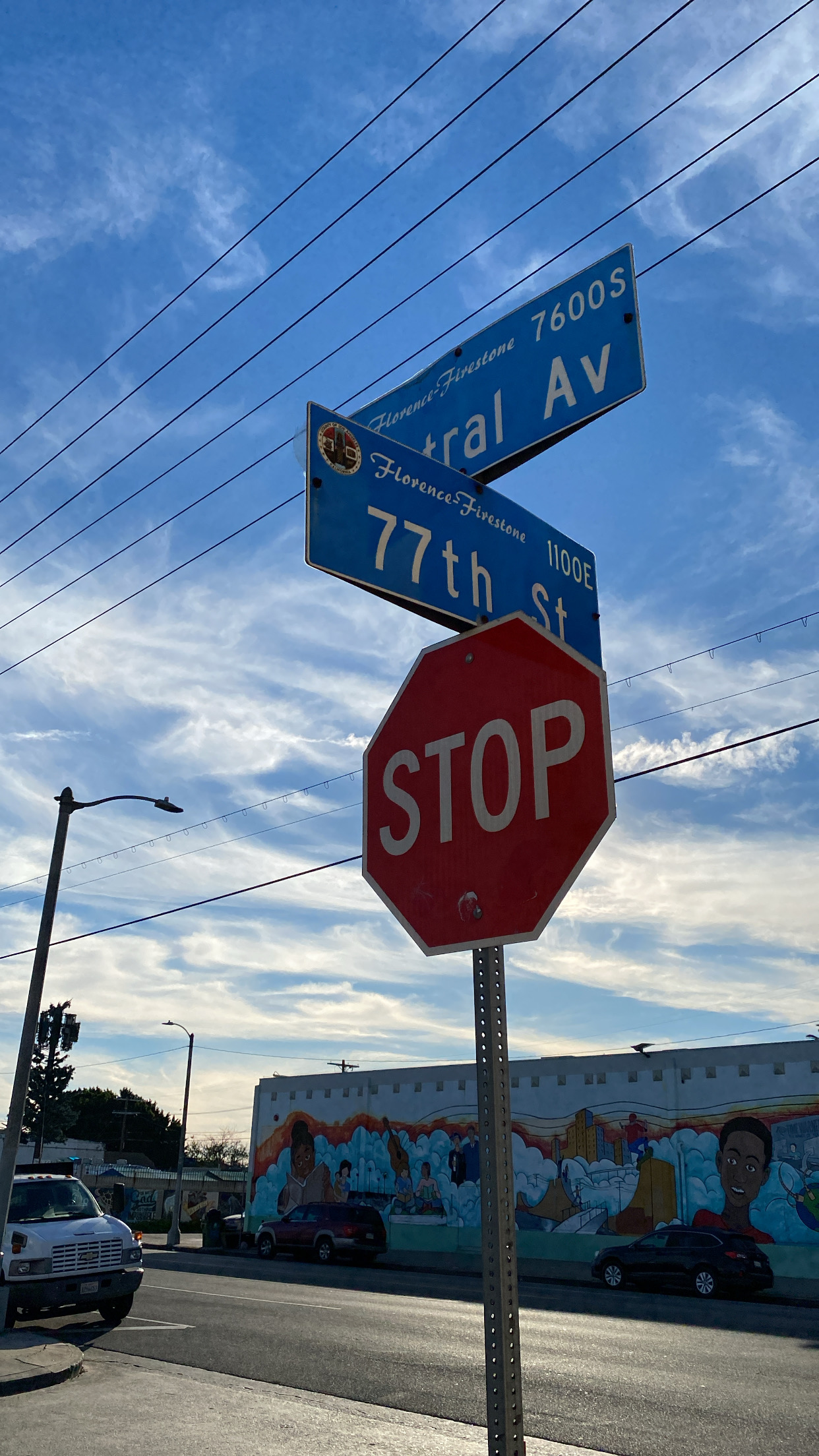
Thanks to everyone who attended our Central Avenue Vacant Lot Activation on January 17th, MLK Weekend. Big shout out to our Second District Supervisor Holly J. Mitchell and our Assemblymember Sade Elhawary for joining us! Much love to all the vendors and performers, especially the Compton Riot dance crew from Kipp Compton Community School.
Florence-Firestone community members will decide the future of this vacant lot.
We have one more activation in February, come through.
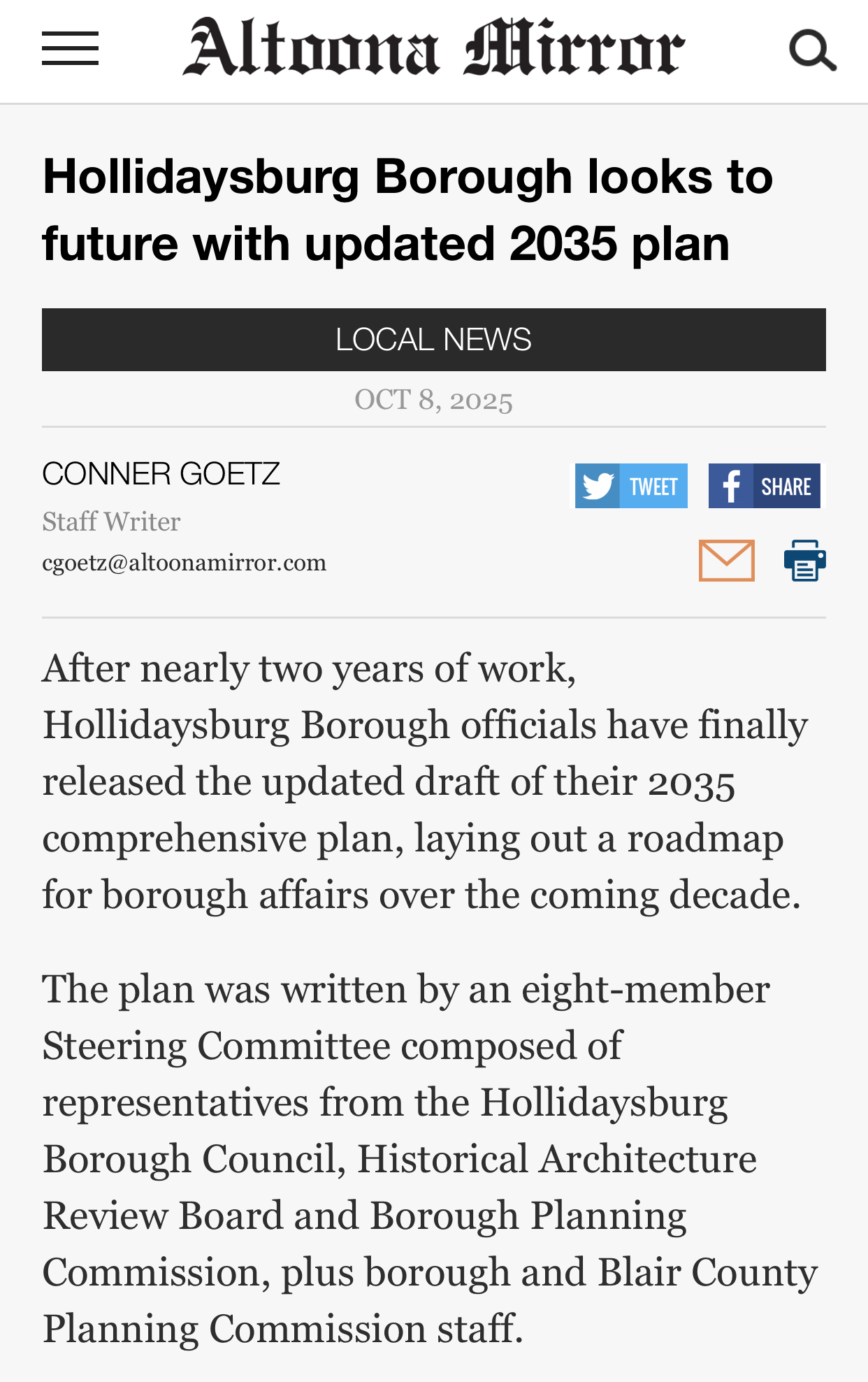
I appreciate this shout out in the Altoona Mirror about our work on the Borough of Hollidaysburg Comprehensive Plan 2035.
‘The revised plan relies on the “embedded planning” methodology espoused by California urban planner Jonathan Pacheco Bell, who was a key consultant during several stages of the process, [Andrew] Holodnik said.
Bell’s approach emphasizes planners getting “out of the office into the street,” Holodnik said, which facilitates direct dialogue between municipal leaders and the constituents they serve.
“You’re immersing yourself in the community,” he said.’
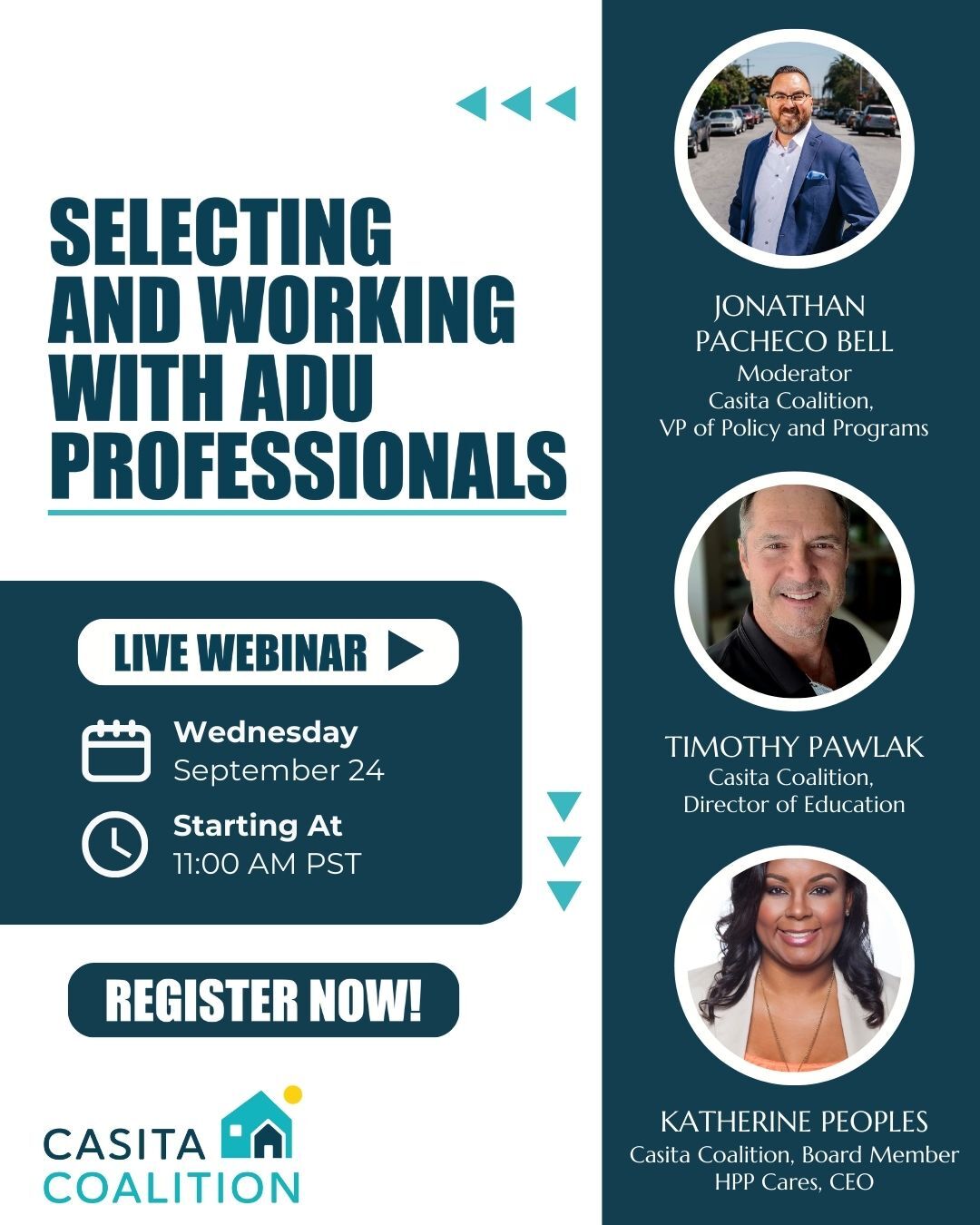
Want to build an ADU but feeling lost about who to work with? Don’t know where to start? Join us for this educational webinar focused on best practices for selecting and working with ADU professionals. Casita Coalition’s Director of Education, Timothy Pawlak, and Katherine Peoples, Casita Coalition Board Member and CEO of HPP Cares, will discuss the best ways to vet professionals, compare bids, review contracts, and protect yourself against fraud. This conversation will be moderated by Jonathan Pacheco Bell, VP of Policy and Programs at Casita Coalition.
Abstract: Legislatures across the country are saying “yes” to backyard housing and passing statewide accessory dwelling unit (ADU) reforms. This panel brings together leaders from successful pro-ADU movements in California, New Jersey, and Massachusetts to share lessons learned, best practices, and model legislation for legalizing second units in single-family areas.
Speakers: Max Dubler, California YIMBY, Policy Manager; Mike Kriesberg, Abundant Housing Massachusetts, Policy and Advocacy Manager; Marina Rubina, Who Killed The Starter Home? Podcast, Principal, Architect; Jonathan Pacheco Bell, Casita Coalition, VP of Policy and Programs
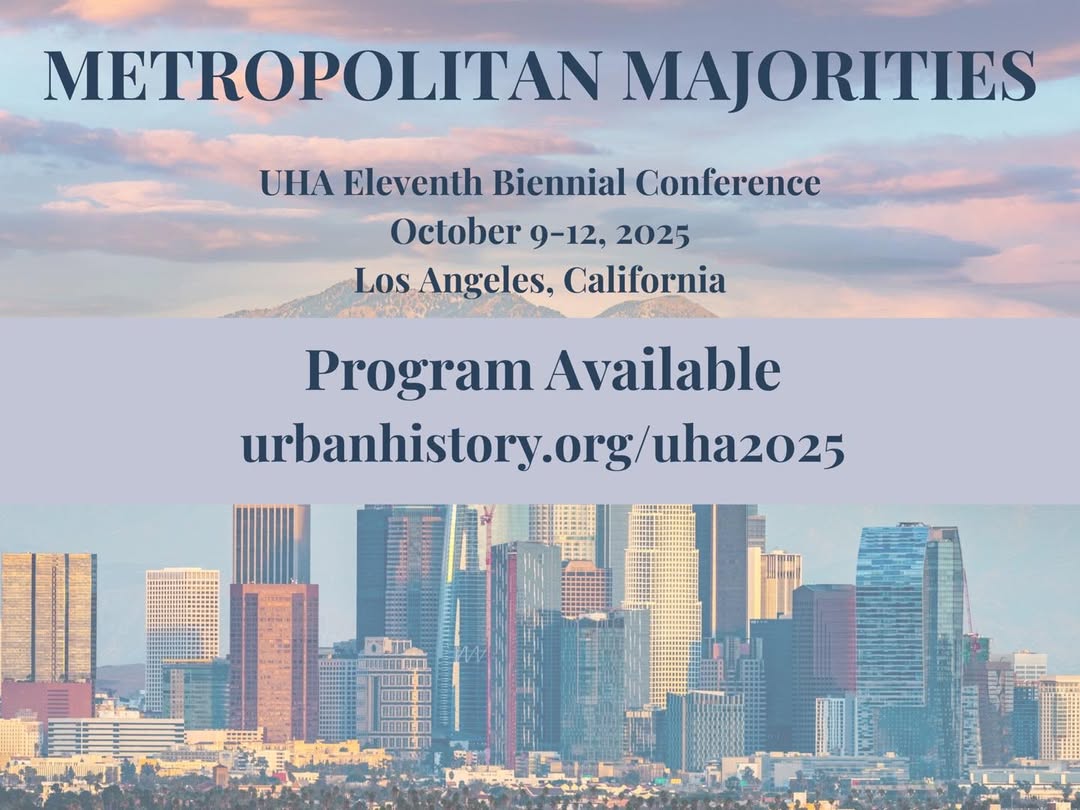
I’m on a panel recognizing the legacy of Mike Davis with writer legends Carolina A. Miranda, Kyle Paoletta, David Kipen, and Mike The PoeT Sonksen at the Urban History Association Conference 2025 in Los Angeles. More to come soon.
Join us on Saturday, October 11th, 1:15-2:45pm at the Biltmore Hotel in Downtown LA.
I learned so much from moderating this breakout session at the Build the Middle National Housing Convening 2025. And from feedback received thus far, session attendees gained many insights, tools, and practical action steps.
Big thanks to our panelists: Diana Gonzalez from Los Angeles County Department of Regional Planning, Tennis Wick from Permit Sonoma, Derek Ouyang from Stanford RegLab, and Awais Azhar from HousingWorks Austin.
Photo: (from left) Jonathan Pacheco Bell and Steve Quinonez of FFCO with Matthew Shore of South Bronx Unite on a community walk in Florence-Firestone, April 28, 2024.
Following our 2025 Board election, I’ve humbly stepped into my new role as Co-President of the Florence-Firestone Community Organization (FFCO). This leadership restructuring creates a more balanced distribution of president duties while providing our tireless founder and inaugural Board President, Steve Quinonez, with needed flexibility.
In our new arrangement:
Steve continues overseeing daily operations, events, fundraisers, and facility management
I’m serving as leadership contact for county and state officials, project partners and community, with special focus on capacity building and grants development
FFCO remains an all-volunteer Board, supported by a dedicated part-time analyst and many passionate volunteers who serve because of our deep love for the Florence-Firestone community.
Interested in our food distributions, community walks, placemaking events, programs, or funded outreach? Hit me up or visit our facility at 6940 Compton Avenue, Los Angeles, CA 90001.
Identifying the Constraints to Implementing a Vegetation Barrier along Valley Boulevard. By: Taylor Galindo
Celebrating the graduates in my 2024 Senior Project class at Cal Poly Pomona Department of Urban and Regional Planning. Today we uplift this researcher:
Identifying the Constraints to Implementing a Vegetation Barrier along Valley Boulevard
By: Taylor Francis Galindo
Abstract:
Ambient air pollution is a significant health concern where industrial zones directly border residential zones. Numerous studies suggest the effectiveness of implementing vegetation to serve as a mitigative strategy in addressing ambient air pollution. This paper will examine the complexities of implementing vegetation as a barrier to mitigate air pollution in an environmental justice community located along Valley Boulevard in Southern California’s San Gabriel Valley. The qualitative data featured in the study collected interviews with local community stakeholders and professionals from various professional backgrounds. These insights provide a foundation of what agencies would need to overcome to implement a vegetation barrier along Valley Boulevard.
Keywords: Public Health, Environmental Injustice, Tree Canopy, Green Barriers, Sustainable Solutions, Ambient Air Pollution, and Industrial Zoning
Taylor presenting at the 2024 Cal Poly Pomona Urban & Regional Planning Senior Projects Day. Photo: Jonathan Pacheco Bell
Multi-use Trails: A Path to a Third Place at The Tracks at Brea Trail. By: David Pascual
Celebrating the graduates in my 2024 Senior Project class at Cal Poly Pomona Department of Urban and Regional Planning. Today we uplift this researcher:
Multi-use Trails: A Path to a Third Place at The Tracks at Brea Trail
By: David Pascual
Abstract:
This research examines the role of The Tracks at Brea Trail (TAB trail), a multi-use trail located in Brea, California, in Orange County, as a new Third Place among the existing Third Places that Americans identify, such as coffee shops, restaurants, libraries, shops, and even local community centers. Currently, the American adult population is experiencing high stress levels and sedentary lifestyles, increasing mental health problems and fatalities. With rising concerns about mental well-being among adults, there are limited Third Places to improve well-being, which is difficult to do outside peaceful environments.
Eleven walking tours were conducted with thirteen participants and photo evidence was taken, documenting how individuals perceive the greenspace and trail design elements TAB trail offers. The participants’ commentary highlighted their limited knowledge of Third Places, awareness of wildflowers and treescapes along the trail, and sense of isolation in certain trail sections. Participants who experienced distress commented that the trail helped improve their current emotions.
Multi-use trails shed awareness on how transportation planners must consider the greenspaces that individuals use to enhance their well-being while preserving the natural environment for local wildlife and plants and creating sections along those greenspaces. Cities and planners need to move forward in promoting spaces in and among multi-use trails to improve an individual’s social and mental well-being.
David presenting at the 2024 Cal Poly Pomona Urban & Regional Planning Senior Projects Day. Photo: Jonathan Pacheco Bell
Roles of Place Design Between Conventional and Student Housing in South Central Los Angeles. By: Osvaldo Martinez
Celebrating the graduates in my 2024 Senior Project class at Cal Poly Pomona Department of Urban and Regional Planning. Today we uplift this researcher:
Roles of Place Design in Creating a Sense of Community Between Conventional Homes and Student Housing in South Central Los Angeles
By: Osvaldo Martinez
Abstract:
For the last 4 to 5 years, the community around the University of Southern California in South Central LA has experienced an increase in student housing development where conventional, longtime residents live. This development wave not only introduces student housing in new neighborhoods but also implements unprecedented design that strays from existing neighborhood architectural styles and densities. This phenomenon raises the question of how these new forms of student housing affect residents’ perceptions of community identity, and how it affects community interactions with USC students.
Through qualitative research, I interviewed residents about new housing design and social interactions with USC students to understand the role of place design in creating a cohesive community. Residents agreed that the new forms of student housing should align with the community’s existing architectural styles, and that new student housing is being built to profit from the student market. Many residents felt that housing developers were intentional about creating a brand within the neighborhood rather than making developments that contribute to the neighborhood.
Osvaldo presenting at the 2024 Cal Poly Pomona Urban & Regional Planning Senior Projects Day. Photo: Jonathan Pacheco Bell
Planning For The Prestigious Poor. A Critical Analysis of Cal Poly Pomona’s Initiatives Addressing Student Homelessness and Housing Instability. By: Eileen Ramos
Celebrating the graduates in my 2024 Senior Project class at Cal Poly Pomona Department of Urban and Regional Planning. Today we uplift this researcher:
Planning for the Prestigious Poor: A Critical Analysis of Cal Poly Pomona’s Initiatives Addressing Student Homelessness and Housing Instability
By: Eileen Ramos
Excerpt:
This study assesses the ability of housing-insecure college students at Cal Poly Pomona to access support services to meet their needs. It identifies successes, limitations, and areas of improvement within the existing support system.
I will be coining the term the ‘prestigious poor’ in this research, which is in conversation with the concept of The Privileged Poor coined by Anthony Abraham Jack. Jack explores, “the experiences of those who live in poor, often segregated communities but enter college from elite boarding, day, and preparatory schools like Exeter, Choate, or Dalton those whom I call the Privileged Poor.” In contrast, I approach “The Prestigious Poor” from the lens of the most disadvantaged and vulnerable student populations in any university setting. I define the “Prestigious Poor” as college students who lack basic necessities like housing and food while simultaneously working towards a degree to better their socioeconomic status. While the concept of the ‘privileged poor’ portrays the struggles faced by low-income students in contrast to their Ivy League legacy wealthy students, the ‘prestigious poor’ encompasses all disadvantaged students facing critical disruptive instability like homelessness compared to secure students.
Questions driving this research are: “Do the resources provided by Cal Poly Pomona fulfill the needs of students facing housing instability?” and “How can Cal Poly Pomona make these resources more accessible to students in need?”
Eileen presenting at the 2024 Cal Poly Pomona Urban & Regional Planning Senior Projects Day. Photo: Jonathan Pacheco Bell






You must be logged in to post a comment.