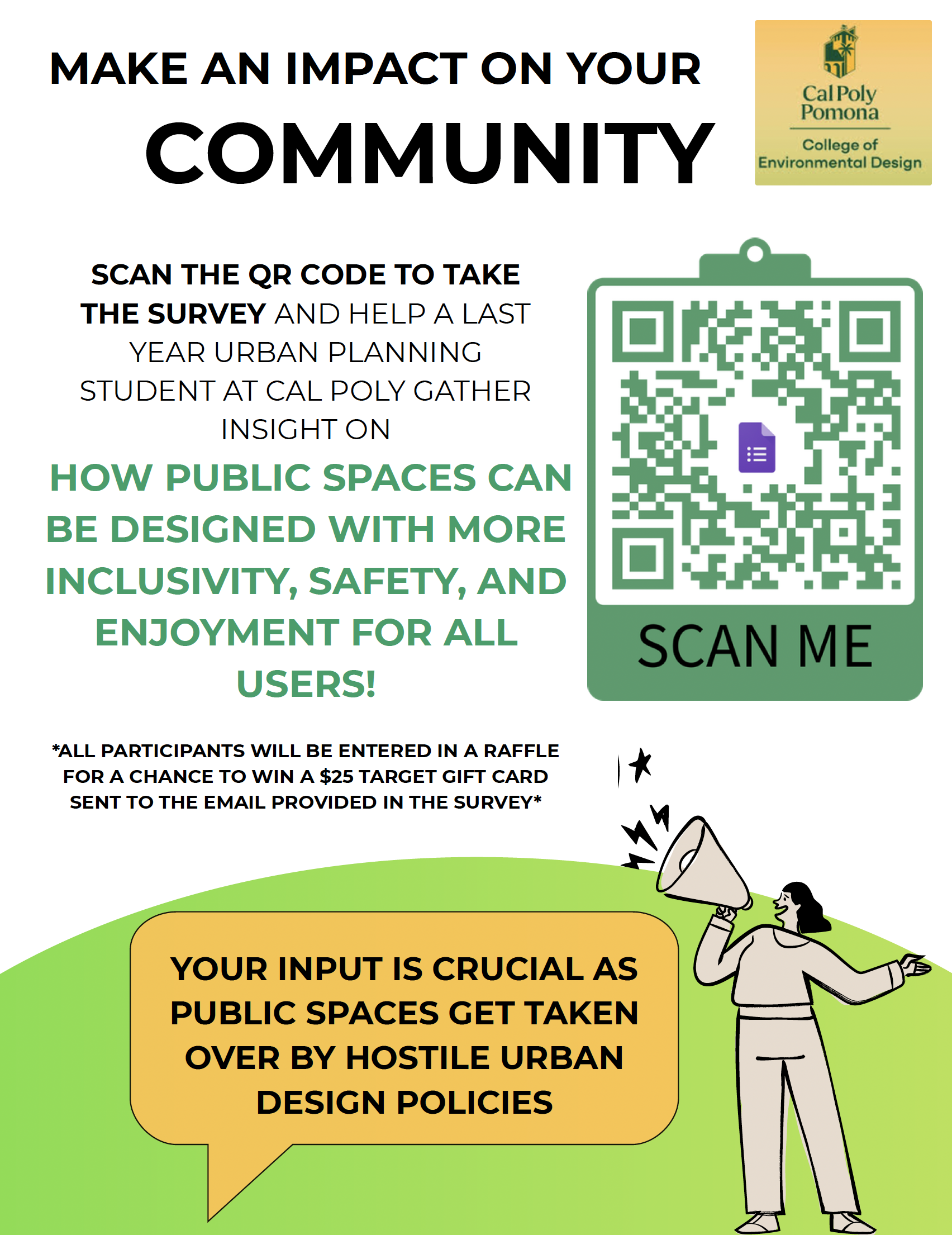
Planners + Community: Zena Al-Beitawi is doing an urban planning senior project examining how public spaces can be designed for inclusivity, safety, and enjoyment versus Hostile Architecture in Pomona, CA.
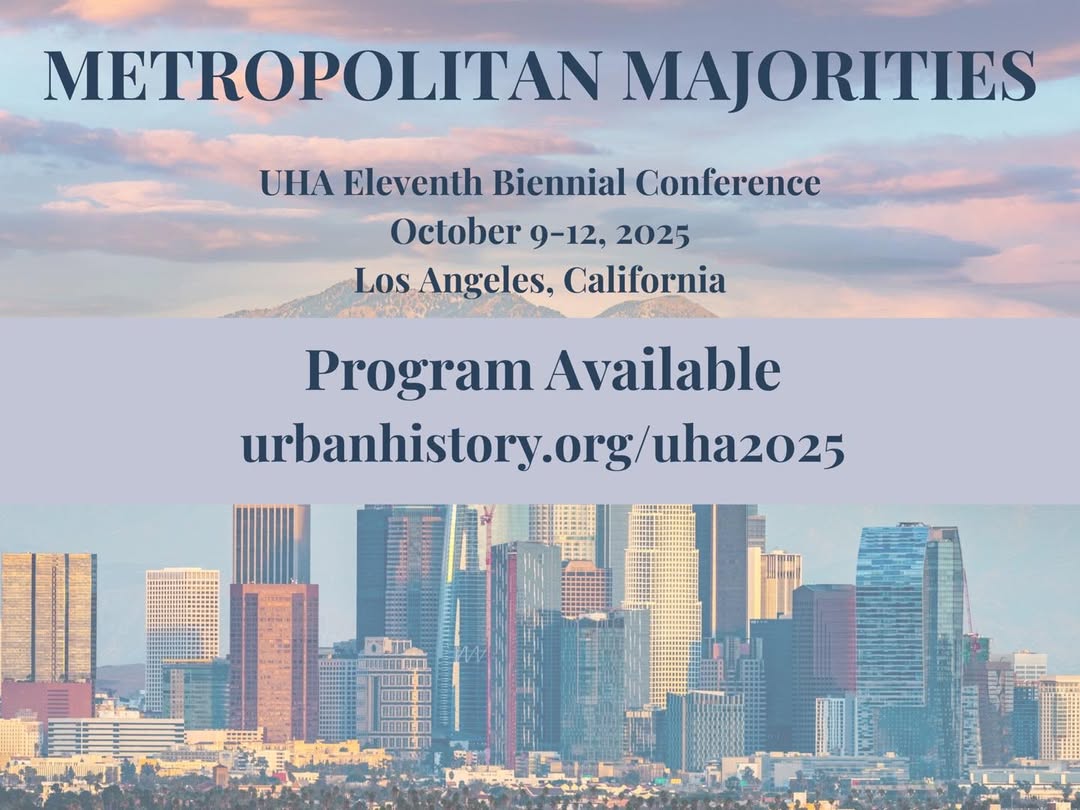
I’m on a panel recognizing the legacy of Mike Davis with writer legends Carolina A. Miranda, Kyle Paoletta, David Kipen, and Mike The PoeT Sonksen at the Urban History Association Conference 2025 in Los Angeles. More to come soon.
Join us on Saturday, October 11th, 1:15-2:45pm at the Biltmore Hotel in Downtown LA.
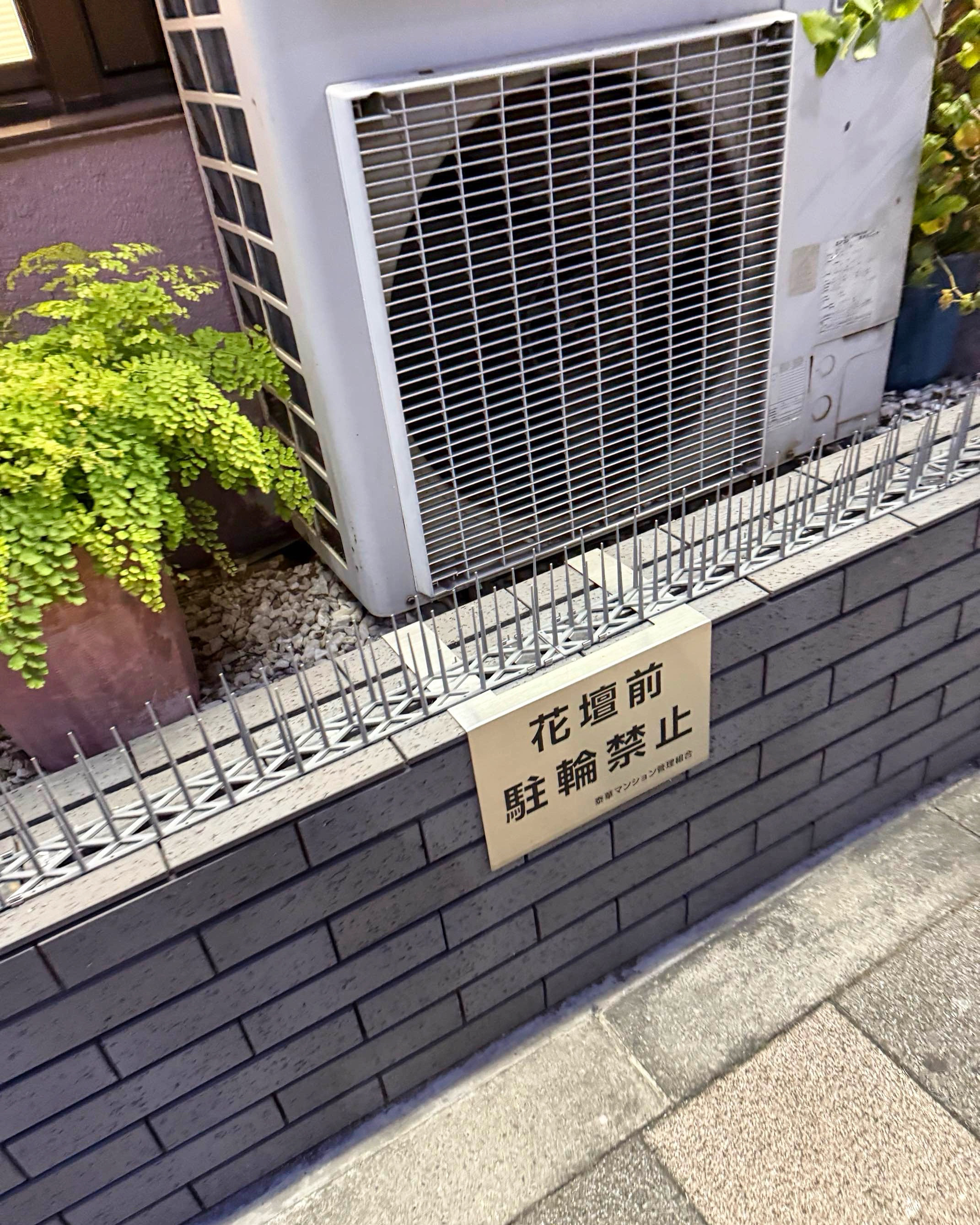
Cal Poly Pomona MURP student Abby Urquiza found some conspicuous Hostile Architecture in Tokyo. Last semester, we examined Hostile Architecture in the Planning & Control module in our course, URP 5120: Planning Ideas & Action. From our readings:
The city is engaged in a merciless struggle to make public facilities and spaces as ‘unlivable’ as possible for the homeless and the poor.
I joined the City of Quartz walking tour on May 11th with the UC Irvine Urban Studies Student Association. Shout out to Professor Walter Nicholls and students for allowing me to guest narrate our field trip.
We keep Mike Davis alive by reading his works, engaging his critiques, and putting feet on the street to understand the city.
Selected photos from the walk:
Discussing Hostile Architecture outside Angels FlightLayers of history on BroadwayDisney Hall almost did not happenProfessor Nicholls explaining the development of Grand AvenueRendezvous point at Los Angeles State Historic Park
BRODIE: What are the conversations like about this among your colleagues and other people who do what you do? . . .
PACHECO BELL: A lot of times city planners get blamed for this, but in fact, it’s oftentimes not city planners that are deciding to add hostile architecture. Rather, it’s the absence of mechanisms within city planning to deal with it. One of my longstanding critiques.
So, yes, there are instances where public agencies or the state might support the addition of hostile architecture, but there are also many instances where the private sector is doing this.
You have sometimes groups that form together to create hostile architecture to add in public space, to drive away those who they deem undesirable, and then sometimes you have sort of lone wolf individuals.
So this is a multidimensional issue. This is a multidimensional public space equity issue with a lot of people involved in it. My critique is that the urban planning field has done very little to address it.
The sharpest critiques that are coming out right now about hostile architecture are coming from the citizen journalists, young people on TikTok. And that is giving me hope that we’re going to have a turning point where we can start really talking about this as an international public space equity issue driven by young people on social media.
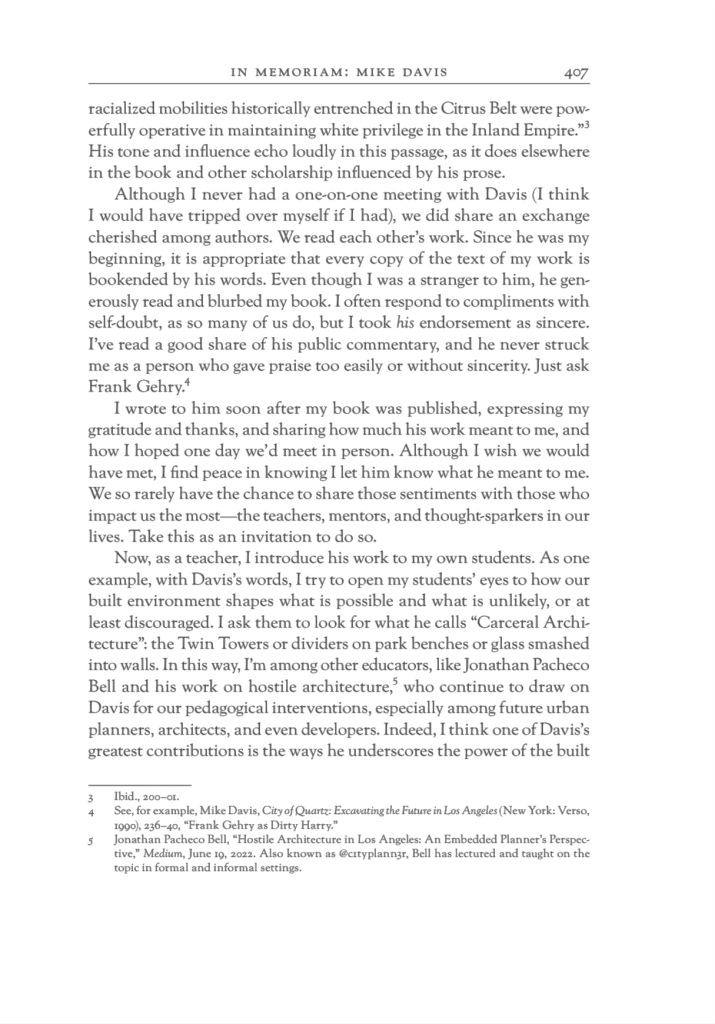
“Now, as a teacher, I introduce his work to my own students. As one example, with Davis’s words, I try to open my students’ eyes to how our built environment shapes what is possible and what is unlikely, or at least discouraged. I ask them to look for what he calls “Carceral Architecture”: the Twin Towers or dividers on park benches or glass smashed into walls. In this way, I’m among other educators, like Jonathan Pacheco Bell and his work on hostile architecture, who continue to draw on Davis for our pedagogical interventions, especially among future urban planners, architects, and even developers. Indeed, I think one of Davis’s greatest contributions is the ways he underscores the power of the built environment in urban processes, his attention to which has shaped a generation of urban planners and urban historians.”
Dr. Genevieve Carpio. “Mike Davis’s Enduring Impact: A Reflection on Sunshine and Noir in the Junkyard of Dreams.” 105, no. 4, Southern California Quarterly (Winter 2023): 404-408.
On April 20, 2021, I delivered the guest lecture, “Creating Equitable Public Spaces Through Embedded Planning.”
It was originally scheduled for one graduate class at UCLA. By day’s end I added a second talk for undergraduates at Cal Poly Pomona.
The talk was created for the UP 279: Public Space Seminar at UCLA Urban Planning. This was one of my favorite courses when I was a student there. Professor Anastasia Loukaitou-Sideris invited me to return as a speaker. She was my advisor in the MAUP (now MURP) program at UCLA, and taught this course back then too.
The presentation traced my work since graduation in 2005. I explained how I’ve created inclusive public spaces, and interrogated exclusionary hostile architecture, through street-level planning praxis.
The second talk was an evening presentation in Professor Alvaro Huerta’s course, Planning for Minority Communities, at Cal Poly Pomona Urban & Regional Planning. I appreciated the students welcoming this unscheduled event. Fun fact: I met Alvaro when we were both MAUP students in Anastasia’s Introduction to the History of the Built Environment course at UCLA Urban Planning.
Many students said that this was their introduction to the concept of #HostileArchitecture. Students continue to show excitement for the idea of Embedded Planning — planning practice on the ground. As always, I learned a lot from both Q & A sessions. Every question, comment, and critique advances Embedded Planning.








You must be logged in to post a comment.