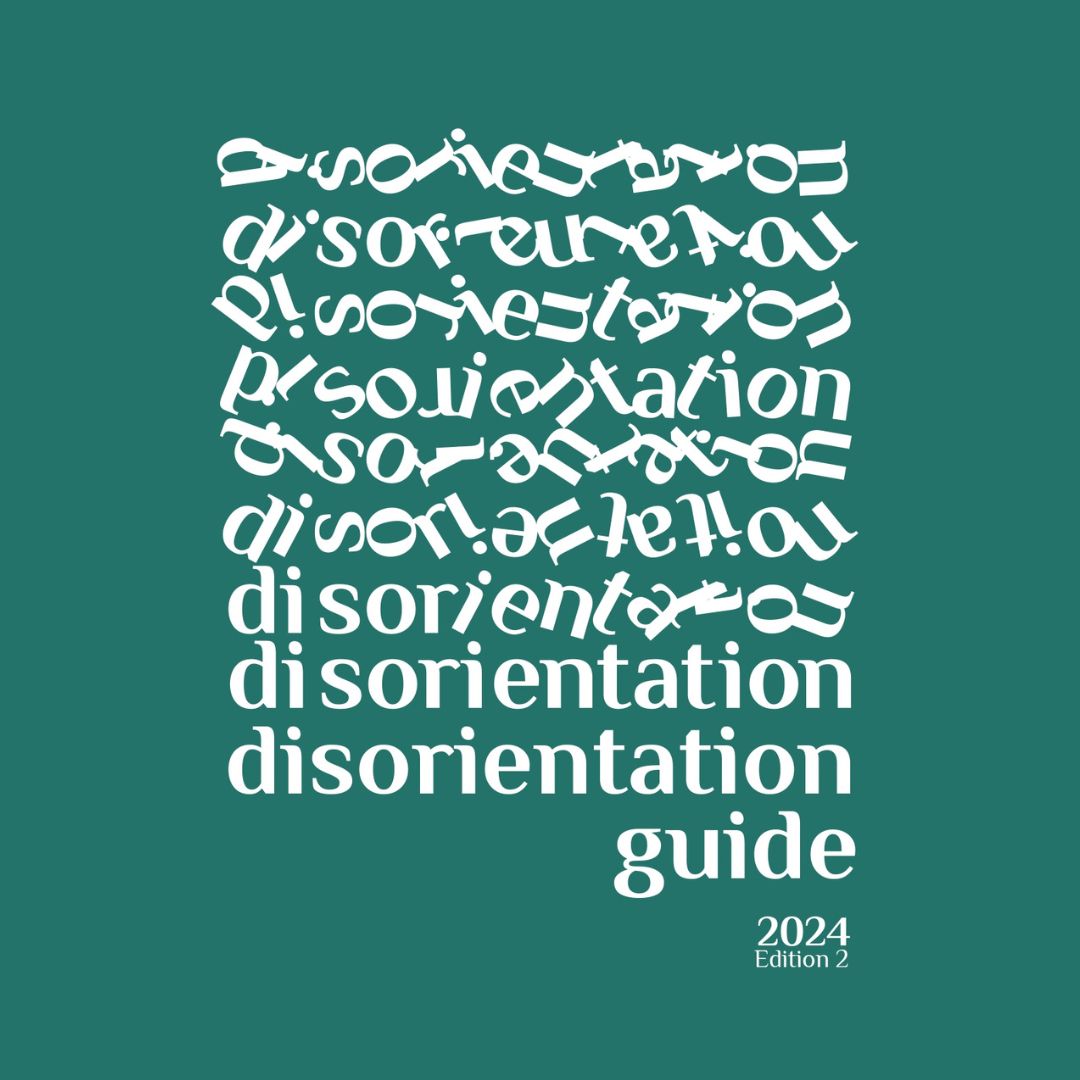
As a member of the Planners Network social media team, I’m stoked to announce that the second edition of the Planners Network Disorientation Guide is now ready and freely accessible at the following link: bit.ly/DisorientationGuide2024. Special thanks goes out to our authors and contributors, our main editor Cara Chellew, and the editorial and design/lay-out team for all their hard work. Finally, it would not have been possible to make this a freely-accessible resource without the ongoing support and contributions of PN members. Not yet a PN member? Join here.
Description of Guide: What does it mean to be a “progressive” or “radical” planner? And what kind of power do planners have to enact change? The Planners Network Disorientation Guide attempts to orient folks new to the field of urban and regional planning to ideas, concepts, and practices linked to progressive or radical planning traditions. Reimagined 20 years after its first iteration, the Disorientation Guide features a range of articles, interviews, and excerpts sourced from progressive planning academics and practitioners. In addition, the guide includes additional resources with links to grassroots organizations, non-profits, and academic research groups involved in progressive city-building practices. It is our hope that this guide can help to inspire positive ways forward amid present challenges and offer a lens into the kinds of alternative visions and practices that planning can be. Download the guide (PDF) at: http://bit.ly/DisorientationGuide2024.
Please print, share, and distribute!


You must be logged in to post a comment.