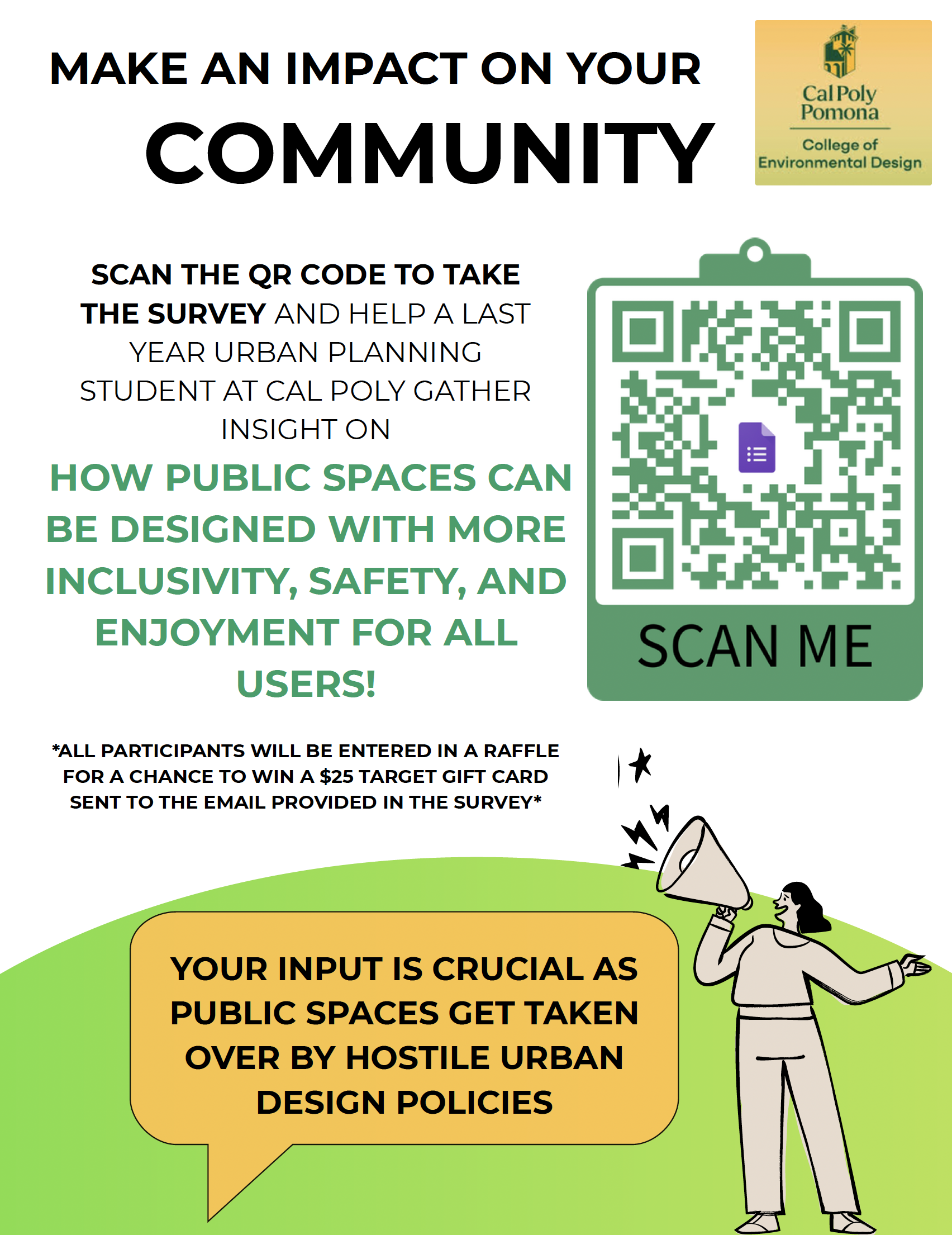
Planners + Community: Zena Al-Beitawi is doing an urban planning senior project examining how public spaces can be designed for inclusivity, safety, and enjoyment versus Hostile Architecture in Pomona, CA.
UCLA network in action! Jordan Grimaldi (MURP ‘26) is doing a master’s client project for City Fabrick analyzing utility right-of-ways in LA.
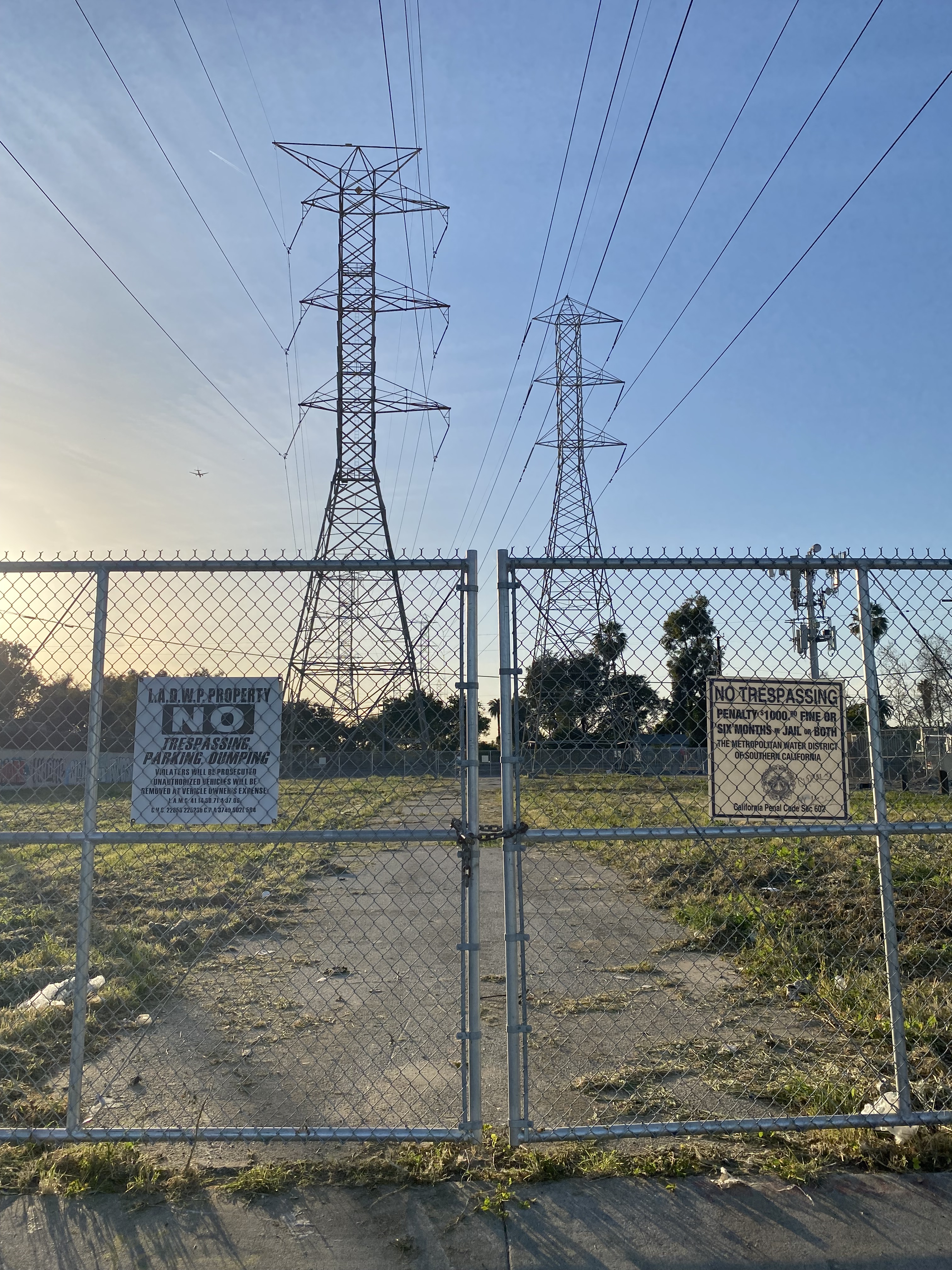
CF’s Alexander Jung, AICP (MURP ‘15) connected Jordan and me (MAUP ‘05) for deep background on the East 92nd Street utility right-of-way in Florence-Firestone.
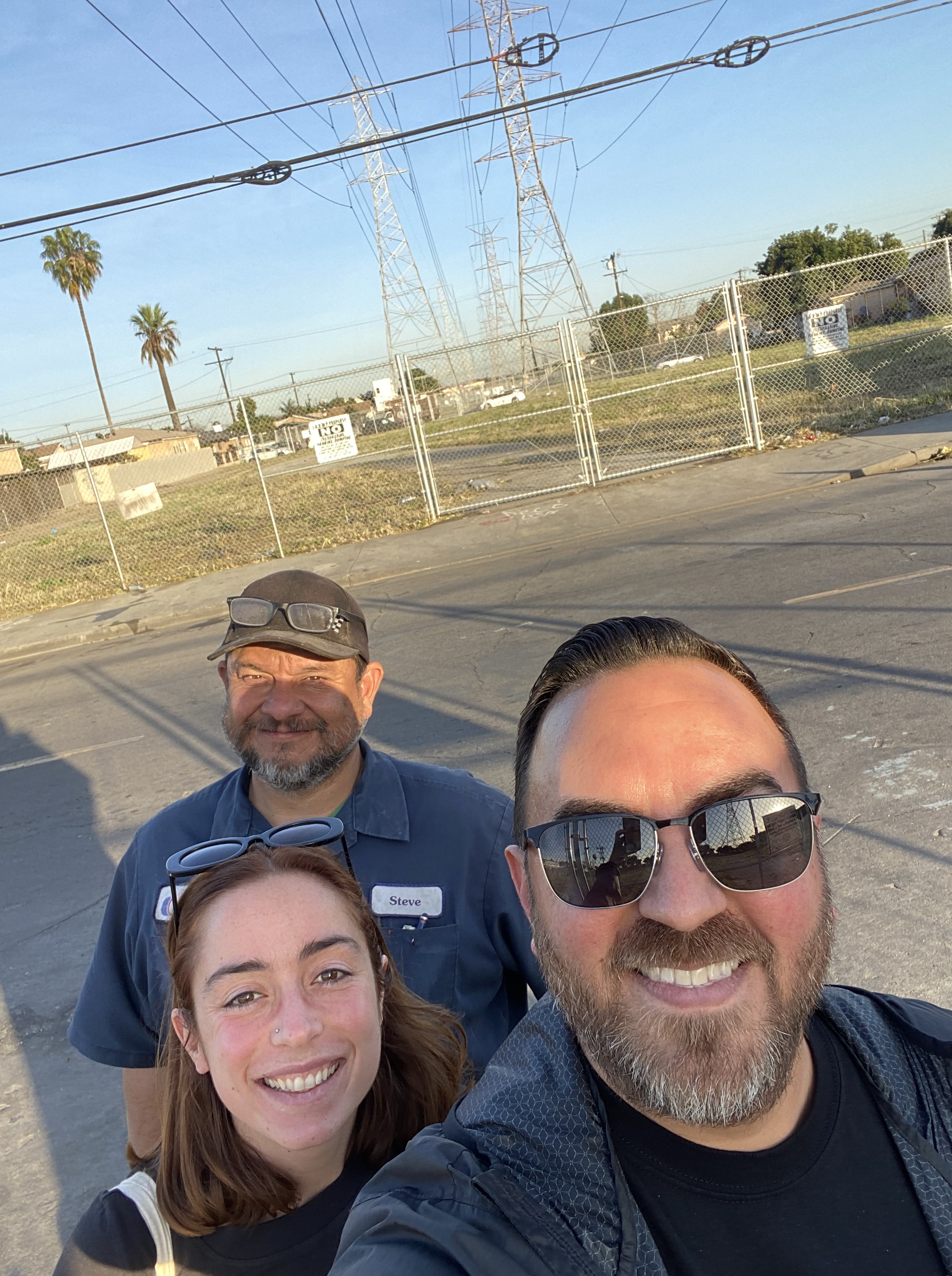
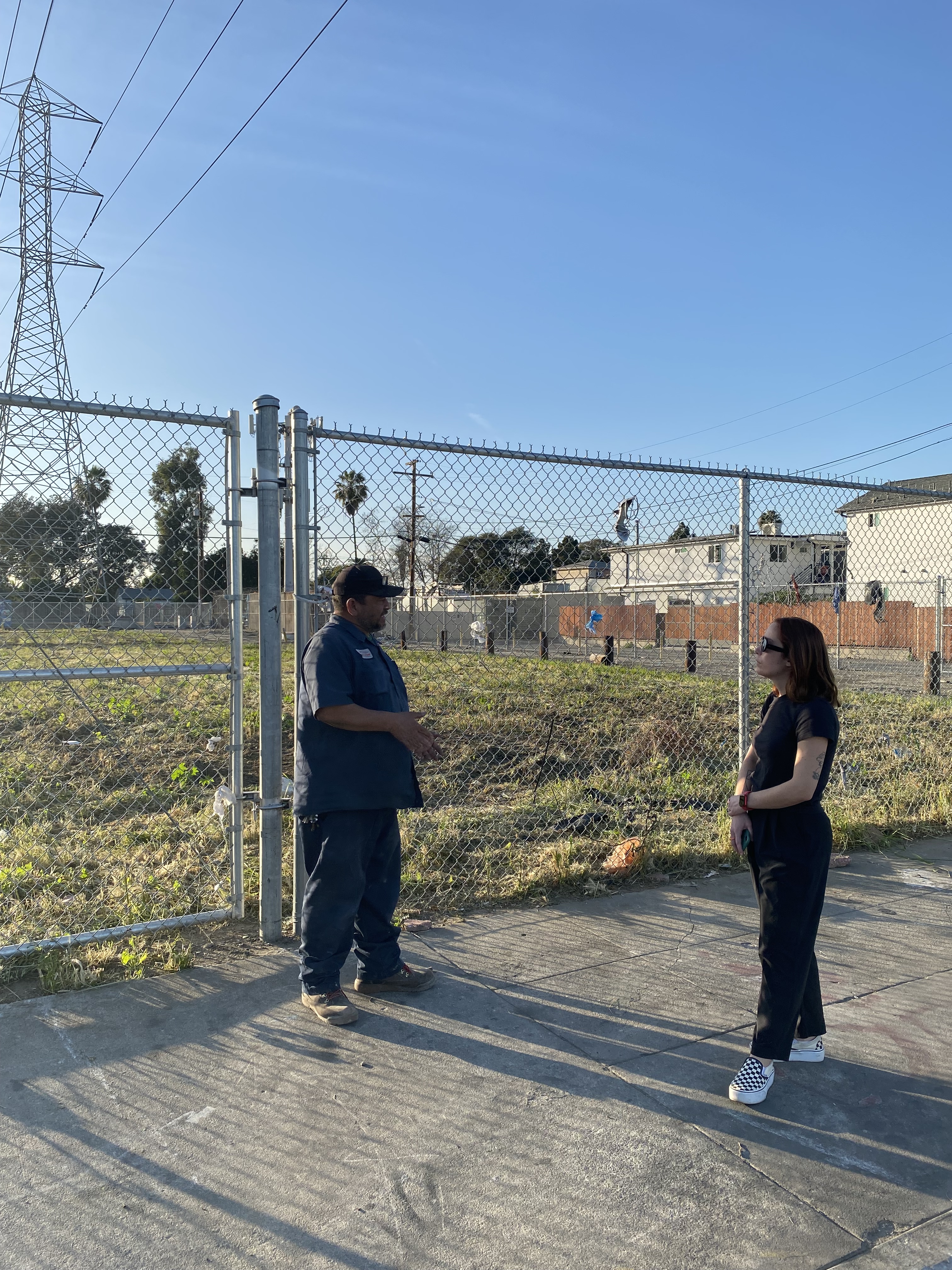
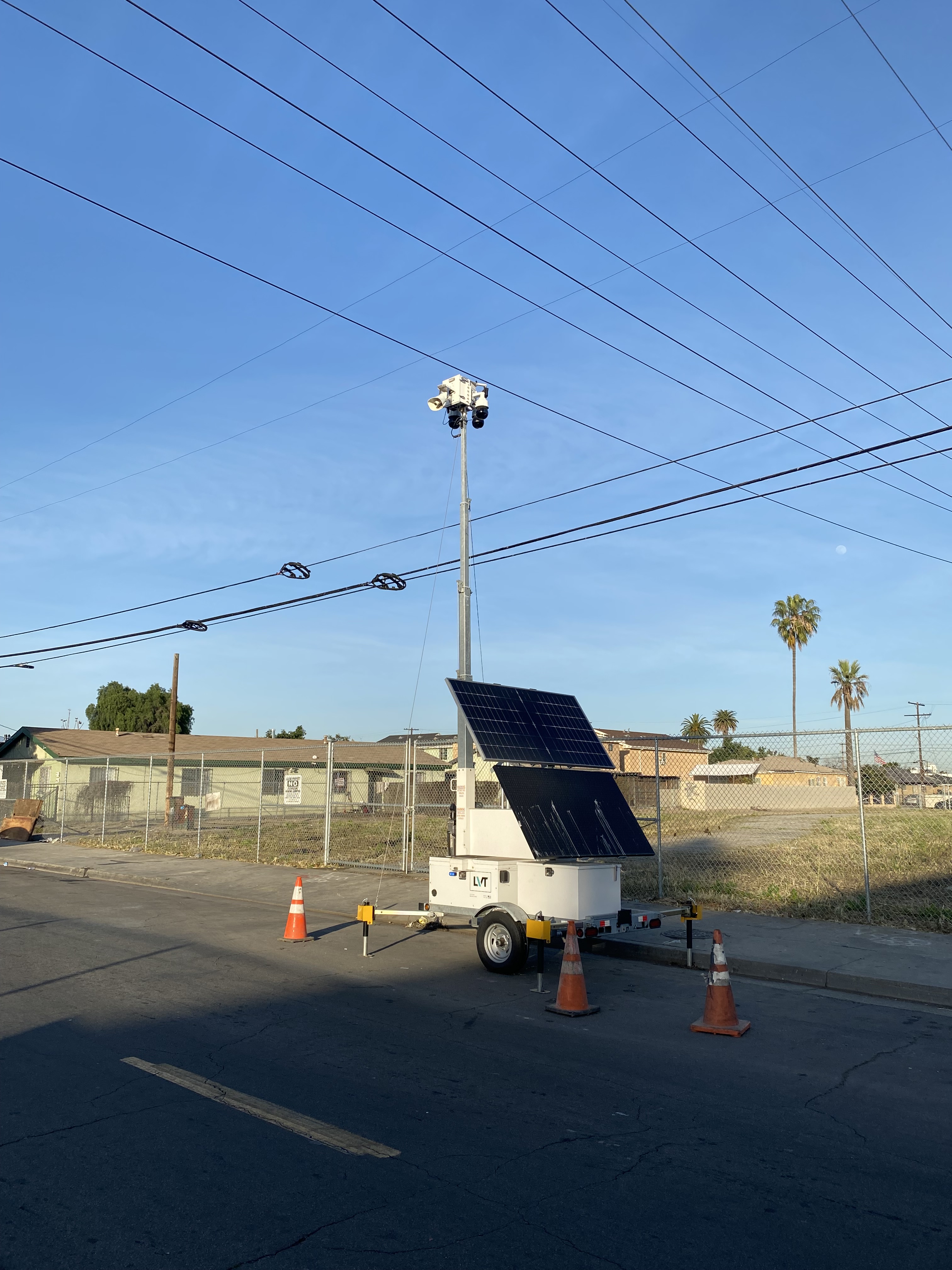
Jordan interviewed me at the Florence-Firestone Community Organization office and then we visited the site, which is now the home of the future 92nd Street Linear Park via Los Angeles County Parks and Recreation!
I then connected Jordan with Yanel Sáenz (MPH ‘22) of the Friends of Washington and 92nd Street Park for additional community interviews about transforming this utility right-of-way into a park.
We will continue supporting Jordan’s community-based research and recommendations well after graduation.
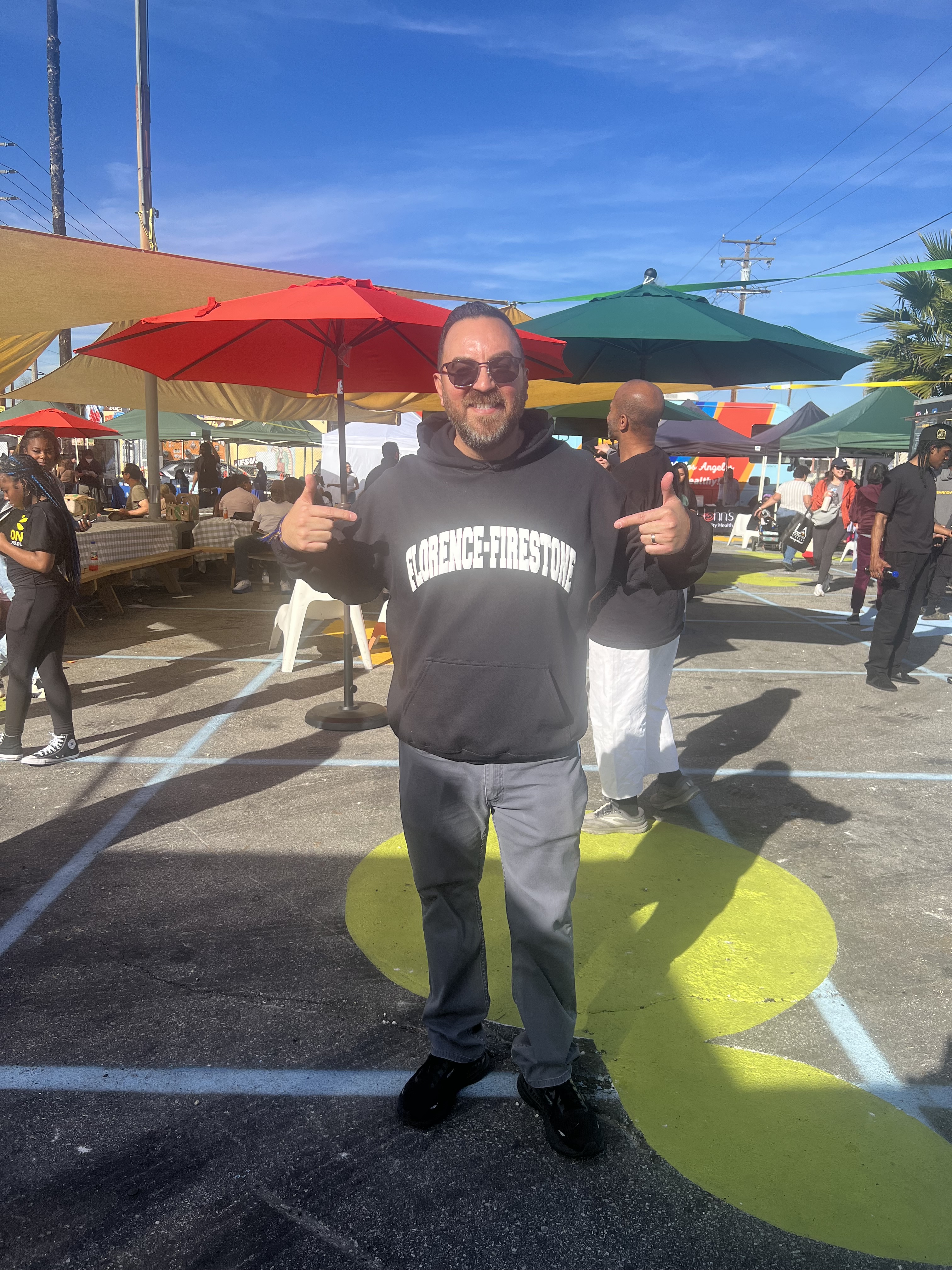
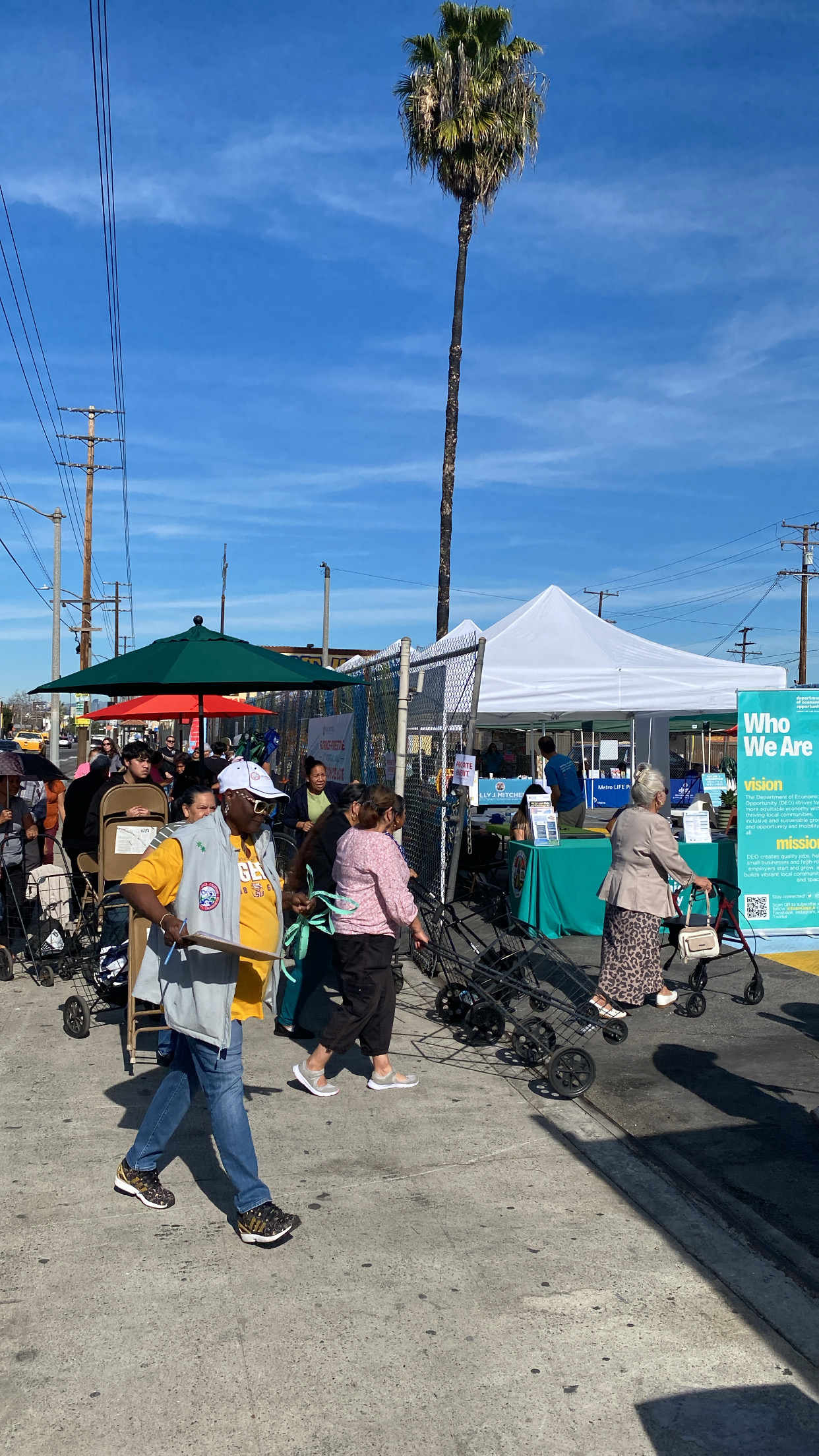
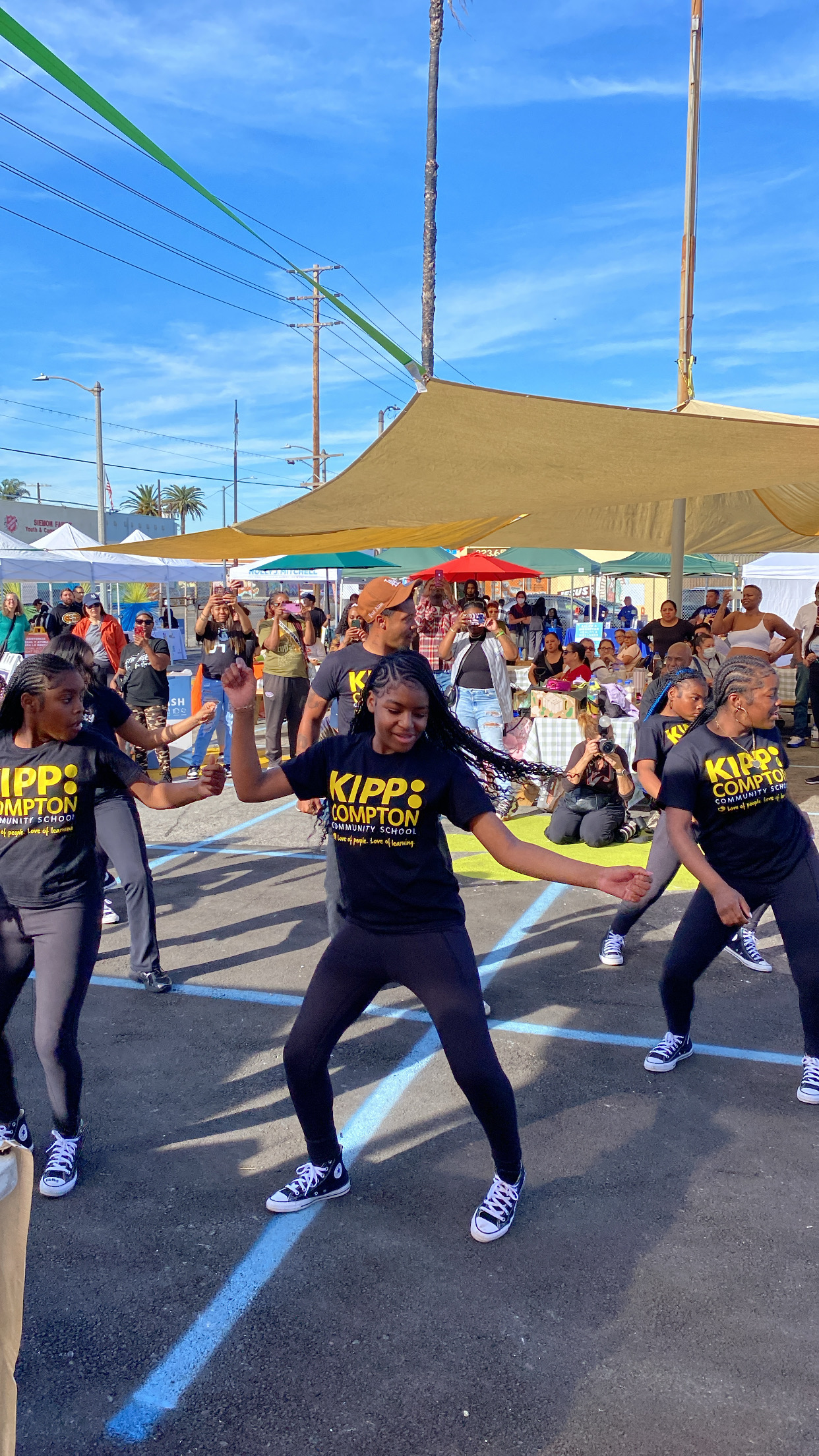
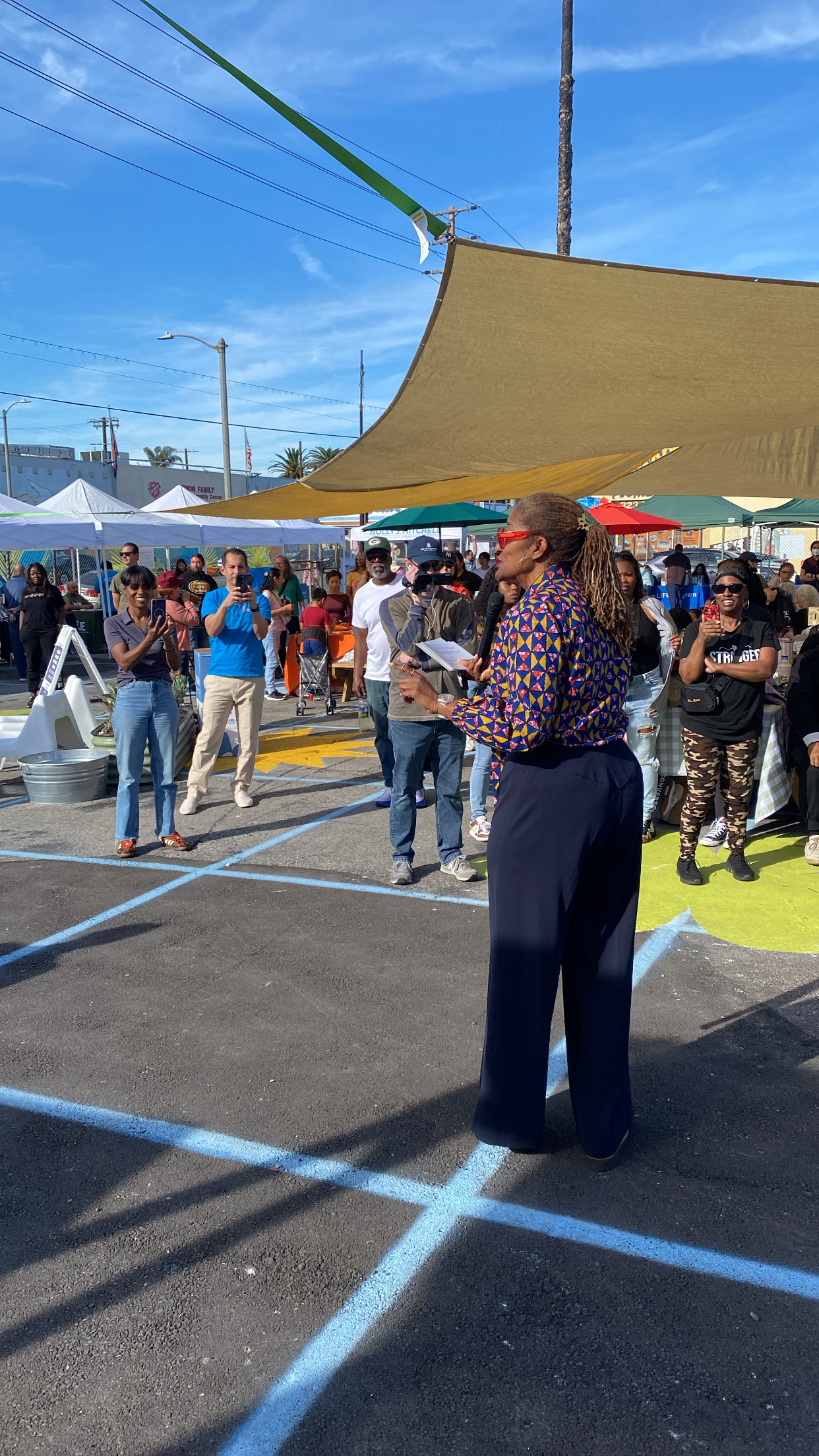
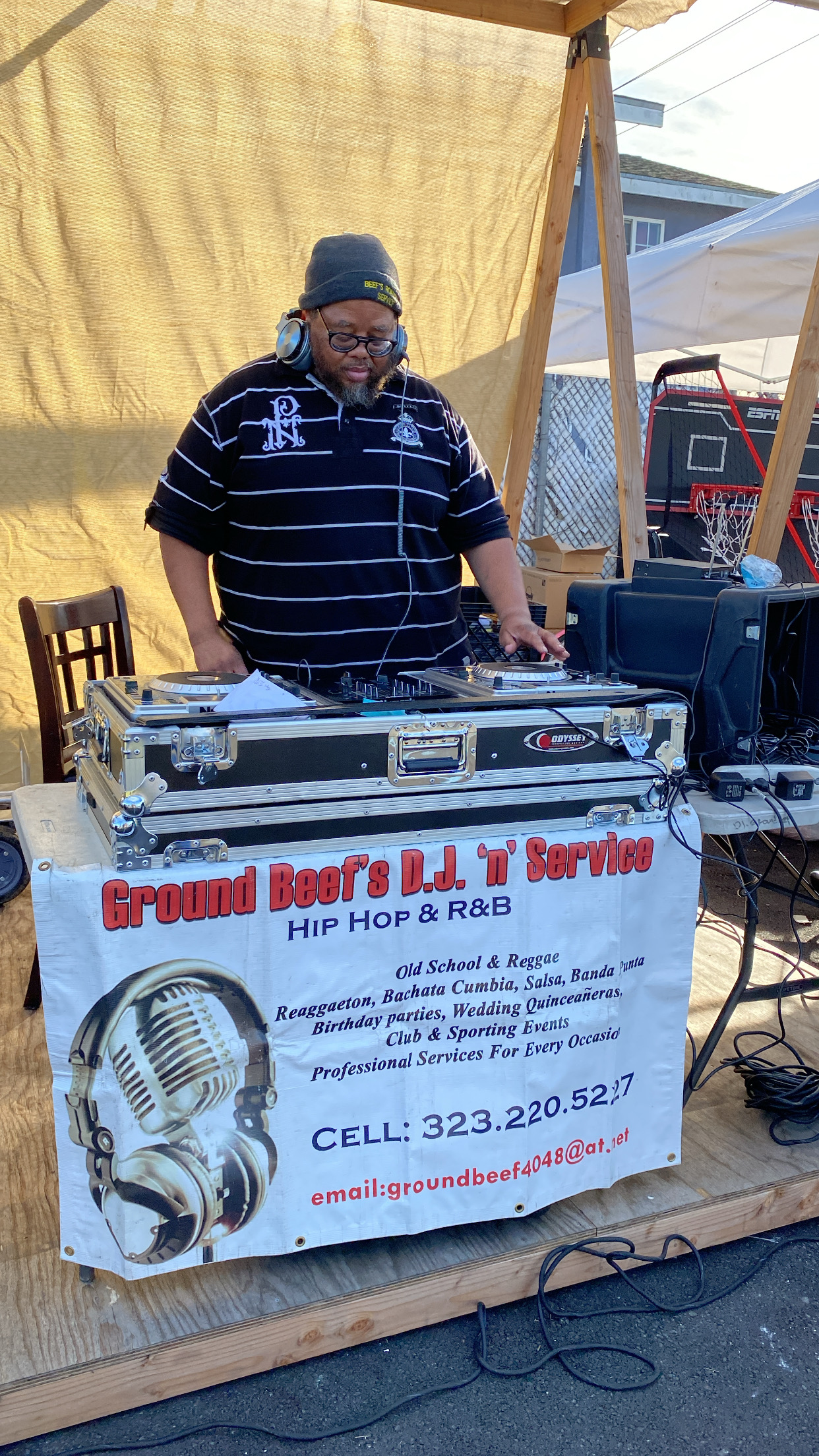
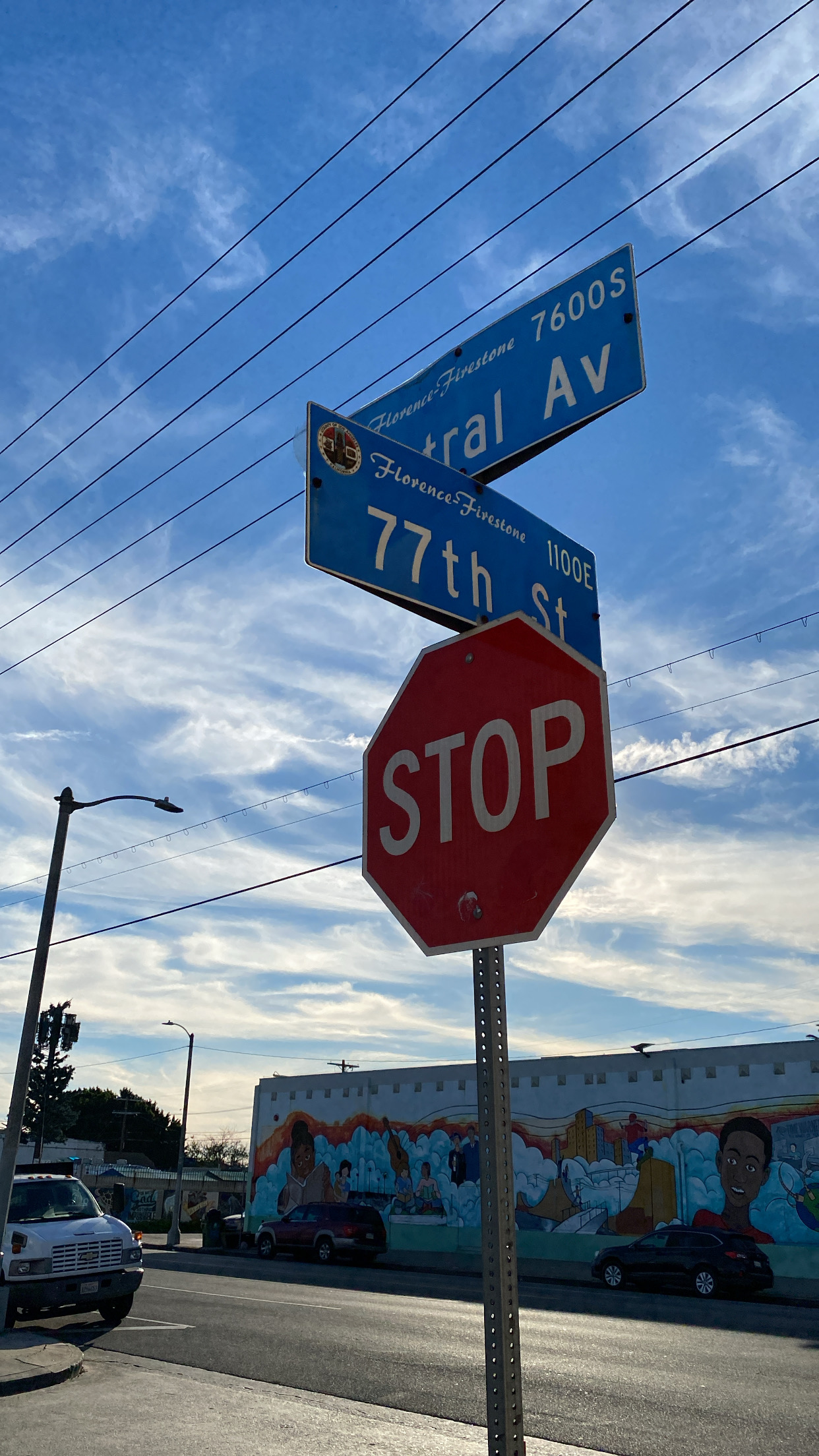
Thanks to everyone who attended our Central Avenue Vacant Lot Activation on January 17th, MLK Weekend. Big shout out to our Second District Supervisor Holly J. Mitchell and our Assemblymember Sade Elhawary for joining us! Much love to all the vendors and performers, especially the Compton Riot dance crew from Kipp Compton Community School.
Florence-Firestone community members will decide the future of this vacant lot.
We have one more activation in February, come through.
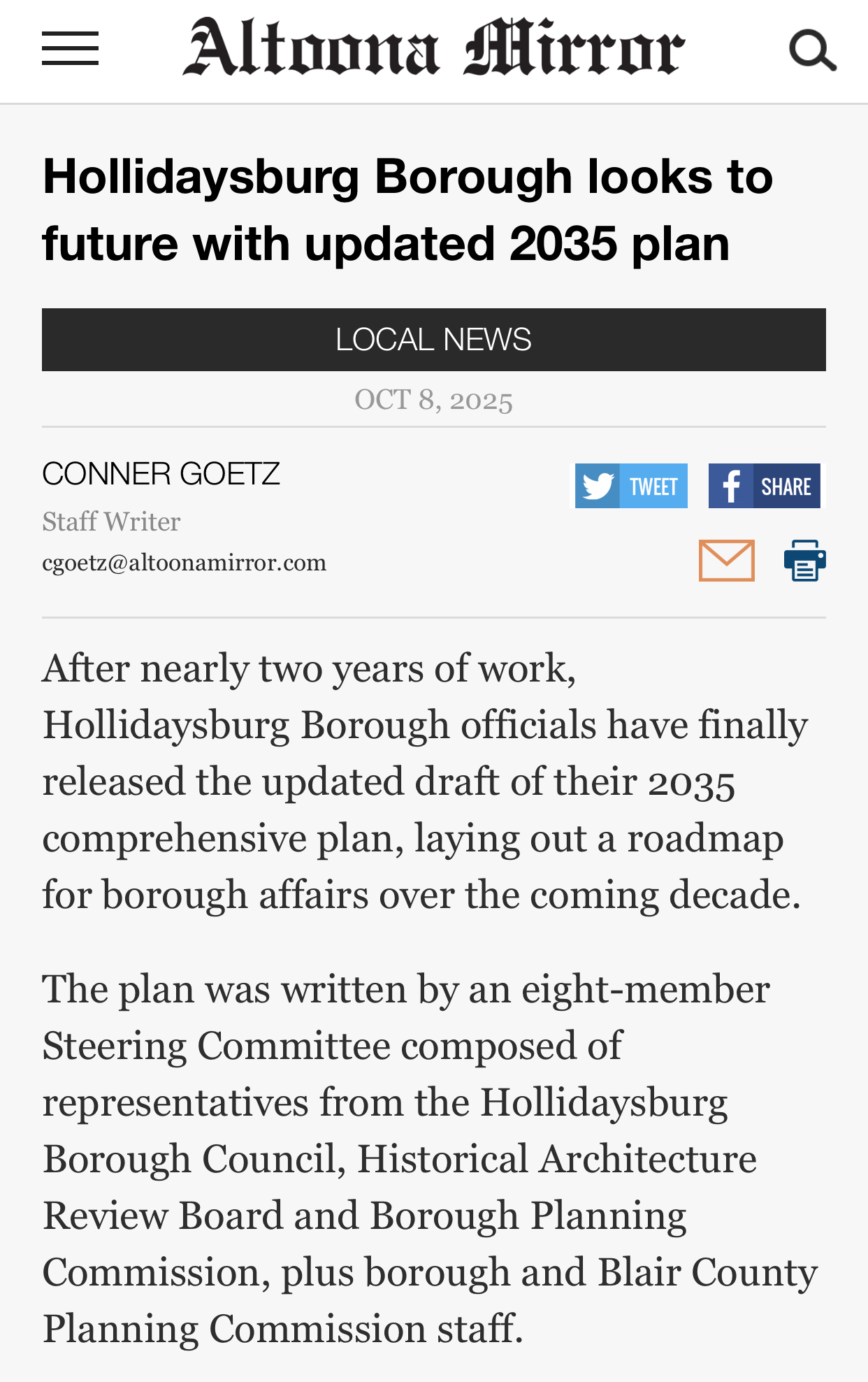
I appreciate this shout out in the Altoona Mirror about our work on the Borough of Hollidaysburg Comprehensive Plan 2035.
‘The revised plan relies on the “embedded planning” methodology espoused by California urban planner Jonathan Pacheco Bell, who was a key consultant during several stages of the process, [Andrew] Holodnik said.
Bell’s approach emphasizes planners getting “out of the office into the street,” Holodnik said, which facilitates direct dialogue between municipal leaders and the constituents they serve.
“You’re immersing yourself in the community,” he said.’
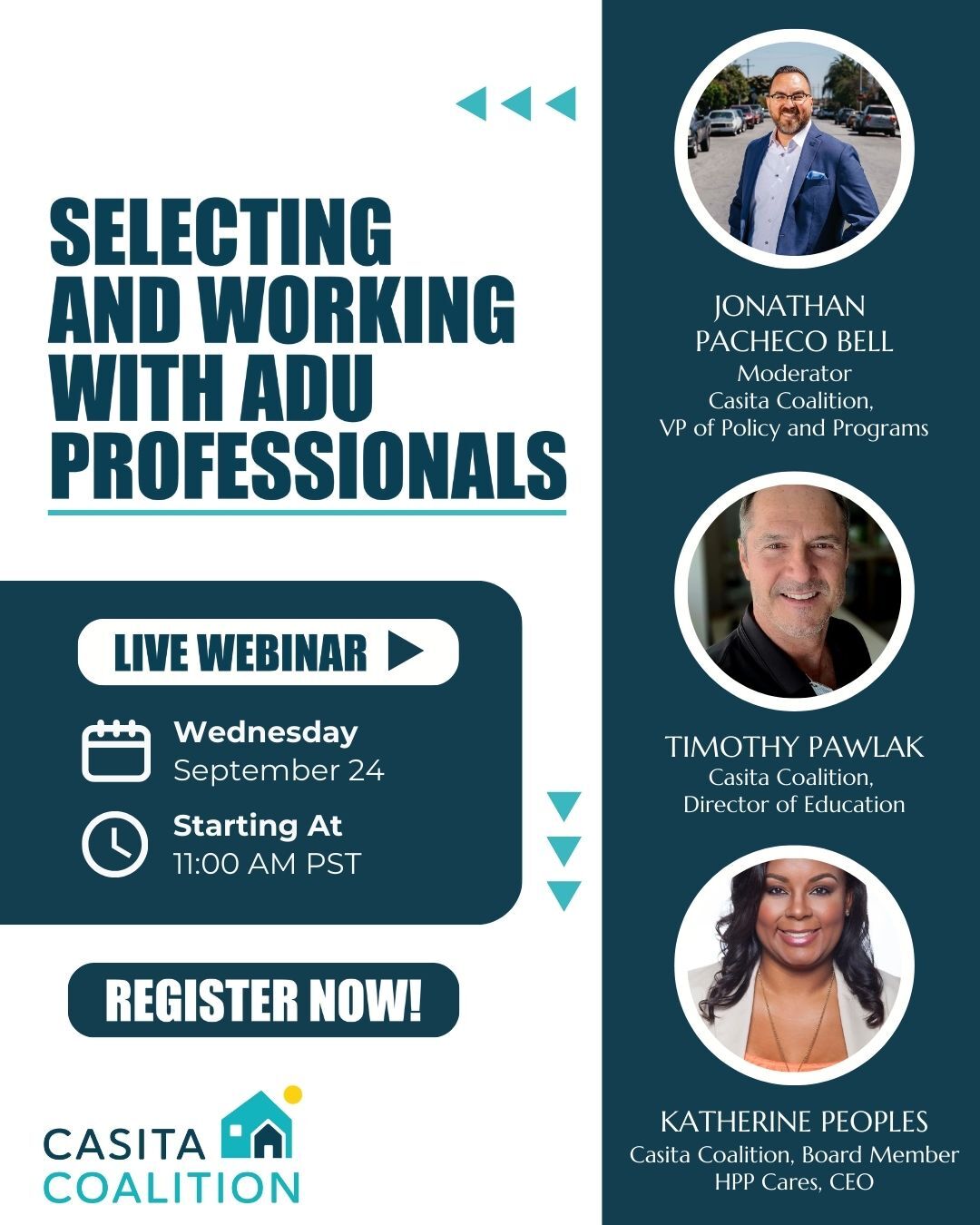
Want to build an ADU but feeling lost about who to work with? Don’t know where to start? Join us for this educational webinar focused on best practices for selecting and working with ADU professionals. Casita Coalition’s Director of Education, Timothy Pawlak, and Katherine Peoples, Casita Coalition Board Member and CEO of HPP Cares, will discuss the best ways to vet professionals, compare bids, review contracts, and protect yourself against fraud. This conversation will be moderated by Jonathan Pacheco Bell, VP of Policy and Programs at Casita Coalition.
Abstract: Legislatures across the country are saying “yes” to backyard housing and passing statewide accessory dwelling unit (ADU) reforms. This panel brings together leaders from successful pro-ADU movements in California, New Jersey, and Massachusetts to share lessons learned, best practices, and model legislation for legalizing second units in single-family areas.
Speakers: Max Dubler, California YIMBY, Policy Manager; Mike Kriesberg, Abundant Housing Massachusetts, Policy and Advocacy Manager; Marina Rubina, Who Killed The Starter Home? Podcast, Principal, Architect; Jonathan Pacheco Bell, Casita Coalition, VP of Policy and Programs
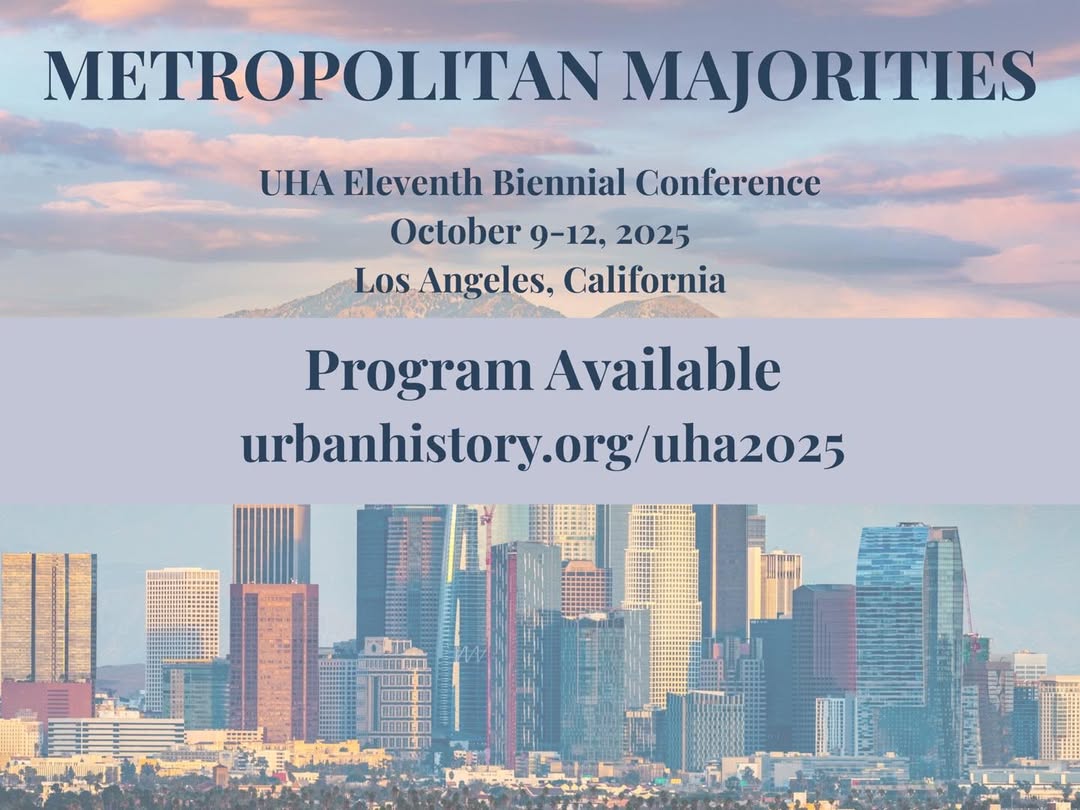
I’m on a panel recognizing the legacy of Mike Davis with writer legends Carolina A. Miranda, Kyle Paoletta, David Kipen, and Mike The PoeT Sonksen at the Urban History Association Conference 2025 in Los Angeles. More to come soon.
Join us on Saturday, October 11th, 1:15-2:45pm at the Biltmore Hotel in Downtown LA.
I learned so much from moderating this breakout session at the Build the Middle National Housing Convening 2025. And from feedback received thus far, session attendees gained many insights, tools, and practical action steps.
Big thanks to our panelists: Diana Gonzalez from Los Angeles County Department of Regional Planning, Tennis Wick from Permit Sonoma, Derek Ouyang from Stanford RegLab, and Awais Azhar from HousingWorks Austin.
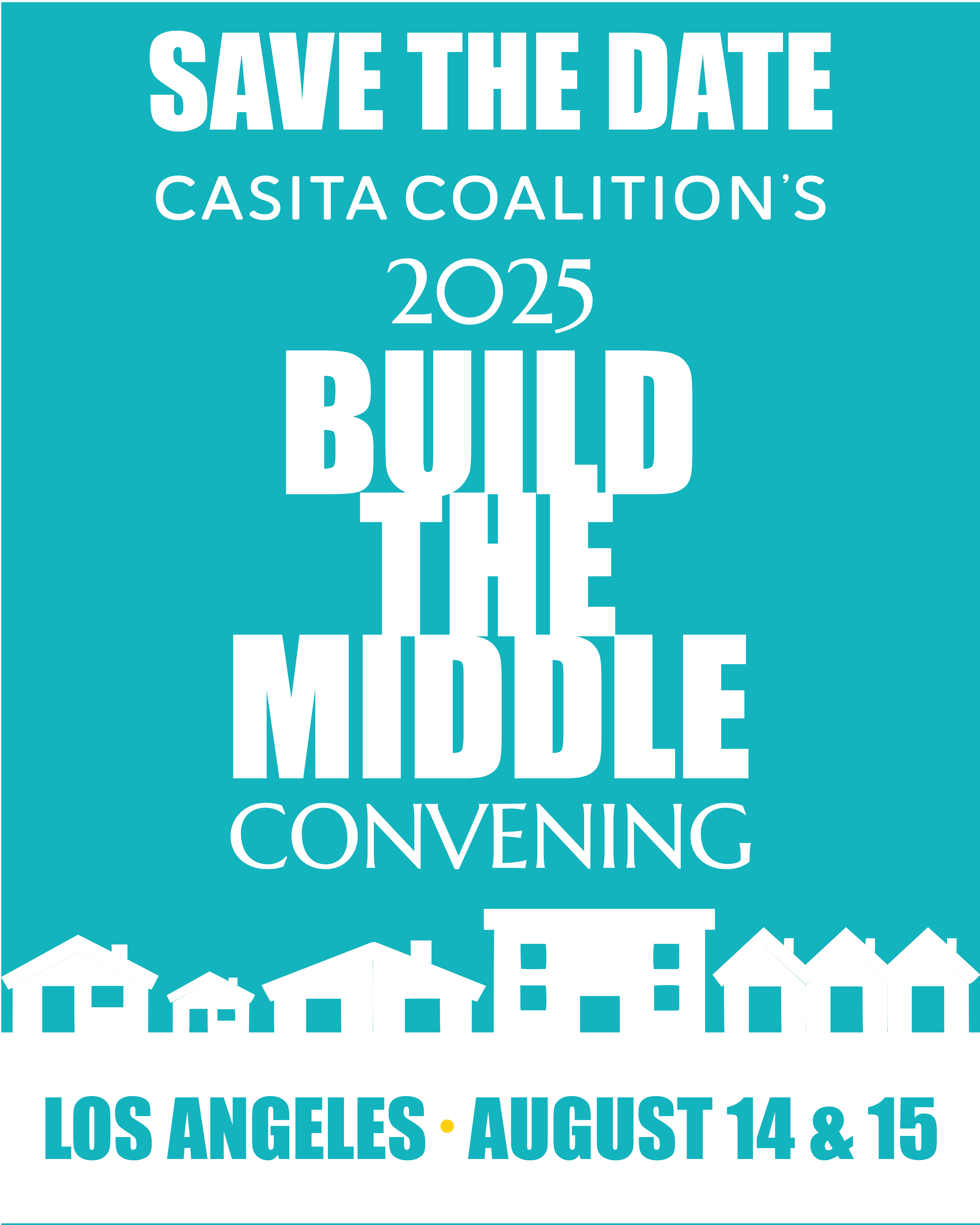
Save the Date! Join Casita Coalition for the 2025 Build the Middle Convening, happening: August 14–15 in Los Angeles! Mark your calendar. Follow for details. Let’s build what’s next.
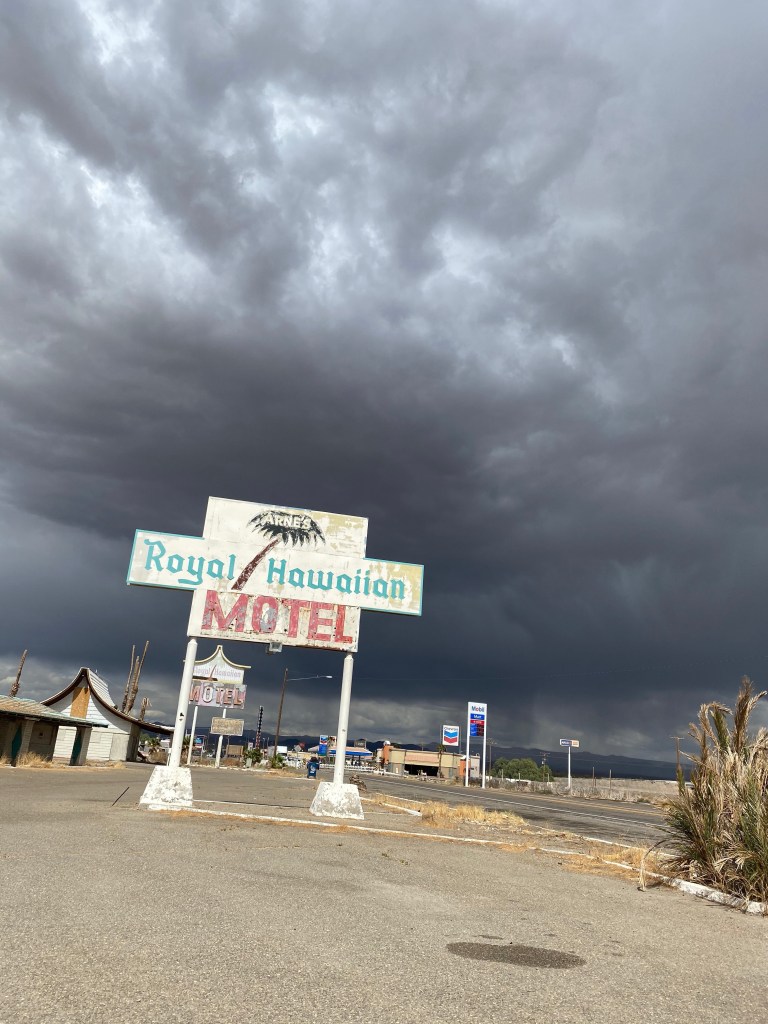
“My family does that pit stop in Baker en route between Nevada and Pasadena. Before getting back on the 15, I like to visit Arne’s. It is always haunting seeing it up close rather than mediated through filtered #urbex depictions. This business was once somebody’s American Dream. I see memories of past grand ambitions working against all odds in the harsh California desert, still there but withering away.
Naysayers might describe Baker in those words. I don’t, because I haven’t given up on this place. The remaining residents, businesses, sites, stories, memories, and histories make this a community.“
BRODIE: What are the conversations like about this among your colleagues and other people who do what you do? . . .
PACHECO BELL: A lot of times city planners get blamed for this, but in fact, it’s oftentimes not city planners that are deciding to add hostile architecture. Rather, it’s the absence of mechanisms within city planning to deal with it. One of my longstanding critiques.
So, yes, there are instances where public agencies or the state might support the addition of hostile architecture, but there are also many instances where the private sector is doing this.
You have sometimes groups that form together to create hostile architecture to add in public space, to drive away those who they deem undesirable, and then sometimes you have sort of lone wolf individuals.
So this is a multidimensional issue. This is a multidimensional public space equity issue with a lot of people involved in it. My critique is that the urban planning field has done very little to address it.
The sharpest critiques that are coming out right now about hostile architecture are coming from the citizen journalists, young people on TikTok. And that is giving me hope that we’re going to have a turning point where we can start really talking about this as an international public space equity issue driven by young people on social media.
Join me this Friday, March 29th at 11:00am PST for an update on the important topic of unpermitted or informal ADUs and efforts to make the process of legalization easier and less costly, hosted by Casita Coalition, a statewide nonprofit. Our panel will cover:
– The current process for legalizing an unpermitted unit under state law – How a safety-first legalization process can help preserve existing homes – Designing an ADU amnesty program that addresses common barriers for homeowners – AB 2533 (Carrillo)—a bill Casita Coalition is supporting to improve current ADU amnesty provisions
This webinar is generously sponsored by the City of Piedmont.
In May 2022, the Washington Post reported that White House officials were exploring the promised cancellation of $10,000 in student debt per borrower, but limiting efforts to people who earned less than $150,000 last year.
Opponents to this proposal can be found across the political spectrum.
Jonathan Pacheco Bell, an urban planner and adjunct professor at Cal Poly Pomona and Pitzer College, said he appreciates that Biden has not forgotten his campaign promise, but $10,000 is insufficient.
“It’s a way to split the difference so that you make some people happy and some people mad, but you’re not going to piss off the other side of the aisle, because you didn’t wipe away all the debt. It’s a very comfortable and extremely safe position,” he said.
Some of his students have taken on tens of thousands of dollars in debt, he added. “Meanwhile, the U.S. seems to be endlessly funding wars and other priorities with almost no hesitation, but it hesitates to invest in its own workforce.”






You must be logged in to post a comment.