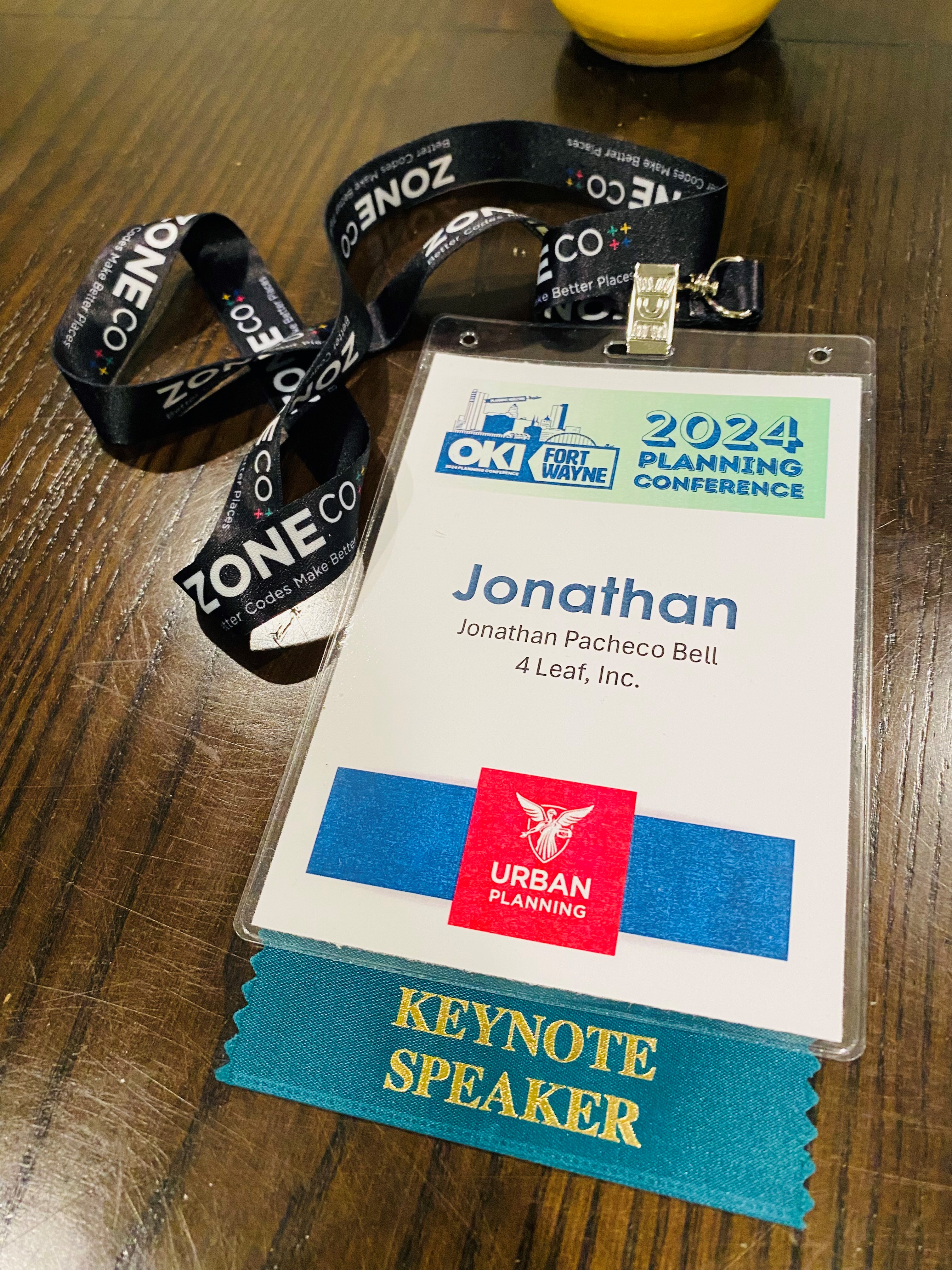
I’m doing the guest lecture “Embedded Planning is the Future” at UC Irvine with the Urban Studies Students Association. The event is free to all on Tuesday, February 11, 2025.
Summary
Jonathan Pacheco Bell’s Embedded Planning approach revolutionizes planning practice by emphasizing street-level planning within the community rather than traditional desk-based methods. Developed by Bell in South Central LA and publicly introduced in 2018, this praxis seeks to rebuild trust and foster meaningful relationships with marginalized communities historically harmed by inequitable planning.
Embedded Planning involves planners working directly from community spaces and places, engaging residents in their everyday environments. This immersive approach helps planners gain a deeper understanding of local needs and aspirations, ensuring that community voices significantly shape planning decisions. By embedding themselves into neighborhoods, planners build strong, authentic relationships, moving beyond one-off, transactional, superficial consultations to create lasting and impactful partnerships.
Despite its support from communities, Embedded Planning has faced resistance from conventional planning practice and management, which has viewed this approach with skepticism. Working from the neighborhood to integrate community directly into planning processes challenges traditional methods and requires navigating complex dynamics between stakeholder expectations and regulatory constraints.
Since its inception, Embedded Planning has gained an international following among emerging planners who are eager to implement more inclusive practices. Bell’s talk will highlight real-world case studies, reflections, and personal experiences, while also showcasing the approach’s challenges and benefits. Attendees will learn how Embedded Planning fosters trust, informs better decision-making, and promotes more equitable community development. This emerging movement represents a crucial shift towards centering planning as an active and continuous process from within the community and represents the future of planning.
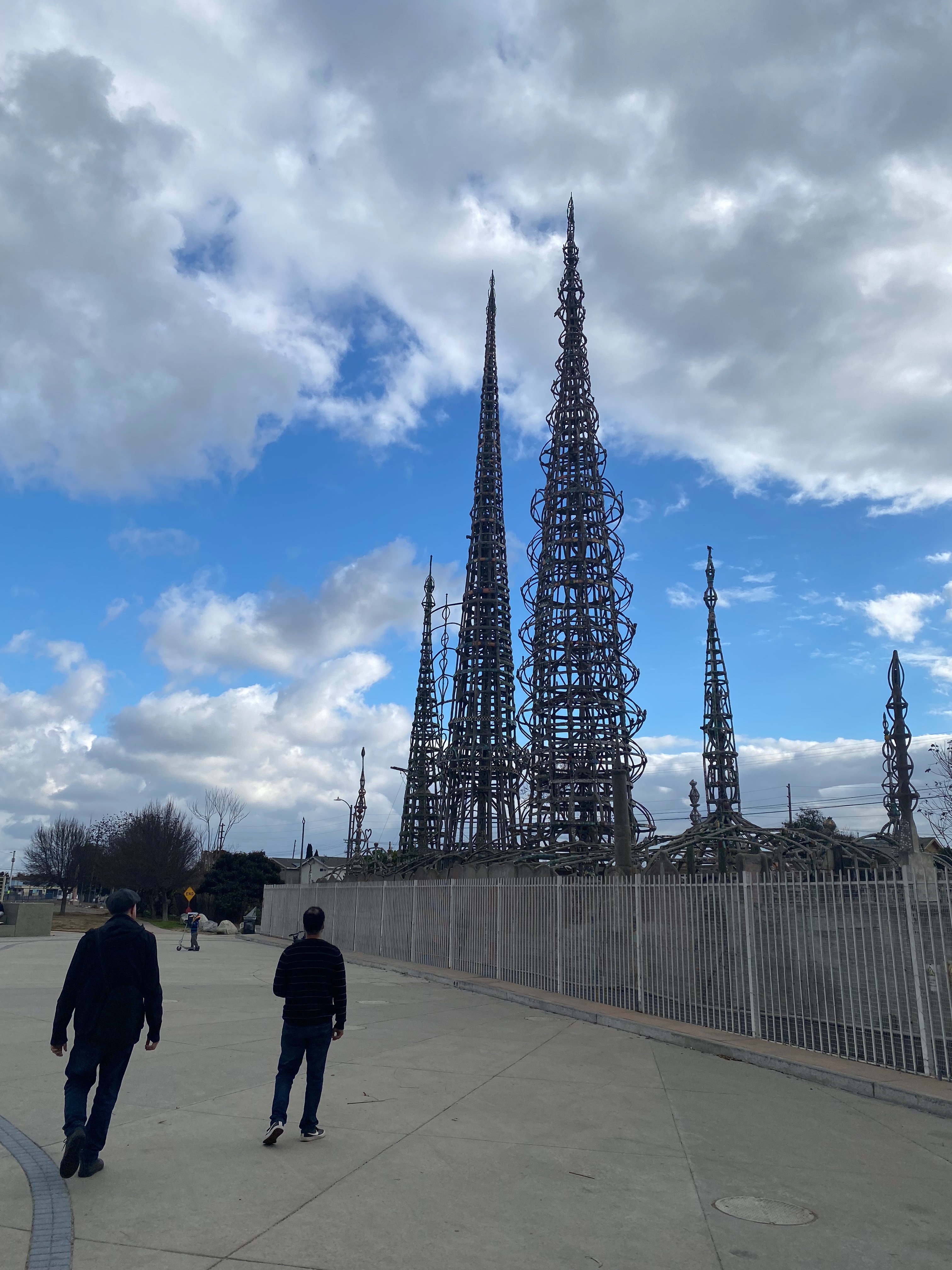
I led a driving tour of Florence-Firestone and Watts for Jacob, Terry, and Mike The Poet. Jacob is doing a master’s in urban planning at USC Price. His dad, Terry, is a therapist who’s worked in Watts. Mike linked us up. Everyone learned about the birth of Embedded Planning praxis in Florence-Firestone.
There’s a Mike Norice mural outside the new Starbucks at Century & Alameda. A portion reads: 65, 92, 20.
65 = 1965 Watts Uprising
92 = 1992 LA Uprising
20 = 2020 George Floyd Uprisings
Mural by Mike NoriceMike and Terry at the Watts Towers
Cal Poly Pomona MURP students on a community walk in Florence-Firestone, September 7, 2024. Photo: Richard Belmudez
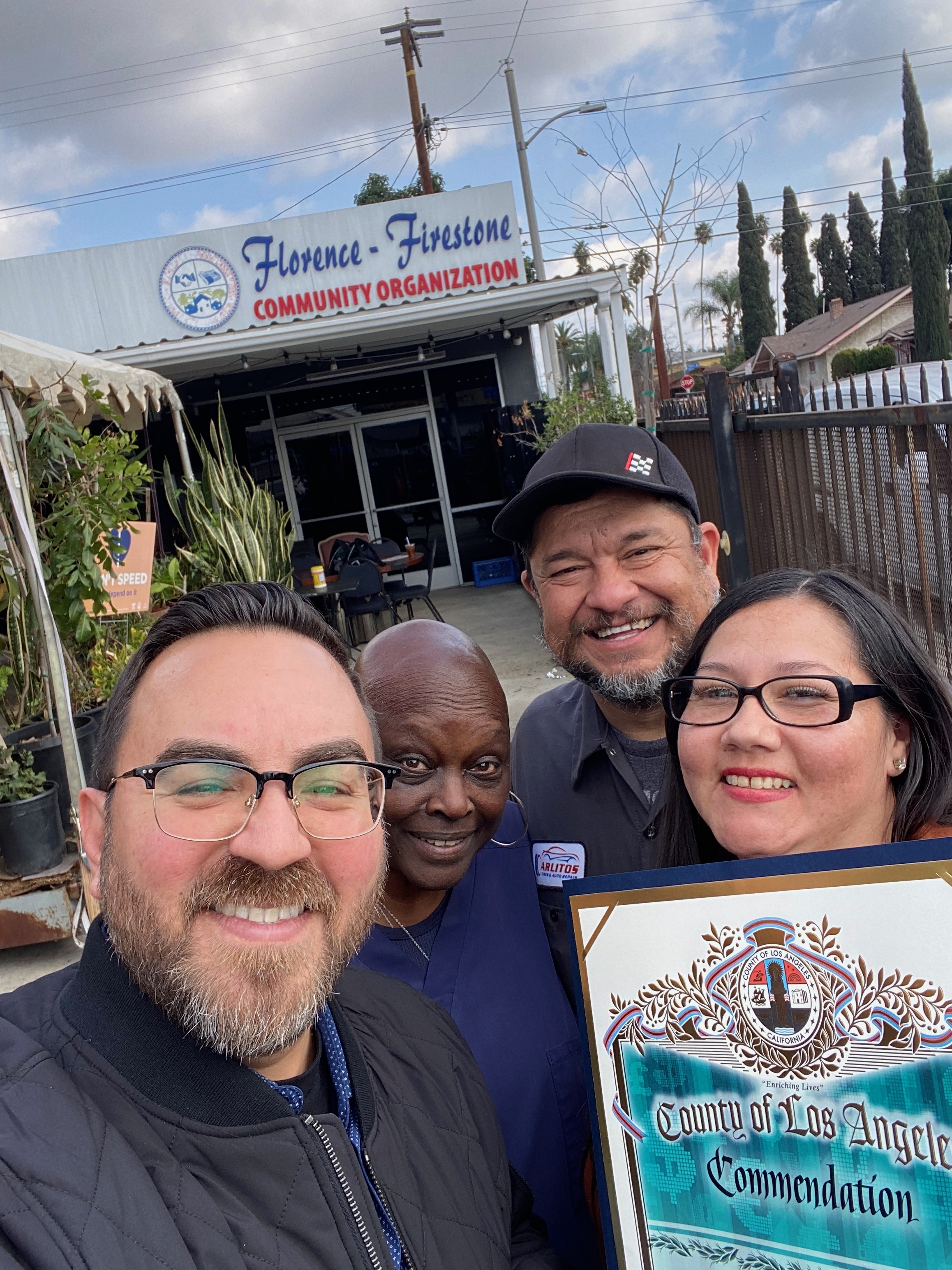
In Spring 2025, the Florence-Firestone Community Organization (FFCO) — where I proudly serve as Co-President — is partnering with Scripps and Pitzer colleges to integrate the Florence-Firestone neighborhood into these Environmental Analysis courses:
EA 086 SC: Environmental Justice (Scripps College)
MS 090: Ecodocumentary (Pitzer College)
Building on our past efforts, FFCO will host walking tours and discussions, conduct in-class guest lectures, and provide readings and resources to learn about our Florence-Firestone community in South Central LA.
Local news coverage of Florence-Firestone lamentably focuses on social ills. While the community endures challenges and struggles, there is more to it than the clickbait headlines. Our decades-long community-driven work proves it. The creation of Embedded Planning in Florence-Firestone, now a worldwide movement, proves it. The birth of FFCO as a community advocacy voice during COVID proves it. Florence-Firestone is a vibrant and historic community. Students will experience it.
Below is a variety of key resources on Florence-Firestone. I am proud to have worked on nearly all of these projects. These help reframe the narrative about our community. They tell a fuller story of partnerships, solidarity, and hope.
Florence-Firestone Community Organization Latin Labic & Expo Kermesse:
Florence-Firestone Community Organization and SELA Collaborative interview, including Embedded Planning origins in Florence-Firestone (starts at 5:25 min mark):
How a Tire Shop in South L.A. Became a Community Hub for Locals:
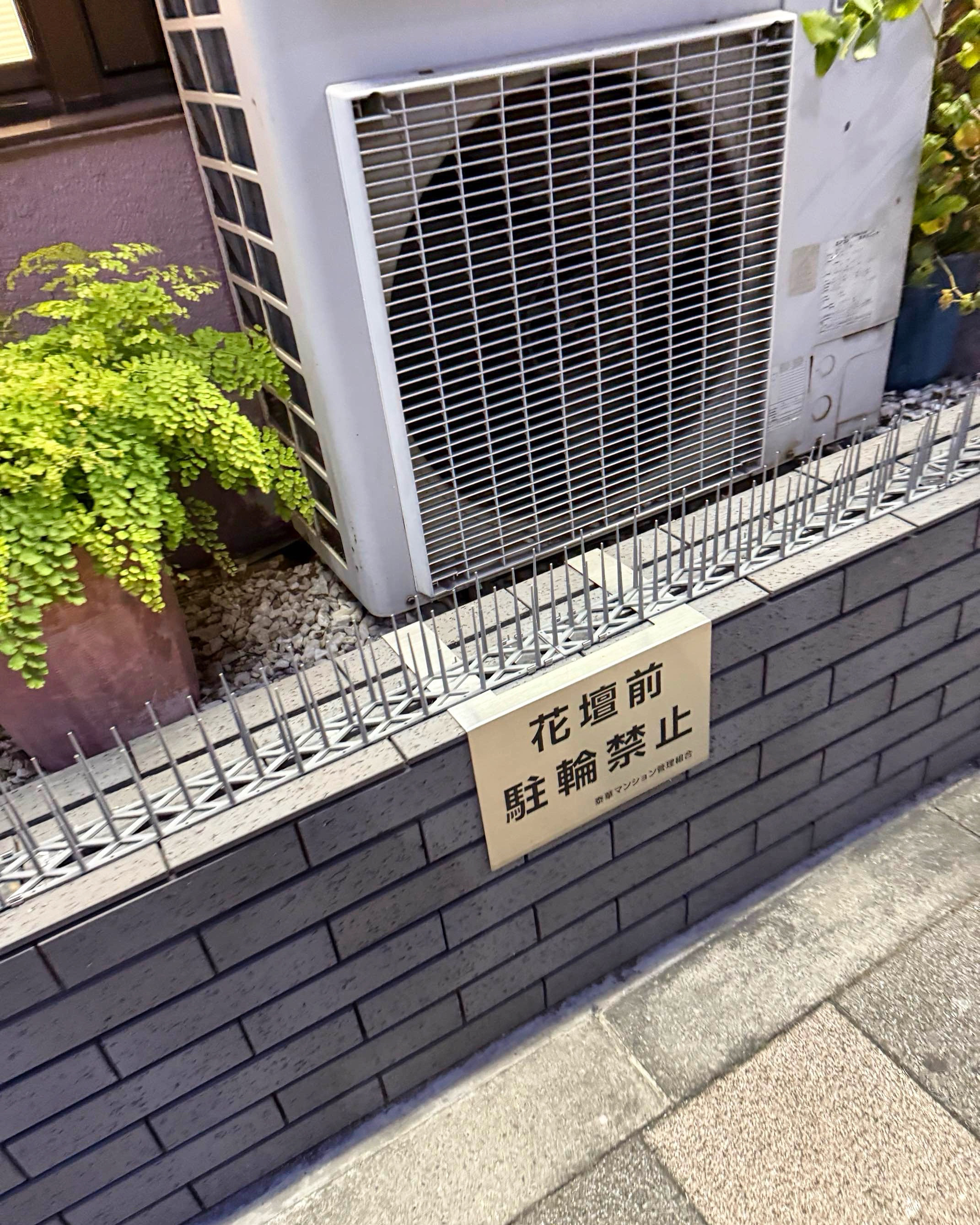
Cal Poly Pomona MURP student Abby Urquiza found some conspicuous Hostile Architecture in Tokyo. Last semester, we examined Hostile Architecture in the Planning & Control module in our course, URP 5120: Planning Ideas & Action. From our readings:
The city is engaged in a merciless struggle to make public facilities and spaces as ‘unlivable’ as possible for the homeless and the poor.
Near Schurr High School in Montebello, view of Eaton Fire looking north toward Pasadena. Photo: Jonathan Pacheco Bell
Originally posted on LinkedIn, this message is cross-posted on my website and facebook.
Thank you to fellow planners and community members who reached out. As the Eaton Fire grew, Alejandra and I left Pasadena for mom’s in Montebello. Not everyone had that possibility.
My heart breaks for our friends and neighbors who have suffered catastrophic losses. It is just devastating. Altadena, Pasadena, and neighboring communities are changed forever. While we collectively grieve, there is a monumental community support and mutual aid effort underway. Assistance, support, solidarity is welcome.
Before leaving our block, we donated to the Pasadena Humane Society. They are inundated with animals of all sizes needing treatment and shelter. If you would like to help our communities, consider donating to Pasadena Humane.
In 2024, what began in Florence-Firestone transformed into an international movement. Embedded Planning won.
When I started this praxis in South Central LA, some planning figureheads viewed street-level planning work with skepticism. Today, planning organizations are implementing Embedded Planning praxis as official policy. The City of Fort Wayne didn’t just adopt our approach — they embraced it fully, showing what’s possible when management supports planners working directly from community spaces.
This year validated what our community knew all along: We Cannot Plan From Our Desks.
Key transformations: • Fort Wayne’s formal implementation of Embedded Planning with full institutional support • Florence-Firestone Community Organization’s expansion of street-level programs • FFCO’s Latin Labic + Expo Kermesse bringing creative placemaking to South Central LA • Growing recognition through APA Planning Advocate and Pioneer awards • Cal Poly Pomona Urban and Regional Planning students advancing community-centered research
Looking ahead: As Embedded Planning expands globally in 2025, our focus remains clear — rebuilding trust through street-level planning while keeping our trailblazing work in Florence-Firestone as our north star.
To every planner now embedding themselves in communities, and to every community member who showed us the way: this transformation belongs to all of us. The future of planning isn’t in our offices. It’s on the streets, in the neighborhoods, with the people.
Jonathan Pacheco Bell’s Embedded Planning approach revolutionizes planning practice by emphasizing street-level planning within the community rather than traditional desk-based methods. Developed by Bell in South Central LA and publicly introduced in 2018, this praxis seeks to rebuild trust and foster meaningful relationships with marginalized communities historically harmed by inequitable planning.
Embedded Planning involves planners working directly from community spaces and places, engaging residents in their everyday environments. This immersive approach helps planners gain a deeper understanding of local needs and aspirations, ensuring that community voices significantly shape planning decisions. By embedding themselves into neighborhoods, planners build strong, authentic relationships, moving beyond one-off, transactional, superficial consultations to create lasting and impactful partnerships.
Despite its support from communities, Embedded Planning has faced resistance from conventional planning practice and management, which has viewed this approach with skepticism. Working from the neighborhood to integrate community directly into planning processes challenges traditional methods and requires navigating complex dynamics between stakeholder expectations and regulatory constraints.
Since its inception, Embedded Planning has gained an international following among emerging planners who are eager to implement more inclusive practices. Bell’s talk will highlight real-world case studies, reflections, and personal experiences, while also showcasing the approach’s challenges and benefits. Attendees will learn how Embedded Planning fosters trust, informs better decision-making, and promotes more equitable community development. This emerging movement represents a crucial shift towards centering planning as an active and continuous process from within the community and represents the future of planning.
Jonathan Pacheco Bell is a Senior Embedded Planner at 4LEAF, Inc., Lecturer in Urban & Regional Planning at Cal Poly Pomona, and Vice President/Public Information Officer of the nonprofit Florence-Firestone Community Organization in South Central Los Angeles.
A practicing urban planner with over 20 years of experience spanning the public, private, and nonprofit sectors, Jonathan has expertise in community engagement, participatory design, inclusive public space, long-range plans, zoning enforcement, ordinance development, planning studies, and project management.
During his tenure as a County planner in South Central LA’s Florence-Firestone community, Jonathan created Embedded Planning. This praxis situates the work of planners on the street-level, not behind a desk, to increase equity and participation for historically marginalized populations harmed by inequitable planning. What began in South Central is now an international movement of Embedded Planners with feet on the street. Jonathan has guest lectured widely on Embedded Planning praxis. His speaking engagements include Columbia University, UCLA, Ohio State, University of Utah, Pratt Institute, Stanford Engineering, Woodbury University, and East LA College Architecture; state and national APA Conferences in California, Iowa, and Louisiana; and public forums such as AARP Livable Communities, City Parks Alliance, and the SF Urban Film Fest.
Jonathan has been a leader in the American Planning Association for over a decade. He’s a member of the Latinos and Planning Division and is published in APA’s practitioner magazine, Planning. He previously served as APA Los Angeles Social Media Director and was the Southern California representative on the APA National Social Equity Task Force. This year, Jonathan proudly received the Planning Advocate Award of Excellence from APA Los Angeles and the Planning Pioneer Award of Excellence from APA Inland Empire.
Born and raised in LA’s Latino/a Eastside, Jonathan serves as a mentor to First Gen students and emerging planners. A product of the California public school system from kindergarten to graduate school, he holds an M.A. in Urban Planning from UCLA Luskin School of Public Affairs, and additional degrees in library and information science, political science, and architecture. Connect at c1typlann3r.blog.
Identifying the Constraints to Implementing a Vegetation Barrier along Valley Boulevard. By: Taylor Galindo
Celebrating the graduates in my 2024 Senior Project class at Cal Poly Pomona Department of Urban and Regional Planning. Today we uplift this researcher:
Identifying the Constraints to Implementing a Vegetation Barrier along Valley Boulevard
By: Taylor Francis Galindo
Abstract:
Ambient air pollution is a significant health concern where industrial zones directly border residential zones. Numerous studies suggest the effectiveness of implementing vegetation to serve as a mitigative strategy in addressing ambient air pollution. This paper will examine the complexities of implementing vegetation as a barrier to mitigate air pollution in an environmental justice community located along Valley Boulevard in Southern California’s San Gabriel Valley. The qualitative data featured in the study collected interviews with local community stakeholders and professionals from various professional backgrounds. These insights provide a foundation of what agencies would need to overcome to implement a vegetation barrier along Valley Boulevard.
Keywords: Public Health, Environmental Injustice, Tree Canopy, Green Barriers, Sustainable Solutions, Ambient Air Pollution, and Industrial Zoning
Taylor presenting at the 2024 Cal Poly Pomona Urban & Regional Planning Senior Projects Day. Photo: Jonathan Pacheco Bell
Multi-use Trails: A Path to a Third Place at The Tracks at Brea Trail. By: David Pascual
Celebrating the graduates in my 2024 Senior Project class at Cal Poly Pomona Department of Urban and Regional Planning. Today we uplift this researcher:
Multi-use Trails: A Path to a Third Place at The Tracks at Brea Trail
By: David Pascual
Abstract:
This research examines the role of The Tracks at Brea Trail (TAB trail), a multi-use trail located in Brea, California, in Orange County, as a new Third Place among the existing Third Places that Americans identify, such as coffee shops, restaurants, libraries, shops, and even local community centers. Currently, the American adult population is experiencing high stress levels and sedentary lifestyles, increasing mental health problems and fatalities. With rising concerns about mental well-being among adults, there are limited Third Places to improve well-being, which is difficult to do outside peaceful environments.
Eleven walking tours were conducted with thirteen participants and photo evidence was taken, documenting how individuals perceive the greenspace and trail design elements TAB trail offers. The participants’ commentary highlighted their limited knowledge of Third Places, awareness of wildflowers and treescapes along the trail, and sense of isolation in certain trail sections. Participants who experienced distress commented that the trail helped improve their current emotions.
Multi-use trails shed awareness on how transportation planners must consider the greenspaces that individuals use to enhance their well-being while preserving the natural environment for local wildlife and plants and creating sections along those greenspaces. Cities and planners need to move forward in promoting spaces in and among multi-use trails to improve an individual’s social and mental well-being.
David presenting at the 2024 Cal Poly Pomona Urban & Regional Planning Senior Projects Day. Photo: Jonathan Pacheco Bell
Roles of Place Design Between Conventional and Student Housing in South Central Los Angeles. By: Osvaldo Martinez
Celebrating the graduates in my 2024 Senior Project class at Cal Poly Pomona Department of Urban and Regional Planning. Today we uplift this researcher:
Roles of Place Design in Creating a Sense of Community Between Conventional Homes and Student Housing in South Central Los Angeles
By: Osvaldo Martinez
Abstract:
For the last 4 to 5 years, the community around the University of Southern California in South Central LA has experienced an increase in student housing development where conventional, longtime residents live. This development wave not only introduces student housing in new neighborhoods but also implements unprecedented design that strays from existing neighborhood architectural styles and densities. This phenomenon raises the question of how these new forms of student housing affect residents’ perceptions of community identity, and how it affects community interactions with USC students.
Through qualitative research, I interviewed residents about new housing design and social interactions with USC students to understand the role of place design in creating a cohesive community. Residents agreed that the new forms of student housing should align with the community’s existing architectural styles, and that new student housing is being built to profit from the student market. Many residents felt that housing developers were intentional about creating a brand within the neighborhood rather than making developments that contribute to the neighborhood.
Osvaldo presenting at the 2024 Cal Poly Pomona Urban & Regional Planning Senior Projects Day. Photo: Jonathan Pacheco Bell
Planning For The Prestigious Poor. A Critical Analysis of Cal Poly Pomona’s Initiatives Addressing Student Homelessness and Housing Instability. By: Eileen Ramos
Celebrating the graduates in my 2024 Senior Project class at Cal Poly Pomona Department of Urban and Regional Planning. Today we uplift this researcher:
Planning for the Prestigious Poor: A Critical Analysis of Cal Poly Pomona’s Initiatives Addressing Student Homelessness and Housing Instability
By: Eileen Ramos
Excerpt:
This study assesses the ability of housing-insecure college students at Cal Poly Pomona to access support services to meet their needs. It identifies successes, limitations, and areas of improvement within the existing support system.
I will be coining the term the ‘prestigious poor’ in this research, which is in conversation with the concept of The Privileged Poor coined by Anthony Abraham Jack. Jack explores, “the experiences of those who live in poor, often segregated communities but enter college from elite boarding, day, and preparatory schools like Exeter, Choate, or Dalton those whom I call the Privileged Poor.” In contrast, I approach “The Prestigious Poor” from the lens of the most disadvantaged and vulnerable student populations in any university setting. I define the “Prestigious Poor” as college students who lack basic necessities like housing and food while simultaneously working towards a degree to better their socioeconomic status. While the concept of the ‘privileged poor’ portrays the struggles faced by low-income students in contrast to their Ivy League legacy wealthy students, the ‘prestigious poor’ encompasses all disadvantaged students facing critical disruptive instability like homelessness compared to secure students.
Questions driving this research are: “Do the resources provided by Cal Poly Pomona fulfill the needs of students facing housing instability?” and “How can Cal Poly Pomona make these resources more accessible to students in need?”
Eileen presenting at the 2024 Cal Poly Pomona Urban & Regional Planning Senior Projects Day. Photo: Jonathan Pacheco Bell
Revitalizing the Heart of Van Nuys Boulevard Through Urban Design. By: Yanneth Echegaray
Celebrating the graduates in my 2024 Senior Project class at Cal Poly Pomona Department of Urban and Regional Planning. Today we uplift this researcher:
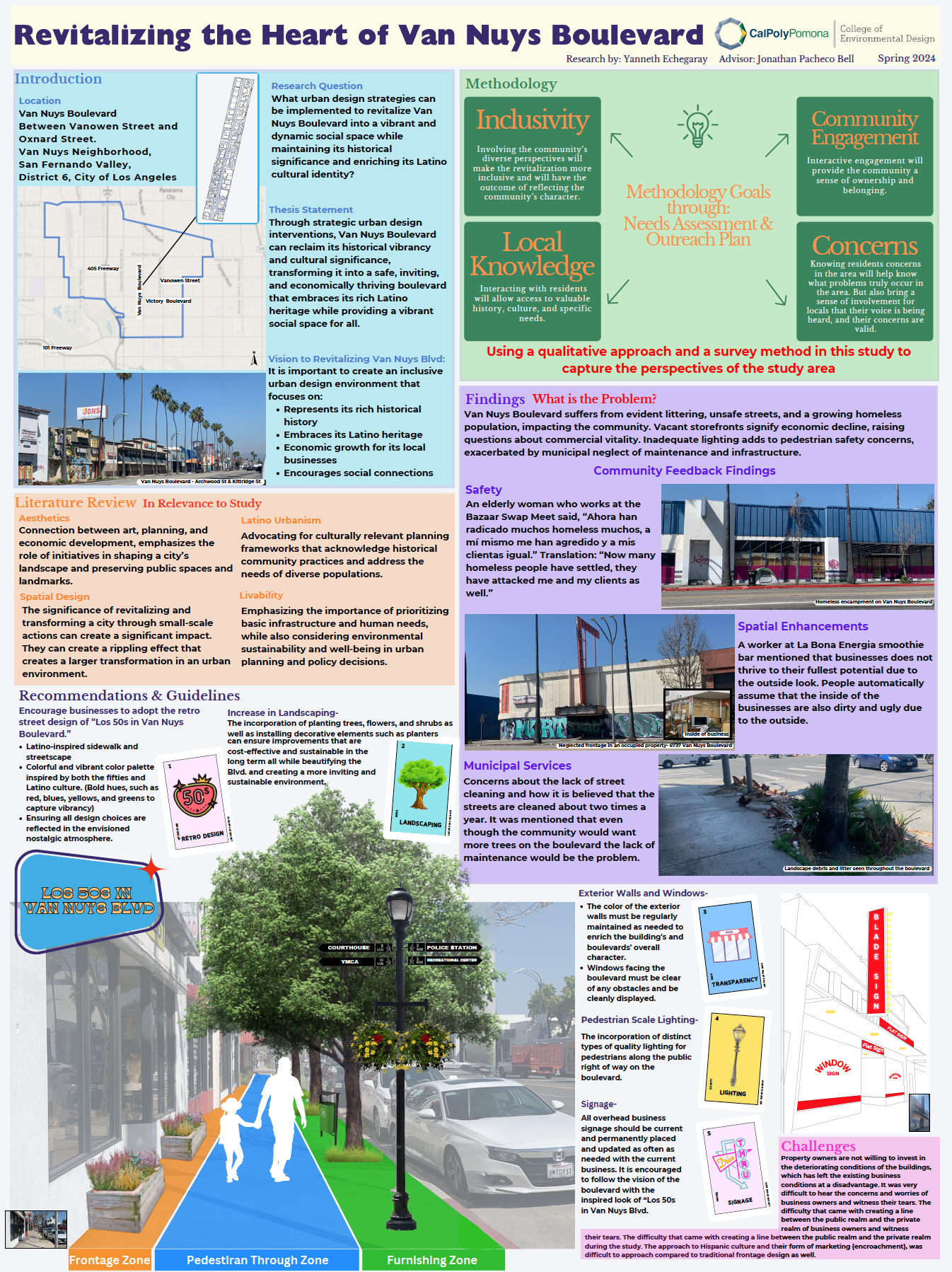
Revitalizing the Heart of Van Nuys Boulevard Through Urban Design
By: Yanneth Echegaray (1st Place Poster Winner!)
Excerpt:
This study seeks to address the question, “What urban design strategies can be implemented to revitalize Van Nuys Boulevard into a vibrant and dynamic social space while maintaining its historical significance and enriching its Latino cultural identity?”
The proposed section of Van Nuys Blvd is between Vanowen and Oxnard St in the Van Nuys neighborhood in the San Fernando Valley in Los Angeles County in the State of California. Through strategic urban design interventions, Van Nuys Boulevard can reclaim its historical vibrancy and cultural significance, transforming it into a safe, inviting, and economically thriving boulevard that embraces its rich Latino heritage while providing a vibrant social space for all.
Revitalization Vision:
“To enhance the heart of Van Nuys Blvd, between Vanowen St and Oxnard St, it is important to create an inclusive urban design environment that focuses on its rich historical significance, embraces its Latino heritage, fosters economic growth for its local businesses, and encourages social connections. Through various design strategies, this study aims to revitalize this boulevard into a dynamic and vibrant public space for all.”
Specifications within this study will be Guidelines for redesigning store frontage to enhance the environment through cohesively connecting the public to the private realm. Redesigning the streetscape to capture vibrant and welcoming aspects, while prioritizing lighting and safety features, and embracing the rich and significant Latino culture that has organically been embedded on Van Nuys Boulevard – all of this is aimed at creating a suppositional nexus that will positively affect the economic development of the local businesses inhabiting the boulevard.
Yanneth presenting at the 2024 Cal Poly Pomona Urban & Regional Planning Senior Projects Day. Photo: Jonathan Pacheco Bell









You must be logged in to post a comment.