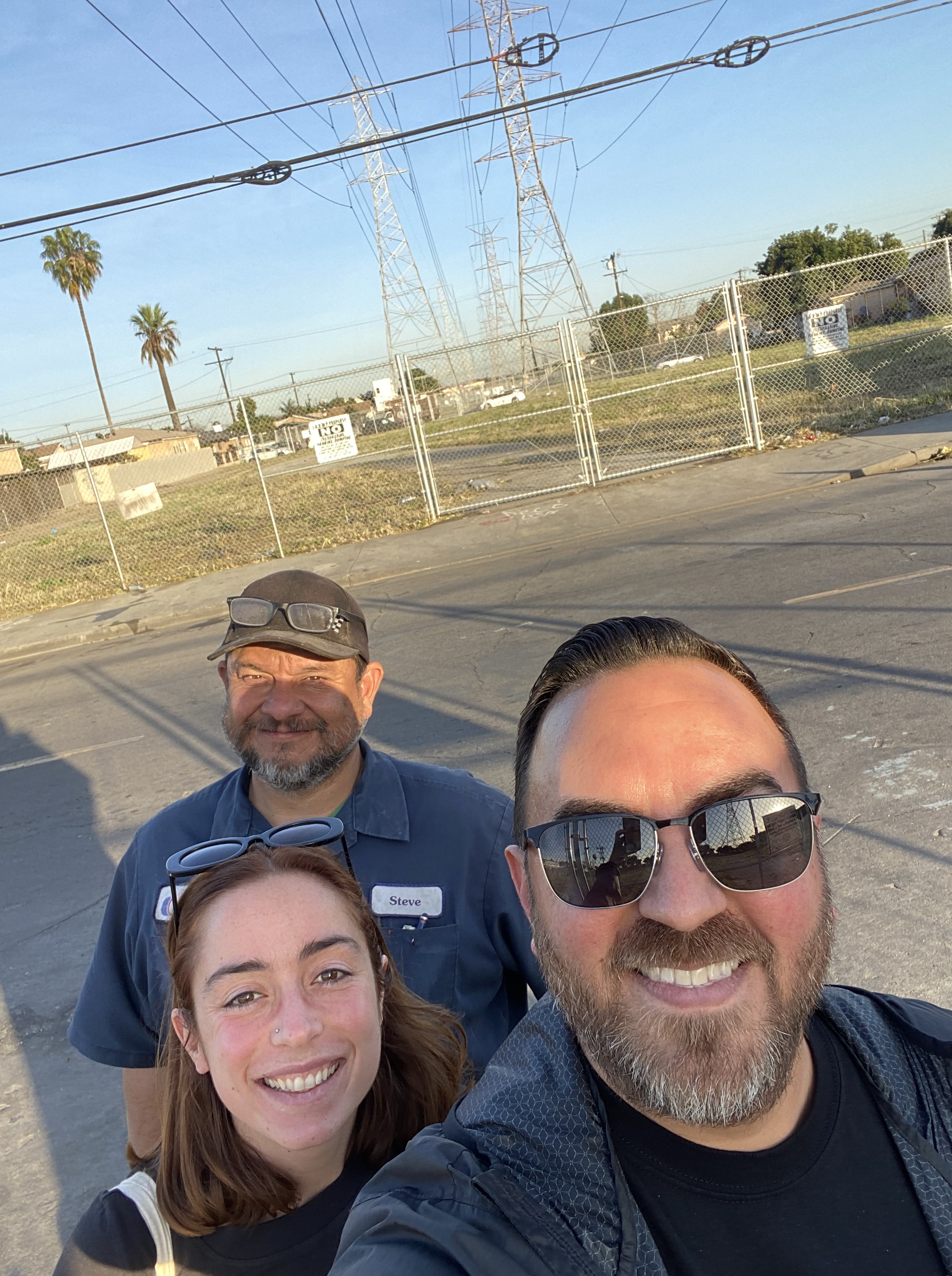
UCLA network in action! Jordan Grimaldi (MURP ‘26) is doing a master’s client project for City Fabrick analyzing utility right-of-ways in LA.
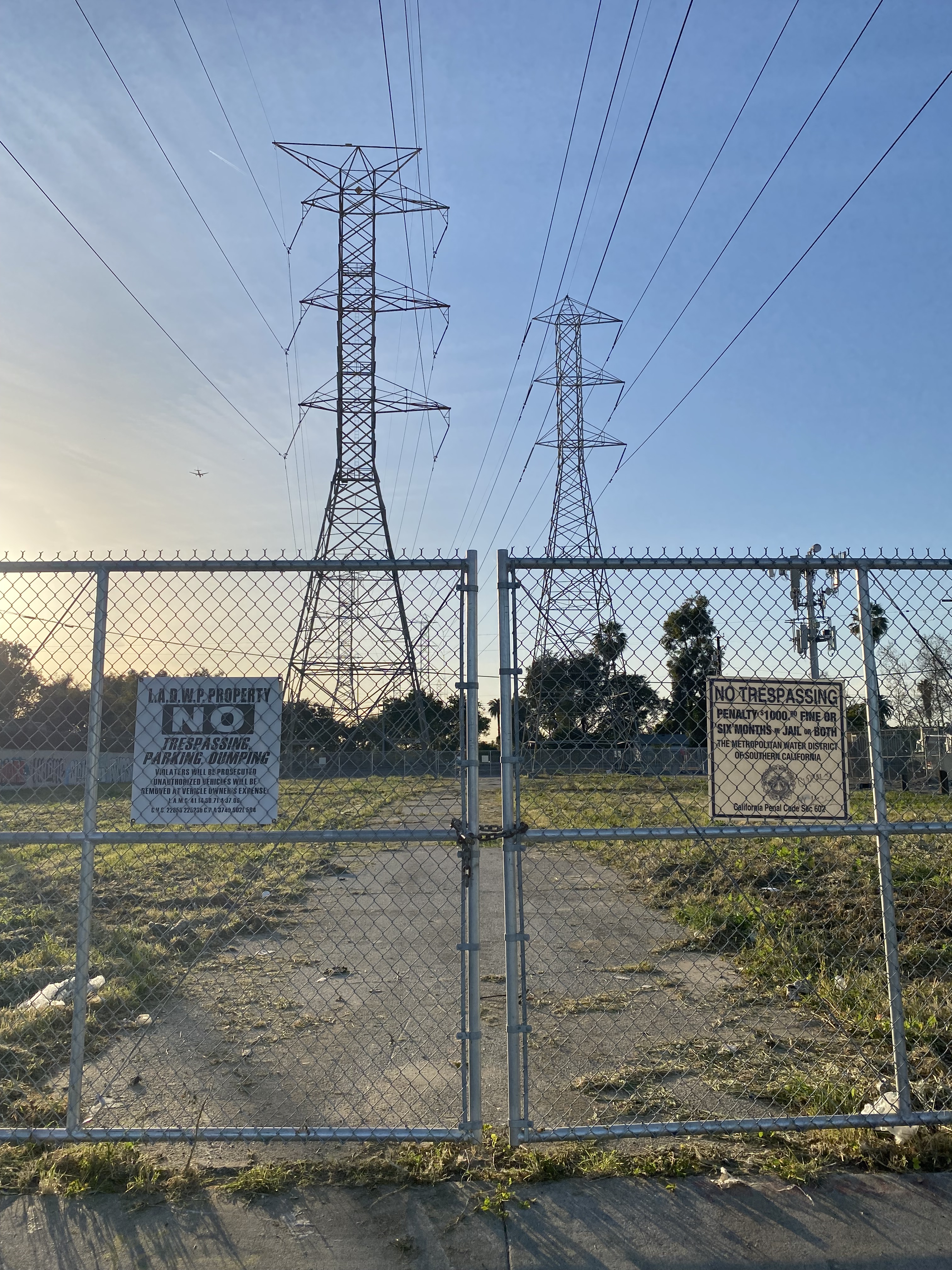
CF’s Alexander Jung, AICP (MURP ‘15) connected Jordan and me (MAUP ‘05) for deep background on the East 92nd Street utility right-of-way in Florence-Firestone.
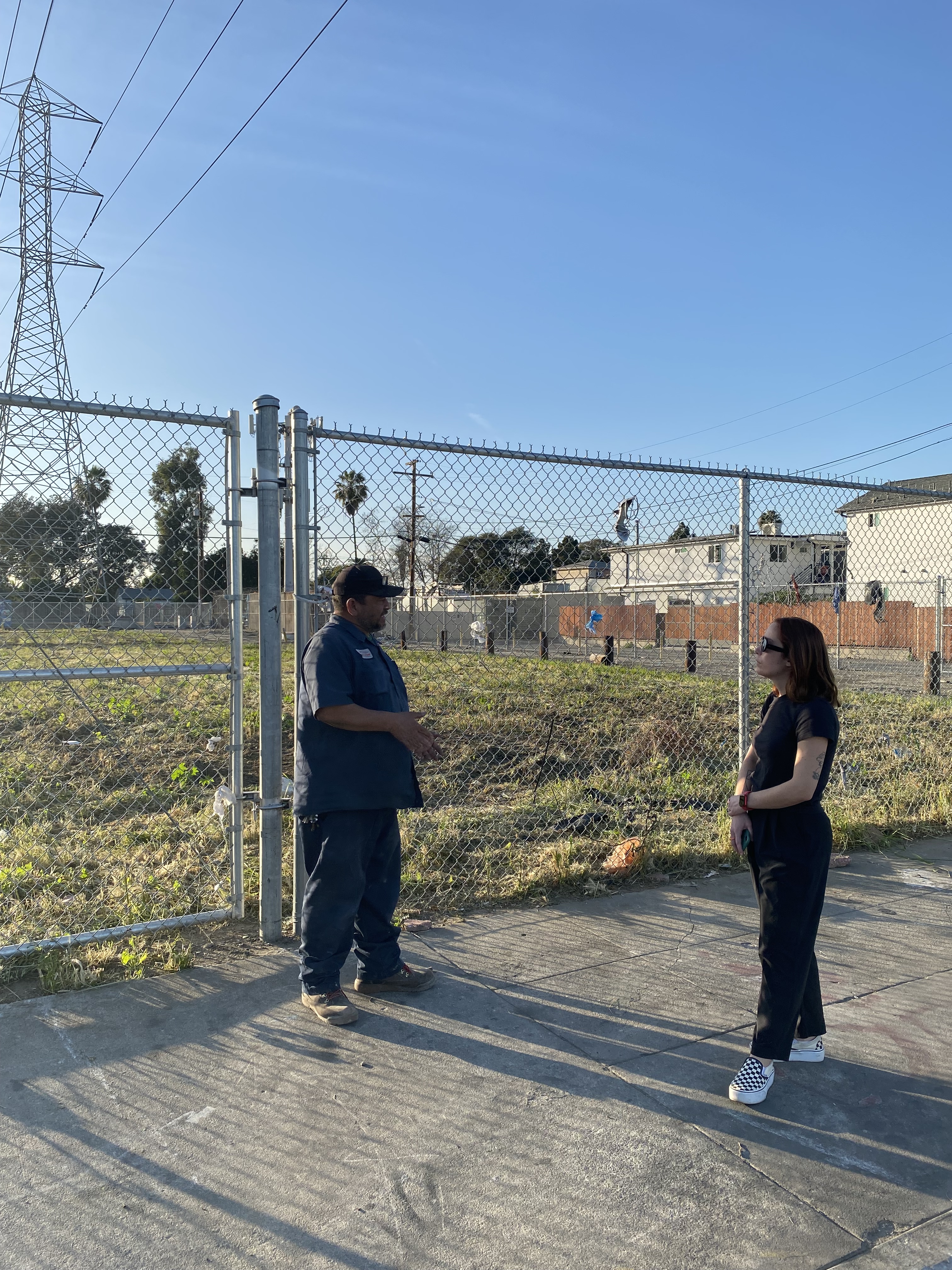
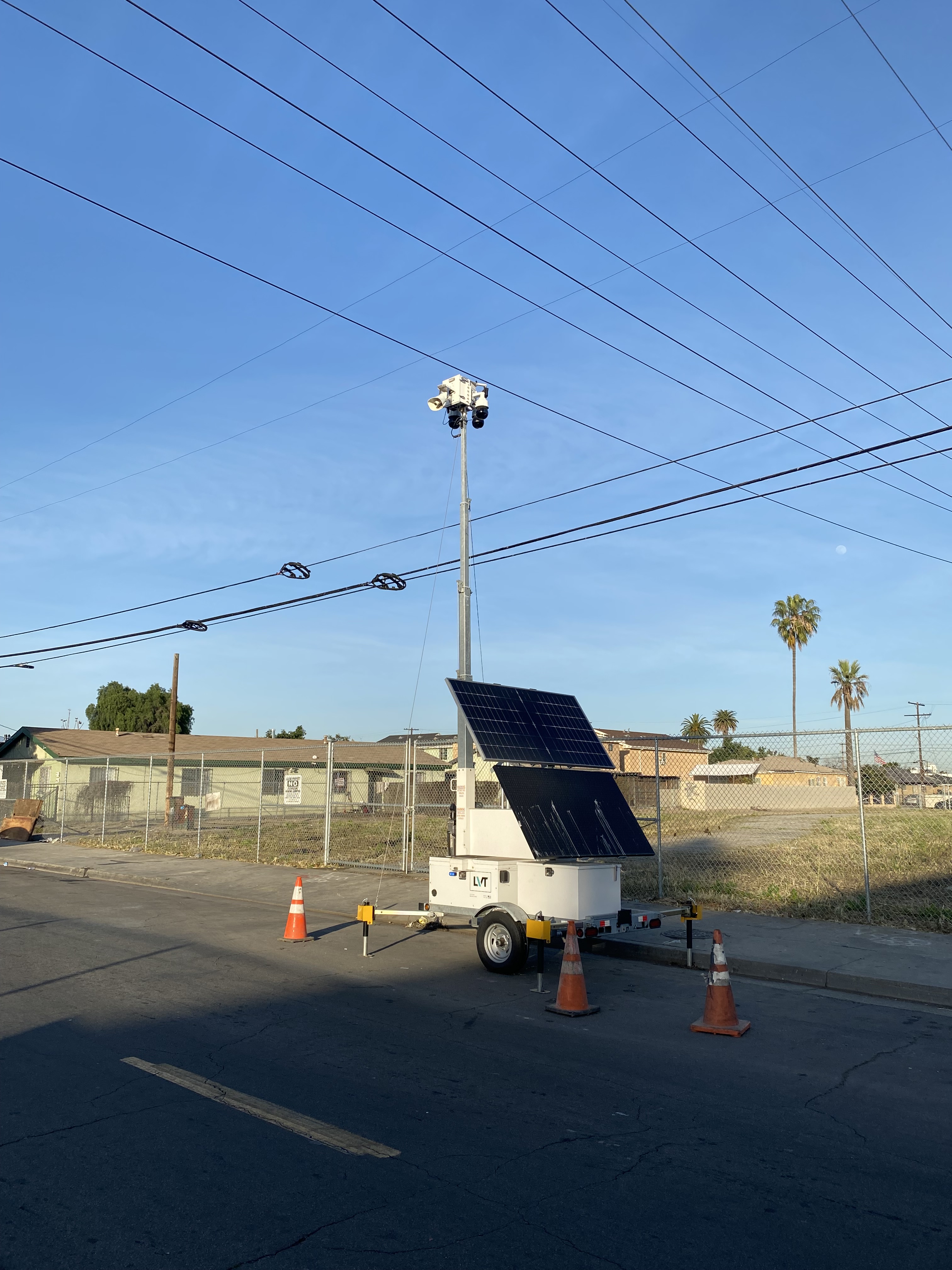
Jordan interviewed me at the Florence-Firestone Community Organization office and then we visited the site, which is now the home of the future 92nd Street Linear Park via Los Angeles County Parks and Recreation!
I then connected Jordan with Yanel Sáenz (MPH ‘22) of the Friends of Washington and 92nd Street Park for additional community interviews about transforming this utility right-of-way into a park.
We will continue supporting Jordan’s community-based research and recommendations well after graduation.
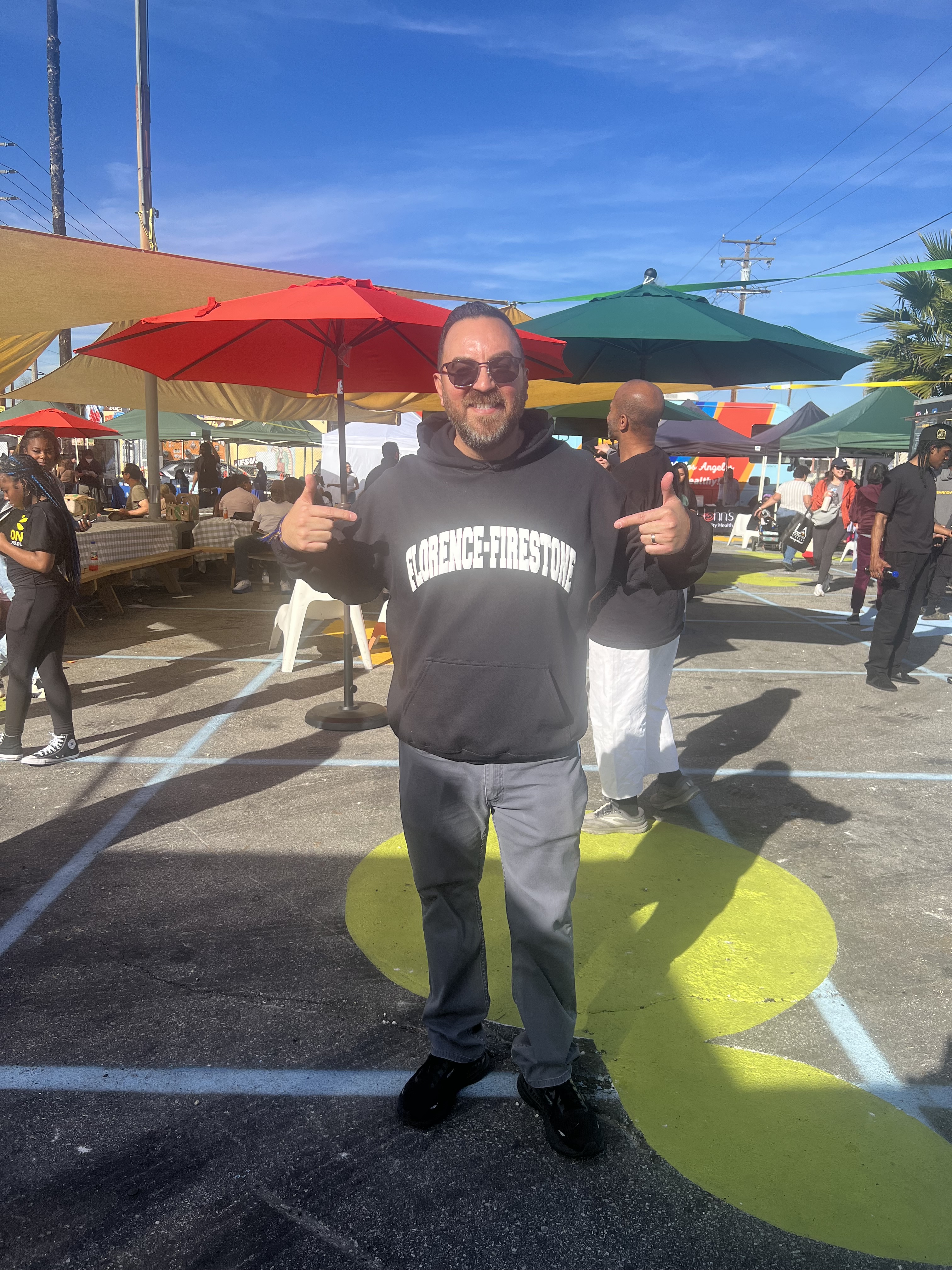
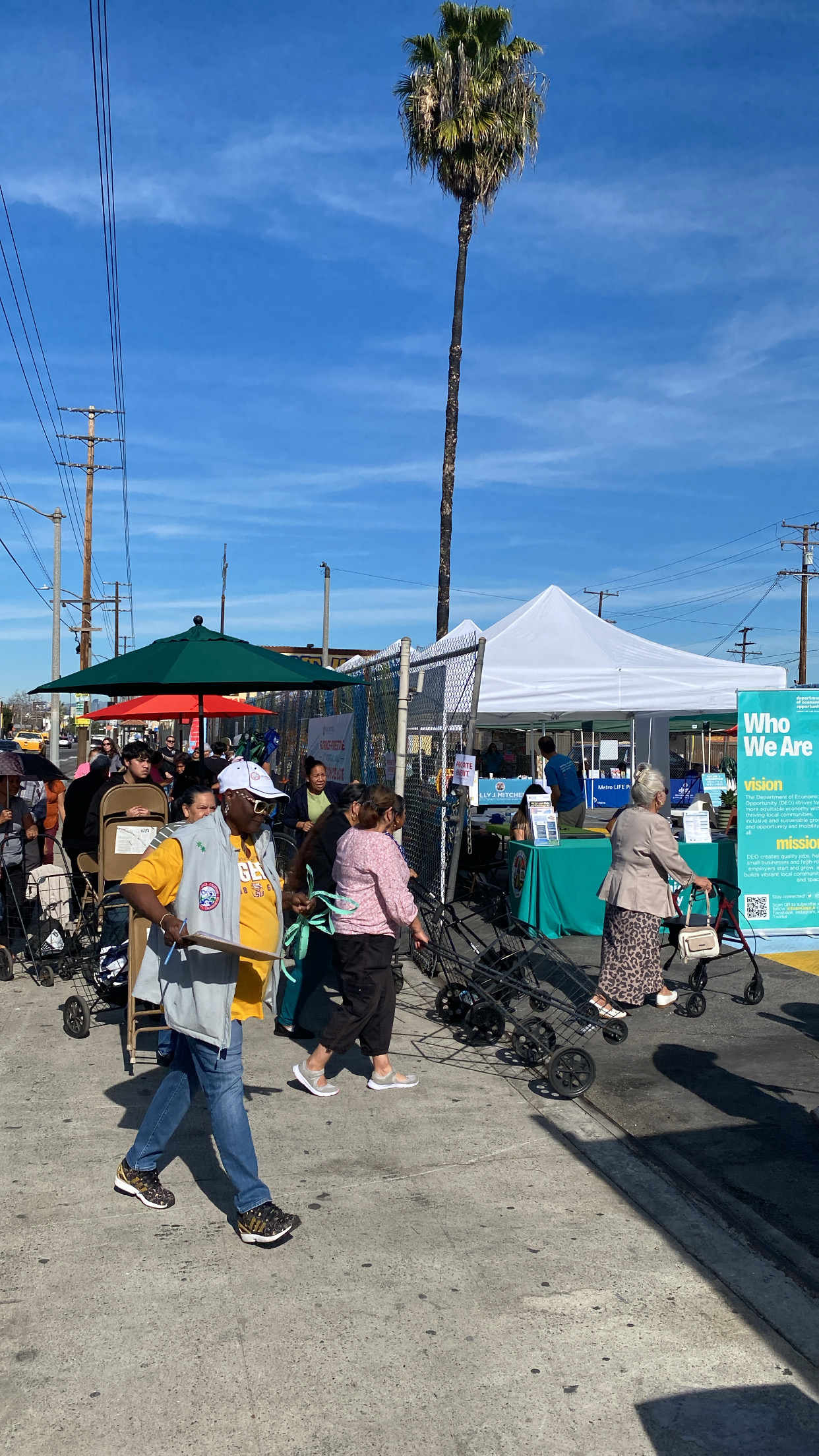
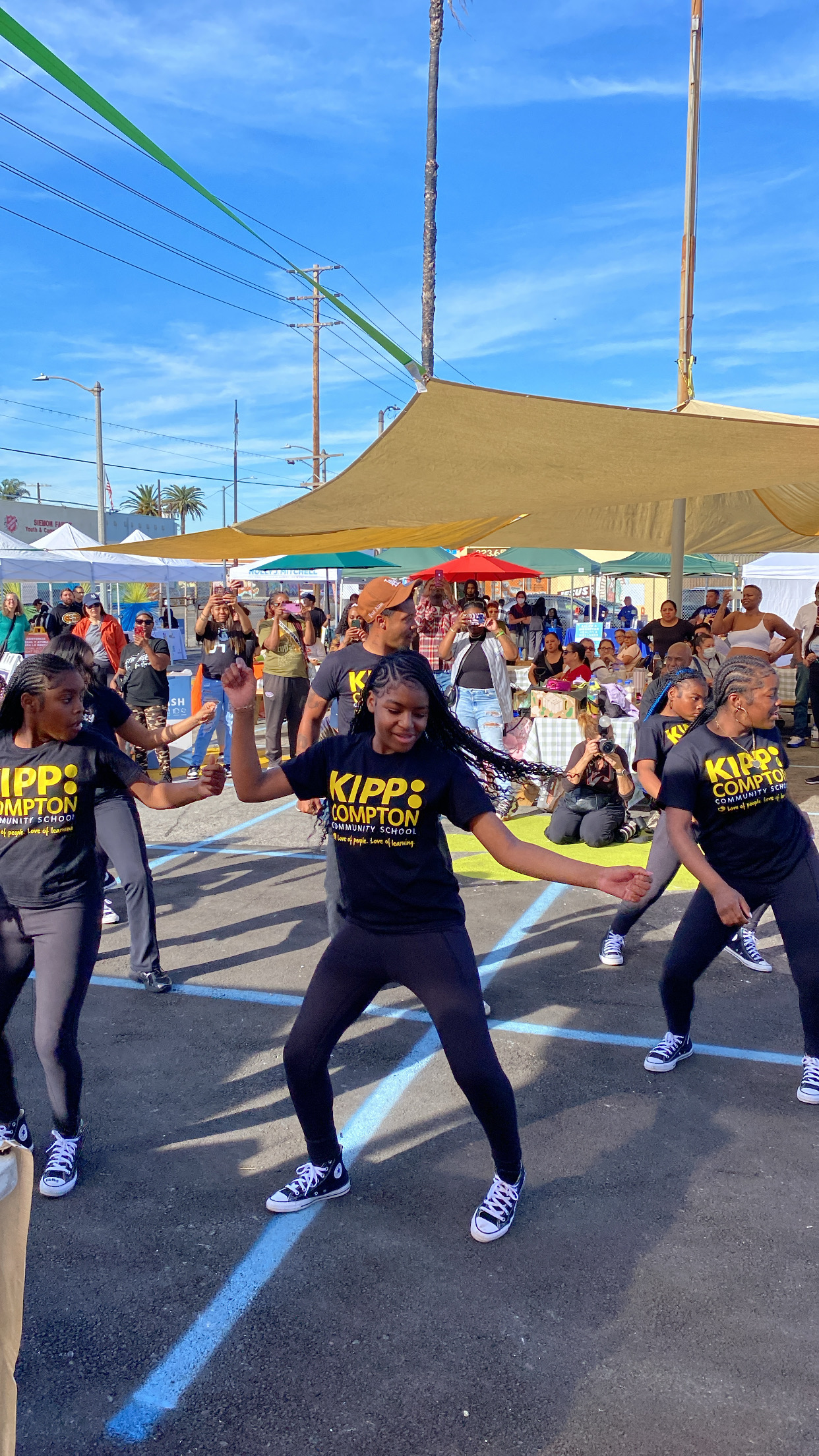
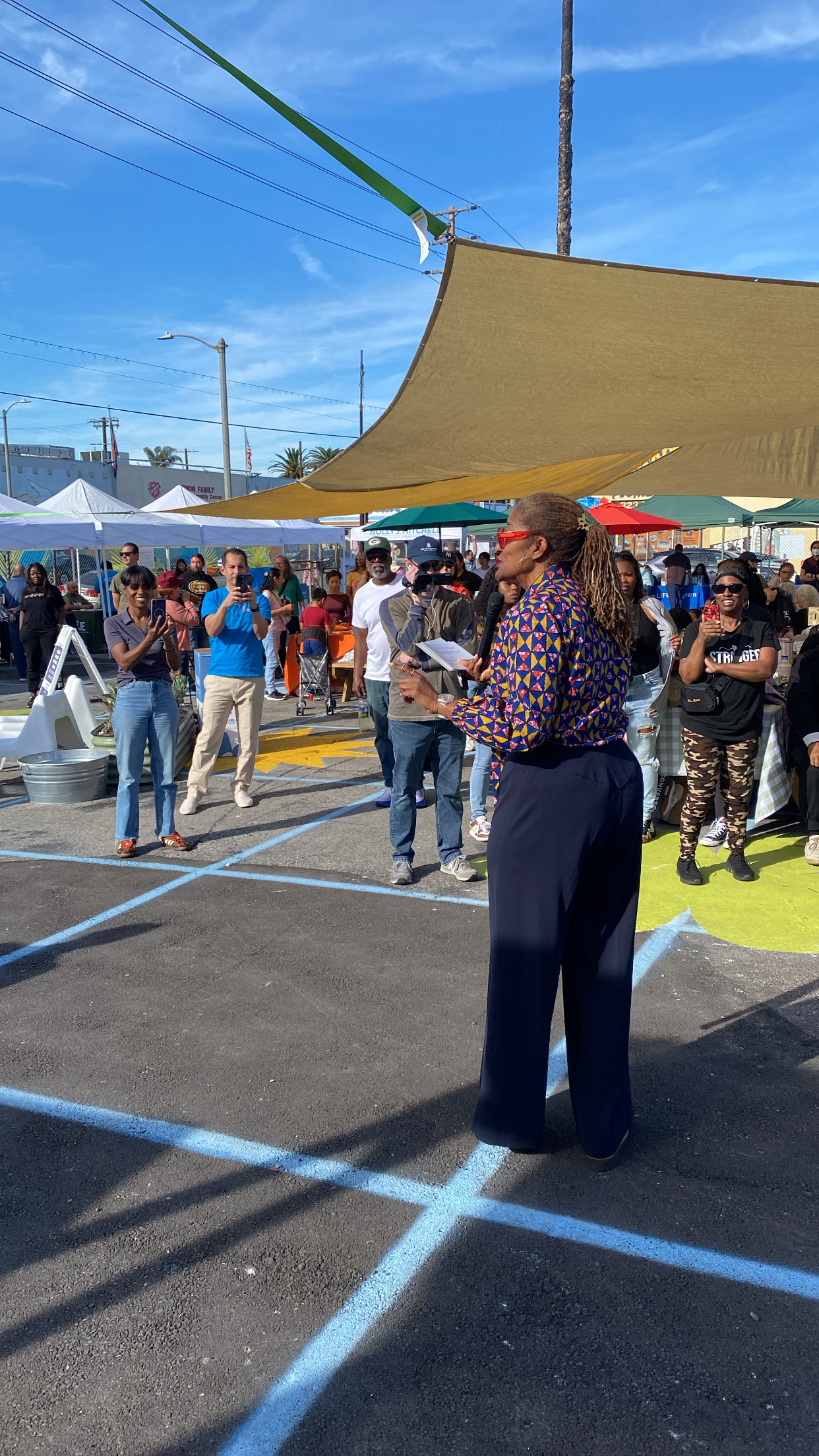
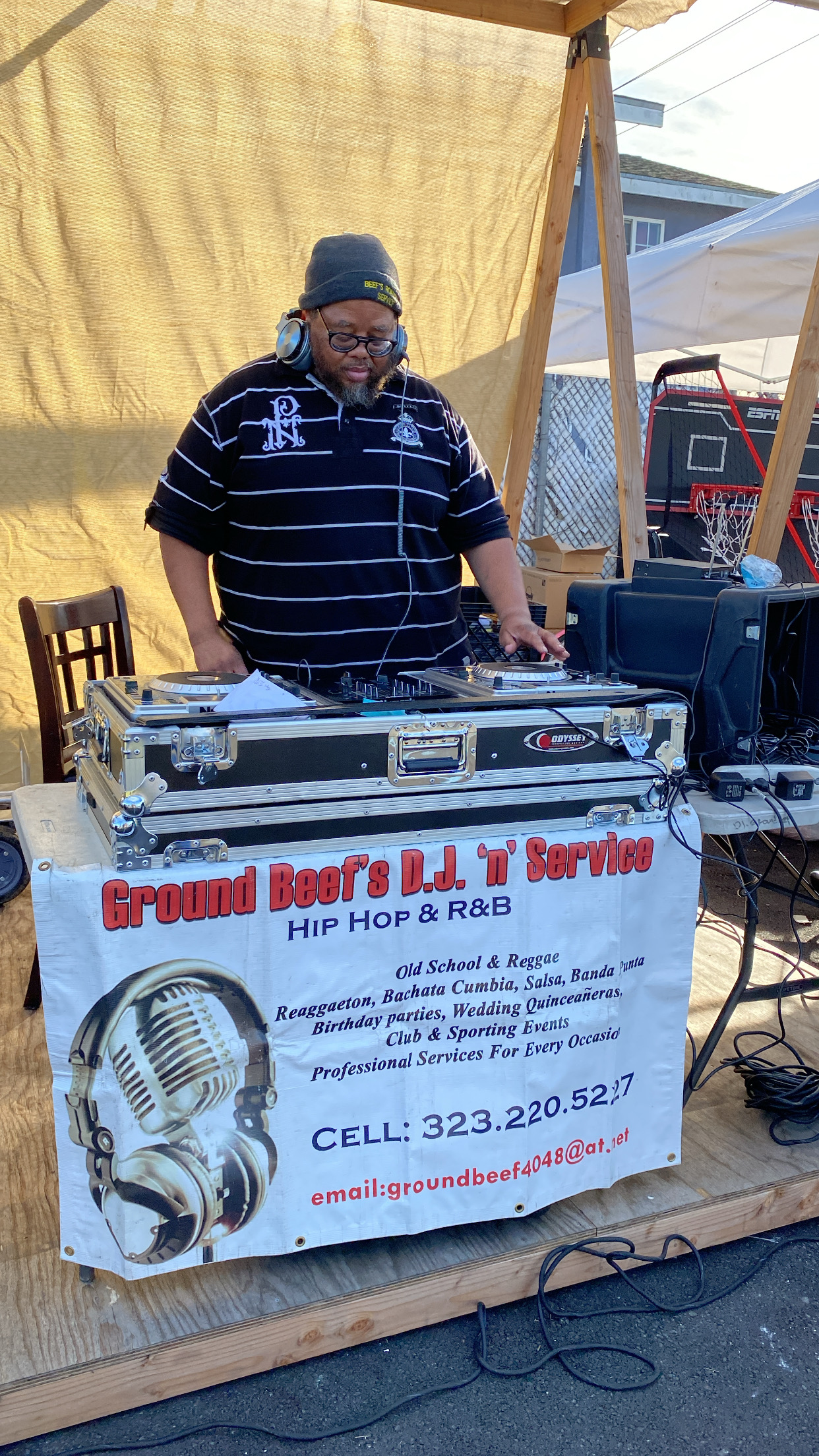
Thanks to everyone who attended our Central Avenue Vacant Lot Activation on January 17th, MLK Weekend. Big shout out to our Second District Supervisor Holly J. Mitchell and our Assemblymember Sade Elhawary for joining us! Much love to all the vendors and performers, especially the Compton Riot dance crew from Kipp Compton Community School.
Florence-Firestone community members will decide the future of this vacant lot.
We have one more activation in February, come through.
The Florence-Firestone Community Organization recently hosted friends from SELA and South Central LA to discuss a range of urban planning issues. We covered the Gateway Cities Regional Climate Collaborative, the origins and spread of Embedded Planning praxis, emerging on-the-ground partnerships, community advocacy in these tense times, and much more. That 95-degree heat wave underscored the urgency of community preparedness for climate change.
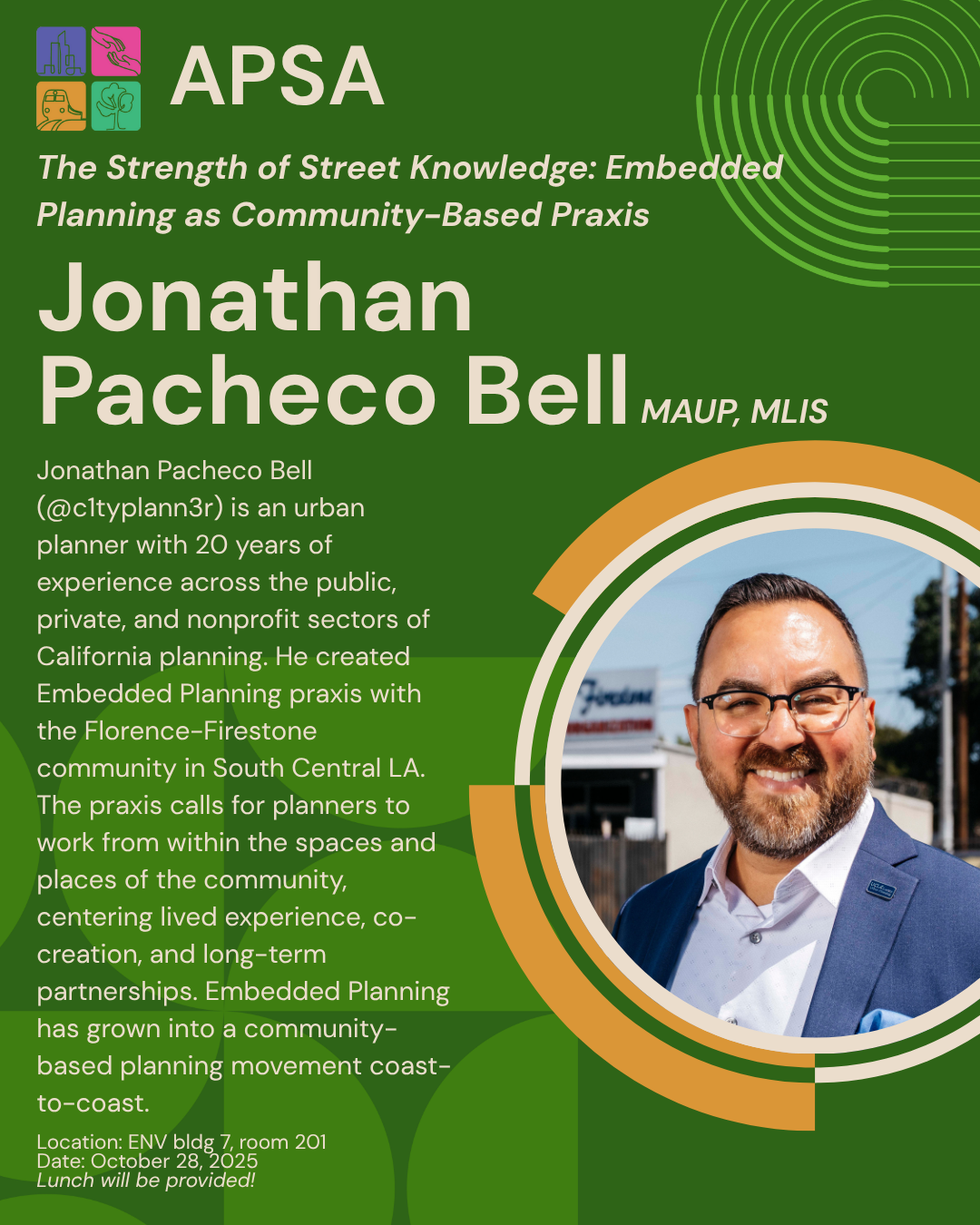
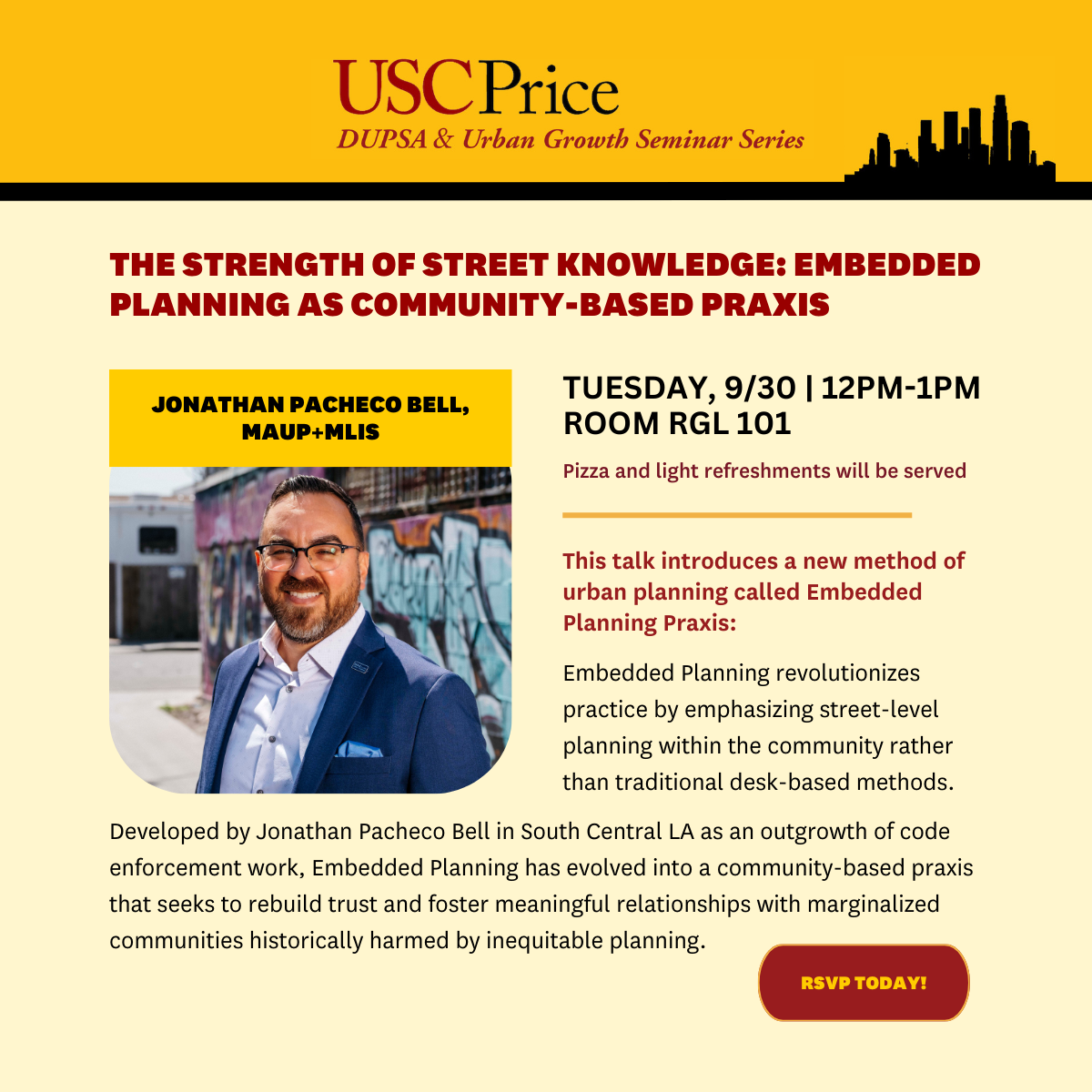
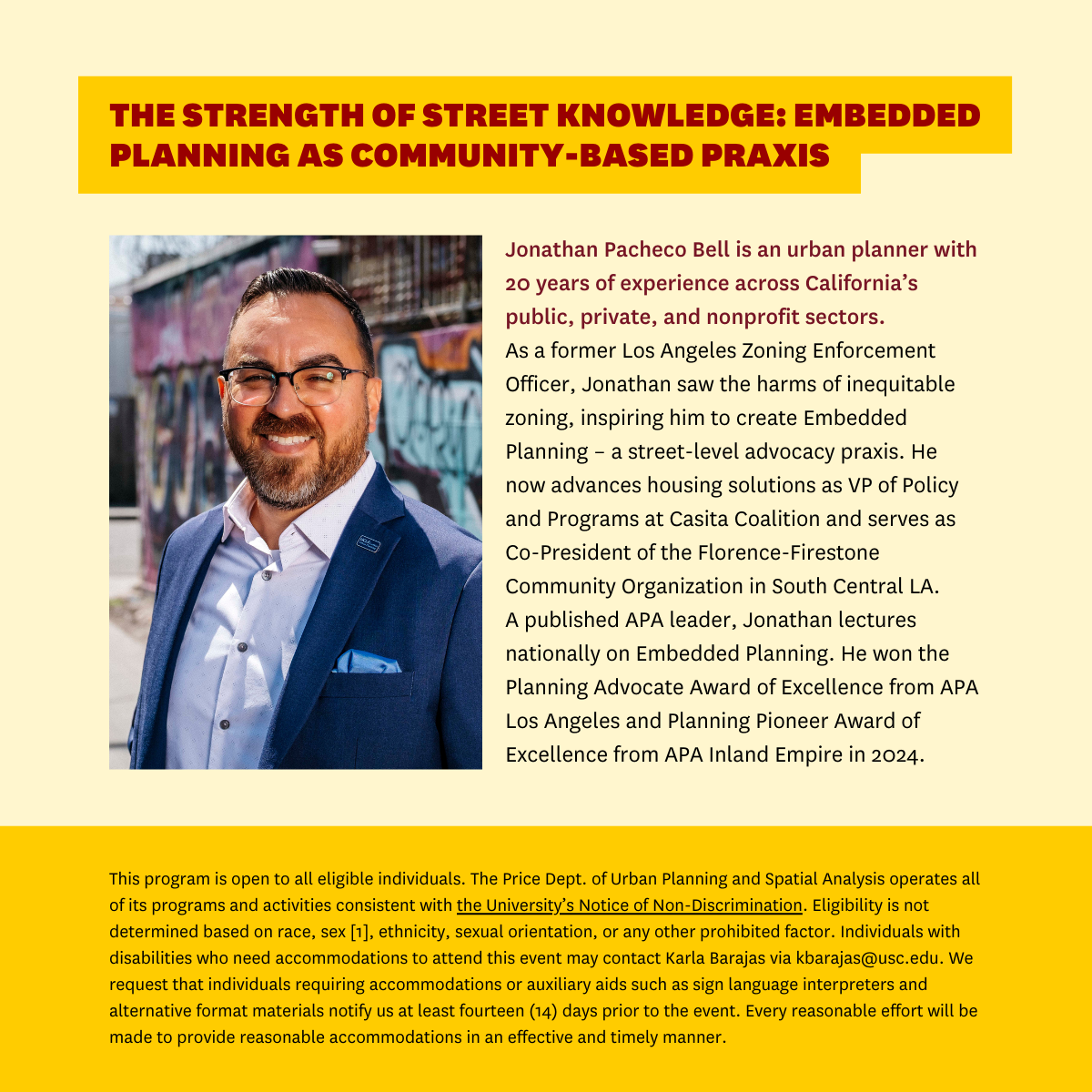
The Strength of Street Knowledge: Embedded Planning as Community-Based Praxis
Jonathan Pacheco Bell, MAUP, MLIS
Speaker bio:
Jonathan Pacheco Bell is an urban planner with 20 years of experience across the public, private, and nonprofit sectors of design and planning. He’s a former graffiti writer and West Coast Hip Hop kid, who learned to navigate urban space crisscrossing 1990s LA tagging and doing graffiti murals. These early street-level experiences would inspire Jonathan in college to switch from architecture to urban planning.
Jonathan earned a Master’s in Urban Planning at UCLA in 2005 and began his career as an LA County Zoning Enforcement Planner, building partnerships in communities like Florence-Firestone in South Central LA. During this time, he witnessed the harms of inequitable zoning, inspiring him to create new forms of street-level planning advocacy – what we now call Embedded Planning Praxis!
He has lectured on Embedded Planning across the U.S., with guest talks at Columbia University, Duke, Ohio State, USC Architecture, & Stanford Engineering, and presentations at APA Conferences in California, Washington, Indiana, Louisiana, and Iowa.
Jonathan currently serves as Co-President of the nonprofit Florence-Firestone Community Organization, in the neighborhood where Embedded Planning was born. From 2021 to 2025, he was an Adjunct Professor in the Department of Urban and Regional Planning at Cal Poly Pomona and remains a mentor to emerging Bronco Planners.
The Strength of Street Knowledge: Embedded Planning as Community-Based Praxis
This talk introduces a new method of urban planning called Embedded Planning Praxis. Embedded Planning revolutionizes practice by emphasizing street-level planning within the community rather than traditional desk-based methods. Developed by Jonathan Pacheco Bell in South Central LA as an outgrowth of code enforcement work, Embedded Planning has evolved into a community-based praxis that seeks to rebuild trust and foster meaningful relationships with marginalized communities historically harmed by inequitable planning.
Embedded Planning is working directly from community spaces and places. Embedded planners engage residents in everyday environments, evolving practice from desk-based policy formation to on-the-ground collaboration in and from the neighborhood. This immersive approach helps planners gain a deeper understanding of local needs and aspirations, ensuring that community voices and needs significantly shape planning decisions. Embedded Planning is a timely evolution in the field that aligns with growing calls for more equity-centered, place-based, participatory practices. By embedding themselves into neighborhoods, planners build strong and authentic relationships, moving beyond one-off, transactional consultations to create lasting and impactful partnerships.
Using a reflective practitioner framework, Jonathan will illustrate what Embedded Planning looks like, explain its role as his motivating throughline, highlight embedded planners implementing these inclusive methods coast to coast, while highlighting the challenges and benefits of this praxis. Attendees will learn how this emerging movement represents a crucial shift towards centering planning as an active and continuous process from within the community and represents the future of planning.
Speaker:
Jonathan Pacheco Bell is an urban planner with two decades of experience in California working across the public, private, and nonprofit sectors. For 14 years, he served as a Los Angeles Zoning Enforcement Officer building partnerships on the ground in communities of color. During this time, he witnessed the harms of inequitable zoning, inspiring him to create new forms of street-level planning advocacy —what he calls Embedded Planning Praxis.
Jonathan is the VP of Policy and Programs at Casita Coalition, a nonprofit that advocates for middle housing solutions. In addition to full-time practice, he volunteers as an Executive Board Member of the nonprofit Florence-Firestone Community Organization in South Central Los Angeles and was an Adjunct Professor at Cal Poly Pomona Department of Urban and Regional Planning from 2021-2025.
Jonathan has guest lectured nationally on Embedded Planning, with speaking engagements at Columbia University, Duke, Ohio State, University of Utah, Pratt Institute, Stanford Engineering, and UCLA; state and national APA Conferences in California, Iowa, Louisiana, and Indiana; and public forums such as AARP Livable Communities and the San Francisco Urban Film Fest.
A leader in the American Planning Association for over a decade, Jonathan is a member of the Latinos and Planning Division and is published in APA’s practitioner magazine, Planning. He previously served as APA Los Angeles section’s Social Media Director and was the Southern California representative on the APA National Social Equity Task Force.
Jonathan’s dedication to advocacy has earned him industry accolades, including the Planning Advocate Award of Excellence from APA Los Angeles and Planning Pioneer Award of Excellence from APA Inland Empire in 2024. He holds an MA in Urban Planning from UCLA Luskin and additional degrees in architecture, political science, and information science.
This Saturday 9/27 the Florence-Firestone Community Organization hosted the annual community walk in Florence-Firestone with the 1st year MURP cohort at Cal Poly Pomona College of Environmental Design. MURP students learned about urban planning through storytelling, social history, and immersive Embedded Planning with our community members. This is a mutually beneficial long term partnership! Shout out to professors and students for spending an afternoon with us in South Central LA.
The Strength of Street Knowledge: Embedded Planning as Community-Based Praxis
This talk introduces a new method of urban planning called Embedded Planning Praxis. Embedded Planning revolutionizes practice by emphasizing street-level planning within the community rather than traditional desk-based methods. Developed by Jonathan Pacheco Bell in South Central LA as an outgrowth of code enforcement work, Embedded Planning has evolved into a community-based praxis that seeks to rebuild trust and foster meaningful relationships with marginalized communities historically harmed by inequitable planning.
Embedded Planning is working directly from community spaces and places. Embedded planners engage residents in everyday environments, evolving practice from desk-based policy formation to on-the-ground collaboration in and from the neighborhood. This immersive approach helps planners gain a deeper understanding of local needs and aspirations, ensuring that community voices and needs significantly shape planning decisions. Embedded Planning is a timely evolution in the field that aligns with growing calls for more equity-centered, place-based, participatory practices. By embedding themselves into neighborhoods, planners build strong and authentic relationships, moving beyond one-off, transactional consultations to create lasting and impactful partnerships.
Using a reflective practitioner framework, Jonathan will illustrate what Embedded Planning looks like, explain its role as his motivating throughline, highlight embedded planners implementing these inclusive methods coast-to-coast, while highlighting the challenges and benefits of this praxis. Attendees will learn how this emerging movement represents a crucial shift towards centering planning as an active and continuous process from within the community and represents the future of planning.
Speaker bio
Jonathan Pacheco Bell is an urban planner with two decades of experience in California working across the public, private, and nonprofit sectors. For 14 years, he served as a Los Angeles Zoning Enforcement Officer building partnerships on the ground in communities of color. During this time, he witnessed the harms of inequitable zoning, inspiring him to create new forms of street-level planning advocacy – what he calls Embedded Planning praxis.
Jonathan works as VP of Policy and Programs at Casita Coalition, where he advances middle housing solutions with a strong focus on equity, access, and neighborhood-level impact. In addition to full-time practice, he serves as Co-President of the nonprofit Florence-Firestone Community Organization in South Central LA and was an Adjunct Professor at Cal Poly Pomona Urban and Regional Planning from 2021-2025.
Jonathan has guest lectured nationally on Embedded Planning, with speaking engagements at Columbia University, Duke, Ohio State, University of Utah, Pratt Institute, Stanford Engineering, and UCLA; state and national APA Conferences in California, Iowa, Louisiana, and Indiana; and public forums such as AARP Livable Communities and the San Francisco Urban Film Fest.
A leader in the American Planning Association for over a decade, Jonathan is a member of the Latinos and Planning Division and is published in APA’s practitioner magazine, Planning. He previously served as Social Media Director of APA Los Angeles and was the Southern California representative on the APA National Social Equity Task Force.
Jonathan’s dedication to communities has earned him industry accolades, including the Planning Advocate Award of Excellence from APA Los Angeles and Planning Pioneer Award of Excellence from APA Inland Empire in 2024. He holds an MA in Urban Planning from UCLA Luskin and additional degrees in architecture, political science, and information science.
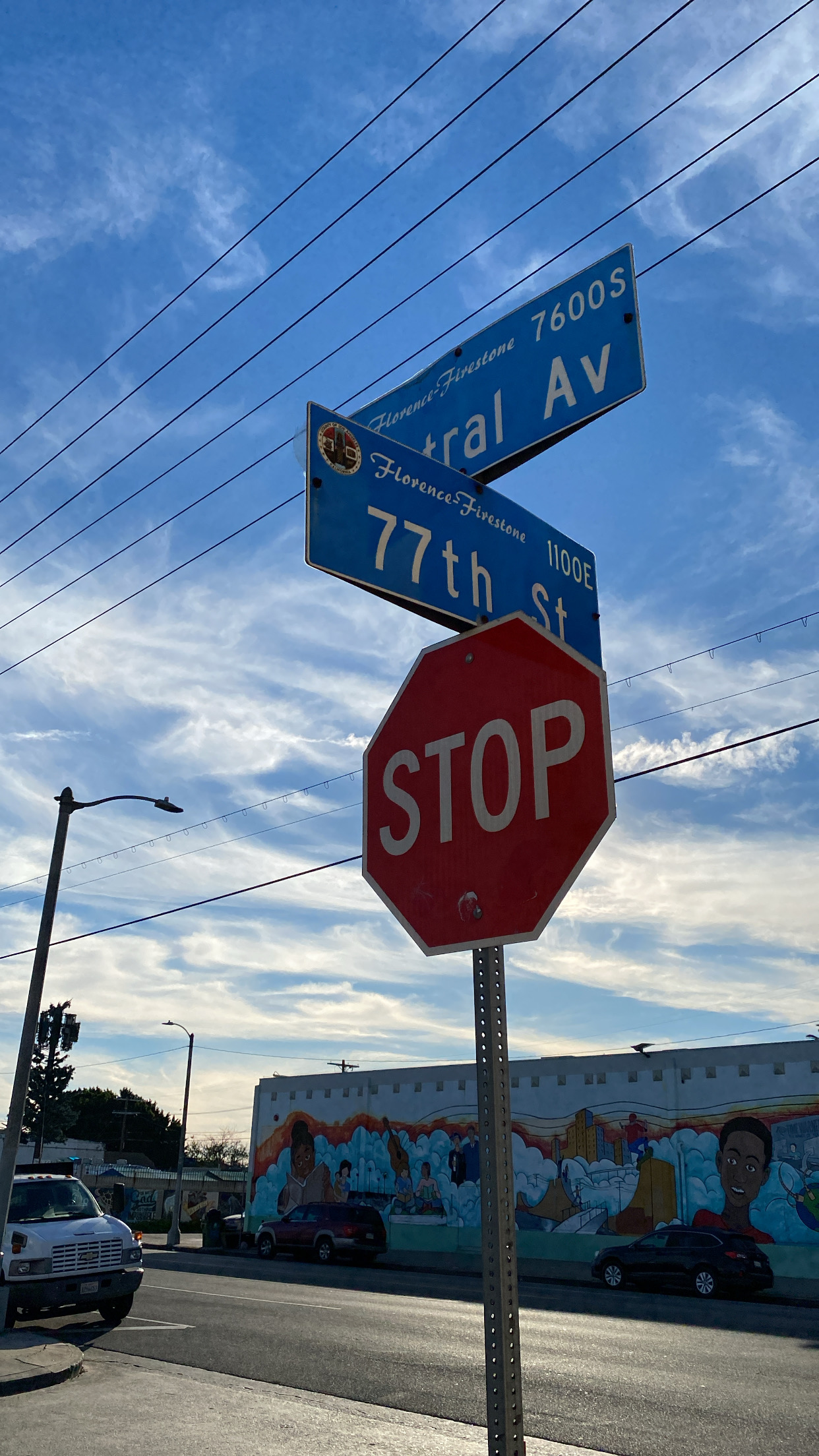
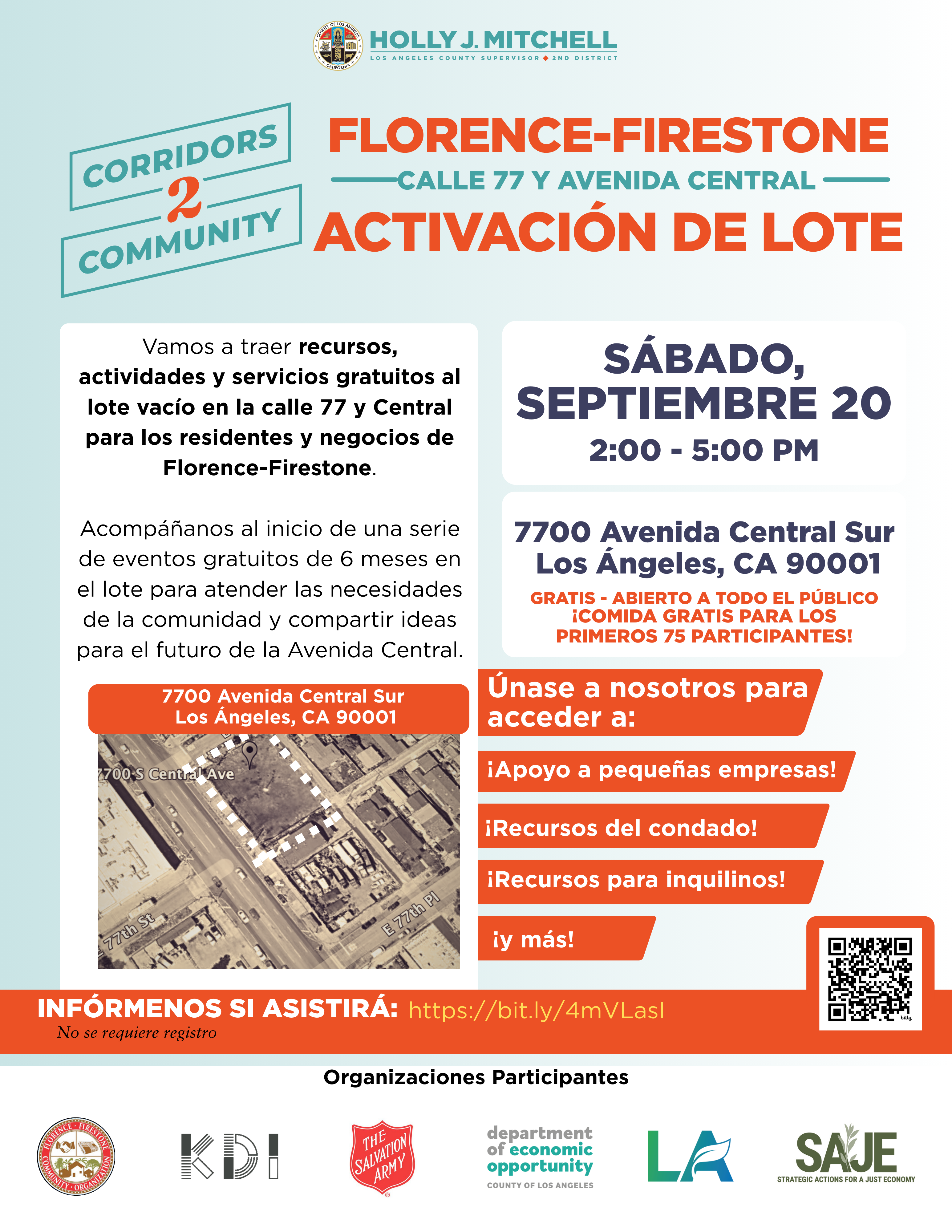
We are transforming the vacant lot at E. 77th Street and Central Avenue into a temporary community hub as part of Los Angeles County Supervisor Holly J. Mitchell’s Corridors 2 Community Initiative. This initiative focuses on community-led revitalization of small business corridors in unincorporated communities in LA County’s 2nd District, including Florence-Firestone.
Kounkuey Design Initiative (KDI) and Florence-Firestone Community Organization (FFCO) are partnering with the County of Los Angeles to host a series of pop-up events over 6 months, bringing resources and services directly to the community.
These events will feature:
— Opportunities for residents to share their vision for the future of historic Central Avenue
— Live music and cultural activities
— Food and local vendors
— Services for small business owners
— County and community resources
— Free food for the first 75 participants!
Join us for FREE these resources, activities, and services for Florence-Firestone community members & businesses.
I’m on a panel recognizing the legacy of Mike Davis with writer legends Carolina A. Miranda, Kyle Paoletta, David Kipen, and Mike The PoeT Sonksen at the Urban History Association Conference 2025 in Los Angeles. More to come soon.
Join us on Saturday, October 11th, 1:15-2:45pm at the Biltmore Hotel in Downtown LA.
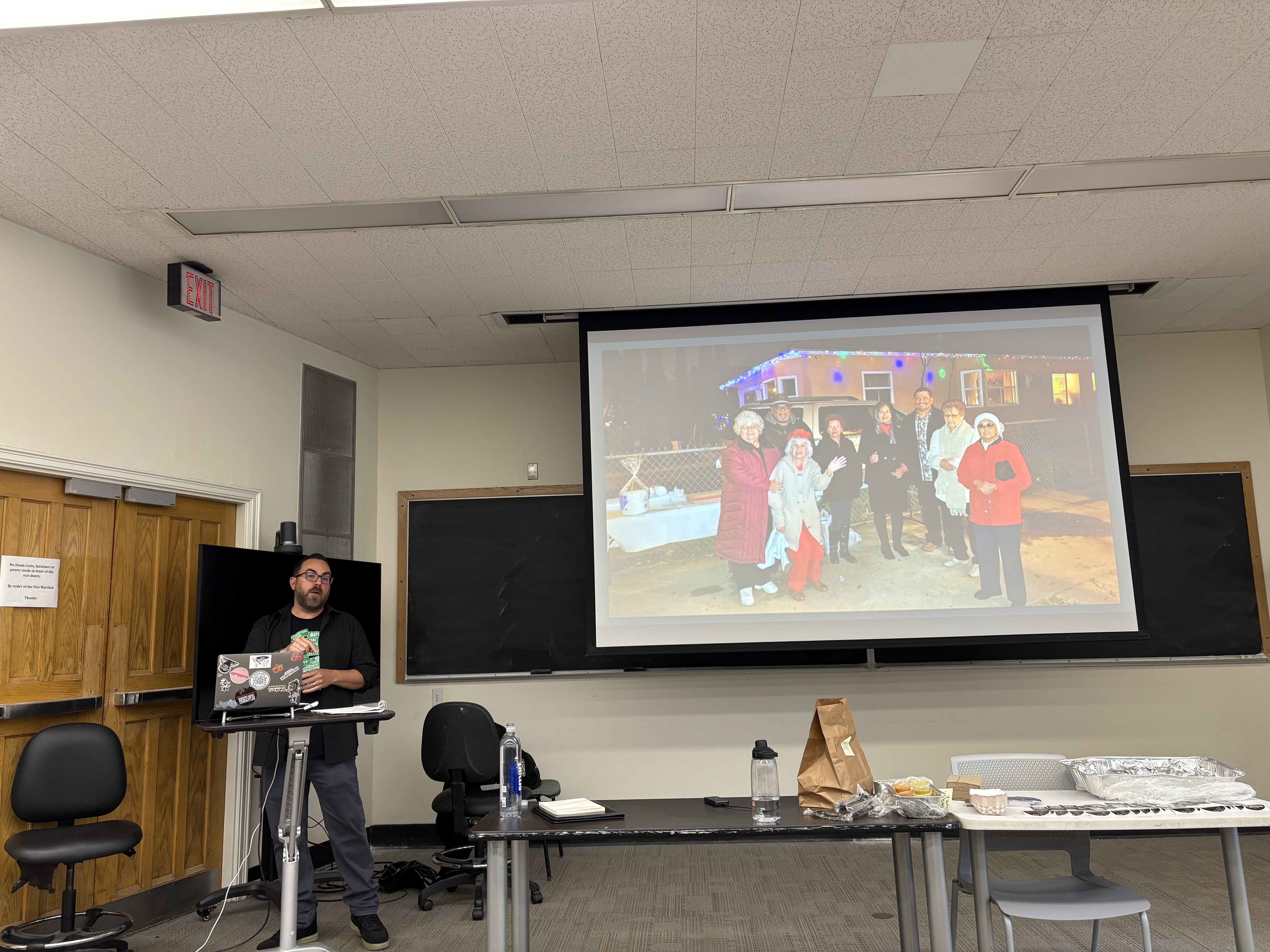
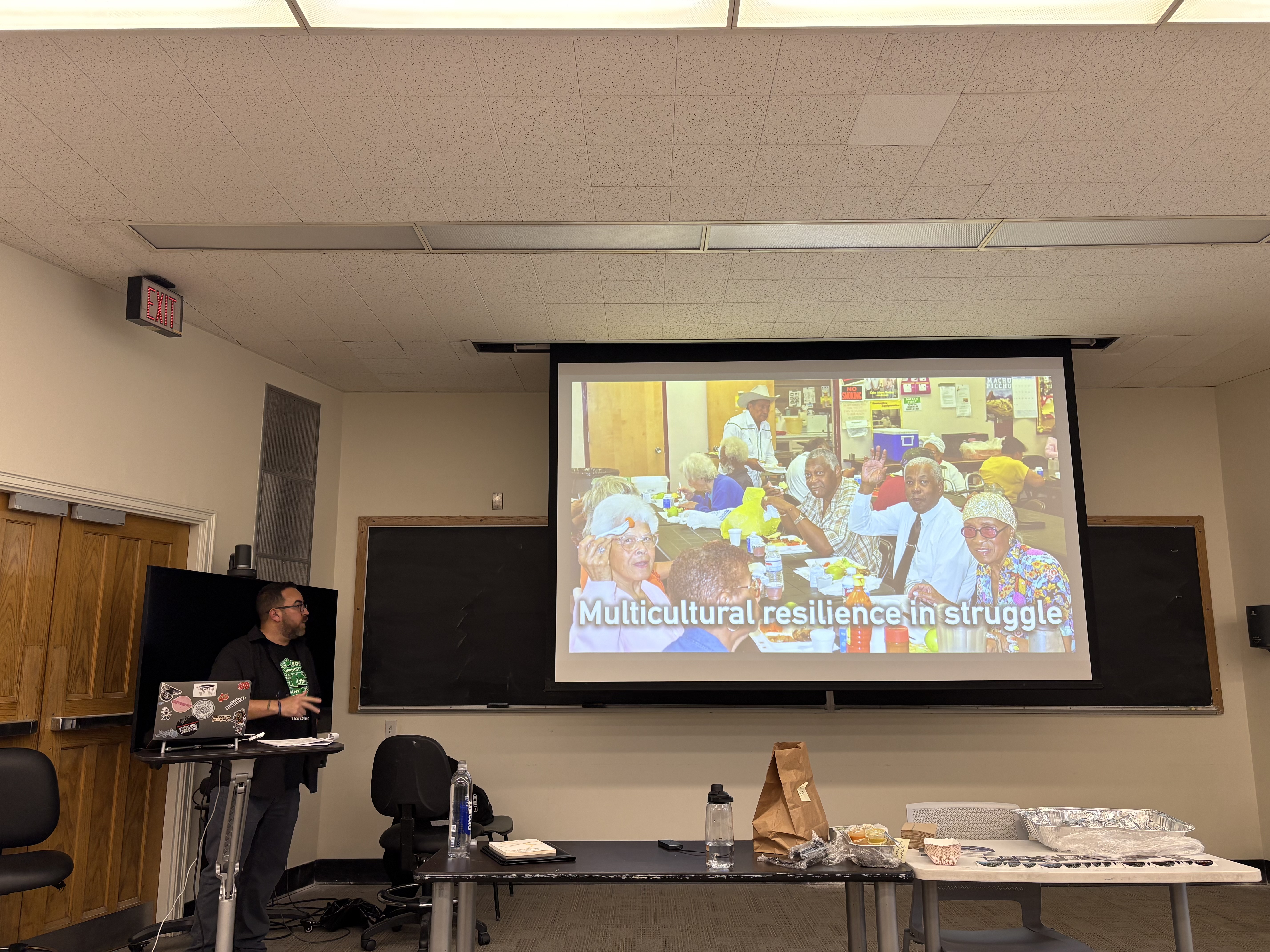
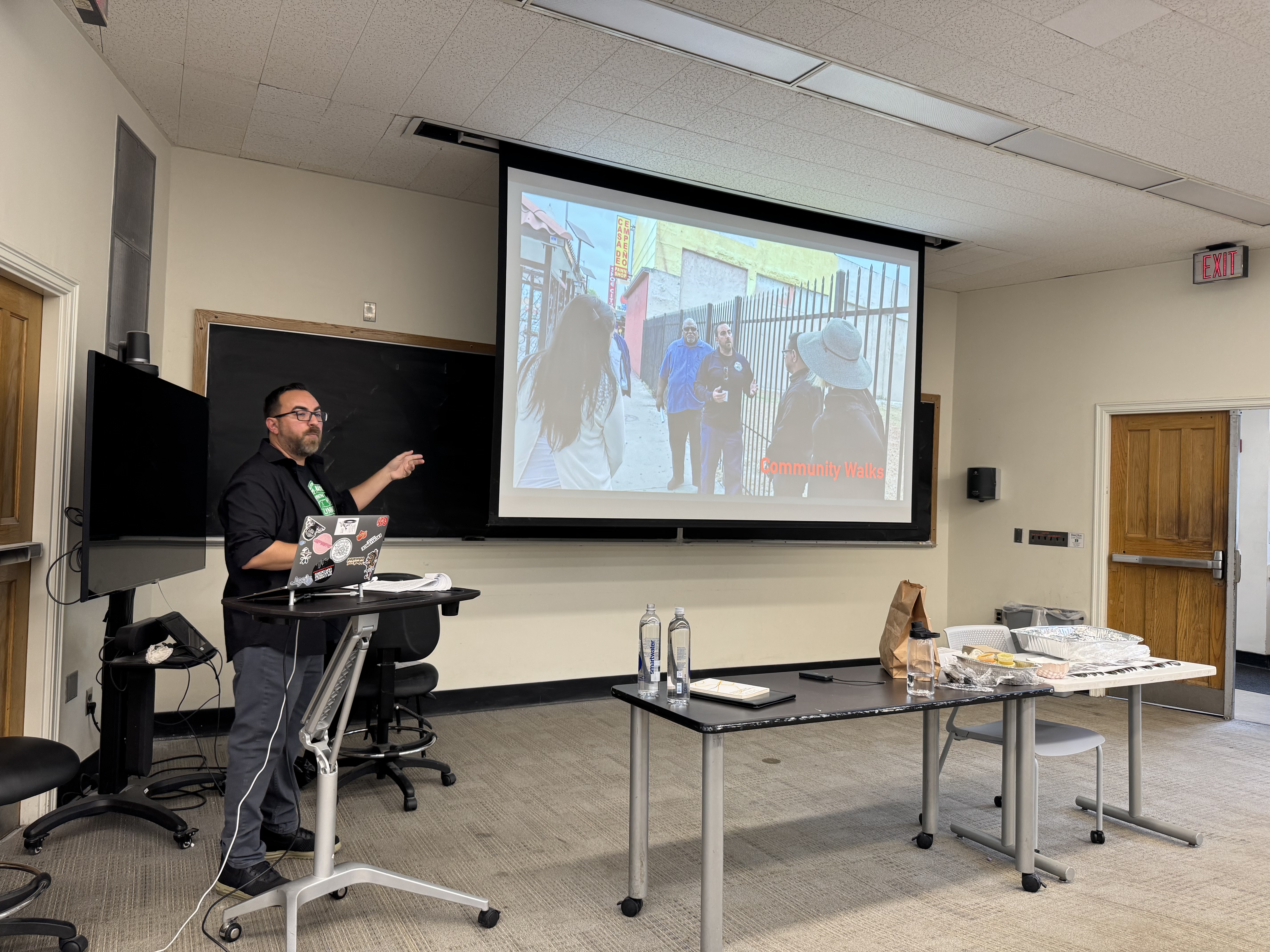
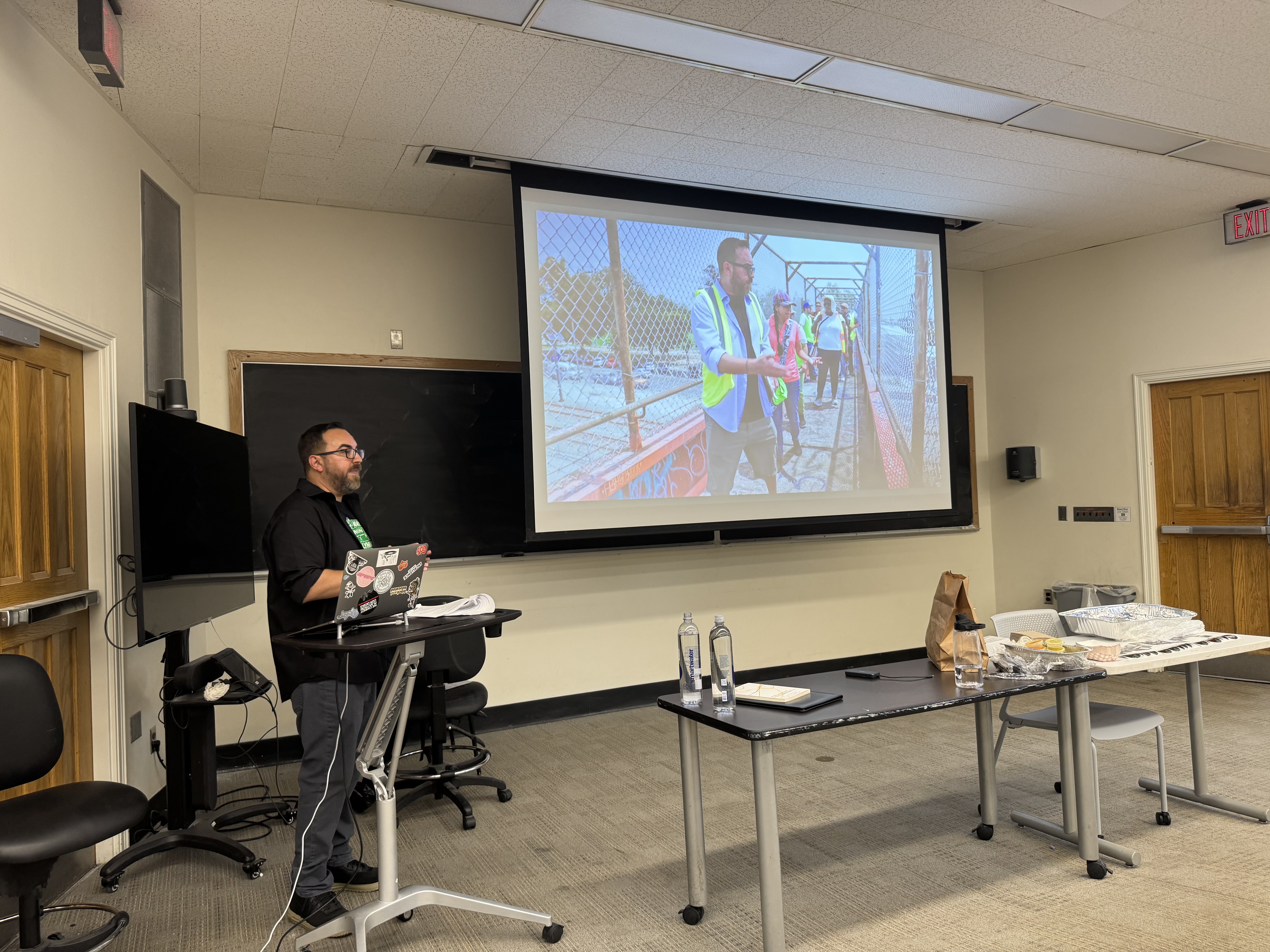
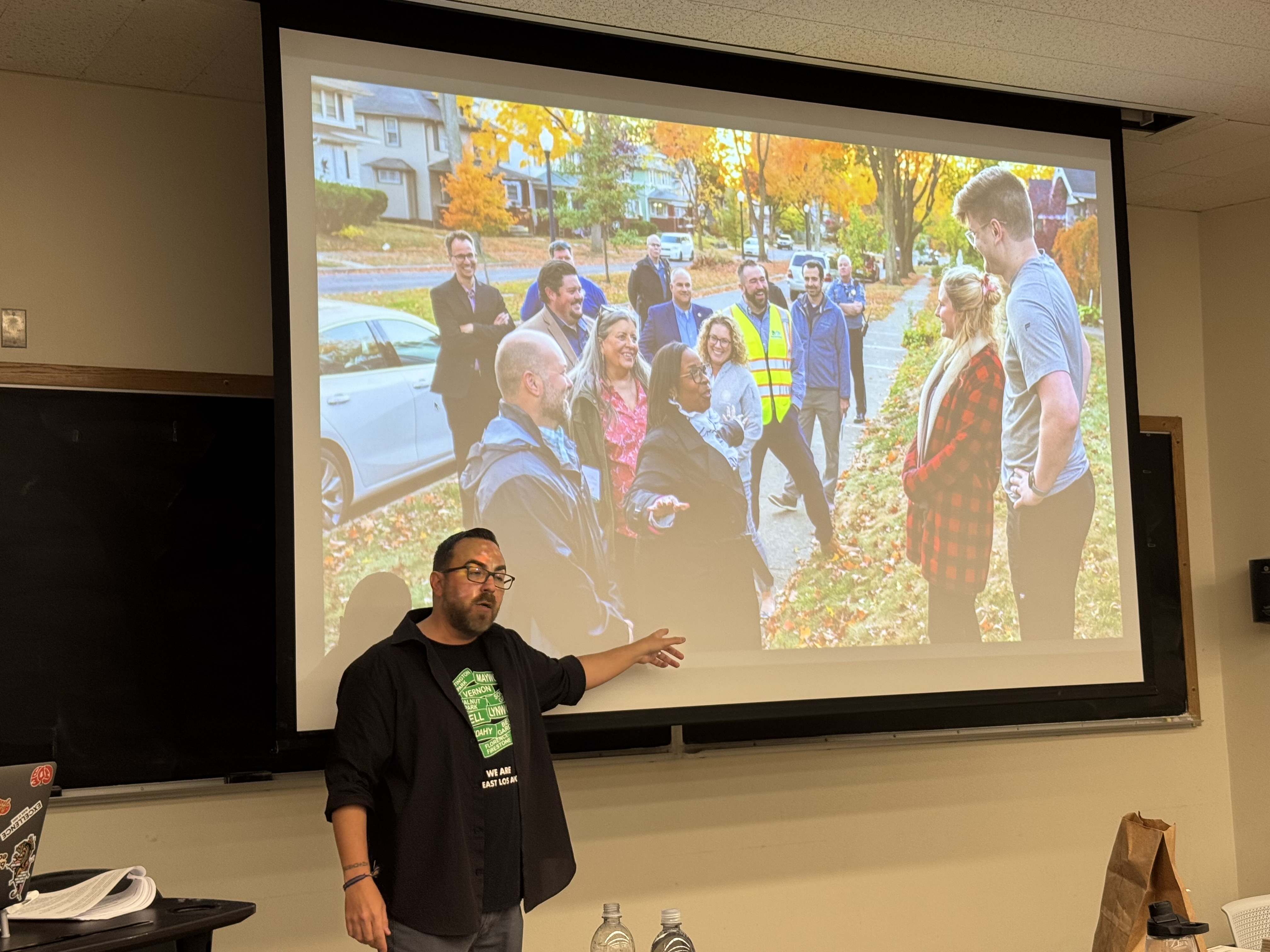
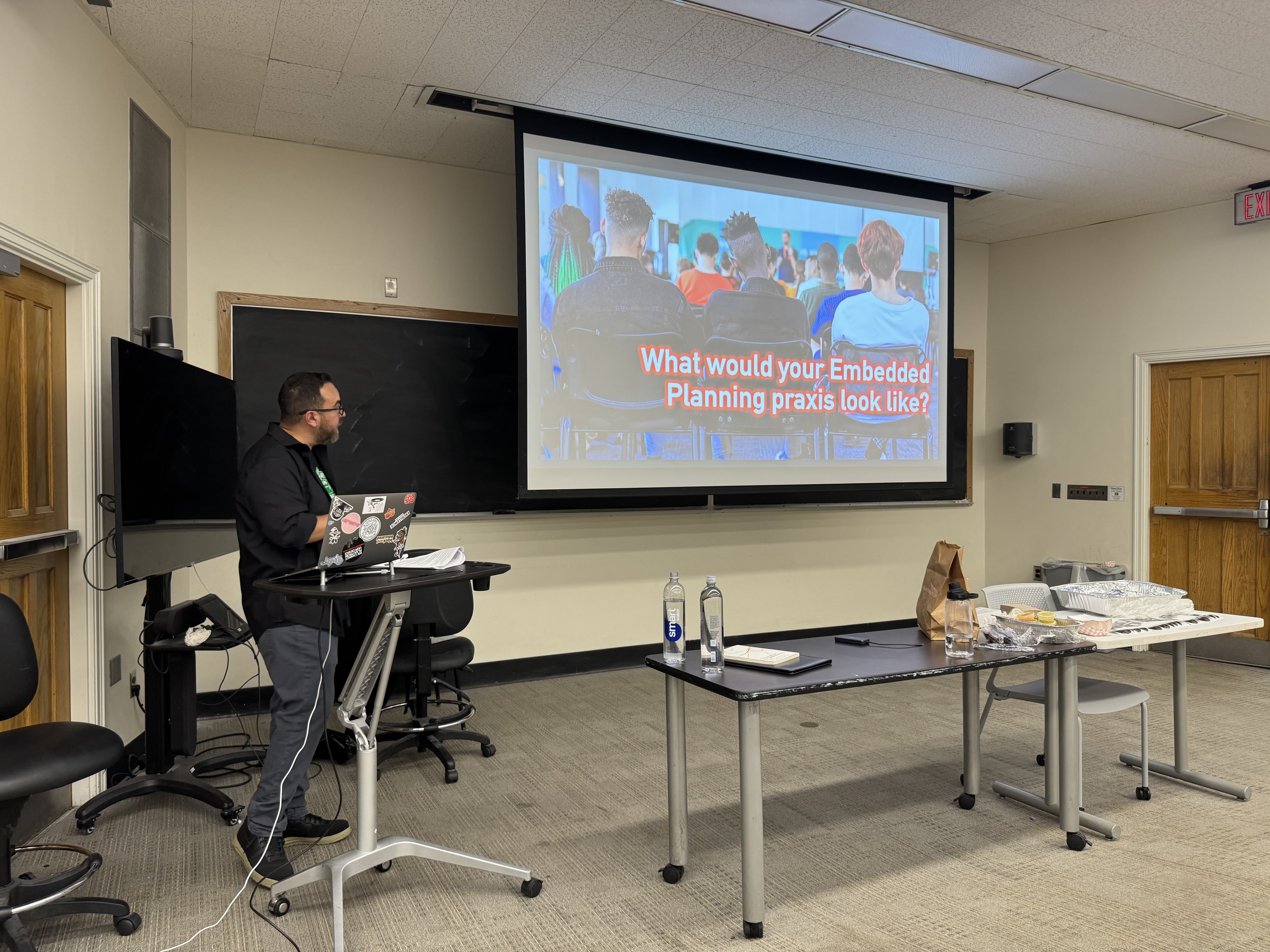
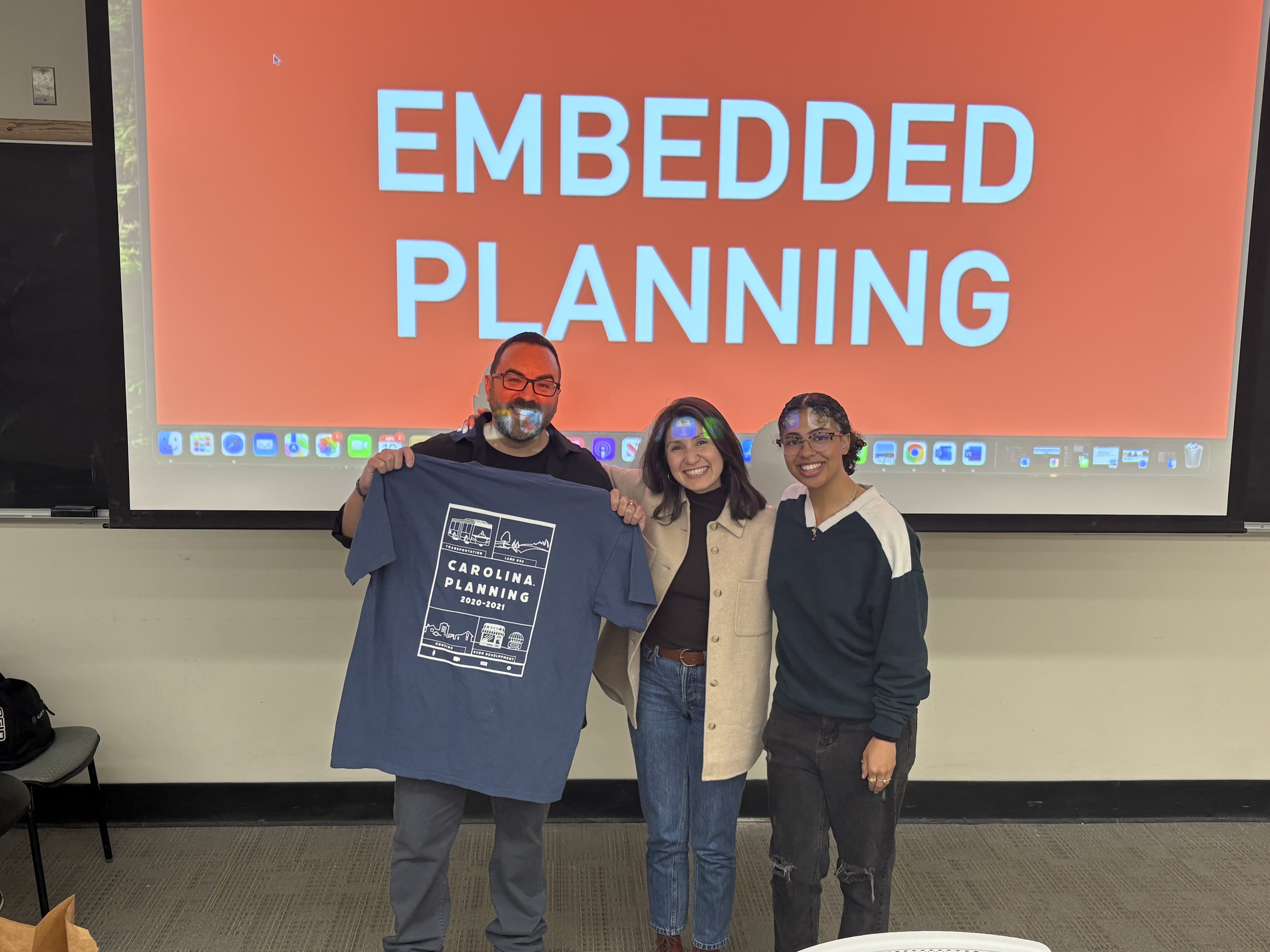
Scenes from Duke University from my 4/10 guest talk, “Embedded Planning is the Future.” The invited lecture was delivered in partnership with the undergraduate group Duke Our Urban Future and Duke Urban Studies.
We begin in medias res amidst my high stakes confrontation with unnamed powerholding figureheads suspicious of Embedded Planning because it subverted top-down control. I retrace my steps and epiphanies as a zoning enforcement planner to create Embedded Planning in South Central LA’s Florence-Firestone community. Drawing from personal experiences, I reflect on the challenges and benefits of street-level planning in the face of power. I then present case studies of others doing Embedded Planning coast to coast — and beyond!
When you hear planners today talk about “meeting people where they are,” know that we’ve long called it Embedded Planning praxis. And now we’re a worldwide movement.
Photos by AJ Adovor & Avery Smedley of Duke OUF and Dr. Ashley Hernandez of UNC Chapel Hill Carolina Planning. Thank you, Duke urban planners, for inviting me to speak on your campus!
Join us 5/8 at CSUN Urban Studies and Planning for “Embedded Planning is the Future,” a public talk on the present and future of street-level activist planning.
Embedded Planning praxis shifts the planner’s work from a desk to the streets. Created during my Zoning Enforcement days in South Central’s Florence-Firestone community, this praxis aims to rebuild trust and foster meaningful relationships with marginalized communities harmed by inequitable planning.
We’ll highlight the spread of #EmbeddedPlanning coast to coast (and beyond!), with case studies, reflections, and personal experiences examining the challenges and benefits of street-level praxis.
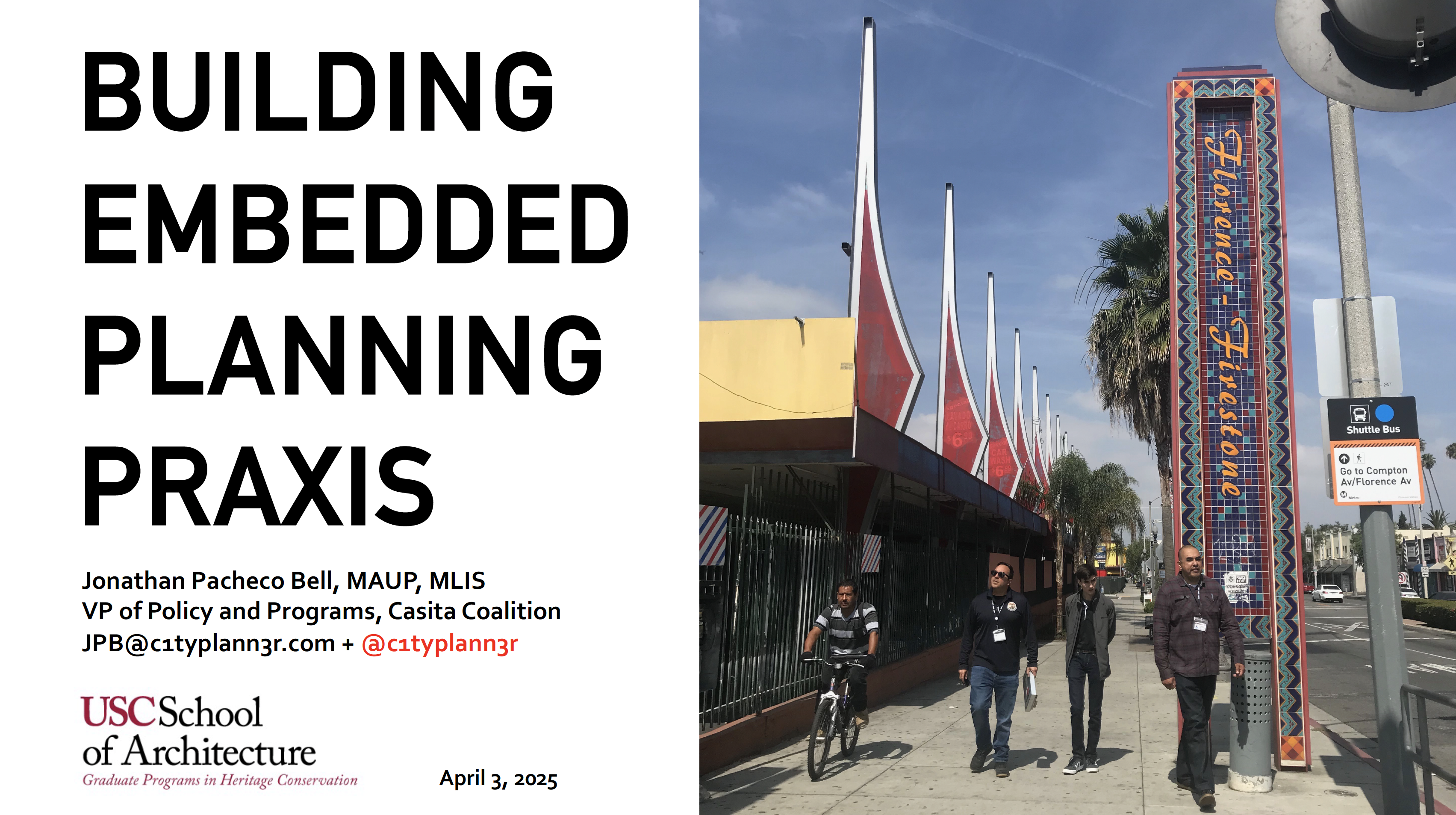
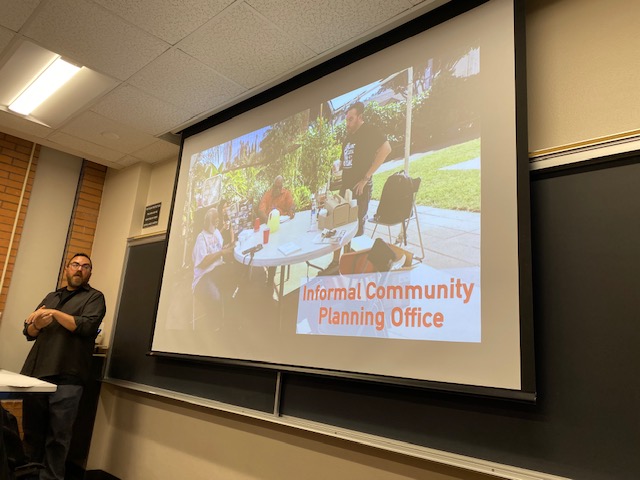
Scenes from USC Architecture from my 4/3 guest talk, “Building Embedded Planning Praxis.” The invited lecture was delivered in the USC Master of Heritage Conservation graduate course, Heritage Conservation Policy and Planning.
Who’s the cat in the photo?! In 2003 in the MAUP program at UCLA Luskin Department of Urban Planning, I took an architecture theory course where I learned Professor Gregory Ulmer’s CATTt method for writing a manifesto. I would go on to use the CATTt to write my 1-page manifesto on Embedded Planning titled, “We Cannot Plan From Our Desks,” published in the October 2018 issue of APA’s Planning Magazine.
And now we’re a worldwide movement in planning theories and practices.
Photos by Meredith Drake Reitan, Professor & Associate Dean. Thanks for the invite to speak with your MHC students!


















You must be logged in to post a comment.