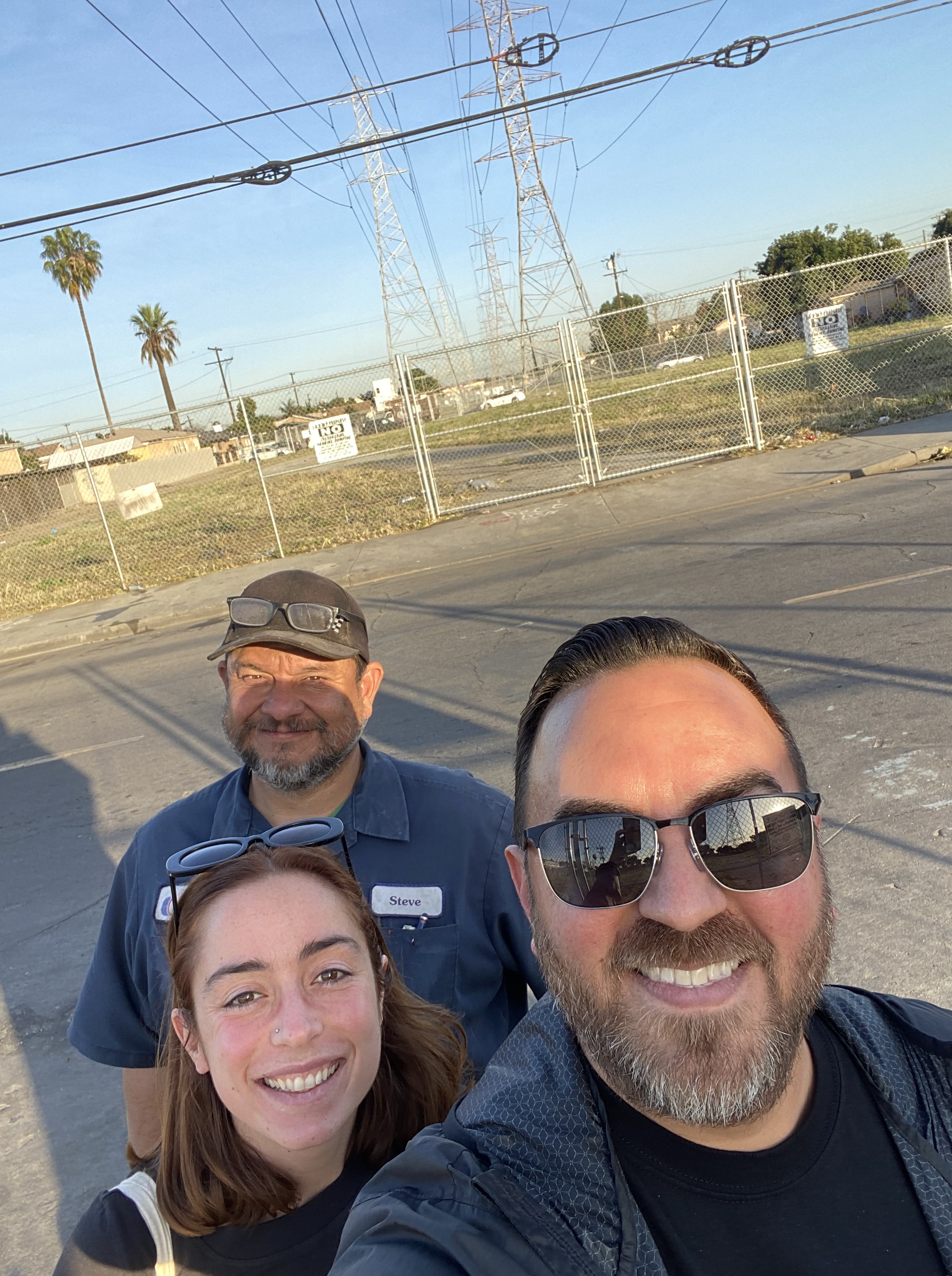
UCLA network in action! Jordan Grimaldi (MURP ‘26) is doing a master’s client project for City Fabrick analyzing utility right-of-ways in LA.
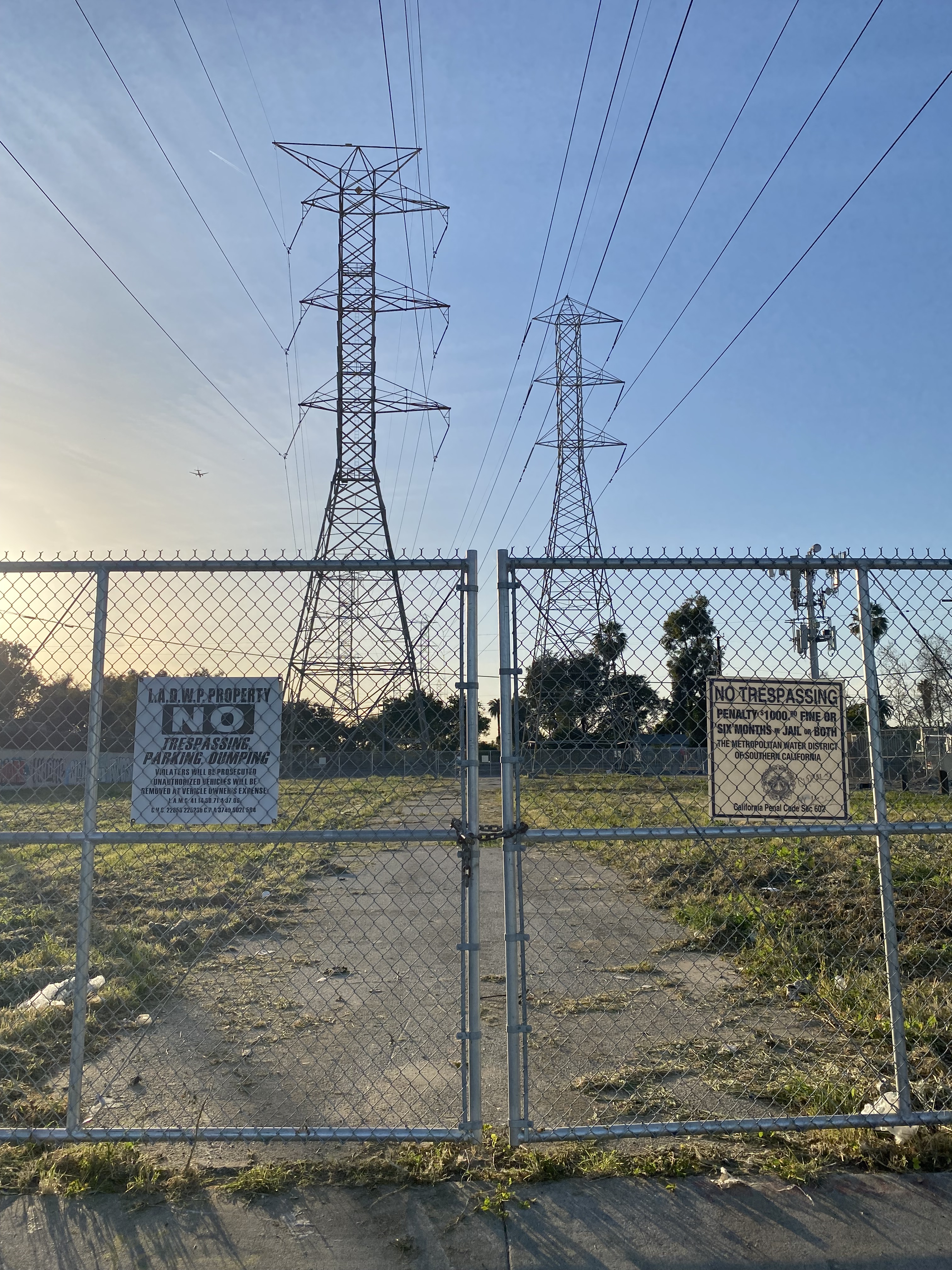
CF’s Alexander Jung, AICP (MURP ‘15) connected Jordan and me (MAUP ‘05) for deep background on the East 92nd Street utility right-of-way in Florence-Firestone.
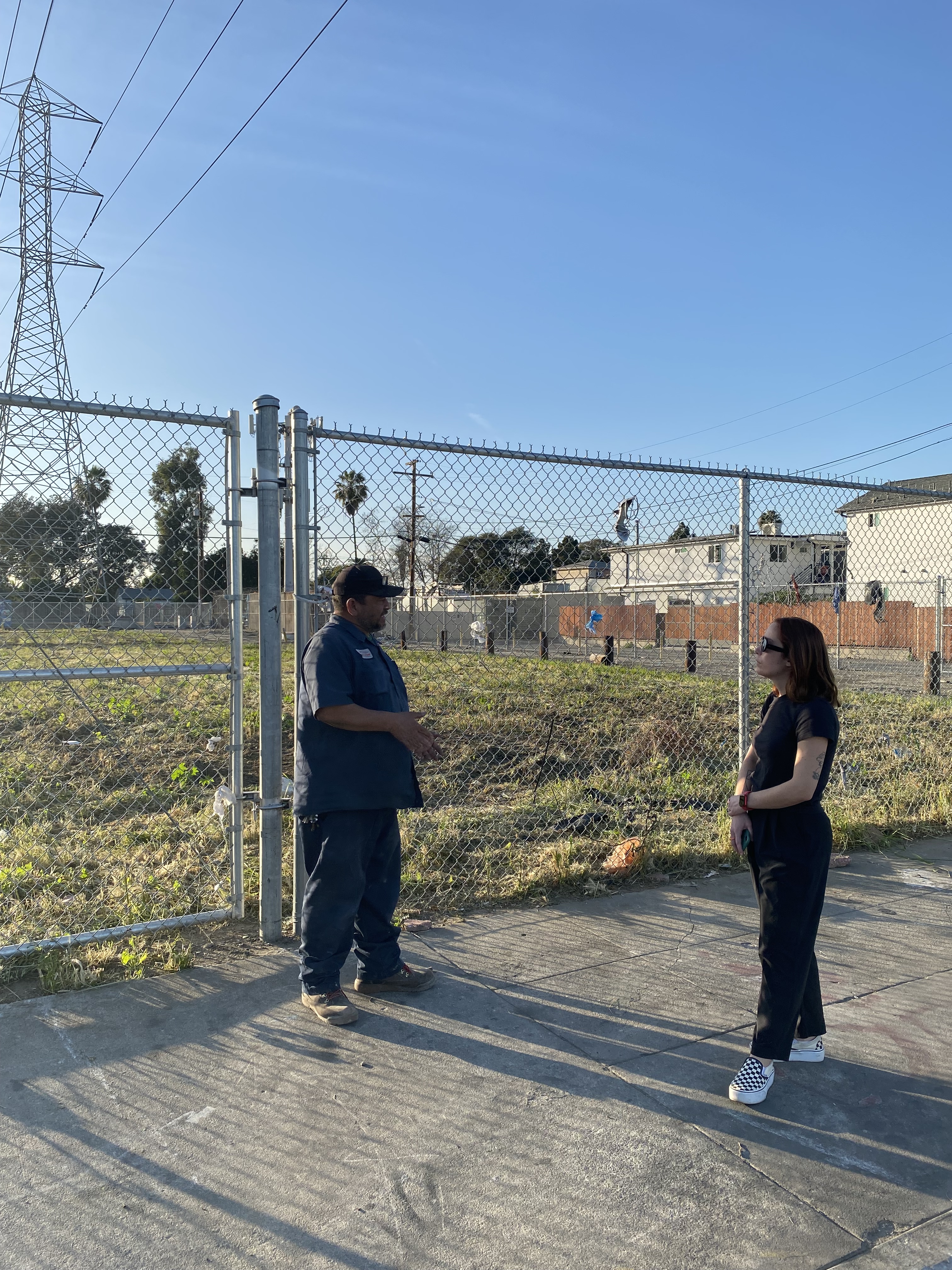
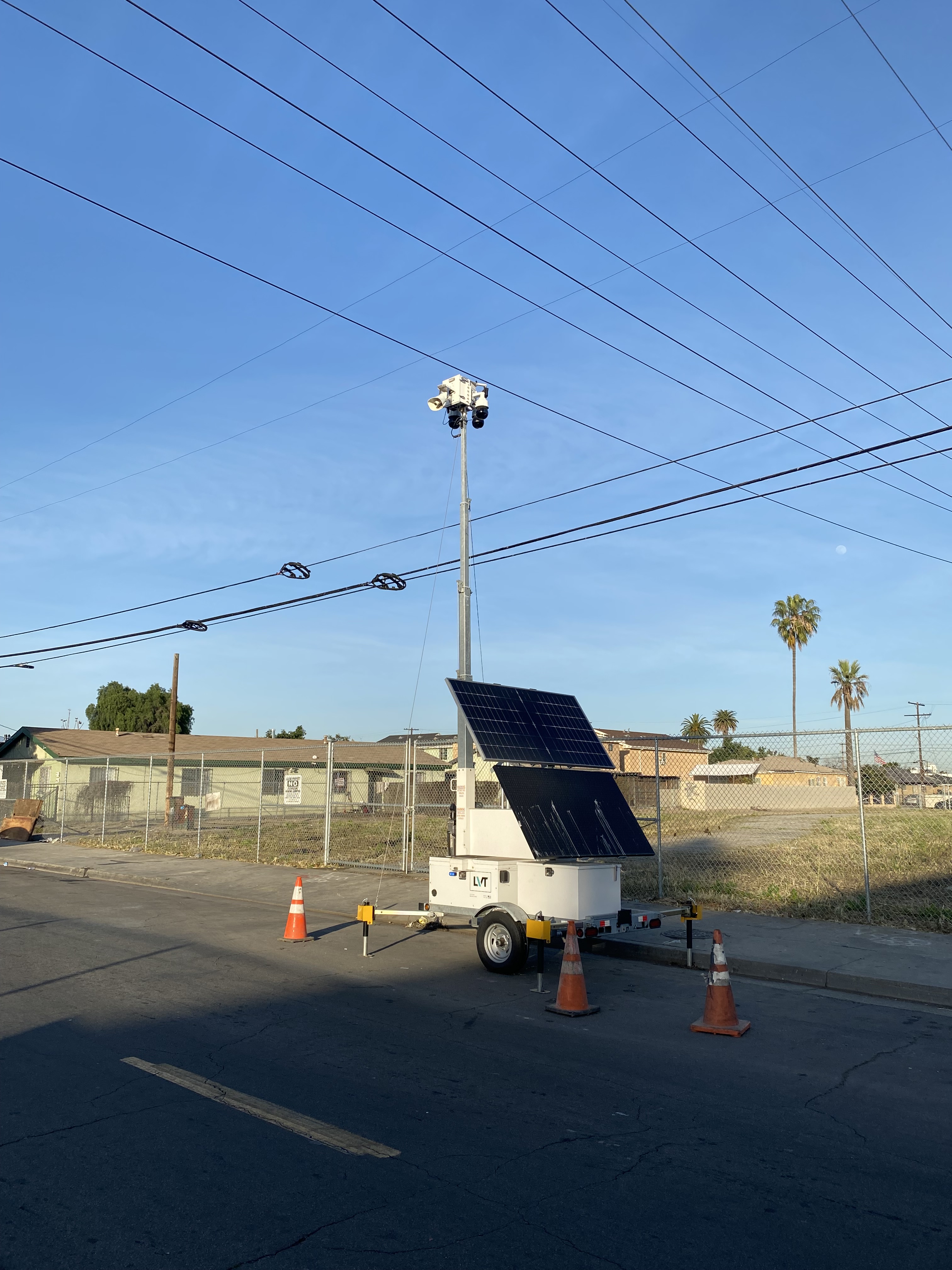
Jordan interviewed me at the Florence-Firestone Community Organization office and then we visited the site, which is now the home of the future 92nd Street Linear Park via Los Angeles County Parks and Recreation!
I then connected Jordan with Yanel Sáenz (MPH ‘22) of the Friends of Washington and 92nd Street Park for additional community interviews about transforming this utility right-of-way into a park.
We will continue supporting Jordan’s community-based research and recommendations well after graduation.
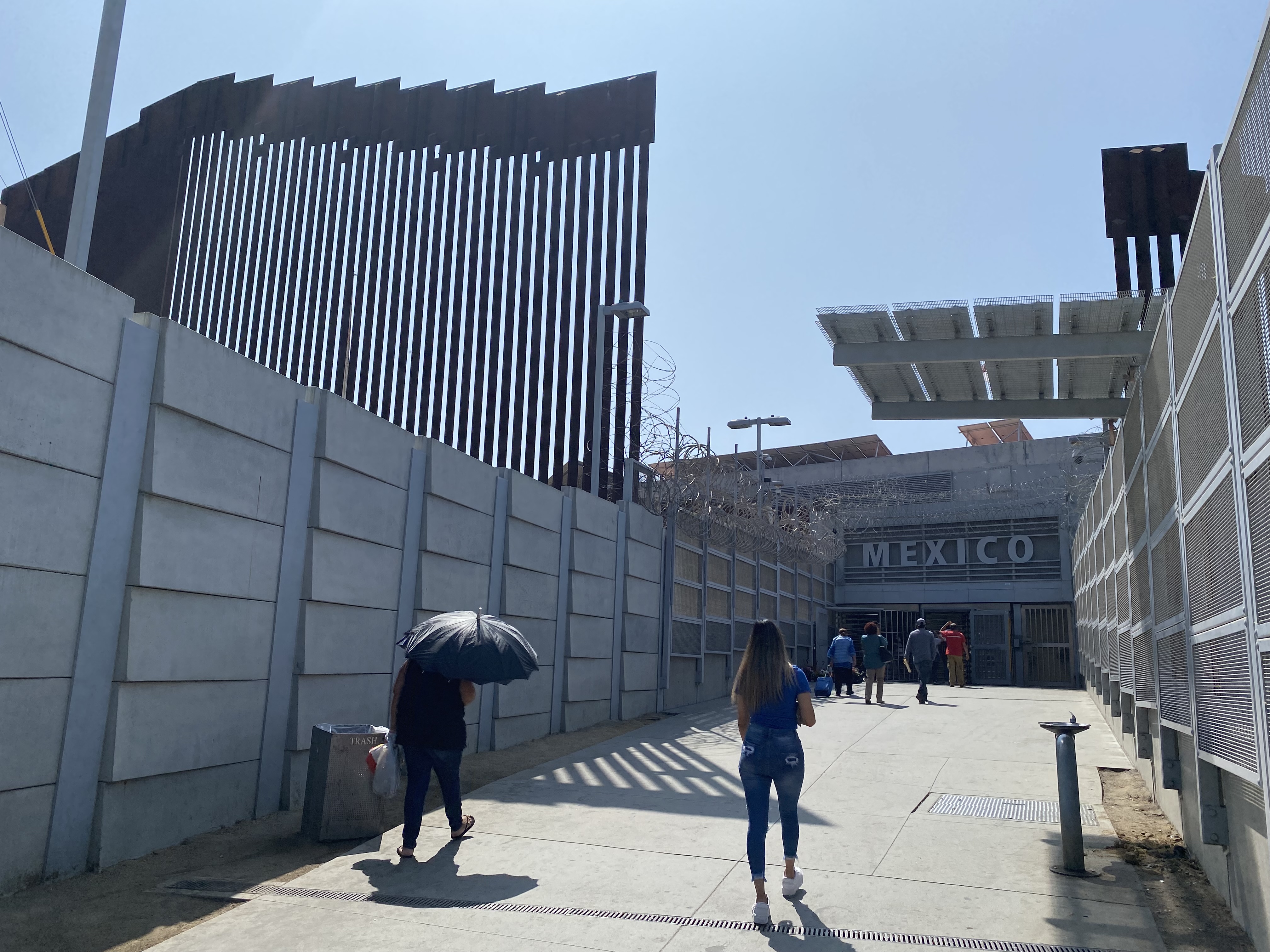
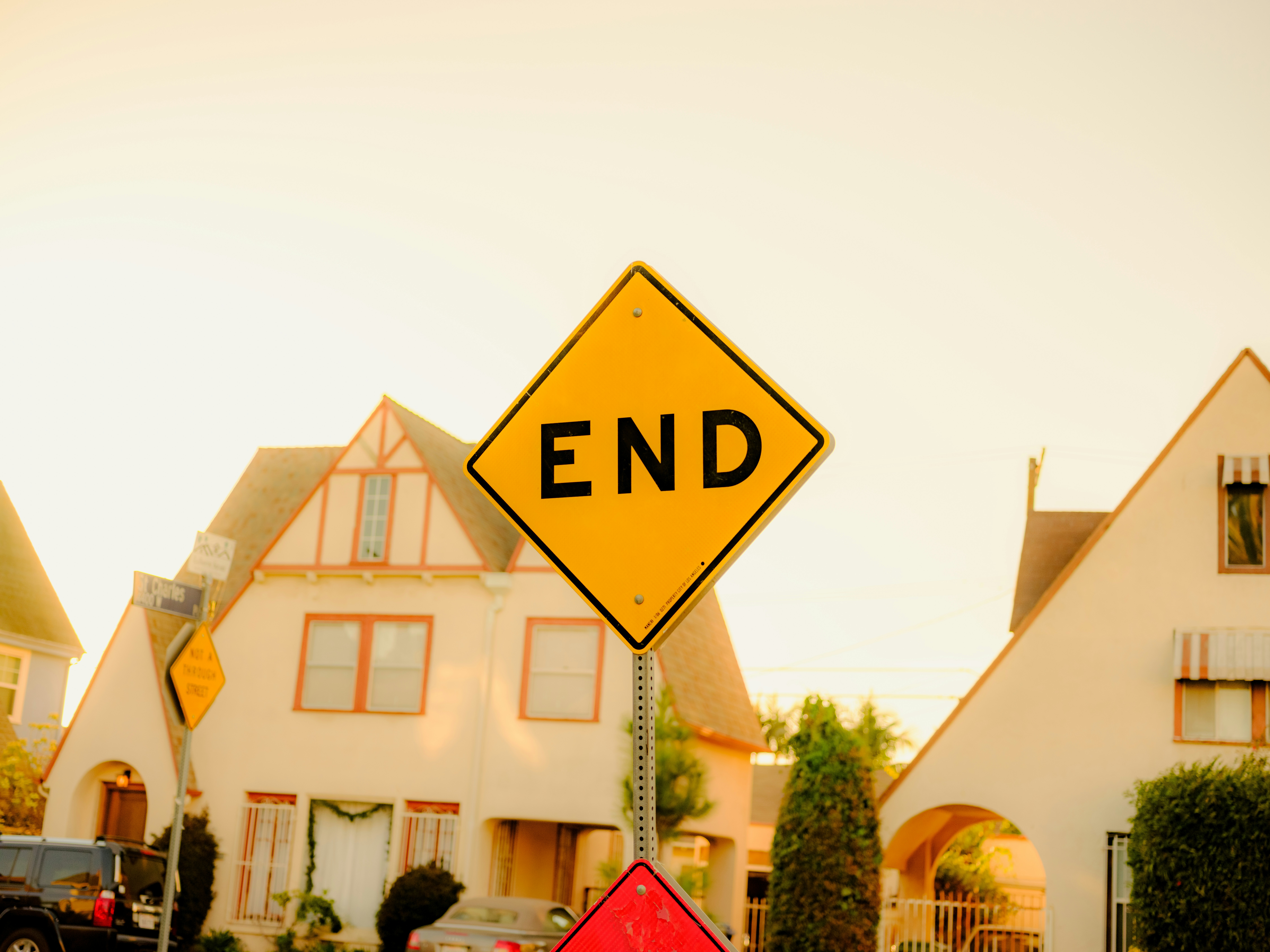
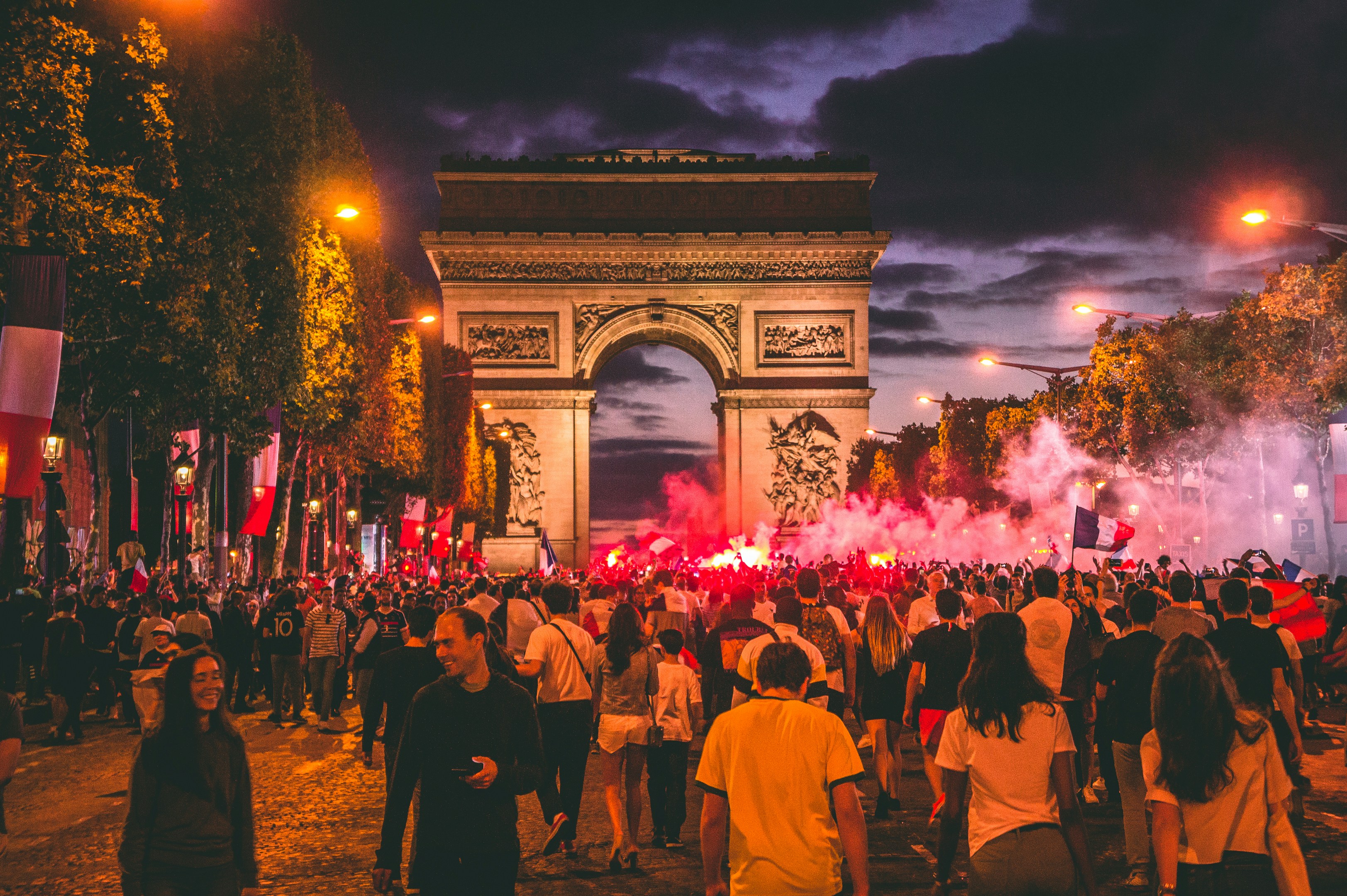
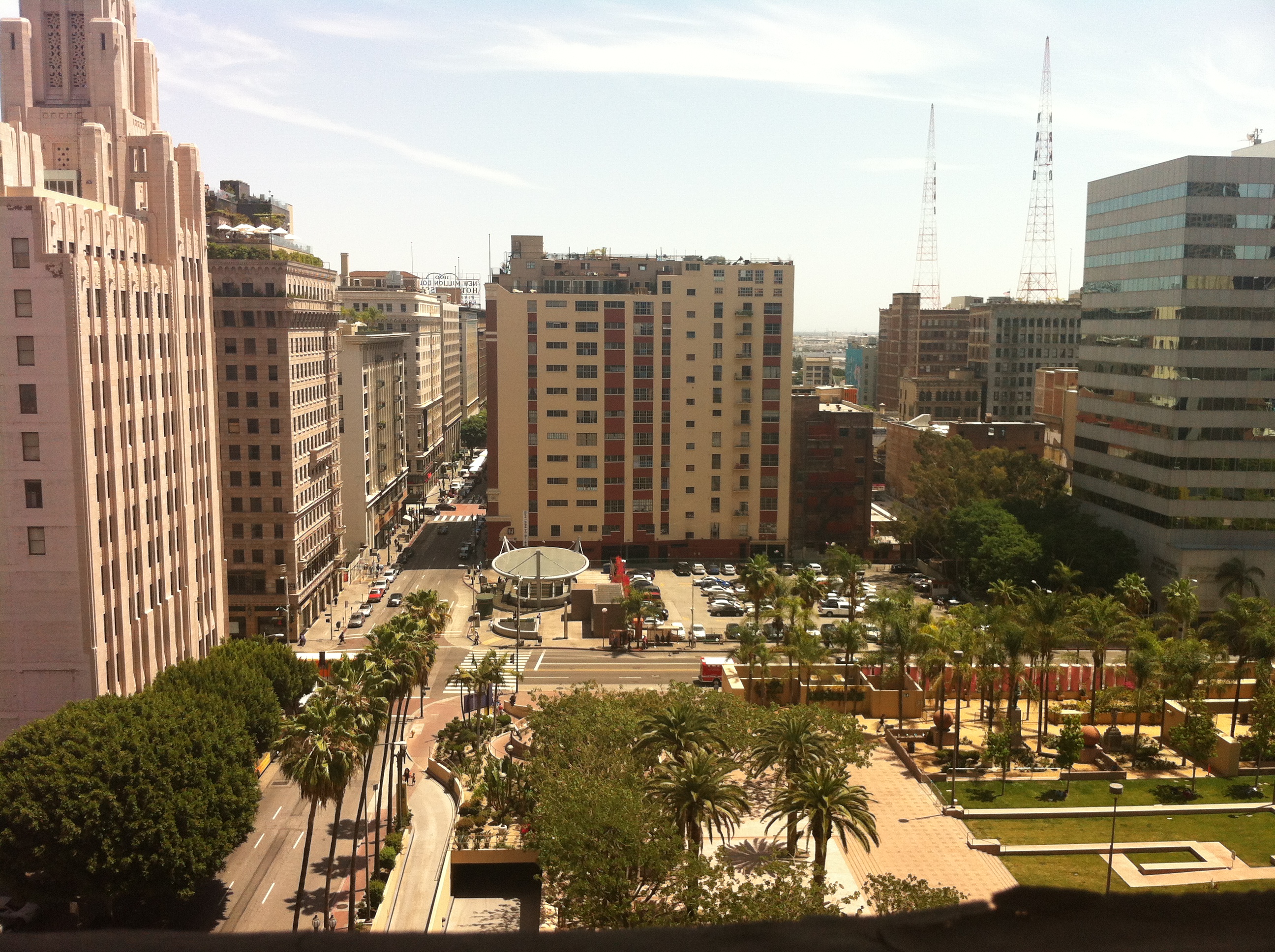
No Context-inspired photos from my upcoming publication:
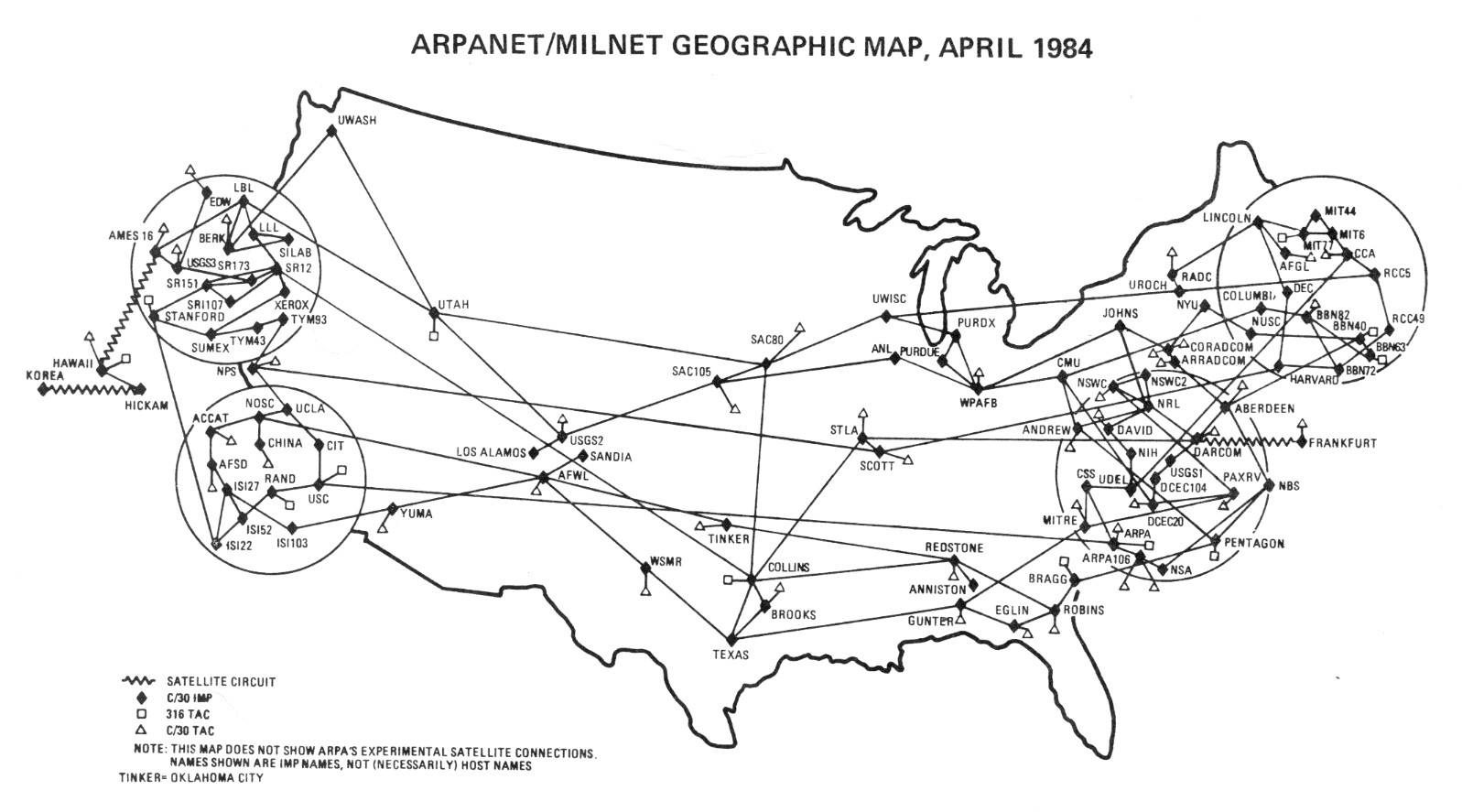
“The End of Geography? An Analysis of Virtual and Physical Spatiality in the 21st Century.”
I wrote the original version of this paper for Professor Edward W. Soja’s course UP 233: Political Economy of Urbanization at UCLA Urban Planning and submitted it on May 5, 2004.
Intended readers were only Professor Soja and TA Miguel Kanai, which, in hindsight, explains my original’s overly academic tone. I’ve overhauled it for a wider audience though the arguments remain intact. The text is a faithful record of my position in 2004.
This analysis was submitted on April 20, 2005 in Edward W. Soja’s UP 230 Intro to Regional Planning course at UCLA Urban Planning. Google was fairly new and better at retrieving information than other search engines. At this point, Soja was writing less about Postmodernism, more about New Regionalism, and always “putting space first.” He asked us to go deep in the search results to uncover definitions of New Regionalism in this digital space.
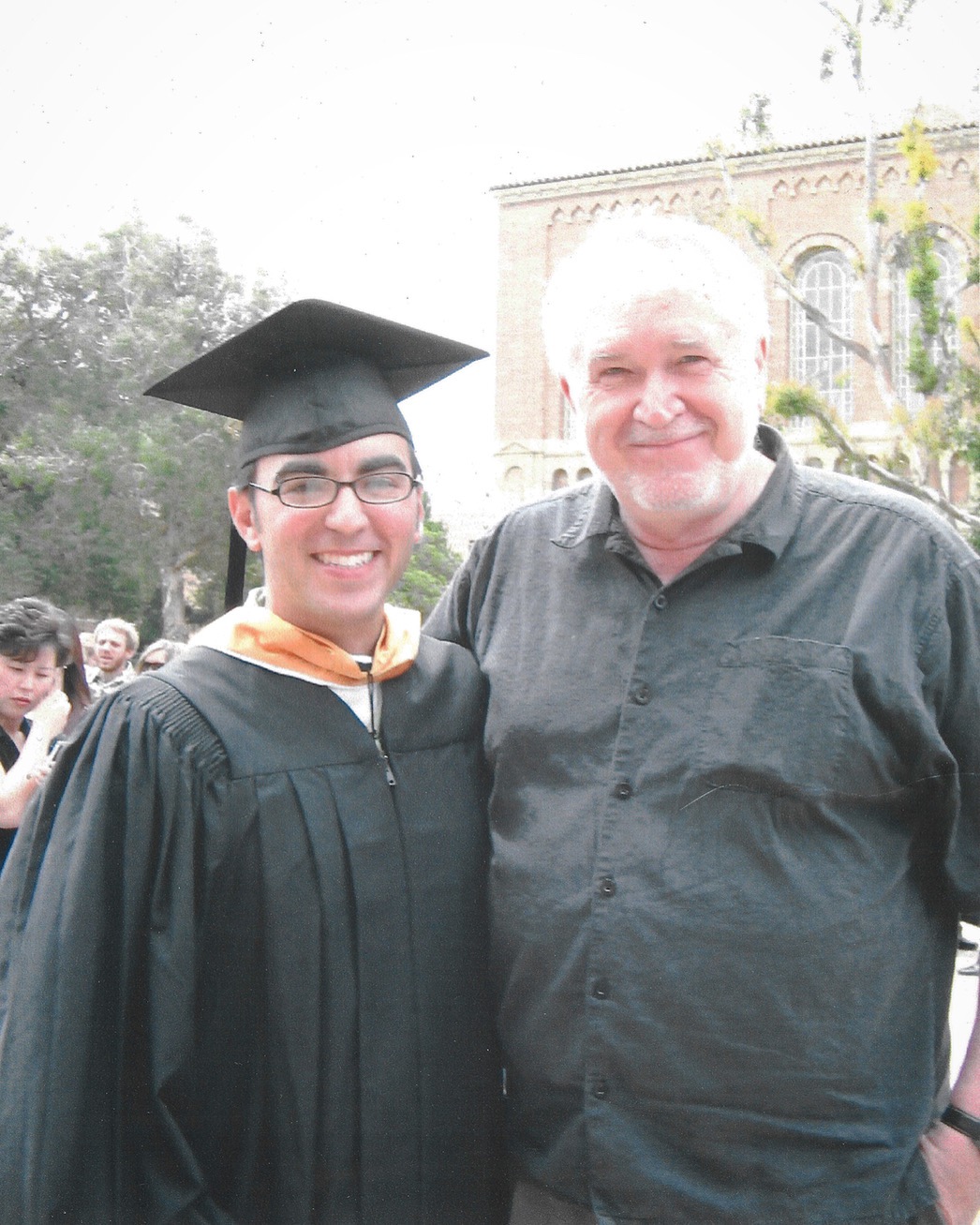
In 2005, I graduated from UCLA Urban Planning with my MAUP and took a photo on graduation day with my mentor, Professor Edward W. Soja. In 2025, I got to take photos with my urban planning and landscape architecture students on graduation day at Cal Poly Pomona Urban and Regional Planning. We’re all on a journey.
This video is cross-posted on my LinkedIn, Instagram, YouTube, and c1typlann3r.blog.
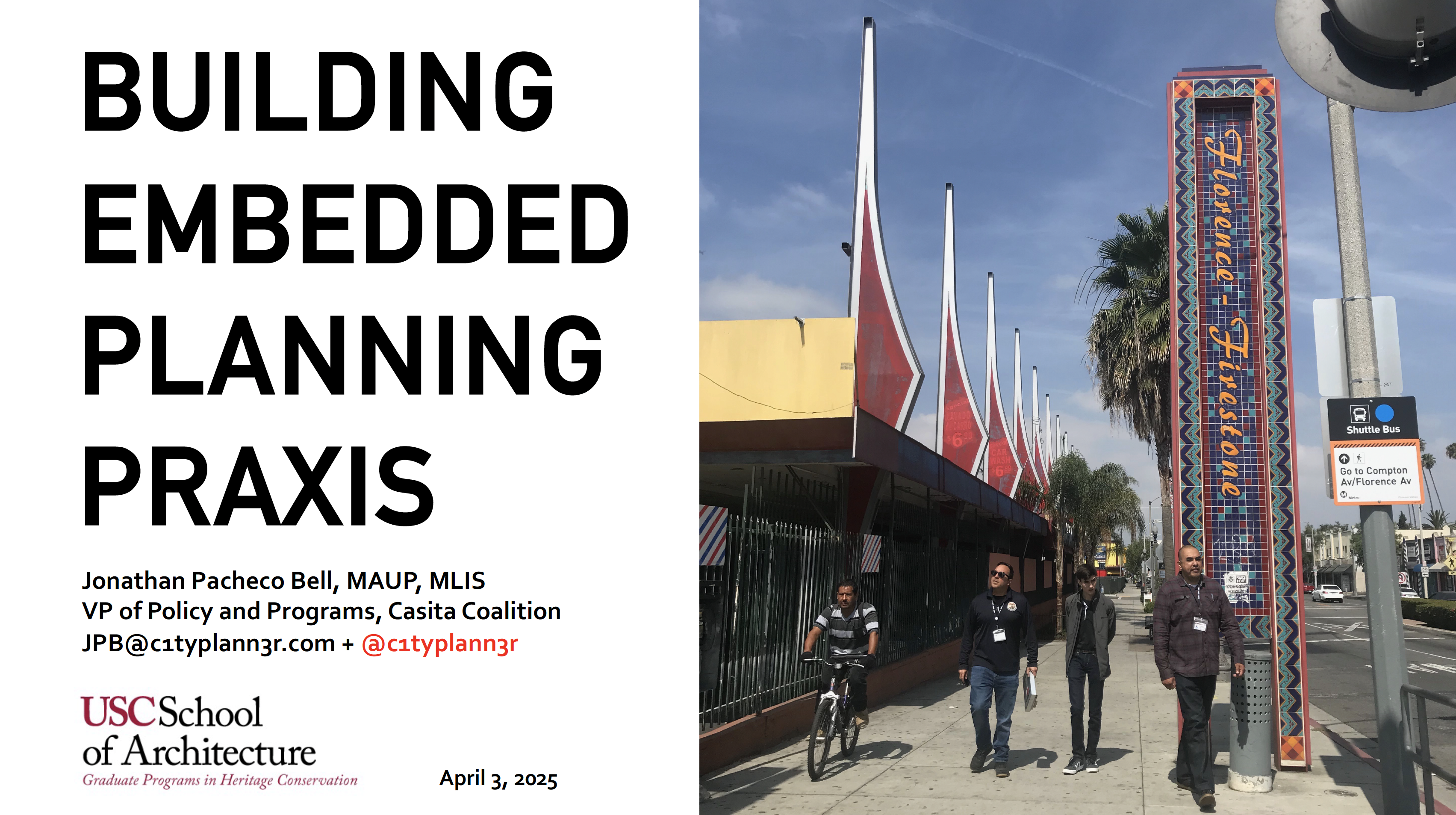
Scenes from USC Architecture from my 4/3 guest talk, “Building Embedded Planning Praxis.” The invited lecture was delivered in the USC Master of Heritage Conservation graduate course, Heritage Conservation Policy and Planning.
Who’s the cat in the photo?! In 2003 in the MAUP program at UCLA Luskin Department of Urban Planning, I took an architecture theory course where I learned Professor Gregory Ulmer’s CATTt method for writing a manifesto. I would go on to use the CATTt to write my 1-page manifesto on Embedded Planning titled, “We Cannot Plan From Our Desks,” published in the October 2018 issue of APA’s Planning Magazine.
And now we’re a worldwide movement in planning theories and practices.
Photos by Meredith Drake Reitan, Professor & Associate Dean. Thanks for the invite to speak with your MHC students!
Florence-Firestone Community Organization. Photo by Aditi Peyush
In Fall 2024, the Florence-Firestone Community Organization (FFCO) — where I proudly serve as VP — is partnering with Cal Poly Pomona and UCLA to integrate the neighborhood into these Urban Planning and Chicano Studies courses:
URP 5050: Planning and Place
URP 5120: Planning Ideas and Action
URP 5010: How Planning Works
CCAS M122: Planning Issues in Latino Communities (UCLA)
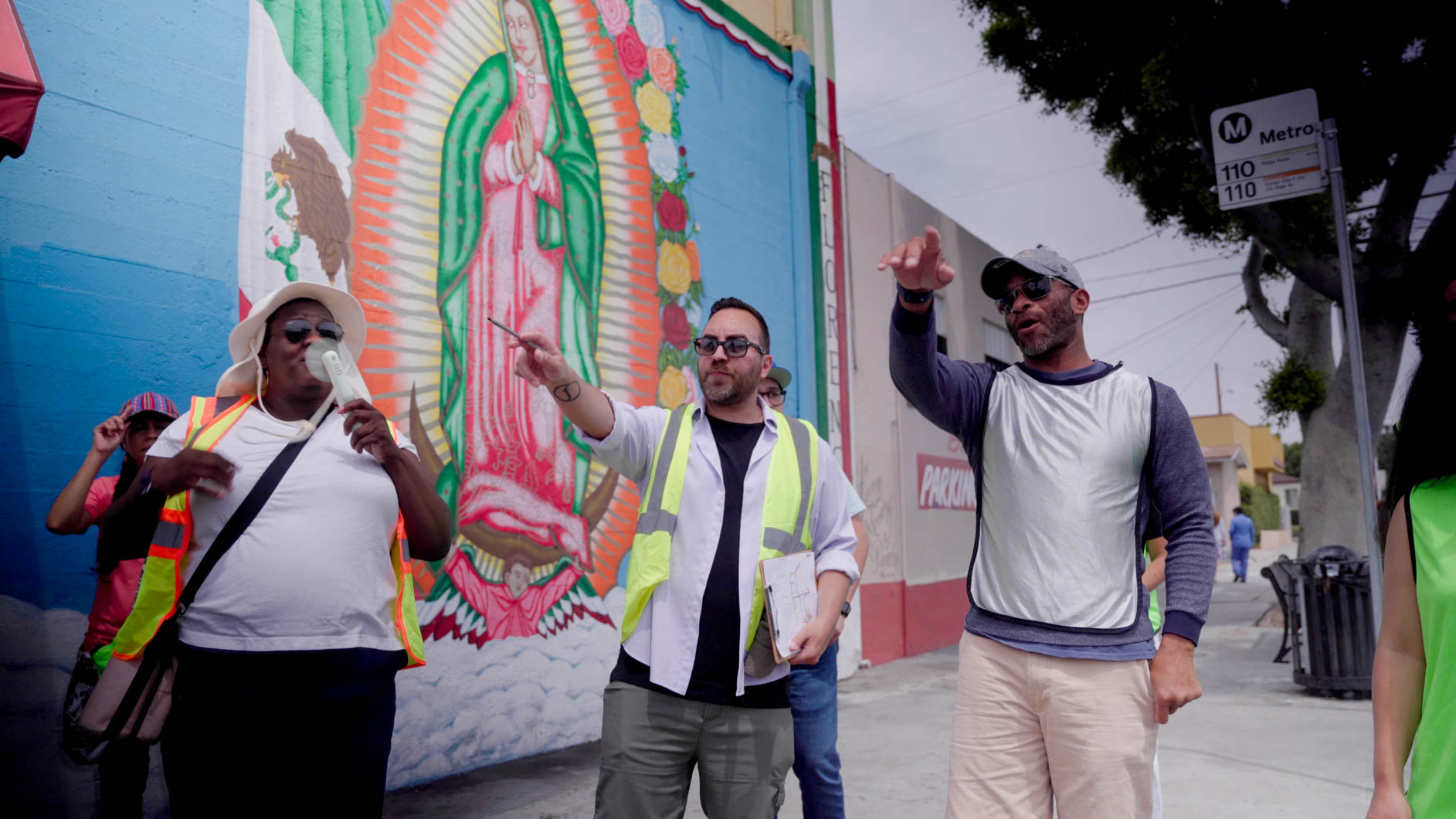
Building on our past efforts, FFCO will host neighborhood walking tours and discussions, conduct in-class guest lectures, and provide readings and resources (see below) to learn about the Florence-Firestone community in South Central LA.
Local news coverage of Florence-Firestone lamentably focuses on social ills. While the community endures challenges and struggle, there is more to it than the clickbait headlines. Our decades-long community-driven work proves it. The creation of Embedded Planning in Florence-Firestone (now a worldwide movement!) proves it. The birth of FFCO as a community advocacy voice during COVID proves it. Florence-Firestone is a vibrant and historic community. Students will experience it.
Below is a variety of key resources on Florence-Firestone. I am proud to have worked on most of these projects. These help reframe the narrative about our community. They tell a fuller story of partnerships, solidarity, and hope.
Note: This is a living document updated as needed throughout the semester/quarter. Any revision history will be indicated at the bottom of this page.
Florence-Firestone Community Organization and SELA Collaborative interview, including Embedded Planning origins in Florence-Firestone (starts at 5:25 min mark):
How a Tire Shop in South L.A. Became a Community Hub for Locals:
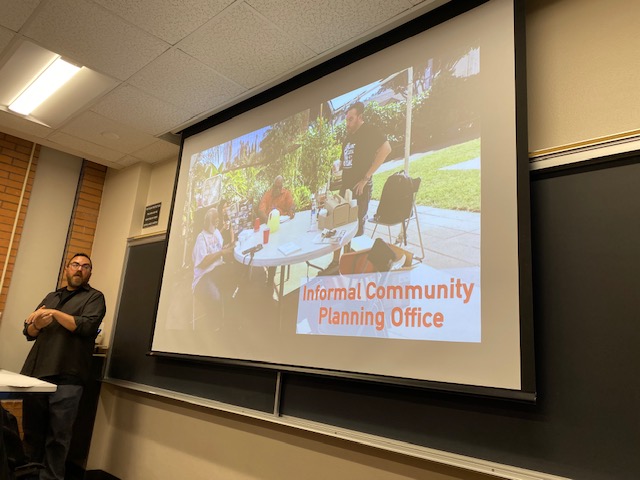
Honored to return home to East LA College Department of Architecture as a speaker for the Spring 2024 Lecture Series. I’m doing the talk “Building Embedded Planning Praxis” on May 7 at 12pm: free + open to all.
Bio: Jonathan Pacheco Bell is a Senior Embedded Planner at 4LEAF, Inc. and a Lecturer at Cal Poly Pomona Department of Urban and Regional Planning. Born in Boyle Heights and raised in East LA and Montebello, Jonathan came up as a graffiti writer in the 90s creating art and culture on the ground.
For nearly 20 years, Jonathan has worked in South Central LA building community partnerships through street-level urban planning. He turned his methods into a new form of practice called Embedded Planning, where the planner works from the street-level to increase equity and participation for historically marginalized communities harmed by inequitable planning.
Jonathan has guest lectured across the U.S. on Embedded Planning. His speaking engagements include Columbia GSAPP, UCLA, University of Utah, Ohio State, Pratt Institute, Stanford Engineering, University of North Carolina-Chapel Hill, and Woodbury University; state and national Planning conferences in California, Iowa, and Louisiana; and public forums such as MOCA, City Parks Alliance, and the SF Urban Film Fest.
In addition to teaching and practice, Jonathan serves as Vice President of the Florence-Firestone Community Organization, a 501c3 nonprofit in South Central. He is co-author of the neighborhood history book, A Paseo Through Time in Florence-Firestone.
Jonathan is a first-generation student and proud product of the California public school system from kindergarten to graduate school. He holds a Master’s in Urban Planning from UCLA Luskin, an MLIS from SJSU iSchool, a Bachelor’s in Political Science from Cal State LA, and an Associate’s in Architecture from East LA College.
Originally written in 2004 in my first year at UCLA Urban Planning, unearthed in my mom’s garage in Montebello in 2019, edited in Pasadena and poolside in Las Vegas in June 2022 and June 2023, final edits in Pasadena in July 2023, and now published as the first entry in my overdue Student Papers Archive series on Medium:
“What’s Theory Got to Do With It? An Examination of the Utility of Planning Theory in Planning Practice.”
Originally developed for Columbia GSAPP’s Lectures in Planning Series, my talk “Embedded Planning is Worth The Struggle” is now home and coming to UCLA Luskin School of Public Affairs on Tuesday, May 23, 2023 at 5pm. Attend in person or through Zoom with registration.
Session Description:
Planning is political. Decisions about the built environment inherently impact people’s lives. Everything planners do involves a struggle over “who gets what, when, where, how, and why?” Planners respond to this debate but many of our practices have resulted in unjust planning.
In this time of increasing interrogation of planning’s legacies of inequity, planners are moving with intention to be better partners. As part of repair and healing, planners are seeking more ways to build meaningful community partnerships. No longer is technocratic rational planning the default. But while the pivot to participatory methods helped democratize the planning process, professional practice still prefers project-based, one-off, transactional engagement.
Orthodox planning must evolve.
A better way is possible.
Los Angeles-based urban planner Jonathan Pacheco Bell urges practitioners to consider Embedded Planning praxis. Developed by Bell on the ground in South Central LA, Embedded Planning is a way to fundamentally restructure community engagement & practice. Embedded Planning means planning from the street, not from a desk. Embedded Planners work in the spaces & places of community members, building bridges with marginalized communities harmed by inequitable planning. Embedded Planning is a praxis that puts theory into action to better this world. Since Bell declared Embedded Planning exists in 2018, it has grown into an international movement among emerging planners. Bell will show how Embedded Planning is being used to transform engagement into lasting community partnerships rooted in trust.
Community members have embraced Embedded Planning because they feel seen and included. Yet despite the praxis bringing ignored voices to the table, Bell encountered blatant hostility from planning figureheads who judged Embedded Planning as “too political.” Through storytelling and personal reflection, Bell will illustrate the struggle to carry out Embedded Planning in the face of power. Attendees will learn the challenges and benefits of this unorthodox approach and understand why this praxis is the future of planning.
Edward W. Soja and me on graduation day June 17, 2005 at UCLA Urban Planning. Photo by Jonathan Pacheco Bell
Edward Soja and me on graduation day 17 years ago today. Grad school was tough. I felt the weight of the neighborhood on my shoulders. I nearly dropped out 5 times, but Ed inspired me to stay and keep at it. My work with Soja would help me create Embedded Planning years later. The moral of the story: Find mentors who inspire you.
The office of Edward W. Soja at UCLA Urban Planning after the 2015 In Memoriam celebration of Ed’s life. Before going home, I posted my “Epitaph for Edward W. Soja” to say goodbye, and to promise Ed that I would keep the flame lit. Photo: Jonathan Pacheco Bell
Congratulations to my fellow UCLA Bruin planners graduating today 👏🏽 You’re the next generation of planning. We’re in good hands.
Draw on our past to inform (y)our future. See the work of Edward W. Soja, Jackie Leavitt, Leo Estrada, VC Powe, Marty Wachs, John Friedmann and many others who rest in power.







You must be logged in to post a comment.