In support of Vision Zero, join us for a community bike ride in Florence-Firestone this Sunday, August 6th from 10a-1p. No registration required! Just come thru 🚲
📍 Florence-Firestone Community Organization in partnership with Estolano Advisors, BikeLA, Los Angeles County Department of Public Health, & California Office of Traffic Safety
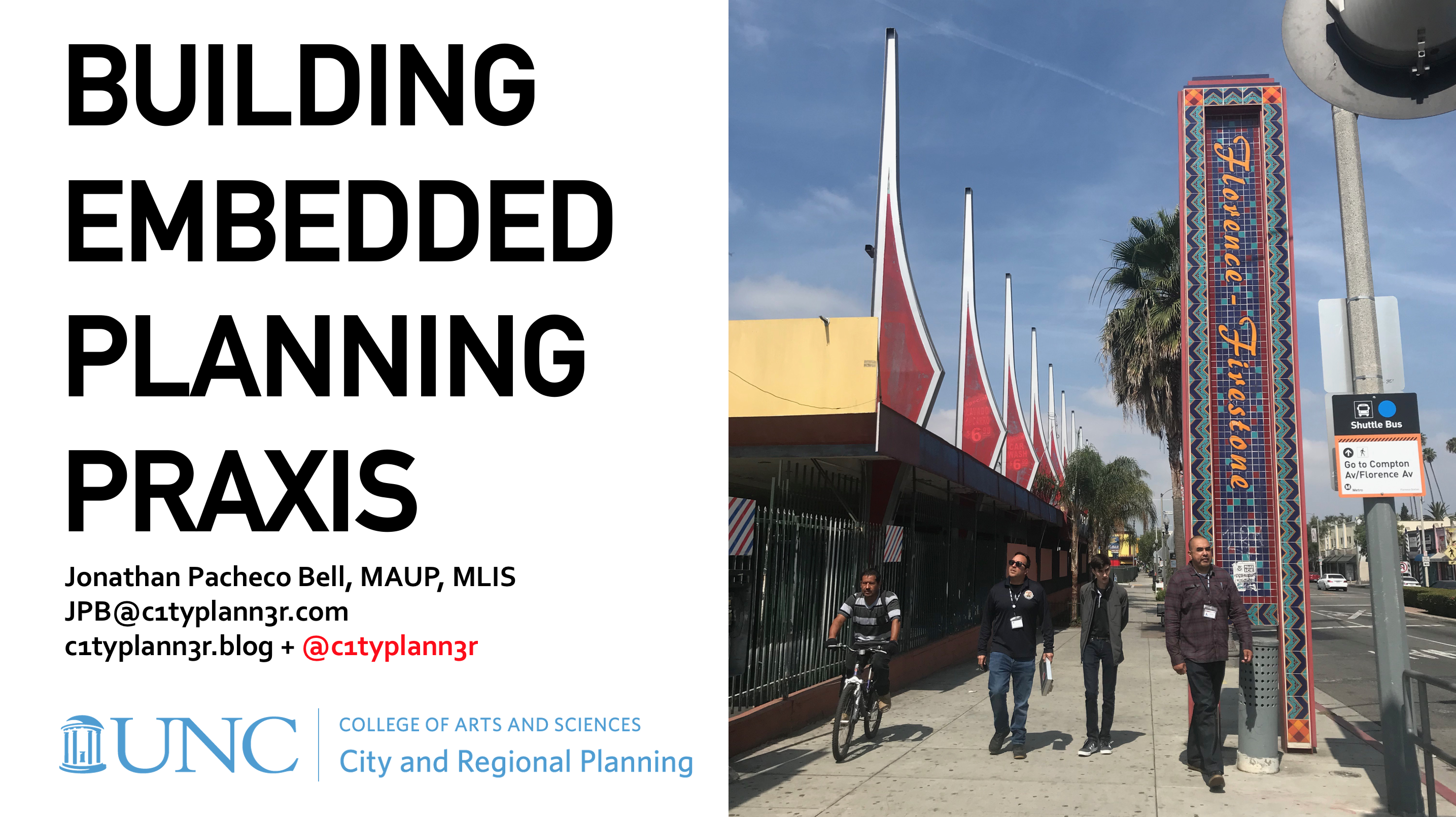
Cal Poly Pomona Communications is recording a short video about my creation ofEmbedded Planning praxis. Students and community members are invited to join! It’s in South Central LA’s Florence-Firestone community, where this street-level praxis was born.
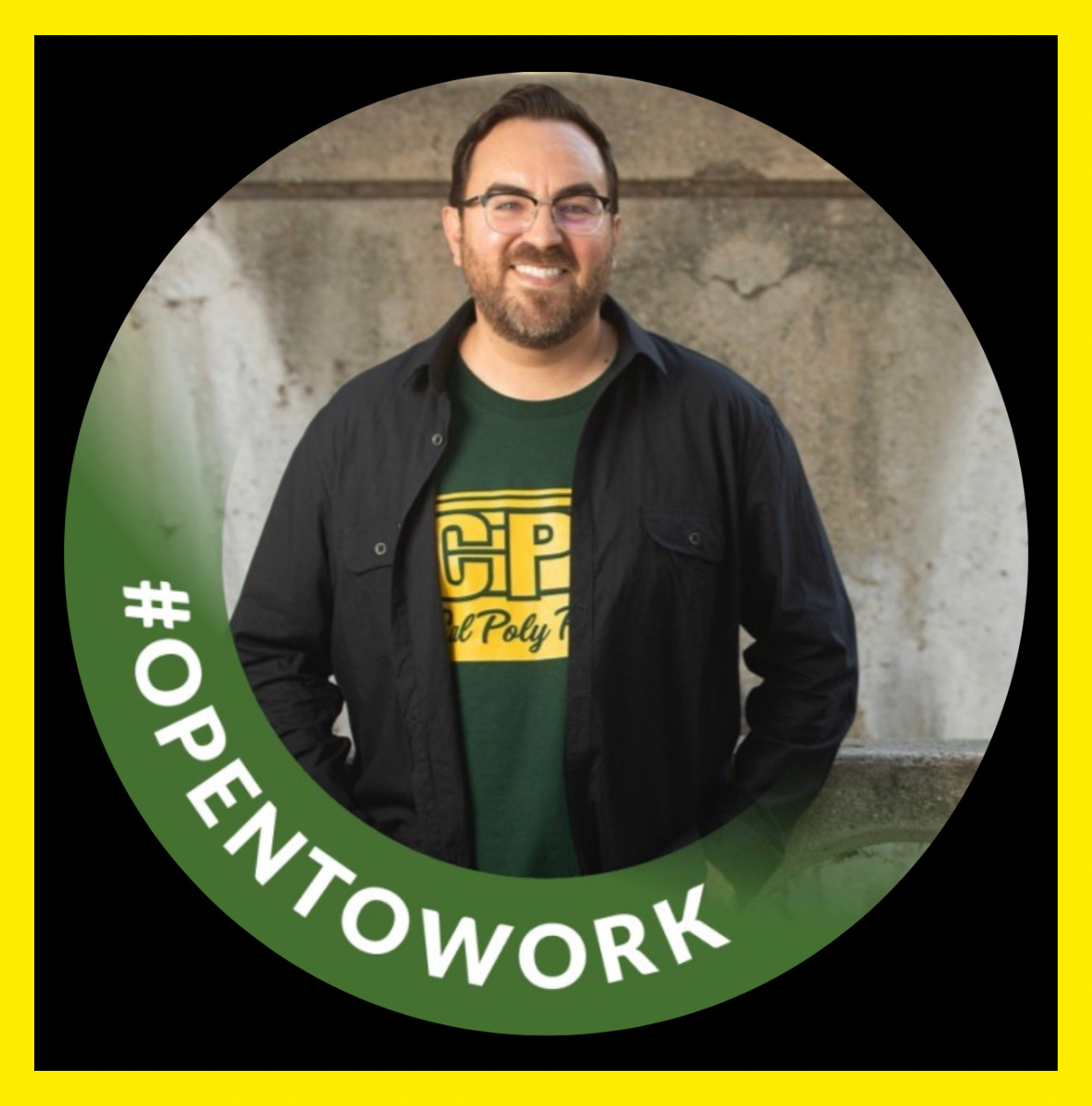
This month marks a new chapter of professional growth. It’s time. I’m #OpenToWork.
With two decades of land use experience, I’m seeking new opportunities to improve communities including: urban planner, senior planner, housing planner, community engagement planner; code compliance or housing inspector; lecturer or adjunct faculty in planning and allied fields; and other similar roles. I’m seeking a collaborative space that prioritizes innovation, service, and people. I’m seeking work that values partnerships and community.
If your organization offers this role, let’s talk!
Support, connections, referrals, and opportunities are indeed appreciated.
In support of Vision Zero, join us for a community walk in Florence-Firestone Sunday, July 23rd from 10am to 1pm. FFCO’s Ramsey Nicholson and I will highlight landmarks, social history, and community issues on the route. No registration required! Just come through.
Route includes: Compton Avenue, Florence Avenue, Maie Avenue, Graham Avenue, Miramonte Boulevard, E. 66th Street
Florence-Firestone Community Organization in partnership with Estolano Advisors, BikeLA, Los Angeles County Department of Public Health, & California Office of Traffic Safety
Join me and APA Los Angeles Young & Emerging Planners on July 14th at 12pm Pacific to learn about Embedded Planning praxis in the contexts of planning education and practice.
In partnership with the Urban Studies Student Association, I’m doing the talk “Embedded Planning is Worth The Struggle” at UC Irvine on June 1, 2023 at 5pm. Attend in person or throughZoom.
Session Description:
Planning is political. Decisions about the built environment inherently impact people’s lives. Everything planners do involves a struggle over “who gets what, when, where, how, and why?” Planners respond to this debate but many of our practices have resulted in unjust planning.
In this time of increasing interrogation of planning’s legacies of inequity, planners are moving with intention to be better partners. As part of repair and healing, planners are seeking more ways to build meaningful community partnerships. No longer is technocratic rational planning the default. But while the pivot to participatory methods helped democratize the planning process, professional practice still prefers project-based, one-off, transactional engagement.
Orthodox planning must evolve.
A better way is possible.
Los Angeles-based urban planner Jonathan Pacheco Bell urges practitioners to consider Embedded Planning praxis. Developed by Bell on the ground in South Central LA, Embedded Planning is a way to fundamentally restructure community engagement & practice. Embedded Planning means planning from the street, not from a desk. Embedded Planners work in the spaces & places of community members, building bridges with marginalized communities harmed by inequitable planning. Embedded Planning is a praxis that puts theory into action to better this world. Since Bell declared Embedded Planning exists in 2018, it has grown into an international movement among emerging planners. Bell will show how Embedded Planning is being used to transform engagement into lasting community partnerships rooted in trust.
Community members have embraced Embedded Planning because they feel seen and included. Yet despite the praxis bringing ignored voices to the table, Bell encountered blatant hostility from planning figureheads who judged Embedded Planning as “too political.” Through storytelling and personal reflection, Bell will illustrate the struggle to carry out Embedded Planning in the face of power. Attendees will learn the challenges and benefits of this unorthodox approach and understand why this praxis is the future of planning.
Originally developed for Columbia GSAPP’s Lectures in Planning Series, my talk “Embedded Planning is Worth The Struggle” is now home and coming to UCLA Luskin School of Public Affairs on Tuesday, May 23, 2023 at 5pm. Attend in person or through Zoom with registration.
Session Description:
Planning is political. Decisions about the built environment inherently impact people’s lives. Everything planners do involves a struggle over “who gets what, when, where, how, and why?” Planners respond to this debate but many of our practices have resulted in unjust planning.
In this time of increasing interrogation of planning’s legacies of inequity, planners are moving with intention to be better partners. As part of repair and healing, planners are seeking more ways to build meaningful community partnerships. No longer is technocratic rational planning the default. But while the pivot to participatory methods helped democratize the planning process, professional practice still prefers project-based, one-off, transactional engagement.
Orthodox planning must evolve.
A better way is possible.
Los Angeles-based urban planner Jonathan Pacheco Bell urges practitioners to consider Embedded Planning praxis. Developed by Bell on the ground in South Central LA, Embedded Planning is a way to fundamentally restructure community engagement & practice. Embedded Planning means planning from the street, not from a desk. Embedded Planners work in the spaces & places of community members, building bridges with marginalized communities harmed by inequitable planning. Embedded Planning is a praxis that puts theory into action to better this world. Since Bell declared Embedded Planning exists in 2018, it has grown into an international movement among emerging planners. Bell will show how Embedded Planning is being used to transform engagement into lasting community partnerships rooted in trust.
Community members have embraced Embedded Planning because they feel seen and included. Yet despite the praxis bringing ignored voices to the table, Bell encountered blatant hostility from planning figureheads who judged Embedded Planning as “too political.” Through storytelling and personal reflection, Bell will illustrate the struggle to carry out Embedded Planning in the face of power. Attendees will learn the challenges and benefits of this unorthodox approach and understand why this praxis is the future of planning.
I appreciate the invitation to speak virtually about #EmbeddedPlanning praxis in Dr. Ashley Hernandez’s class Diversity & Inequality in Cities at the University of North Carolina at Chapel Hill — Carolina Planning.
“My approach will rely on my experience in public health, geography, and community planning. I truly believe that good planning involves making small, strategic interventions. I love the book Urban Acupuncture which explores this concept. I’m a big advocate of #EmbeddedPlanning – a community-focused approach to urban planning that emphasizes collaboration, engagement, and meeting people where they are in order to achieve positive outcomes. I will work with LandWatch’s partners and stakeholders to create policies that support these objectives.”
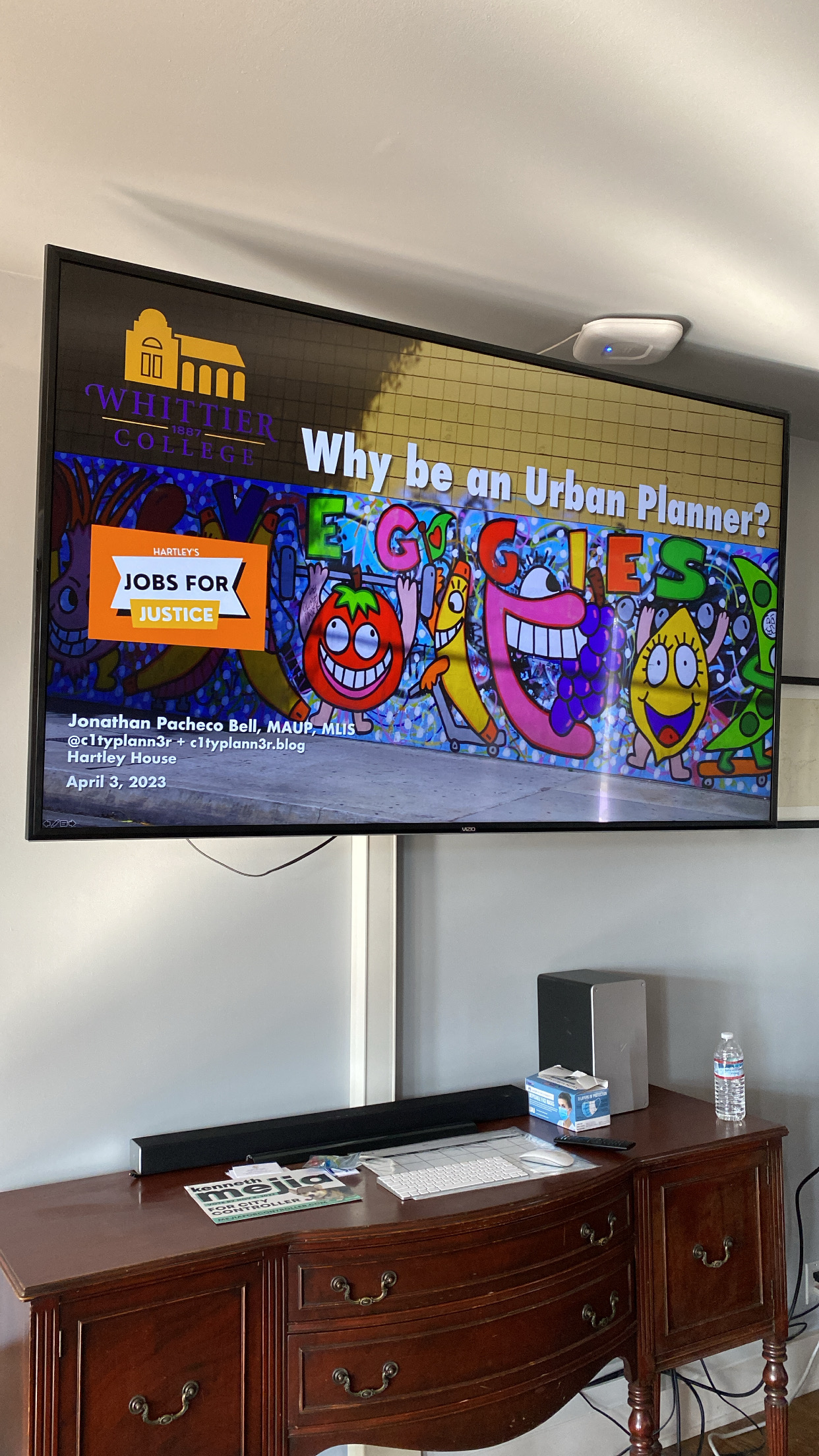
I appreciated speaking at Whittier College in the Jobs For Justice series.
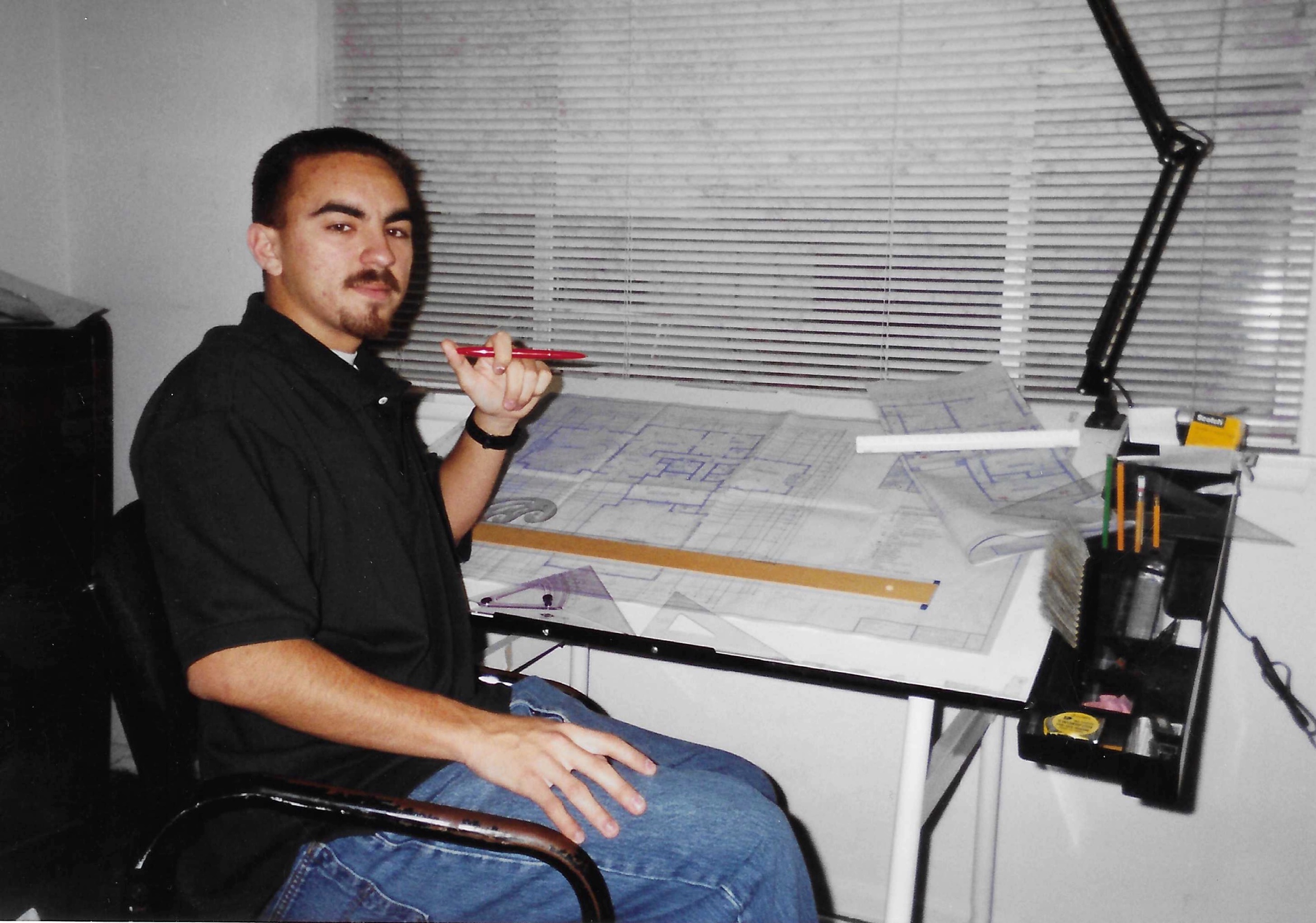
Titled, “Why be an Urban Planner?,” the talk explored my route to planning through hip hop, graffiti, and architecture; what urban planning is; careers in public, private, nonprofit planning & allied fields; and my thesis that the future of planning is #EmbeddedPlanning praxis.
Shout out to Dr. Rebecca Overmeyer-Velazquez for the invitation.









You must be logged in to post a comment.