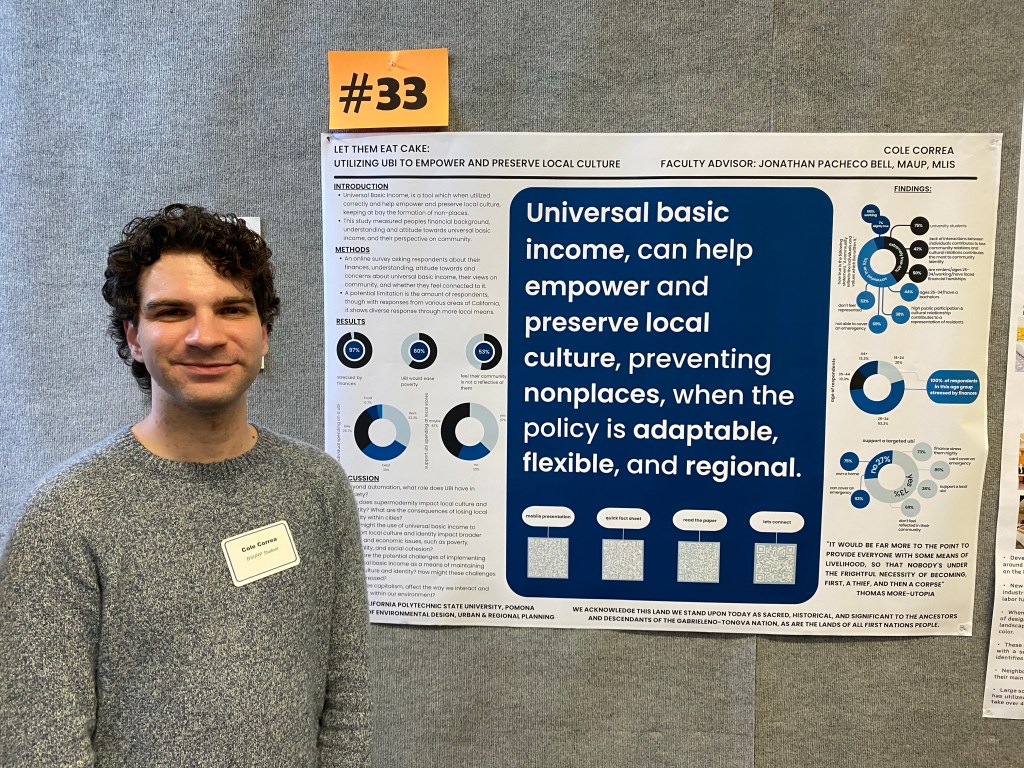
Voices of the Streets: The Lived Experiences of Street Vendors in the Community of Florence-Firestone. By: Sergio Saldana
Celebrating the graduates in my 2023 Senior Projects class at Cal Poly Pomona Department of Urban & Regional Planning. Today we big up this researcher:
Voices of the Streets: The Lived Experiences of Street Vendors in the Community of Florence-Firestone
By: Sergio Saldaña
Abstract: The street vendors in Florence-Firestone, an unincorporated community in Los Angeles County, have been left alone by County entities and enjoyed a certain degree of autonomy. However, this has also led to neglect on the part of the County towards the street vending community. Despite the existence of resources to help street vendors with issues such as rent relief, food, and public safety, the County has failed to address these concerns. Qualitative research in the form of in-person surveys was conducted with street vendors and sheds light on this community’s lived experiences. While street vendors appreciate the County’s hands-off approach, the lack of attention from the County has resulted in many problems for street vendors. Many of them struggle to make ends meet and need assistance. They also face public safety concerns, such as the risk of theft or harassment while working on the street.
Based on interview data from street vendors in Florence-Firestone, the County should take a more proactive role in addressing the concerns of the street vendors. The data derived from this study can play an essential part in helping County officials understand the needs and desires of street vendors by knowing their struggles. To give insight into challenges faced by street vendors as well as areas where they may require additional support, County officials can create an actionable plan to support street vending activity more effectively in future. This data can be used to assist officials with addressing regulatory issues preventing street vendors from succeeding. Officials can take measures such as providing education and guidance on compliance or revising regulations to be more vendor friendly. In the culmination of this paper, it is recommended that the County update the Florence-Firestone Community Plan with a new section addressing the concerns of street vendors and direct them towards available resources that may help.
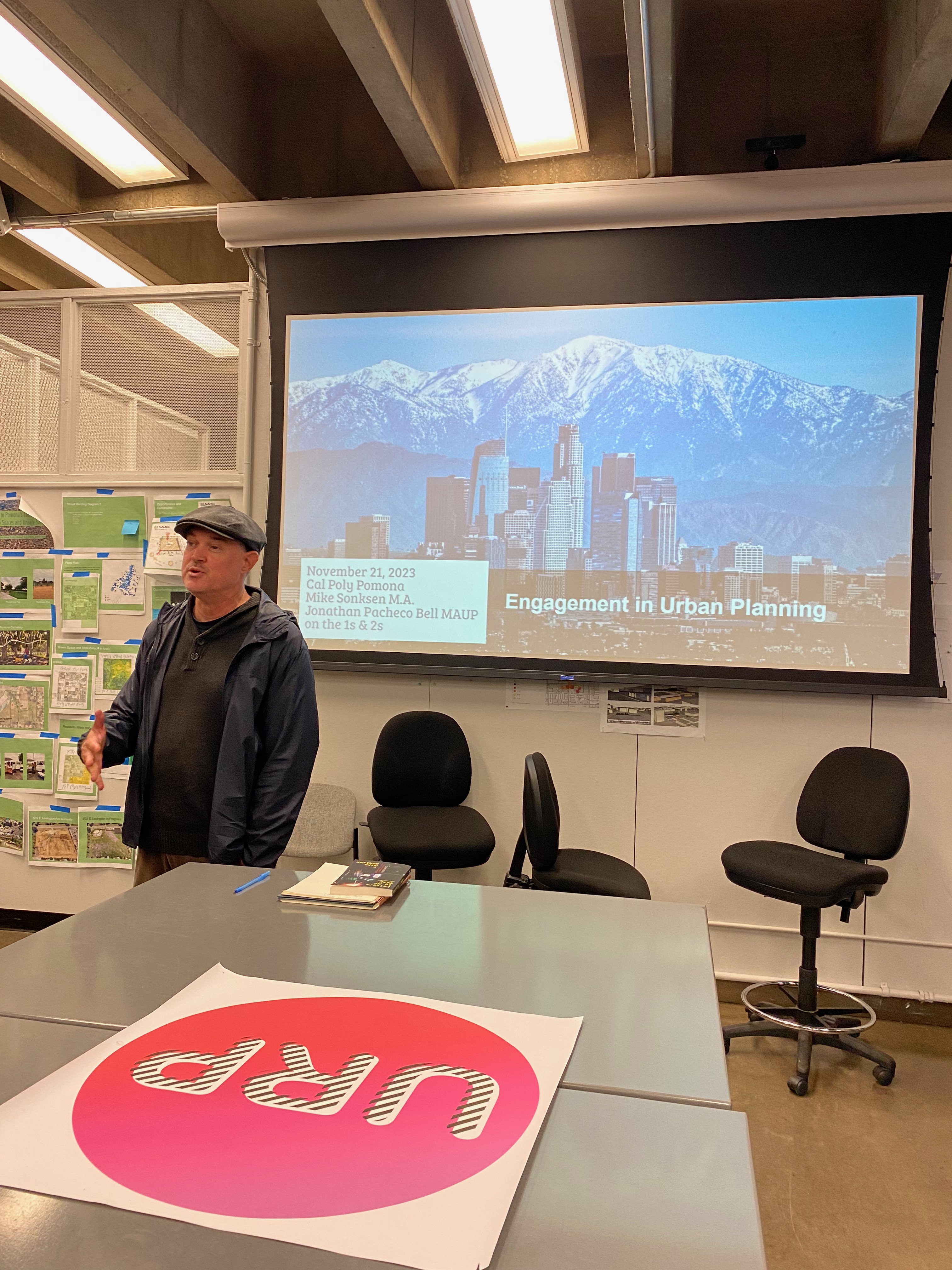
Researcher presenting at the 2023 Cal Poly Pomona Urban & Regional Planning Senior Projects Day. Photo: Jonathan Pacheco Bell
Originally written in 2004 in my first year at UCLA Urban Planning, unearthed in my mom’s garage in Montebello in 2019, edited in Pasadena and poolside in Las Vegas in June 2022 and June 2023, final edits in Pasadena in July 2023, and now published as the first entry in my overdue Student Papers Archive series on Medium:
“What’s Theory Got to Do With It? An Examination of the Utility of Planning Theory in Planning Practice.”
Female Perceptions of Parking Safety at the First/Last Mile: An Analysis of Cal Poly Pomona. By: Nikole J. Sanchez & Jaden R. Oloresisimo
Celebrating the graduates in my 2023 Senior Projects class at Cal Poly Pomona Department of Urban & Regional Planning. Today we big up this team:
Female Perceptions of Parking Safety at the First/Last Mile: An Analysis of Cal Poly Pomona
By: Nikole J. Sanchez & Jaden R. Oloresisimo
Abstract: This research studies women’s perspective of safety by analyzing women’s fear of victimization at the first/last mile. The first/last mile refers to the very first and last distance of a traveler’s journey such as an automobile driver’s distance from their car to their building and their building back to their car. Research has found that women endure greater fear of victimization than men at the first/last mile due to varying levels of vulnerability, the continuity of violence, and perceived risk caused by the physical conditions of transportation infrastructure. The greater opportunity there is for hidden danger, the greater the perception of lack of safety, the perception of vulnerability, and the fear of victimization.
This research focuses on learning and engaging with women’s perceptions of safety (compared to men’s) in college campus parking. Using Cal Poly Pomona as a case study, this research follows a quantitative methodology through surveys addressing physical and non-physical variables known to impact women’s fear of victimization. The overall goal of this research is to recognize which variables are most impactful to women’s fear of victimization and to create women-endorsed solutions that negate women’s fear.
Research team presenting at the 2023 Cal Poly Pomona Urban & Regional Planning Senior Projects Day. Photo: Jonathan Pacheco Bell
At the APA California Conference in Fresno, I spoke in the session “A Community Driven Vision and Plan.” I discussed how #EmbeddedPlanning helped the Del Amo Action Committee develop its own bottom-up Vision Plan for unincorporated West Carson, an #EnvironmentalJustice community in Los Angeles County.
Summary: The Del Amo Community Vision Plan is a remarkable document. This is a project of the Del Amo Action Committee (DAAC) with initial funding by the Rose Foundation, Center for Health, Environment and Justice and California Environmental Protection Agency. It was entirely community led.
Input was gathered from community residents and agency partners over the course of 20 months with the hope that the efforts would set this vision into motion.
The Community Vision Plan was documented with hard work and endless meetings of the community core group members (Bruce Bansen, DAAC Youth Volunteers, Don and Mary Garstang, Jan Kalani, Margaret Manning, Cynthia Medina, Savannah Medina, Rosa and Mary Vega, and University of Dominguez Hills Interns, DAAC staff and board members: Cynthia Babich, Brenda Bibee, Florence Gharibian, Jan Kalani and Lydia Valdez).
All planners can learn from this community-driven effort.
Speakers: ➖Cynthia Babich, Del Amo Action Committee ➖Andrew Flores, AICP, LA County Department of Regional Planning ➖Jonathan Pacheco Bell, 4LEAF, Inc. ➖Christian Mendez, Kearns & West
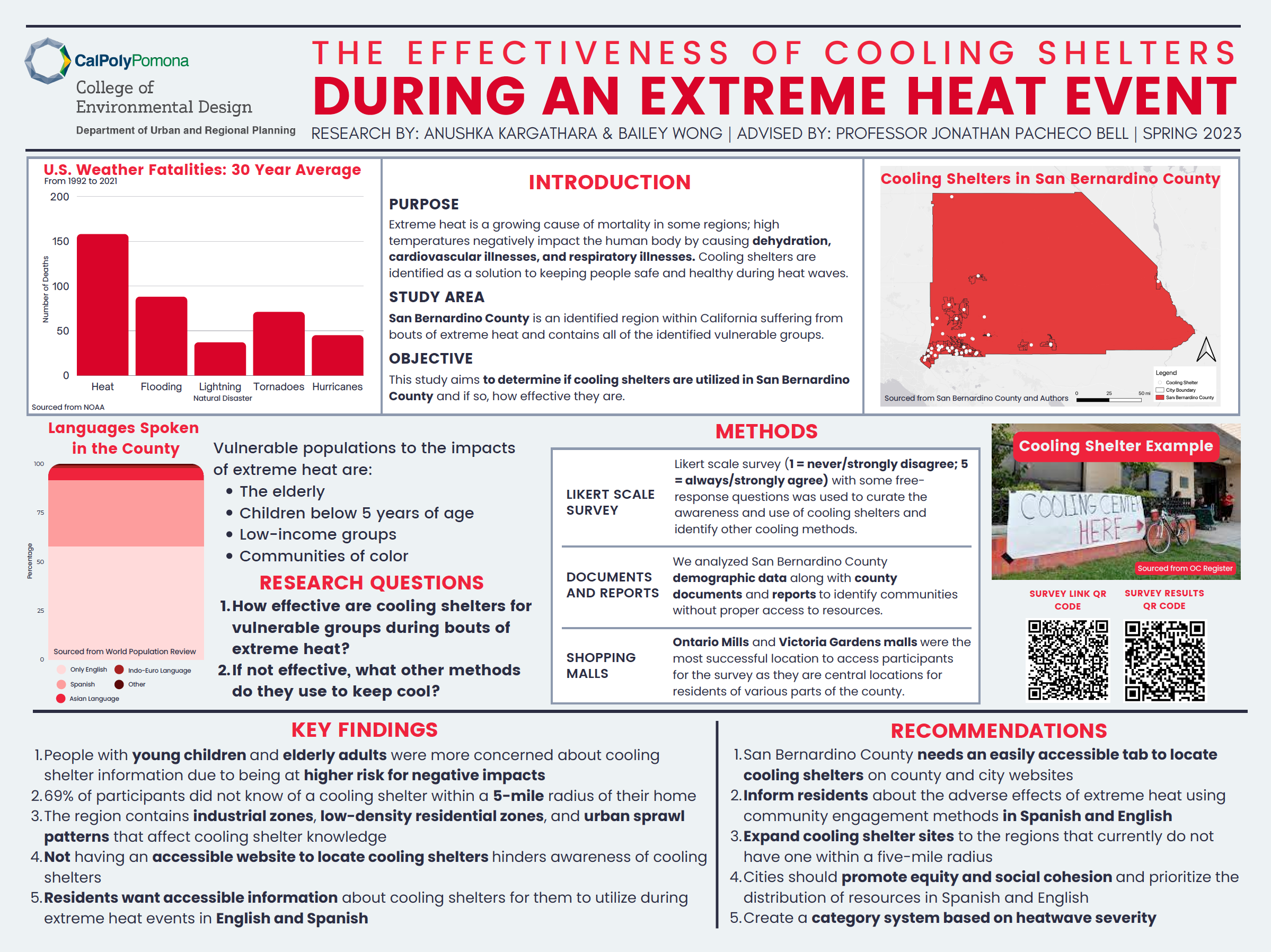
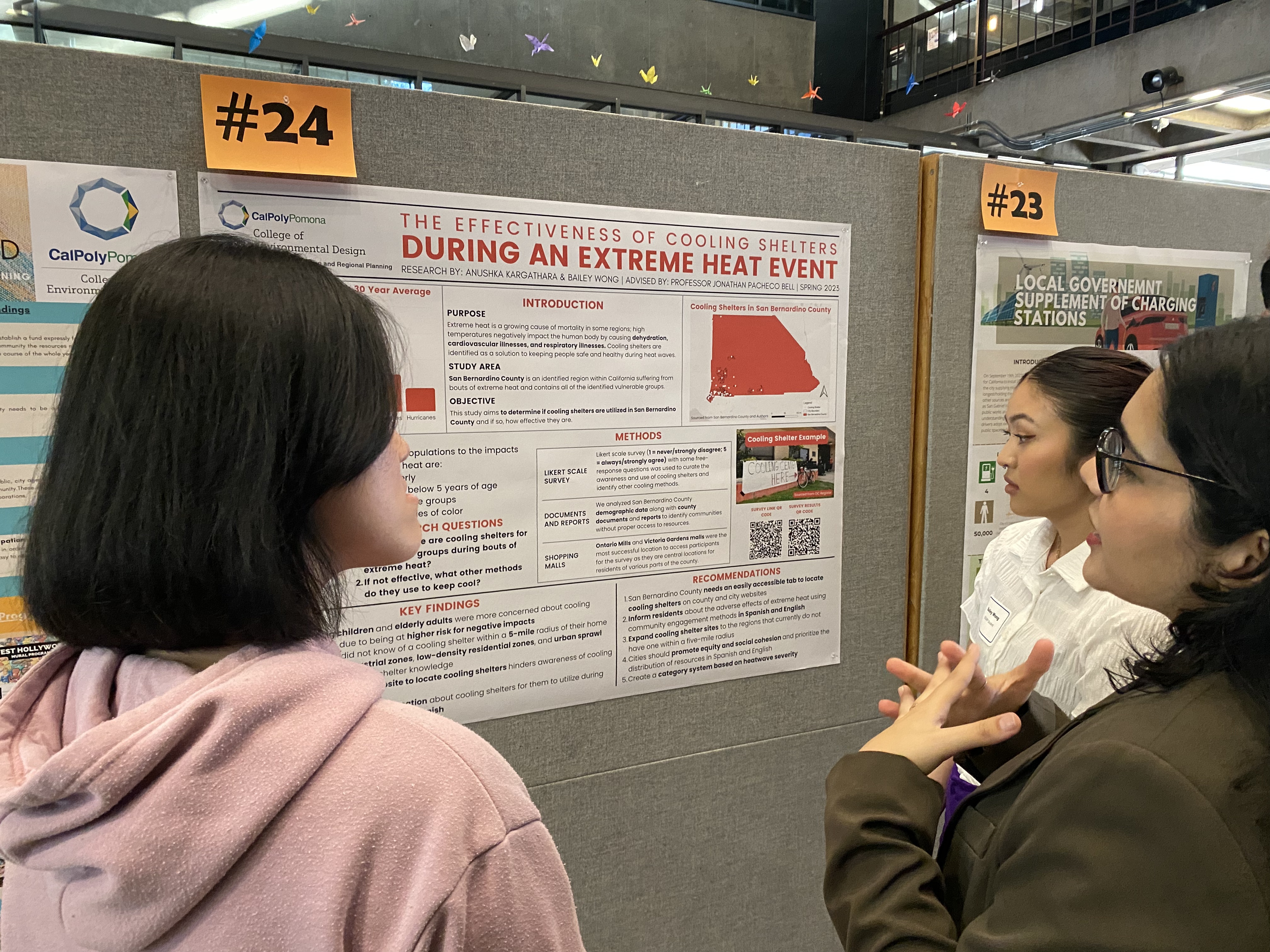
The Effectiveness of Cooling Shelters During an Extreme Heat Event. By: Anushka Kargathara & Bailey Wong
Celebrating the graduates in my 2023 Senior Projects class at Cal Poly Pomona Department of Urban & Regional Planning 🎉 Today we big up this team:
The Effectiveness of Cooling Shelters During an Extreme Heat Event (Winner of the First Place Award 🥇 for Senior Project Poster!)
By: Anushka Kargathara & Bailey Wong
Abstract: Extreme heat is one of the growing causes of mortality in the nation with temperatures surpassing 120˚F. Extreme heat (temperatures above 90 degrees Fahrenheit and 32 degrees Celsius) links an inequitable distribution of heat resources. During hot summer months, specifically June through August, heat negatively affects lower-income and communities of color and causes fatigue, dehydration, and respiratory illnesses due to environmental changes in air quality.
This research aims to analyze how heat impacts vulnerable populations in San Bernardino County, California, that do not have access to proper cooling methods, and what methods, if any, they use to keep cool. Knowledge of cooling shelters was tested through voluntary survey participation at San Bernardino County shopping malls to help local city governments broaden cooling shelter resources and gauge residential knowledge about their existence. Data collected showed an urgent need for improvement in the accessibility and promotion of local resources and equitable distribution focusing on lower-income communities.
Currently, resources are not readily available to residents and need to be accessible in both English and Spanish to ensure health communication equity to all population groups in San Bernardino County. Creating heat intensity awareness to prepare cities and planners to dispense correct and adequate resources is recommended to promote social cohesion and resident well-being during bouts of extreme heat.
Research team presenting at the 2023 Cal Poly Pomona Urban & Regional Planning Senior Projects Day. Photo: Jonathan Pacheco Bell
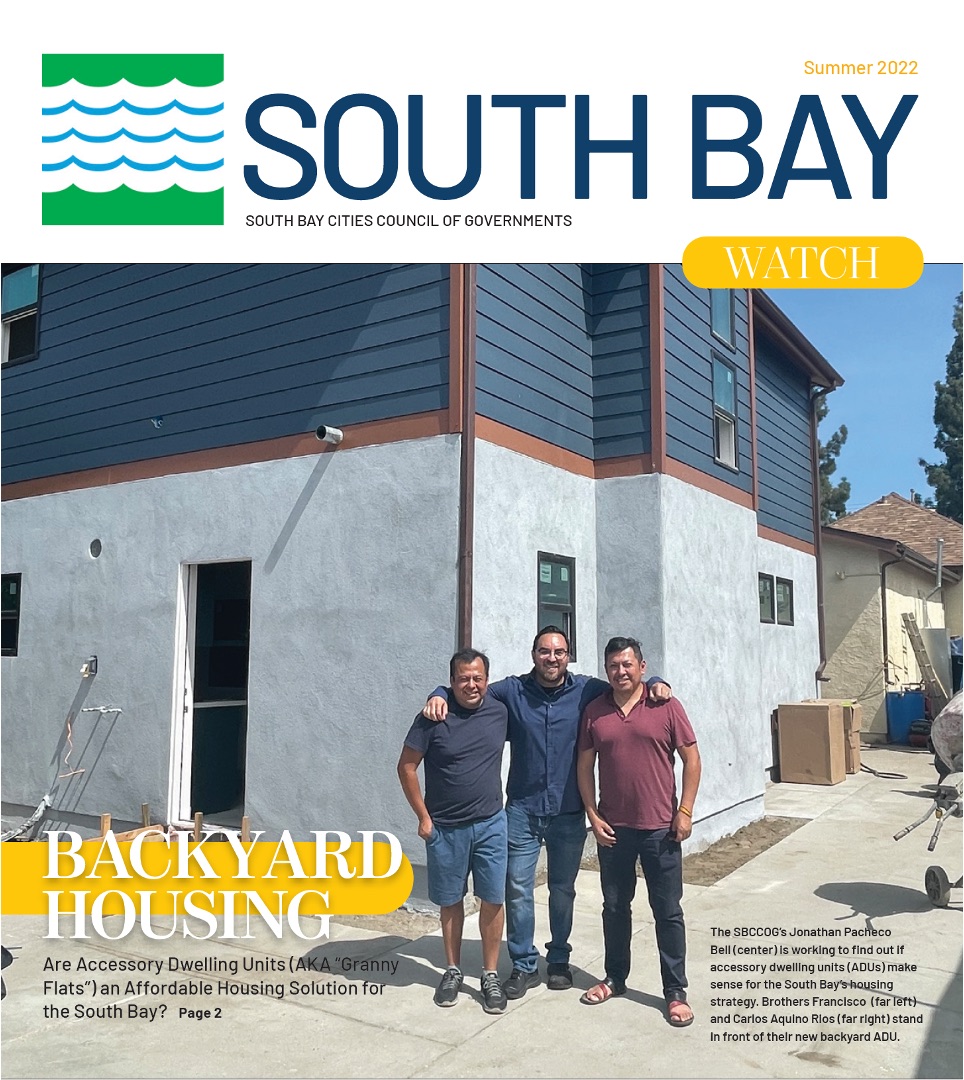
My last day at the South Bay Cities Council of Governments is August 31st. I’ll miss working with this team of passionate, tenacious change agents.
This has been a space to hone my Advocacy Planning practice. I led state funded housing acceleration projects under REAP 1.0, secured grants for housing implementation under REAP 2.0, and built the COG’s regional planner program to support local planning departments. Most importantly though, I applied Embedded Planning methods to strengthen subregional community partnerships.
A highlight of my work was uplifting the need for backyard housing — an intentional effort after doing housing enforcement for over a decade.
Last year, I reached out on Instagram asking if anyone had an Accessory Dwelling Unit we could visit for a story on our ADU Acceleration REAP 1.0 project. Mr. Francisco Aquino Rios responded. He allowed us to spotlight his family’s newly built two-story ADU in South Central LA. The lived experience of the Aquino Rios Family informed our decision to make this the cover story. Thank you!
I appreciate the opportunity to grow with a strong team at the COG. They inspire me.
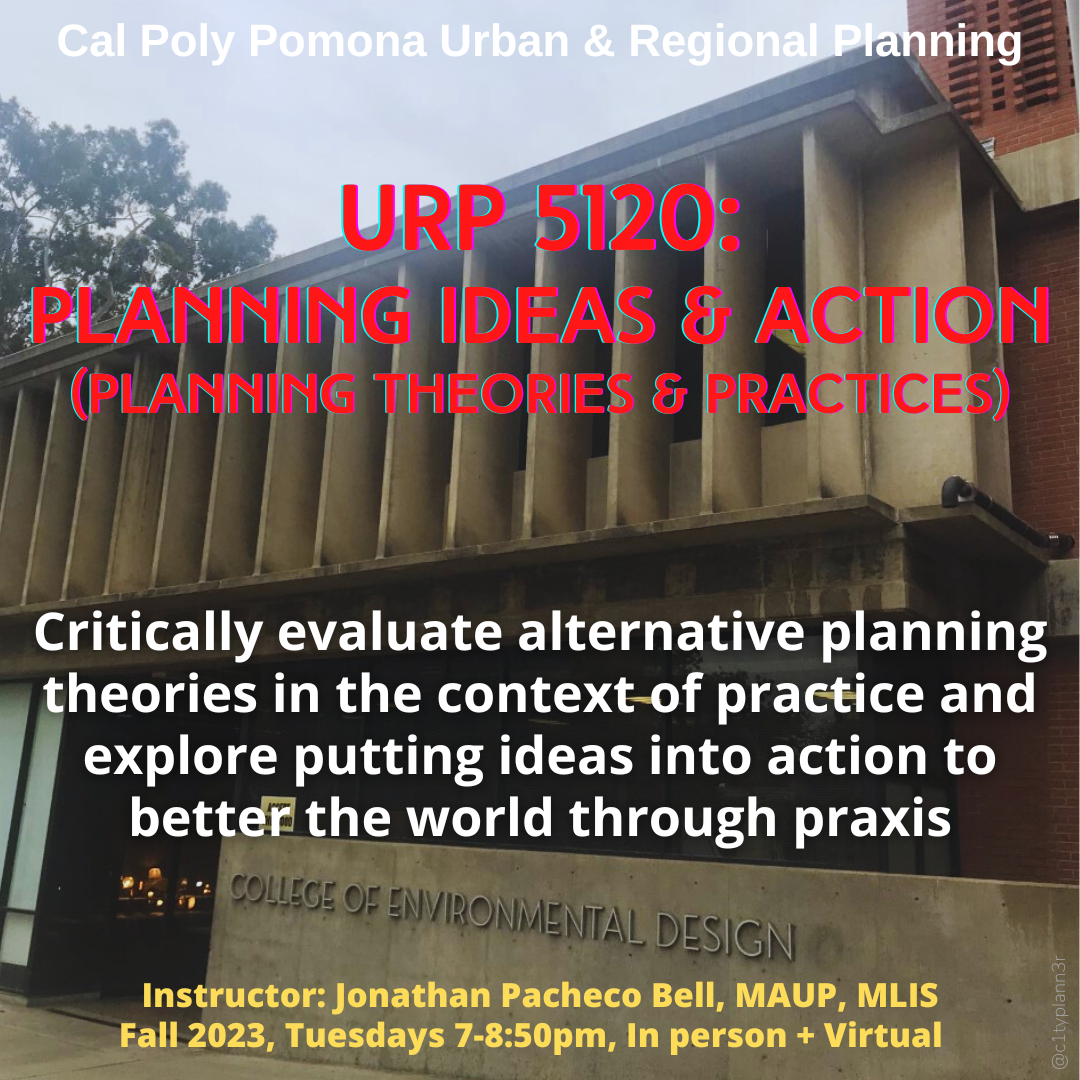
My upcoming first semester MURP course at Cal Poly Pomona College of Environmental Design 📍
URP 5120: Planning Ideas and Action, aka Planning Theories and Practices
Course Description: There are competing views about what planning is and what processes planners should use to carry out their work, including arguments for technocratic, communicative, advocacy, and radical approaches. These views stem from differing understandings in philosophy, political economy, and justice. The course asks you to learn about and critically evaluate alternative planning approaches in the context of planning practice. You will be challenged to explore how to put complex ideas into action as part of planning #praxis – putting theories into practice to better the world. By the end of the course, you should be able to recommend planning processes that are appropriate to a given planning problem. You should also be able to articulate the relationship of your recommendations to your own values and those of the profession. Fundamentally, the course is about how to plan. We emphasize processes by which planners can add reason and judgment to planning “messes,” recognizing the rarity of well-defined, purely technical problems.
Cal Poly Pomona Communications is recording a short video about my creation ofEmbedded Planning praxis. Students and community members are invited to join! It’s in South Central LA’s Florence-Firestone community, where this street-level praxis was born.
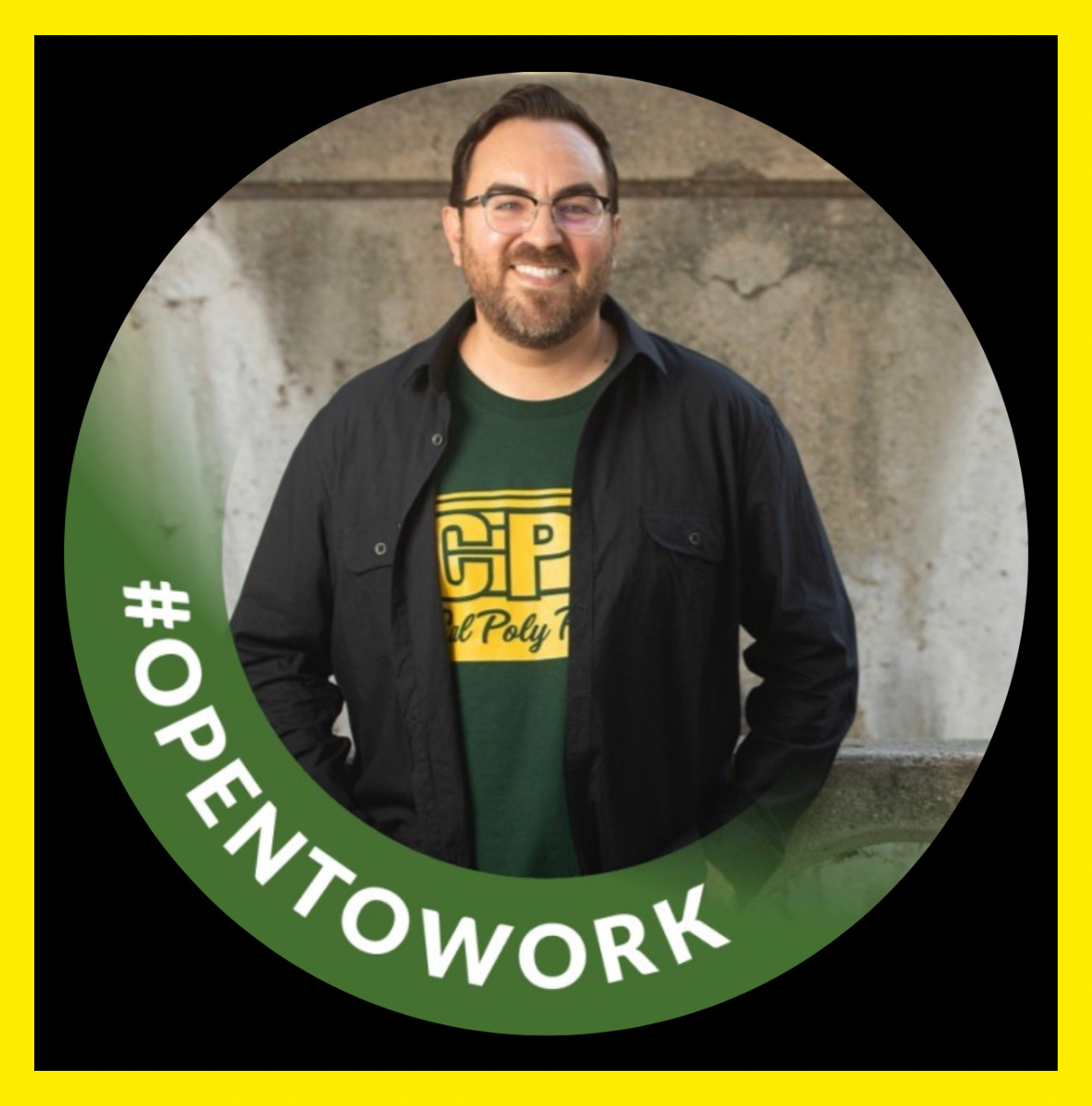
This month marks a new chapter of professional growth. It’s time. I’m #OpenToWork.
With two decades of land use experience, I’m seeking new opportunities to improve communities including: urban planner, senior planner, housing planner, community engagement planner; code compliance or housing inspector; lecturer or adjunct faculty in planning and allied fields; and other similar roles. I’m seeking a collaborative space that prioritizes innovation, service, and people. I’m seeking work that values partnerships and community.
If your organization offers this role, let’s talk!
Support, connections, referrals, and opportunities are indeed appreciated.
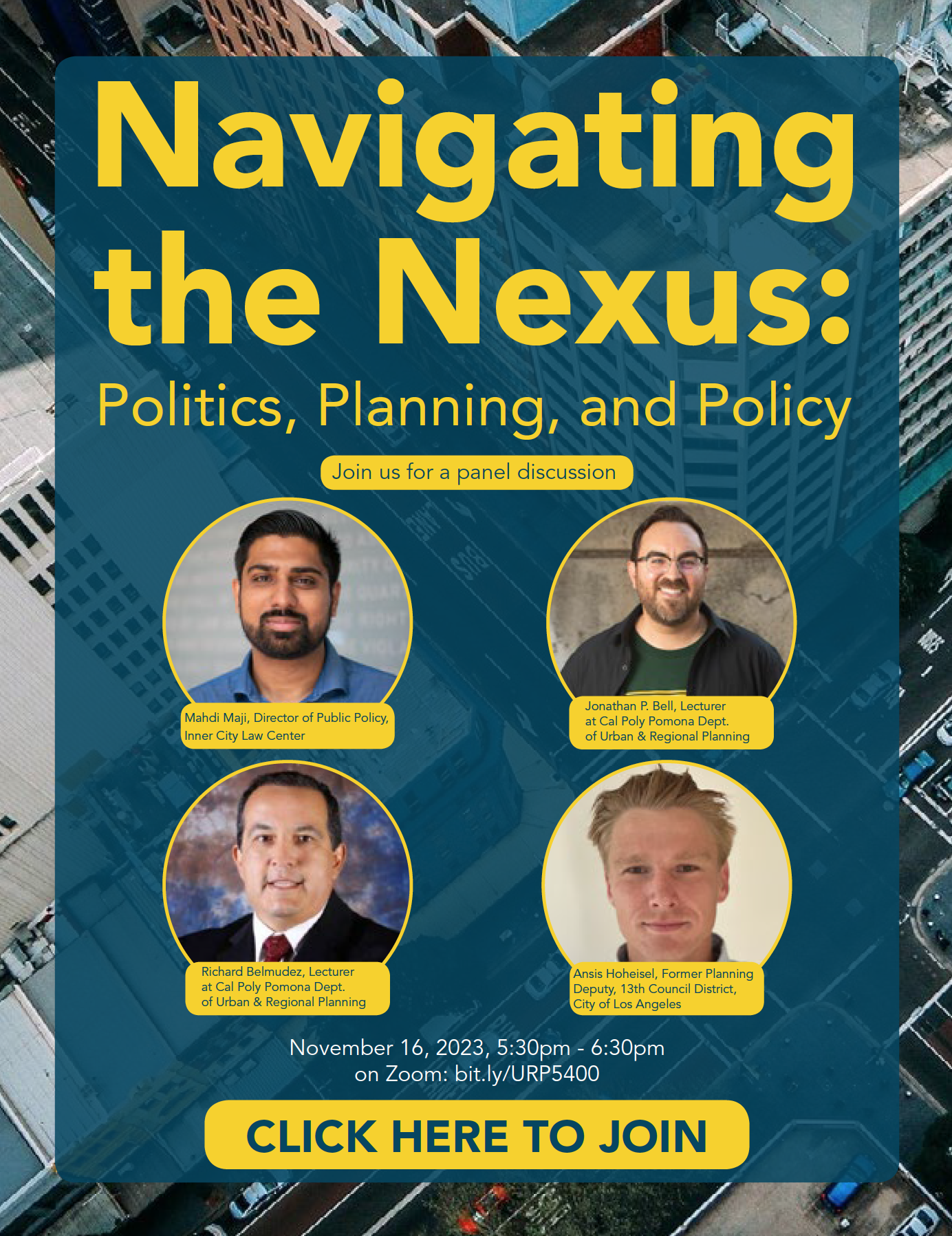
Join me and APA Los Angeles Young & Emerging Planners on July 14th at 12pm Pacific to learn about Embedded Planning praxis in the contexts of planning education and practice.
In partnership with the Urban Studies Student Association, I’m doing the talk “Embedded Planning is Worth The Struggle” at UC Irvine on June 1, 2023 at 5pm. Attend in person or throughZoom.
Session Description:
Planning is political. Decisions about the built environment inherently impact people’s lives. Everything planners do involves a struggle over “who gets what, when, where, how, and why?” Planners respond to this debate but many of our practices have resulted in unjust planning.
In this time of increasing interrogation of planning’s legacies of inequity, planners are moving with intention to be better partners. As part of repair and healing, planners are seeking more ways to build meaningful community partnerships. No longer is technocratic rational planning the default. But while the pivot to participatory methods helped democratize the planning process, professional practice still prefers project-based, one-off, transactional engagement.
Orthodox planning must evolve.
A better way is possible.
Los Angeles-based urban planner Jonathan Pacheco Bell urges practitioners to consider Embedded Planning praxis. Developed by Bell on the ground in South Central LA, Embedded Planning is a way to fundamentally restructure community engagement & practice. Embedded Planning means planning from the street, not from a desk. Embedded Planners work in the spaces & places of community members, building bridges with marginalized communities harmed by inequitable planning. Embedded Planning is a praxis that puts theory into action to better this world. Since Bell declared Embedded Planning exists in 2018, it has grown into an international movement among emerging planners. Bell will show how Embedded Planning is being used to transform engagement into lasting community partnerships rooted in trust.
Community members have embraced Embedded Planning because they feel seen and included. Yet despite the praxis bringing ignored voices to the table, Bell encountered blatant hostility from planning figureheads who judged Embedded Planning as “too political.” Through storytelling and personal reflection, Bell will illustrate the struggle to carry out Embedded Planning in the face of power. Attendees will learn the challenges and benefits of this unorthodox approach and understand why this praxis is the future of planning.
I appreciated speaking at Whittier College in the Jobs For Justice series.
Titled, “Why be an Urban Planner?,” the talk explored my route to planning through hip hop, graffiti, and architecture; what urban planning is; careers in public, private, nonprofit planning & allied fields; and my thesis that the future of planning is #EmbeddedPlanning praxis.
Shout out to Dr. Rebecca Overmeyer-Velazquez for the invitation.
You must be logged in to post a comment.