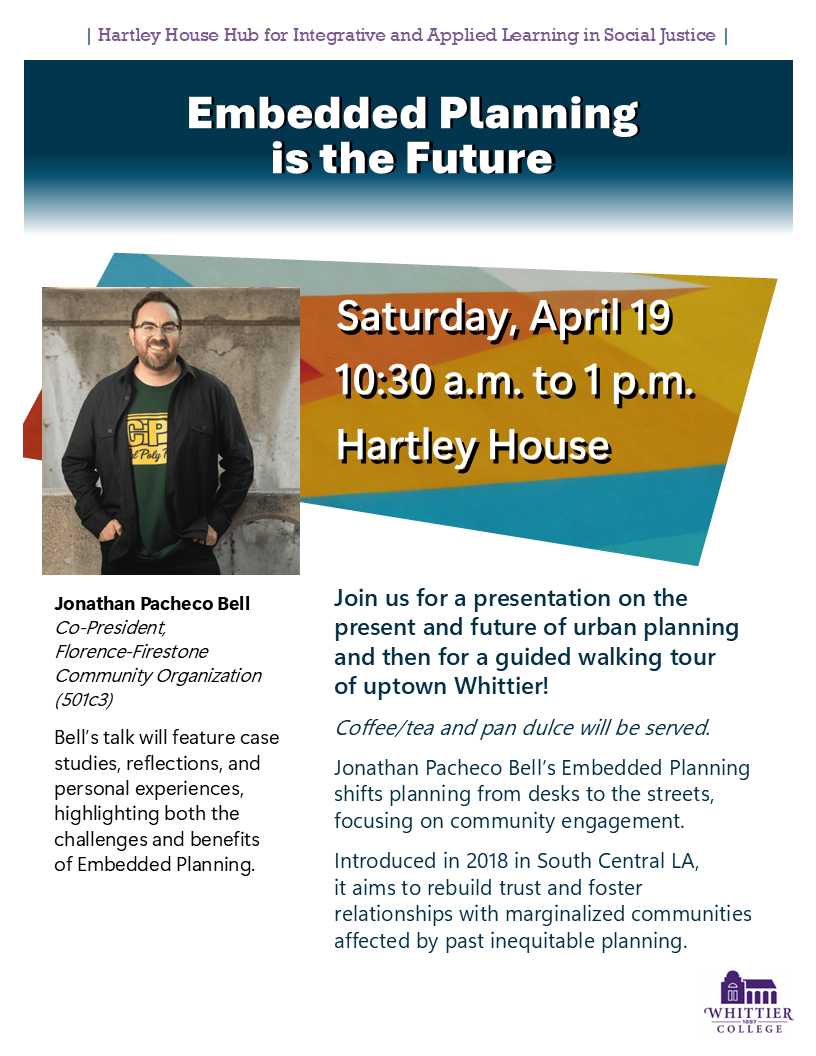
Join us at Whittier College Hartley House for “Embedded Planning is the Future,” a public talk on the present and future of street-level planning, followed by a feet on the street walking tour of Uptown Whittier.
Embedded Planning shifts the planner’s work from a desk to the streets. Created in the Florence-Firestone community in South Central LA, this praxis aims to rebuild trust and foster meaningful relationships with marginalized communities harmed by inequitable planning.
The talk features case studies, reflections, and personal experiences highlighting both the challenges and benefits of Embedded Planning in these times.
Coffee, tea, and pan dulce will be served. OUR EVENT IS FREE TO ALL.
When: Saturday, April 19, 2025, 10:30am to 1pm Where: Hartley House, Whittier College, 13741 Earlham Drive, Whittier, CA 90602
Thanks to Whittier College Hartley House Hub for Integrative and Applied Learning in Social Justice for event support!
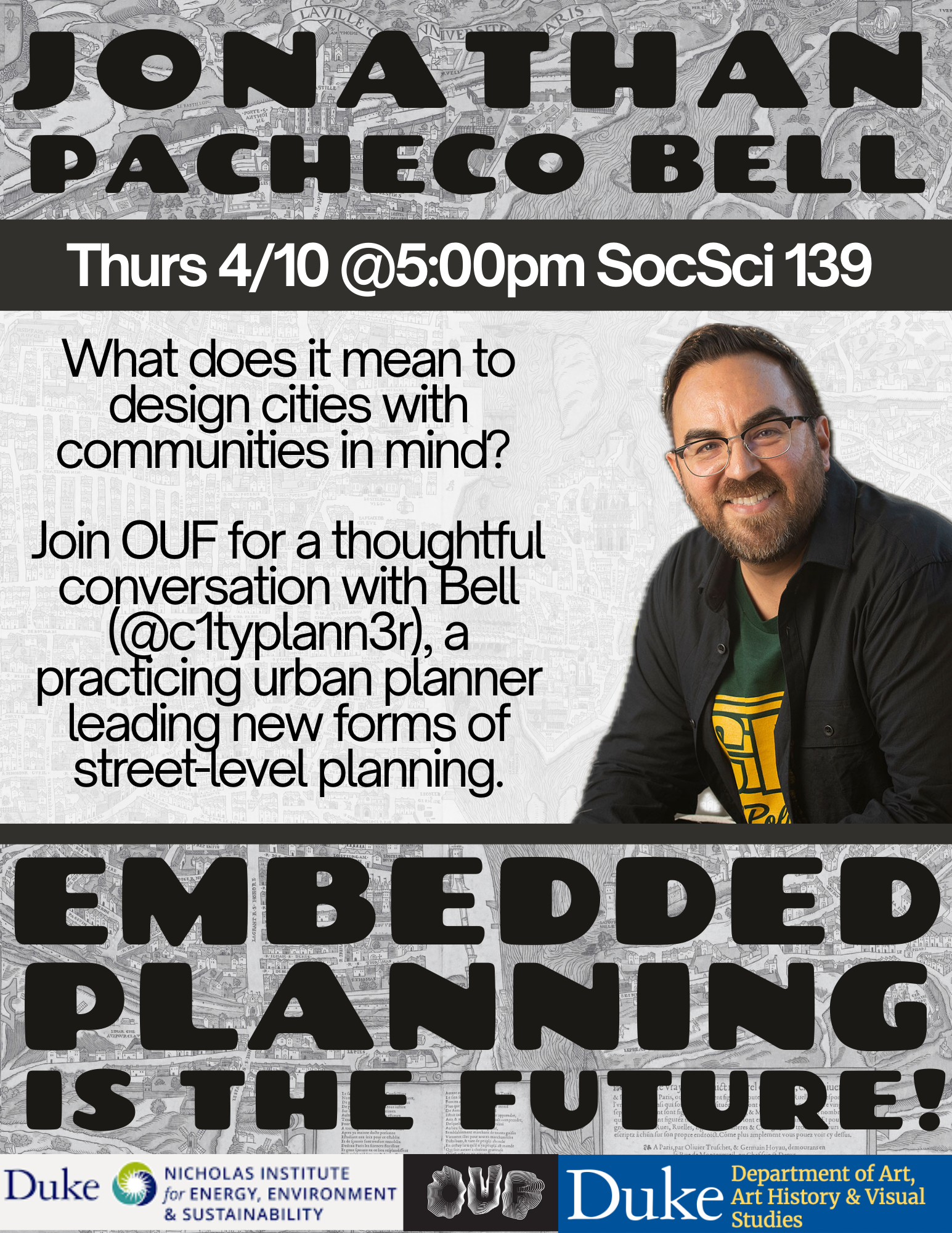
Infographic courtesy of Duke’s undergraduate student group, Our Urban Future
On April 10th, I’m at Duke University with Our Urban Future for the invited public talk, “Embedded Planning is the Future.” I consider this Chapter 3 in the Embedded Planning speaking series. We’ll discuss Embedded Planning’s trajectory — including origins, challenges, and benefits — and examine why this praxis is the future of planning.
Photo: (from left) Jonathan Pacheco Bell and Steve Quinonez of FFCO with Matthew Shore of South Bronx Unite on a community walk in Florence-Firestone, April 28, 2024.
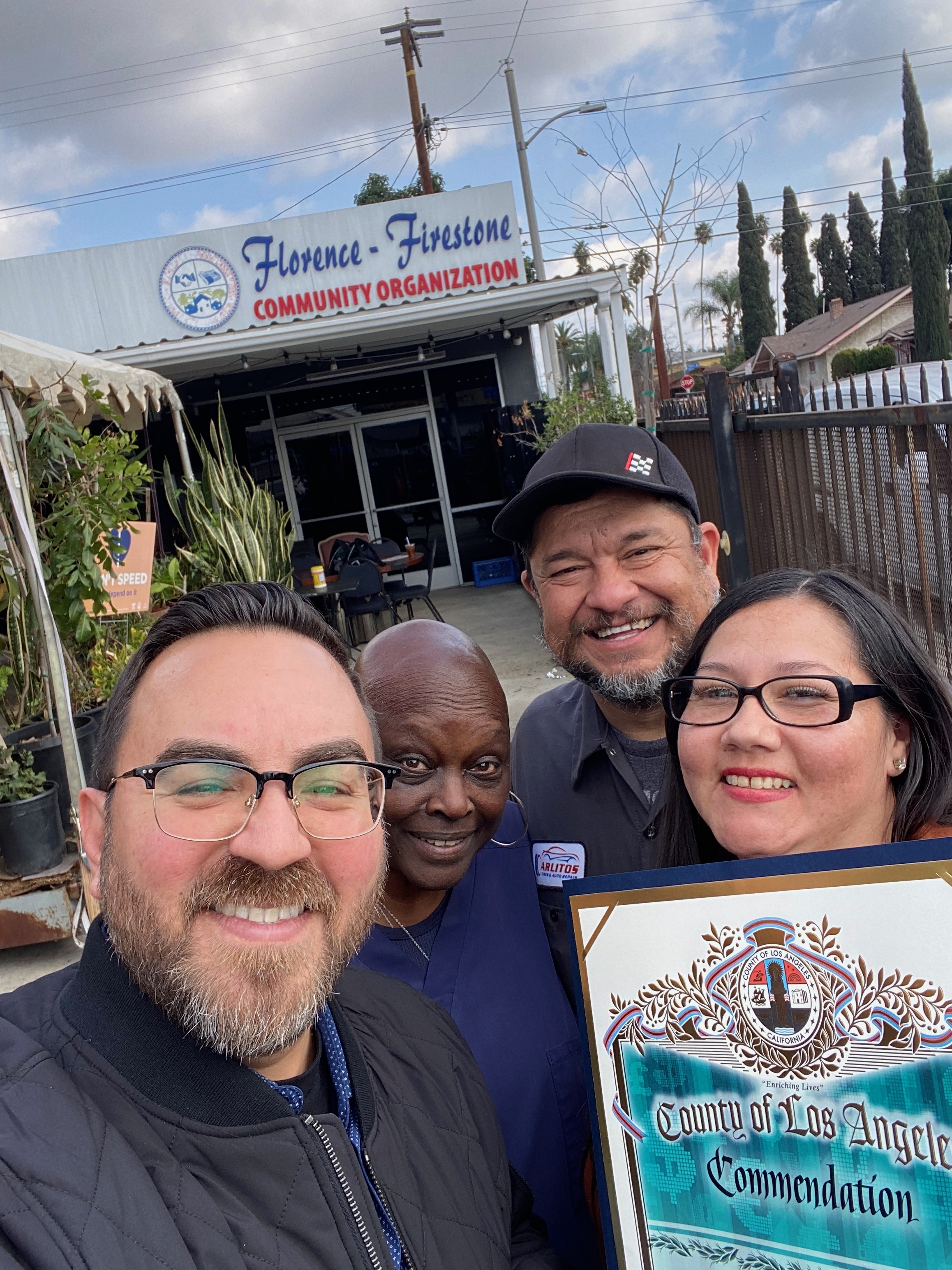
Following our 2025 Board election, I’ve humbly stepped into my new role as Co-President of the Florence-Firestone Community Organization (FFCO). This leadership restructuring creates a more balanced distribution of president duties while providing our tireless founder and inaugural Board President, Steve Quinonez, with needed flexibility.
In our new arrangement:
Steve continues overseeing daily operations, events, fundraisers, and facility management
I’m serving as leadership contact for county and state officials, project partners and community, with special focus on capacity building and grants development
FFCO remains an all-volunteer Board, supported by a dedicated part-time analyst and many passionate volunteers who serve because of our deep love for the Florence-Firestone community.
Interested in our food distributions, community walks, placemaking events, programs, or funded outreach? Hit me up or visit our facility at 6940 Compton Avenue, Los Angeles, CA 90001.
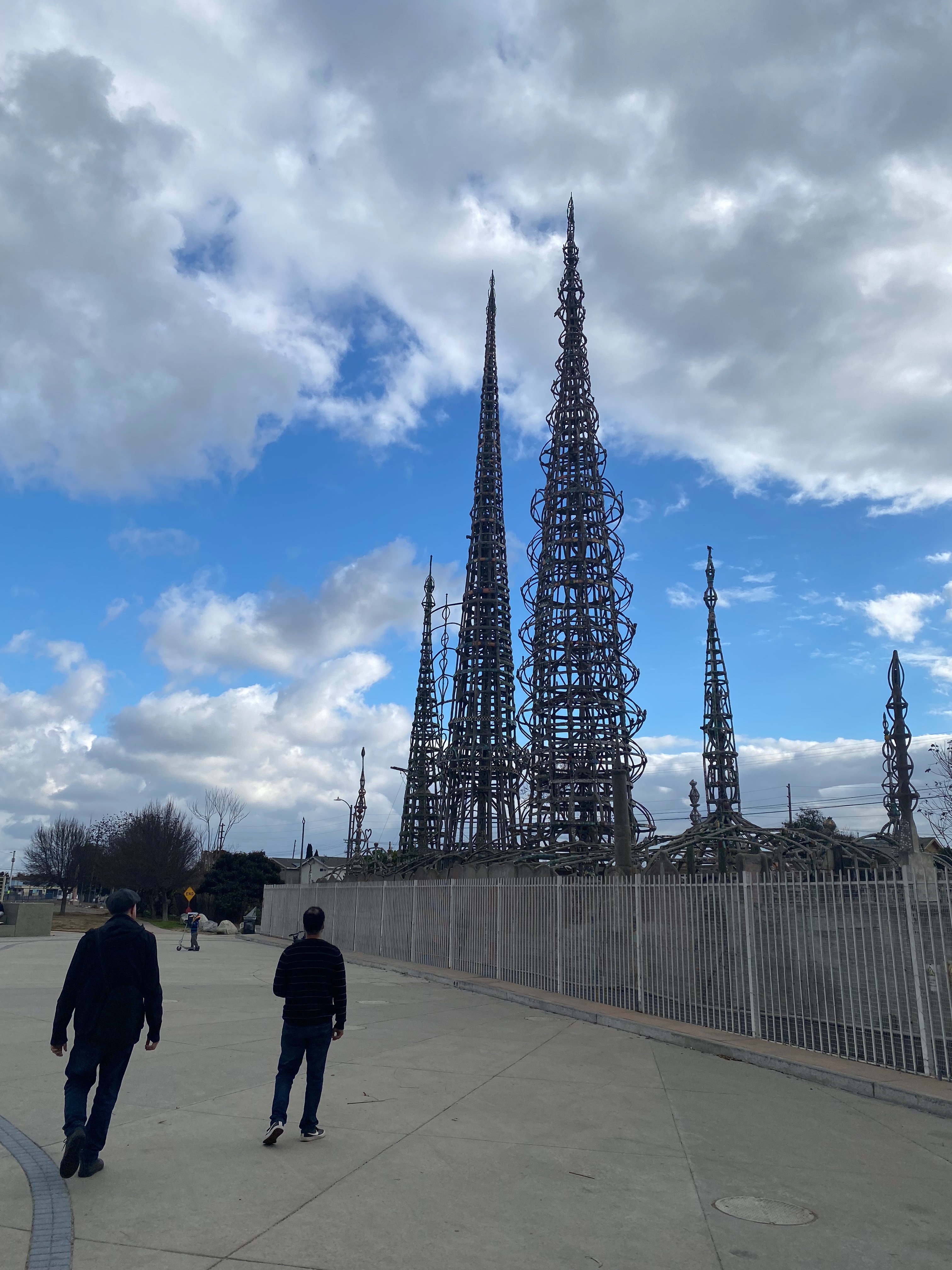
I led a driving tour of Florence-Firestone and Watts for Jacob, Terry, and Mike The Poet. Jacob is doing a master’s in urban planning at USC Price. His dad, Terry, is a therapist who’s worked in Watts. Mike linked us up. Everyone learned about the birth of Embedded Planning praxis in Florence-Firestone.
There’s a Mike Norice mural outside the new Starbucks at Century & Alameda. A portion reads: 65, 92, 20.
65 = 1965 Watts Uprising
92 = 1992 LA Uprising
20 = 2020 George Floyd Uprisings
Mural by Mike NoriceMike and Terry at the Watts Towers
Cal Poly Pomona MURP students on a community walk in Florence-Firestone, September 7, 2024. Photo: Richard Belmudez
In Spring 2025, the Florence-Firestone Community Organization (FFCO) — where I proudly serve as Co-President — is partnering with Scripps and Pitzer colleges to integrate the Florence-Firestone neighborhood into these Environmental Analysis courses:
EA 086 SC: Environmental Justice (Scripps College)
MS 090: Ecodocumentary (Pitzer College)
Building on our past efforts, FFCO will host walking tours and discussions, conduct in-class guest lectures, and provide readings and resources to learn about our Florence-Firestone community in South Central LA.
Local news coverage of Florence-Firestone lamentably focuses on social ills. While the community endures challenges and struggles, there is more to it than the clickbait headlines. Our decades-long community-driven work proves it. The creation of Embedded Planning in Florence-Firestone, now a worldwide movement, proves it. The birth of FFCO as a community advocacy voice during COVID proves it. Florence-Firestone is a vibrant and historic community. Students will experience it.
Below is a variety of key resources on Florence-Firestone. I am proud to have worked on nearly all of these projects. These help reframe the narrative about our community. They tell a fuller story of partnerships, solidarity, and hope.
Florence-Firestone Community Organization Latin Labic & Expo Kermesse:
Florence-Firestone Community Organization and SELA Collaborative interview, including Embedded Planning origins in Florence-Firestone (starts at 5:25 min mark):
How a Tire Shop in South L.A. Became a Community Hub for Locals:
In 2024, what began in Florence-Firestone transformed into an international movement. Embedded Planning won.
When I started this praxis in South Central LA, some planning figureheads viewed street-level planning work with skepticism. Today, planning organizations are implementing Embedded Planning praxis as official policy. The City of Fort Wayne didn’t just adopt our approach — they embraced it fully, showing what’s possible when management supports planners working directly from community spaces.
This year validated what our community knew all along: We Cannot Plan From Our Desks.
Key transformations: • Fort Wayne’s formal implementation of Embedded Planning with full institutional support • Florence-Firestone Community Organization’s expansion of street-level programs • FFCO’s Latin Labic + Expo Kermesse bringing creative placemaking to South Central LA • Growing recognition through APA Planning Advocate and Pioneer awards • Cal Poly Pomona Urban and Regional Planning students advancing community-centered research
Looking ahead: As Embedded Planning expands globally in 2025, our focus remains clear — rebuilding trust through street-level planning while keeping our trailblazing work in Florence-Firestone as our north star.
To every planner now embedding themselves in communities, and to every community member who showed us the way: this transformation belongs to all of us. The future of planning isn’t in our offices. It’s on the streets, in the neighborhoods, with the people.
Jonathan Pacheco Bell’s Embedded Planning approach revolutionizes planning practice by emphasizing street-level planning within the community rather than traditional desk-based methods. Developed by Bell in South Central LA and publicly introduced in 2018, this praxis seeks to rebuild trust and foster meaningful relationships with marginalized communities historically harmed by inequitable planning.
Embedded Planning involves planners working directly from community spaces and places, engaging residents in their everyday environments. This immersive approach helps planners gain a deeper understanding of local needs and aspirations, ensuring that community voices significantly shape planning decisions. By embedding themselves into neighborhoods, planners build strong, authentic relationships, moving beyond one-off, transactional, superficial consultations to create lasting and impactful partnerships.
Despite its support from communities, Embedded Planning has faced resistance from conventional planning practice and management, which has viewed this approach with skepticism. Working from the neighborhood to integrate community directly into planning processes challenges traditional methods and requires navigating complex dynamics between stakeholder expectations and regulatory constraints.
Since its inception, Embedded Planning has gained an international following among emerging planners who are eager to implement more inclusive practices. Bell’s talk will highlight real-world case studies, reflections, and personal experiences, while also showcasing the approach’s challenges and benefits. Attendees will learn how Embedded Planning fosters trust, informs better decision-making, and promotes more equitable community development. This emerging movement represents a crucial shift towards centering planning as an active and continuous process from within the community and represents the future of planning.
Jonathan Pacheco Bell is a Senior Embedded Planner at 4LEAF, Inc., Lecturer in Urban & Regional Planning at Cal Poly Pomona, and Vice President/Public Information Officer of the nonprofit Florence-Firestone Community Organization in South Central Los Angeles.
A practicing urban planner with over 20 years of experience spanning the public, private, and nonprofit sectors, Jonathan has expertise in community engagement, participatory design, inclusive public space, long-range plans, zoning enforcement, ordinance development, planning studies, and project management.
During his tenure as a County planner in South Central LA’s Florence-Firestone community, Jonathan created Embedded Planning. This praxis situates the work of planners on the street-level, not behind a desk, to increase equity and participation for historically marginalized populations harmed by inequitable planning. What began in South Central is now an international movement of Embedded Planners with feet on the street. Jonathan has guest lectured widely on Embedded Planning praxis. His speaking engagements include Columbia University, UCLA, Ohio State, University of Utah, Pratt Institute, Stanford Engineering, Woodbury University, and East LA College Architecture; state and national APA Conferences in California, Iowa, and Louisiana; and public forums such as AARP Livable Communities, City Parks Alliance, and the SF Urban Film Fest.
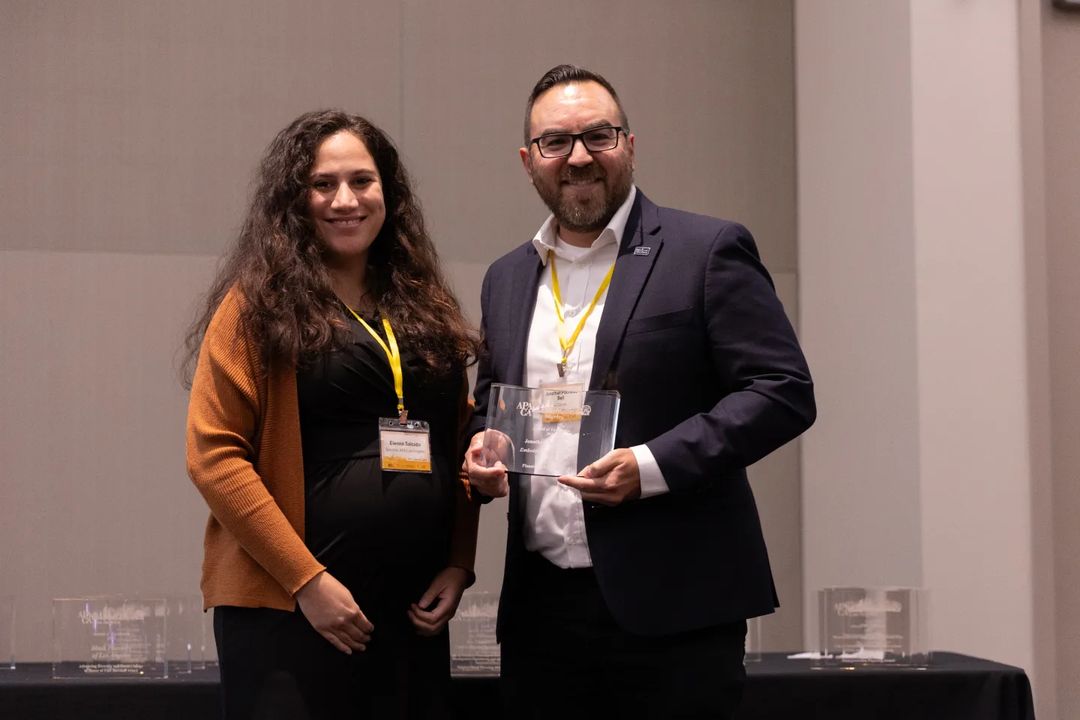
Jonathan has been a leader in the American Planning Association for over a decade. He’s a member of the Latinos and Planning Division and is published in APA’s practitioner magazine, Planning. He previously served as APA Los Angeles Social Media Director and was the Southern California representative on the APA National Social Equity Task Force. This year, Jonathan proudly received the Planning Advocate Award of Excellence from APA Los Angeles and the Planning Pioneer Award of Excellence from APA Inland Empire.
Born and raised in LA’s Latino/a Eastside, Jonathan serves as a mentor to First Gen students and emerging planners. A product of the California public school system from kindergarten to graduate school, he holds an M.A. in Urban Planning from UCLA Luskin School of Public Affairs, and additional degrees in library and information science, political science, and architecture. Connect at c1typlann3r.blog.
Roles of Place Design Between Conventional and Student Housing in South Central Los Angeles. By: Osvaldo Martinez
Celebrating the graduates in my 2024 Senior Project class at Cal Poly Pomona Department of Urban and Regional Planning. Today we uplift this researcher:
Roles of Place Design in Creating a Sense of Community Between Conventional Homes and Student Housing in South Central Los Angeles
By: Osvaldo Martinez
Abstract:
For the last 4 to 5 years, the community around the University of Southern California in South Central LA has experienced an increase in student housing development where conventional, longtime residents live. This development wave not only introduces student housing in new neighborhoods but also implements unprecedented design that strays from existing neighborhood architectural styles and densities. This phenomenon raises the question of how these new forms of student housing affect residents’ perceptions of community identity, and how it affects community interactions with USC students.
Through qualitative research, I interviewed residents about new housing design and social interactions with USC students to understand the role of place design in creating a cohesive community. Residents agreed that the new forms of student housing should align with the community’s existing architectural styles, and that new student housing is being built to profit from the student market. Many residents felt that housing developers were intentional about creating a brand within the neighborhood rather than making developments that contribute to the neighborhood.
Osvaldo presenting at the 2024 Cal Poly Pomona Urban & Regional Planning Senior Projects Day. Photo: Jonathan Pacheco Bell
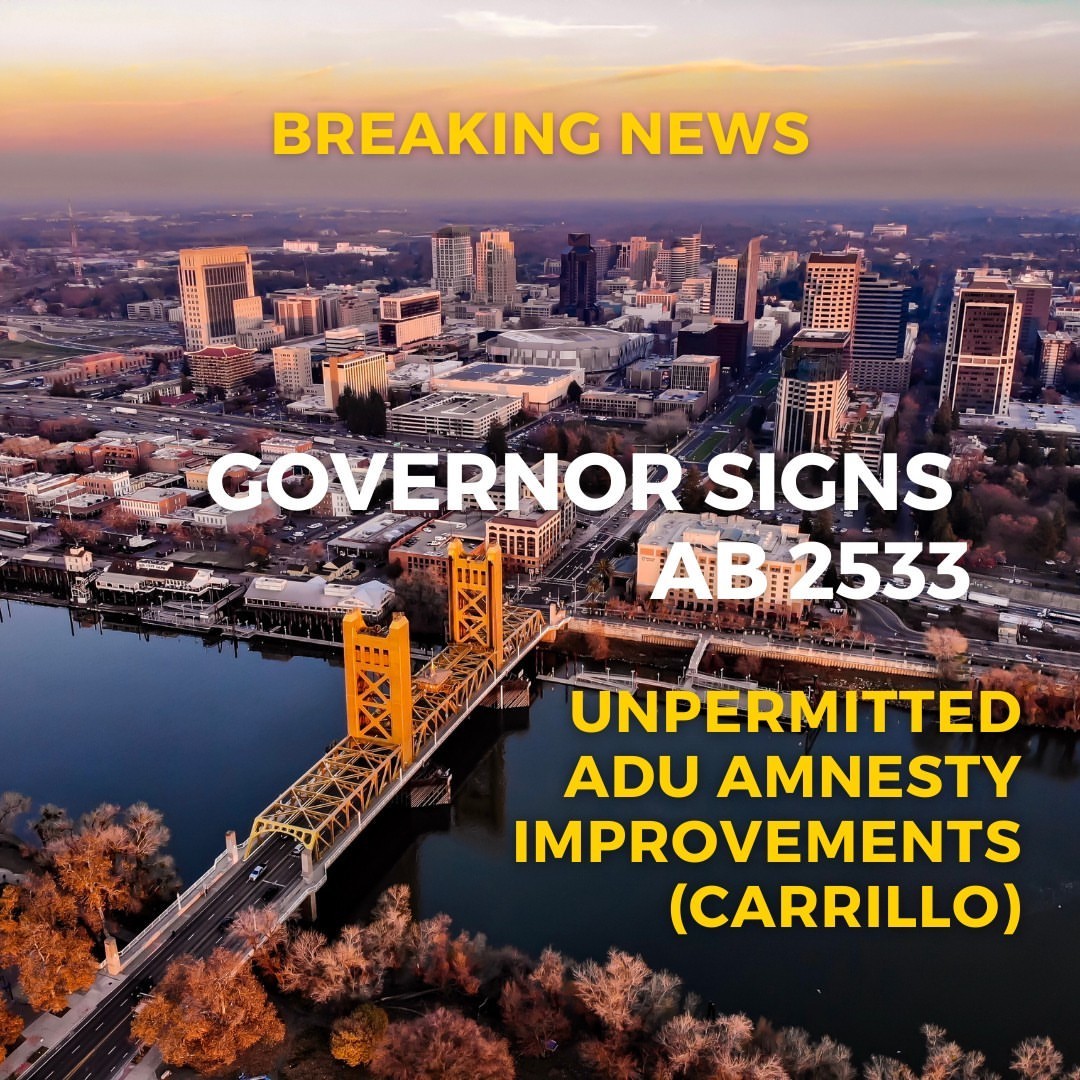
Governor Gavin Newsom has signed AB 2533 expanding amnesty for unpermitted ADUs. I’m proudly part of this effort in partnership with Casita Coalition, and the community of Florence-Firestone plays a role in the story. Shout out to Assemblymember Carrillo for authoring the legislation. Check out my reflections on AB 2533 as a former Zoning Enforcement Planner in Casita Coalition’s article authored by Board Chair Rafael Perez: https://www.casitacoalition.org/casita-coalition-blog/bringing-californias-hidden-housing-out-of-the-shadows-adu-amnesty-reform
From Casita Coalition social media:
Exciting News! Governor Newsom has signed Casita-sponsored AB 2533 into law! This bill is a game changer for legalizing unpermitted ADUs, making it easier, more affordable, and predictable for homeowners. Now, more homeowners can bring their units up to safety standards without breaking the bank, helping to preserve a critical segment of California’s naturally affordable rental housing market. This is a huge win for renters, homeowners, and housing stability in our communities! We thank Asm. Carrillo for championing this effort and everyone who supported this vital step toward advancing housing equity and preserving much-needed affordable homes. Our Board Chair, Rafael Perez, has authored a blog on AB 2355, titled “Bringing California’s Hidden Housing Out of the Shadows: ADU Amnesty Reform.” It features powerful insights from urban planner Jonathan Pacheco Bell @c1typlann3r and remarks from Assemblymember Juan Carrillo, highlighting the positive benefits this reform will unlock for communities.
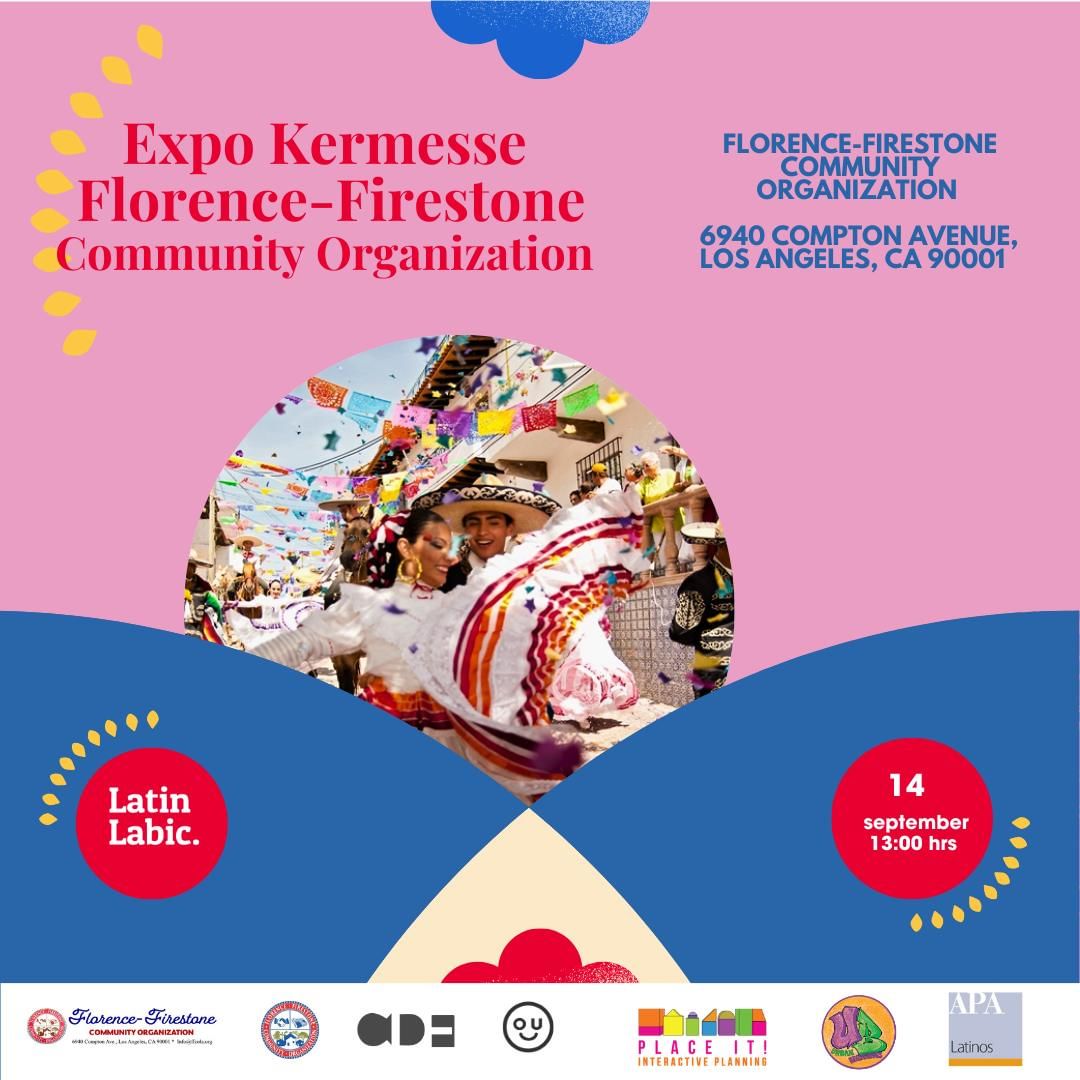
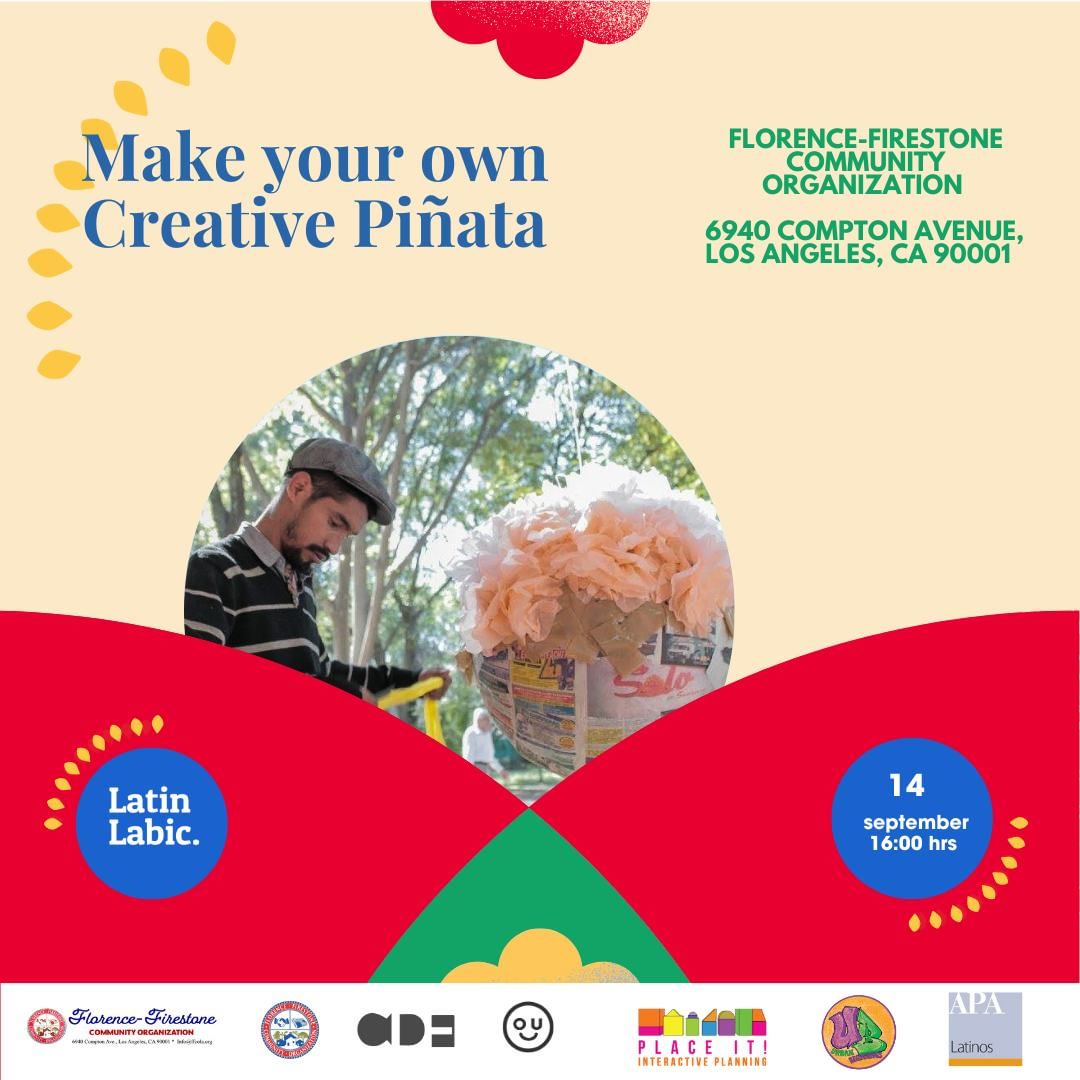
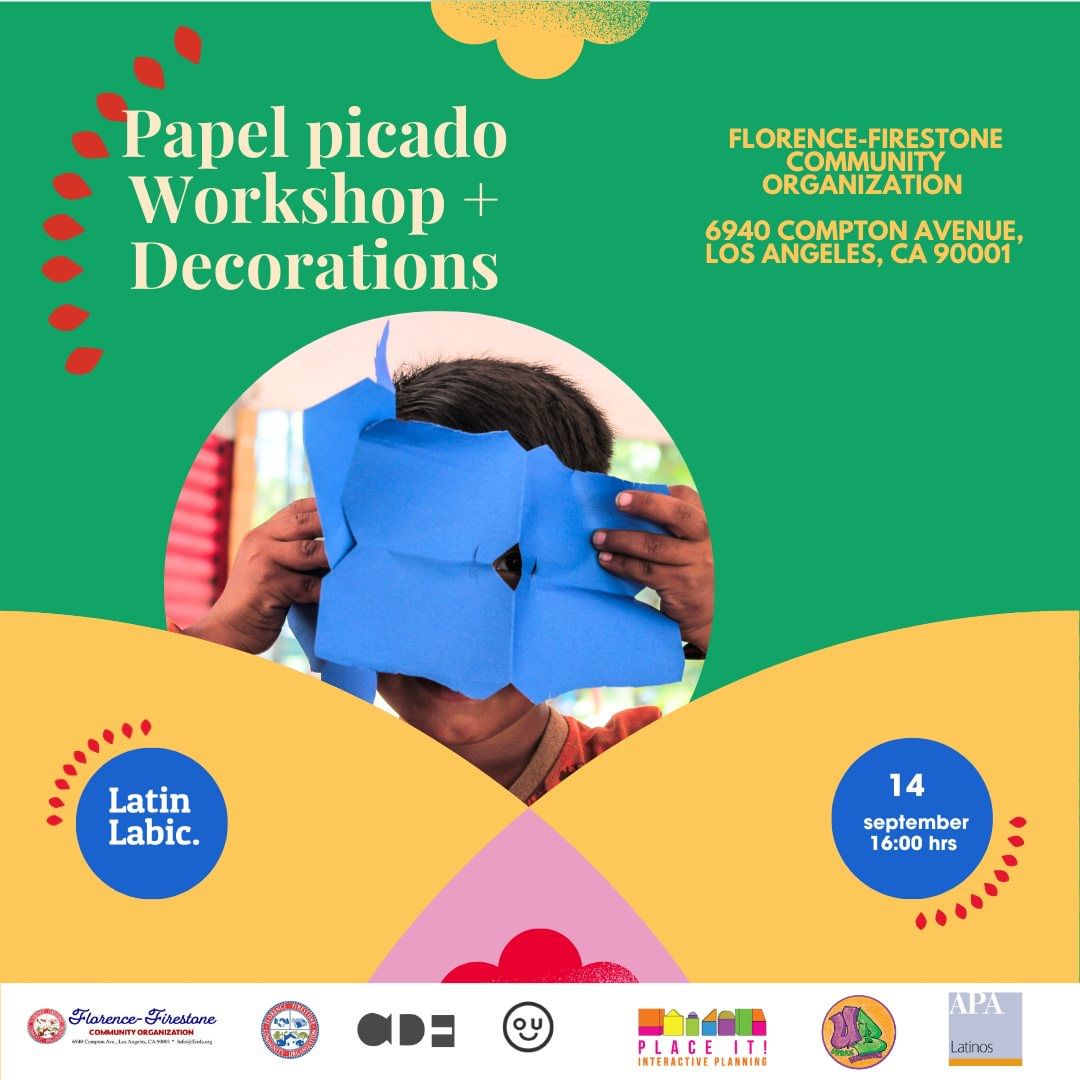
Latin Labic placemaking event and expo kermesse Saturday, September 14, 2024 at the Florence-Firestone Community Organization. With Ortopedia Urbana, Urban Beginnings podcast, APA Latinos and Planning, and Place It! Interactive Planning. Everyone is invited! Come through.
I’m doing an IG Live Sept 5th at 6pm Pacific with Elizabeth Gómez Ibarra and Ortopedia Urbana. We’ll discuss the social history, planning innovations, and future of the Florence-Firestone community in South Central LA. The conversation is a precursor to our inaugural Latin Labic placemaking event at the Florence-Firestone Community Organization on 9/14! Join the conversation.
Florence-Firestone Community Organization. Photo by Aditi Peyush
In Fall 2024, the Florence-Firestone Community Organization (FFCO) — where I proudly serve as VP — is partnering with Cal Poly Pomona and UCLA to integrate the neighborhood into these Urban Planning and Chicano Studies courses:
URP 5050: Planning and Place
URP 5120: Planning Ideas and Action
URP 5010: How Planning Works
CCAS M122: Planning Issues in Latino Communities (UCLA)
Building on our past efforts, FFCO will host neighborhood walking tours and discussions, conduct in-class guest lectures, and provide readings and resources (see below) to learn about the Florence-Firestone community in South Central LA.
Local news coverage of Florence-Firestone lamentably focuses on social ills. While the community endures challenges and struggle, there is more to it than the clickbait headlines. Our decades-long community-driven work proves it. The creation of Embedded Planning in Florence-Firestone (now a worldwide movement!) proves it. The birth of FFCO as a community advocacy voice during COVID proves it. Florence-Firestone is a vibrant and historic community. Students will experience it.
Below is a variety of key resources on Florence-Firestone. I am proud to have worked on most of these projects. These help reframe the narrative about our community. They tell a fuller story of partnerships, solidarity, and hope.
Note: This is a living document updated as needed throughout the semester/quarter. Any revision history will be indicated at the bottom of this page.
Florence-Firestone Community Organization and SELA Collaborative interview, including Embedded Planning origins in Florence-Firestone (starts at 5:25 min mark):
How a Tire Shop in South L.A. Became a Community Hub for Locals:














You must be logged in to post a comment.